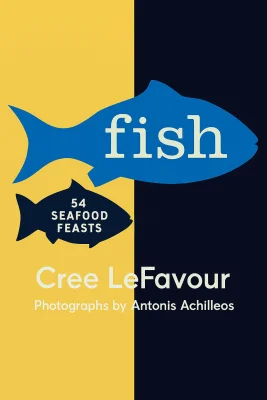
Fish
54 Seafood Feasts
Categories
Food, Cookbooks, Cooking
Content Type
Book
Binding
Hardcover
Year
2013
Publisher
Chronicle Books
Language
English
ISBN13
9781452109480
File Download
PDF | EPUB
Fish Plot Summary
Introduction
Standing before the seafood counter can feel overwhelming, even intimidating. The glistening array of fish on ice presents countless choices, yet beneath the surface lie questions that make many of us hesitate. Which fish are truly sustainable? How do we know if what we're buying is fresh? And perhaps most daunting of all, how do we transform these beautiful ingredients into restaurant-quality meals at home? These challenges represent an opportunity rather than an obstacle. When we learn to navigate the seafood market with confidence, master essential cooking techniques, and understand the principles of ocean stewardship, we unlock access to some of the most nutritious, delicious, and environmentally responsible proteins available. The path from uncertainty to mastery isn't just about becoming a better cook, it's about joining a movement that celebrates both culinary excellence and ecological responsibility.
Chapter 1: Choose Wisely: Navigating the Sustainable Seafood Market
Understanding sustainable seafood begins with recognizing that not all fish are created equal in terms of environmental impact. The key lies in knowing where your fish comes from and how it was caught or farmed. Wild fish from U.S. waters benefit from some of the world's most rigorous regulations, with carefully enforced catch limits, quotas, and environmentally beneficial fishing methods. Consider the story of Alaskan salmon versus farmed Atlantic salmon. While both may look similar in the display case, their environmental footprints tell vastly different stories. Alaskan salmon represents one of the most well-managed fisheries in the world, with strict quotas ensuring healthy populations for generations to come. The fishermen work within Individual Fishing Quota systems that give them a vested interest in long-term sustainability rather than short-term competition. In contrast, most farmed Atlantic salmon operations create environmental challenges that extend far beyond their immediate vicinity. These farms can contaminate wild populations with parasites, threaten genetic integrity through escaping fish, and actually deplete ocean resources since it takes more marine protein to feed the salmon than the salmon ultimately provides. The solution lies in developing a practical shopping strategy. Start by asking three simple questions at the fish counter: Where did this fish come from? How was it caught or farmed? When did it arrive? Don't be intimidated by fishmongers, they're there to help you make informed choices. Look for the Marine Stewardship Council label when available, and remember that fish from the United States and European Union generally represent your safest bets for sustainability. Keep a mental list of fish to avoid entirely, treating them like endangered wildlife rather than food options. This includes bluefin tuna, Chilean sea bass, sharks, and most eels. Instead, embrace alternatives like Pacific cod, Alaskan salmon, farmed Arctic char, and sustainably caught yellowfin tuna from U.S. waters. Transform your shopping approach by remaining flexible about species while staying firm on sustainability standards. If the Pacific halibut looks tired but the Arctic char is pristine, adjust your dinner plans accordingly. This flexibility will lead you to fresher fish, better meals, and a clearer conscience about your environmental impact.
Chapter 2: Master Essential Cooking Techniques for Perfect Fish
The foundation of excellent fish cookery rests on understanding that fish is fundamentally different from other proteins. Unlike beef or chicken, fish lacks the connective tissue that becomes tender through long cooking. Instead, fish proteins are delicate and cook quickly, requiring gentle heat and careful attention to timing and temperature. The author's childhood memories of catching trout with her sister Nicole illustrate this perfectly. After landing a fish from Little Woody Creek, her father would gut it immediately and sauté it in butter until the skin was crispy. The fish, still swimming an hour before, was transformed into something extraordinary through the simplest possible technique: high heat, good fat, and precise timing. This same principle applies whether you're pan-frying sardines or grilling tuna steaks. The secret lies in getting your pan hot enough that the butter foams and begins to color at the edges before adding the fish. This creates the crucial barrier between protein and metal that prevents sticking while developing the golden crust that makes fish irresistible. Master the art of temperature control by using both visual and tactile cues. Fish is done when it flakes easily with a fork but still appears slightly translucent at the center. For salmon and tuna, aim for an internal temperature of 120 to 125 degrees Fahrenheit if you prefer them rare, or 130 to 140 degrees for fully cooked fish. An instant-read thermometer eliminates guesswork and prevents the tragedy of overcooked, dry fish. Practice the gentle cooking methods that work best for delicate proteins. Poaching in seasoned stock treats fish with the respect it deserves, while braising allows you to walk away from the stove without worry. When grilling, choose whole fish or sturdy steaks that won't fall apart, and always clean and oil your grates more thoroughly than you think necessary. Remember that fish continues cooking even after leaving the heat source. Remove it from the pan when it's almost done, then let it rest in a low oven. This technique ensures perfectly cooked fish every time while building your confidence in the kitchen.
Chapter 3: Build Flavor Profiles with Global Seafood Combinations
Creating memorable seafood dishes involves understanding how different flavor profiles complement the clean, oceanic taste of fresh fish. The key is learning to balance the fish's natural sweetness with acids, spices, herbs, and aromatics from cuisines around the world without overwhelming the delicate protein. Take the example of the author's first taste of salmon with sorrel sauce at the Troisgros restaurant in France. That medallion of fish, translucent at its rare center and paired with a silky sauce that carried hints of sourness and grassy notes, demonstrated how the right accompaniment could elevate simple ingredients to transcendent heights. The sauce didn't mask the fish, it illuminated it. This principle works across all culinary traditions. In Asian preparations, the aromatic combination of ginger, garlic, soy sauce, and rice wine creates a flavor foundation that enhances rather than competes with fish. The wok-braised snapper with fermented black beans and chili paste shows how bold flavors can work in harmony when balanced properly. The fish remains the star while the aromatics provide complexity and depth. Build your flavor vocabulary by experimenting with classic combinations from different cuisines. Mediterranean preparations might feature olive oil, lemon, herbs, and tomatoes. Latin American dishes often incorporate citrus, chiles, and cilantro for brightness and heat. Middle Eastern flavors like za'atar, pomegranate, and mint create exotic complexity while remaining fundamentally simple. Start each dish by considering the fish's character. Delicate sole calls for gentle treatments with butter, wine, and herbs. Meaty tuna can handle bold spices and aggressive seasonings. Oily fish like salmon pair beautifully with acidic elements that cut through richness. Master the art of layering flavors by adding elements at different stages of cooking. Marinades penetrate the protein, cooking aromatics release essential oils, and finishing touches of fresh herbs or citrus provide brightness. This approach creates dishes with complexity and depth that develop on the palate. Practice restraint as much as boldness. Sometimes the best flavor profile is the simplest one: perfectly fresh fish, expertly cooked, with just a squeeze of lemon and a pinch of salt.
Chapter 4: Create Complete Meals with Complementary Sides
The art of composing complete seafood meals lies in understanding how different textures, temperatures, and flavors work together to create satisfying, balanced plates. Rather than treating fish as just another protein to pair with standard vegetables and starches, approach each meal as an opportunity to create harmony across all elements. Consider how the author approaches her bacon-wrapped grilled trout with walnut lentils and sautéed baby kale with apple. This isn't random combination, but thoughtful composition. The richness of the bacon complements the clean taste of the trout, while the earthy lentils provide protein and substance. The apple in the kale adds sweetness that bridges the smoky, nutty, and mineral flavors across the plate. The success of this approach becomes evident in how each element enhances the others. The walnut lentils aren't just a side dish, they're a flavor partner that makes the trout taste more complex. The kale provides a textural contrast that keeps each bite interesting, while the apple prevents the earthiness from becoming overwhelming. Build complete meals by considering textural variety first. If your fish is delicate and flaky, pair it with something substantial like roasted potatoes or pearl couscous. When working with meaty fish like tuna or swordfish, lighter accompaniments like cucumber salads or herb-dressed greens provide balance. Think about temperature contrasts that add interest to the plate. Room-temperature salads alongside hot fish create dynamic eating experiences. Cold salsas or relishes provide refreshing punctuation points that cleanse the palate between bites of rich seafood. Plan your timing so everything arrives at the table at its peak. Start with elements that can wait in low ovens or at room temperature, then work backward to coordinate the fish, which usually requires the most precise timing. Create visual appeal through color and composition. The bright green of herb oils, the deep red of tomatoes, the golden brown of perfectly seared fish, these elements should look as appealing as they taste. A beautiful plate increases anticipation and satisfaction.
Chapter 5: Overcome Common Fears About Cooking Seafood
Many home cooks avoid seafood because of intimidating misconceptions about difficulty, smell, and potential failure. These fears are largely unfounded when you understand a few key principles about selecting, storing, and preparing fish. The reality is that seafood often requires less technique and time than other proteins, making it ideal for weeknight dinners. The author addresses this directly, admitting her own initial intimidation by fishmongers who seemed to judge every question and request. She describes the feeling of having to announce your fish order like prescriptions at a pharmacy, with white-coated experts waiting to catch your mistakes. This resonates with anyone who has felt scrutinized while trying to make good choices. The breakthrough came from recognizing that fishmongers are actually allies in your quest for great meals. They want you to succeed because successful customers become repeat customers. Ask questions boldly: When did this fish arrive? How would you recommend cooking it? What's the freshest option today? Most fish counter workers are happy to share their expertise when approached with genuine curiosity. Address the smell issue by understanding its science. Fresh fish should smell like the ocean, clean and briny, not "fishy." That unpleasant odor comes from the breakdown of compounds that occurs in old fish. When you detect it, choose something else. Proper storage at home involves keeping fish as cold as possible, ideally on ice in your refrigerator. Conquer timing fears by starting with forgiving preparation methods. Poaching fish in seasoned stock or braising it with vegetables creates buffer zones that prevent overcooking. These gentle methods build confidence while producing consistently delicious results. Practice with less expensive, sustainable options like catfish, sardines, or Arctic char before moving to pricier selections. This removes the pressure of potentially ruining costly ingredients while you develop your technique. Remember that slightly undercooked fish is always preferable to overcooked fish. You can always return it to the heat, but there's no recovering from the dry, flaky texture of fish that's gone too far. Trust your instincts and pull fish from heat when it still looks barely translucent at the center.
Chapter 6: Transform Simple Ingredients into Restaurant-Quality Dishes
The elevation of simple ingredients into extraordinary meals happens through attention to detail, proper technique, and understanding how small improvements create dramatic differences in final results. Restaurant-quality seafood dishes aren't necessarily complex, they're simply executed with precision and care at every step. Take the author's approach to beer batter-fried fish and chips. Rather than accepting this as simple pub food, she applies restaurant techniques to create something exceptional. The beer in the batter isn't just novelty, it provides lightness and flavor that water-based batters can't match. The two-stage frying process for the chips ensures crispy exteriors and fluffy interiors rather than the soggy disappointments too often associated with homemade fries. The transformation continues with house-made tartar sauce and raspberry vinegar shrub rather than store-bought condiments. These elements require minimal additional effort but provide flavor complexity that elevates the entire dish. The shrub adds an acidic component that cuts through richness while providing a unique flavor note you won't find in restaurants. Master restaurant techniques by focusing on temperature control and timing. Professional kitchens succeed because they understand that cooking is largely about managing heat. Get your pans properly hot before adding fish, use thermometers to eliminate guesswork, and don't be afraid of high heat when it's called for. Invest in restaurant-quality ingredients where they make the biggest impact. This means excellent olive oil, fresh herbs, real butter, and proper salt. These foundational elements appear in multiple dishes and their quality multiplies across everything you cook. Practice mise en place, the professional kitchen practice of having everything prepared and organized before you begin cooking. This eliminates the panic of searching for ingredients while fish overcooks in the pan. Learn to season aggressively at multiple stages rather than timidly at the end. Salt fish before cooking to help proteins set properly. Season cooking liquids so flavors penetrate rather than simply coating surfaces. Finish dishes with flaky salt, fresh herbs, or acidic elements that provide brightness and complexity. Present your dishes with the same care restaurants use. Clean plates, thoughtful composition, and attractive garnishes signal to diners that something special is coming. This attention to presentation enhances perceived flavor and creates memorable dining experiences.
Chapter 7: Practice Ethical Consumption for Ocean Preservation
Ethical seafood consumption extends beyond personal health and culinary satisfaction to encompass our responsibility as stewards of ocean ecosystems. Every purchasing decision represents a vote for fishing practices, environmental protection, and the long-term viability of marine life for future generations. The author frames this challenge starkly through chef Dan Barber's observation that "for the past fifty years we've been fishing the seas like we clear-cut forests" because "there's almost nothing left." This isn't environmental hyperbole but scientific reality. Many fish species face population collapses that threaten their survival as species, not just as food sources. Yet the situation isn't hopeless when consumers make informed choices. The success of whale conservation through international treaties demonstrates that coordinated action can restore species to healthy population levels. Similar approaches to fish conservation require consumer awareness and commitment to sustainable choices. Practice ethical consumption by treating certain fish species as off-limits permanently. Create a mental list of fish that are effectively extinct in the wild: bluefin tuna, Chilean sea bass, sharks, and most eels. Approach these species with the same mindset you would apply to endangered land animals, they're not food options but conservation concerns. Support fishing operations that prioritize long-term sustainability over short-term profits. Individual Fishing Quota systems and Catch Share programs align fishermen's incentives with ecosystem health by giving them ownership stakes in fish populations. When you buy from these sources, you're supporting business models that ensure future abundance. Understand that higher prices for sustainable seafood often reflect true environmental costs that industrial fishing operations externalize onto public resources. Paying more for responsibly caught fish represents an investment in ocean health rather than simply premium pricing. Expand your species preferences to include abundant, underutilized fish rather than focusing on the same few popular options. Pacific sardines, Arctic char, and various U.S. farmed species provide excellent eating while reducing pressure on overfished stocks. Advocate for better labeling and transparency in seafood markets. Ask questions about origin and fishing methods, even when answers aren't readily available. Consumer demand for information drives industry changes toward greater transparency and accountability.
Summary
Mastering sustainable seafood cookery represents more than acquiring new culinary skills, it's about joining a movement that celebrates both exceptional food and environmental responsibility. Through understanding which fish to choose, how to prepare them properly, and why these choices matter, we transform our relationship with one of the planet's most precious resources. As the author reminds us, "when fish is good, it's spectacular." This simple truth encompasses everything from the satisfaction of a perfectly seared piece of salmon to the knowledge that our choices support healthy ocean ecosystems. The path from intimidation to mastery isn't just about becoming a better cook, it's about becoming a more conscious consumer and a more engaged citizen of our interconnected world. Start today by visiting your local fish counter with new confidence and curiosity. Ask questions, choose sustainably, and prepare your selection with care and attention. Each meal becomes an opportunity to practice both culinary excellence and environmental stewardship, creating positive change one delicious dish at a time.
Best Quote
Review Summary
Strengths: The review highlights the cookbook's diverse fish recipes, strong and lively flavors, and well-organized presentation. The inclusion of side dish suggestions is appreciated, as is the overall writing and photography. The book offers a mix of easy-to-prepare meals and special occasion recipes. Weaknesses: Criticisms include the excessive portion sizes of non-fish components and the recipes being "inspired" rather than authentic, sometimes appearing disrespectful to ingredients. Some dishes seem to treat fish as an afterthought. Overall: The reader finds the cookbook enjoyable and informative, appreciating its organization and diversity. However, they note some issues with portion sizes and authenticity. The book is recommended, albeit with reservations.
About Author

Cree LeFavour
LeFavour synthesizes diverse literary forms to delve into complex themes of identity, food culture, and personal resilience. Her work often traverses the challenging landscapes of mental illness and self-recovery, with a focus on how culinary experiences can shape personal narratives. In her memoir "Lights On, Rats Out", she explores her struggles with self-harm and mental illness with unflinching honesty, offering readers an intimate view of personal adversity and courage. This book stands out in her bio as a reflection of her willingness to navigate difficult emotional territories, gaining a spot in Book Riot's "50 Must-Read Memoirs of Mental Illness."\n\nExploring the connection between food and memory, LeFavour's culinary background deeply informs her writing, as seen in her cookbooks such as "Fish", a James Beard Award finalist, and "Pork: More Than 50 Heavenly Meals that Celebrate the Glory of Pig, Delicious Pig". These works reveal her intricate understanding of food as both a cultural artifact and a personal touchstone. Her fiction, including the novel "Private Means", extends her exploration of family dynamics and personal identity, emphasizing her distinctive narrative style that combines rich detail with emotional candor.\n\nReaders who appreciate narratives that intertwine personal history with broader cultural themes will find LeFavour's books compelling and insightful. Her writing not only provides an introspective look at individual struggles but also situates these experiences within the larger context of food and culture, offering a multi-layered perspective that is both engaging and thought-provoking. Whether in the realm of memoir, fiction, or culinary writing, LeFavour's work is marked by a profound exploration of how personal and cultural identities intersect and evolve.
Read moreDownload PDF & EPUB
To save this Black List summary for later, download the free PDF and EPUB. You can print it out, or read offline at your convenience.
Fish
by Cree LeFavour
