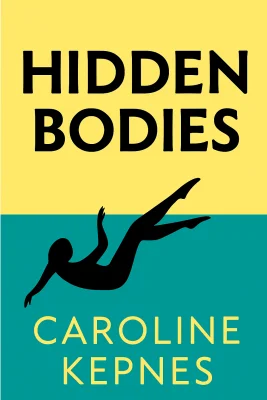
Hidden Bodies
Categories
Fiction, Audiobook, Horror, Mystery, Thriller, Adult, Contemporary, Suspense, Crime, Mystery Thriller
Content Type
Book
Binding
Paperback
Year
2016
Publisher
Emily Bestler Books
Language
English
ISBN13
9781476785639
File Download
PDF | EPUB
Hidden Bodies Plot Summary
Introduction
# Obsession's Shadow: The Hunter's Quest for Redemption The California sun beats down mercilessly as Joe Goldberg steps off the plane at LAX, carrying nothing but a duffel bag and the weight of his murderous past. He's fled New York after a trail of bodies, seeking salvation in the city of angels. But Los Angeles proves just as treacherous as the concrete jungle he left behind. When he spots Love Quinn in an upscale grocery store, her golden hair catching the light like spun honey, Joe believes he's found his redemption. Love isn't just another beautiful woman—she's grocery empire royalty, sister to unstable screenwriter Forty Quinn, and keeper of secrets darker than Joe could imagine. As their romance blossoms in Malibu's endless summer, Joe thinks he can finally escape his violent nature. But the past refuses to stay buried, and Love comes with complications that will test every boundary Joe has built around his new identity. In a city where everyone performs a version of themselves, where dreams can drive people to madness, Joe discovers that even paradise has its predators—and some cages are built not to keep people out, but to keep them in.
Chapter 1: Flight to Paradise: Escaping New York's Ghosts
The cramped Hollywood apartment feels like penance after the spacious bookstore Joe once ruled in New York. Morning light filters through cheap blinds as he prepares for another day at the local bookstore, a pale shadow of his former kingdom. But routine offers camouflage, and predators survive by adapting to new hunting grounds. The Anavrin grocery store represents everything Joe despises about Los Angeles—organic abundance wrapped in pretension, fifteen-dollar smoothies, artisanal everything. He moves through the aisles like a ghost, observing the beautiful people who shop here like specimens in a terrarium. The city's synthetic sheen grates against his nerves, but he's learning to blend in, to wear normalcy like armor. His neighbor Delilah Alves proves more observant than Joe anticipated. The aspiring journalist notices his odd hours, his evasive answers about his past. She's hungry for a story, desperate for her big break, and Joe recognizes the dangerous combination of ambition and curiosity that could expose everything he's worked to hide. Her questions probe like surgical instruments, each one a potential trap. The heat is relentless, dry and punishing. Joe walks everywhere in a city designed for cars, drawing stares and suspicion. Officer Fincher, a racist cop with predatory eyes, stops him for jaywalking, confiscating his headphones and lecturing him about knowing his place. The encounter leaves Joe shaken, reminded that even in paradise, authority figures can be the most dangerous predators of all. But adaptation means survival, and Joe begins to find his rhythm in this strange new ecosystem. He learns the unspoken rules, the invisible hierarchies, the careful dance of ambition and desperation that defines Los Angeles. The bookstore becomes his sanctuary, books his companions, as he waits for whatever comes next in this city of broken dreams.
Chapter 2: Golden Encounter: Love Quinn and the Promise of Salvation
The casting call at Soho House is supposed to be silent, but Joe can't resist scribbling sarcastic observations about the pretentious director demanding more heart from aspiring actors. His note gets passed around the room, eventually reaching a stunning blonde who responds with her own witty commentary. Their paper conversation flows with electric chemistry, each exchange more flirtatious than the last. She's different from the actresses Joe has encountered in LA. Intelligence burns behind her eyes, warmth that seems genuine rather than performed. When she offers him gum from her container, writing "U can put ur hand in my box," Joe feels something he hasn't experienced since arriving—hope. The misspelling bothers his perfectionist nature, but her playful confidence disarms him completely. Their silent courtship is interrupted when a voice crackles through headphones: "Forty to Love, Forty to Love." The woman laughs when Joe asks if that's her boyfriend, shaking her head with amusement. The moment feels suspended between possibility and reality, charged with potential that makes Joe's chest tight with anticipation. When he finally removes his headphones and kisses her, it's the warmest kiss of his life. Her voice, when she speaks, carries both command and vulnerability. "Come meet my brother," she says, introducing herself as Love Quinn. She explains that Forty is her twin, responsible for the ridiculous casting call they've been mocking. As they walk through Soho House, Love moves like royalty, greeting everyone with the confidence of someone who belongs everywhere. Joe realizes he's found something precious—not just a beautiful woman, but a passport to a world he's only dreamed of entering. The grocery store heiress has been sending him love letters through retail design, her playlists and section titles creating the welcoming atmosphere that drew him to those stores when he first arrived, lost and alone.
Chapter 3: Blood in Paradise: When the Past Refuses to Stay Buried
Love's family estate, The Aisles, sprawls across Malibu like a private kingdom. Multiple houses, tennis courts, private beach, staff who anticipate every need—Joe has never seen wealth like this. Love's parents, Ray and Dottie, welcome him with genuine warmth, still holding hands after decades of marriage in a way that makes Joe both envious and hopeful. The summer unfolds like a fever dream. Joe learns tennis badly, discovers Love creates the Pantry store playlists, spends afternoons by infinity pools overlooking the Pacific. Love names the quirky grocery sections, designs customer experiences, transforms commerce into art. She's been unconsciously courting him through corporate culture, and the realization feels like destiny. But paradise carries shadows. Forty Quinn bursts into Joe's life like a cocaine-fueled hurricane, all manic energy and desperate charm. At thirty-five, he carries entitled swagger mixed with crushing insecurity, his latest screenplay tucked under his arm like a talisman against mediocrity. Joe recognizes the type—privilege without purpose, dangerous in its unpredictability. When Forty discovers Joe's writing background, predatory interest lights his eyes. He proposes collaboration, offering Hollywood connections in exchange for script polishing. Joe sees the trap but walks in anyway, drawn by legitimacy's promise and the chance to stay close to Love. Forty's first script is amateur garbage, all surface flash without emotional core. As Joe transforms Forty's derivative work into something genuinely compelling, he realizes he's entered a devil's bargain. Forty takes credit for every improvement while treating Joe like hired help, gratitude evaporating the moment work is done. But the scripts are good—better than good—and Joe pours his own dark experiences into stories Forty will claim as his own. Love glows with pride at her brother's renewed confidence, never suspecting that voice belongs to the man she's falling for.
Chapter 4: Family Sins: The Quinn Dynasty's Dark Secrets
The breaking point arrives in a dingy Rhode Island motel room, where Joe has fled to retrieve evidence from his past crimes. Love tracks him down, eyes blazing with hurt and suspicion. She's discovered his lies about Vegas, pieced together his deceptions with methodical precision. The confrontation Joe has dreaded finally comes. Trapped in the bathroom by Love's clever barricade, Joe pounds the door until his knuckles bleed. Hours pass in claustrophobic panic as he imagines police surrounding the building, his freedom ending in handcuffs and headlines. When Love finally releases him, her face wears a mask of cold determination that chills him more than any threat. But instead of running or calling police, Love sits on the bed and tells him about Roosevelt, the family dog that Forty tortured to death as a child. Her voice stays steady describing the animal's body, her brother's jealous rage, the family's conspiracy of silence. Joe realizes she's not confessing—she's explaining, showing him she understands monsters because she's lived with one her entire life. Then comes Joe's own confession, spilling out in a torrent he never intended to share. He tells her about Beck, about Peach, about the cage and murders and desperate hunger for love that drove him to kill. Love listens without flinching, her face unreadable as he lays bare the darkest corners of his soul. Love's response shatters every expectation Joe has built around normal human reaction. She doesn't scream or run or recoil in horror. Instead, she reaches for his hands and tells him she's pregnant. The revelation hits like a physical blow—not just the pregnancy, but what it represents. Love isn't just accepting his past; she's choosing their future together, binding them with new life even as she absorbs the truth about his capacity for death.
Chapter 5: Confessions in the Cage: Truth and Acceptance
The alkali hot springs in Nevada desert seem perfect for Forty to disappear forever. Joe watches his tormentor sink into murky water, pills and alcohol finally claiming their victim. The desert stretches endlessly, a natural crematorium where bodies become dust and secrets stay buried. Joe drives away convinced he's finally free from Forty's parasitic grip. But death, like everything in Forty's life, refuses to follow script. Days later, as Joe and Love celebrate their engagement and impending parenthood, the call comes that shatters their peace. Forty is alive, rescued by a mysterious woman, recovering in a Reno hospital. The miracle of his survival feels like cosmic joke, another reminder that Joe's attempts at control are ultimately futile. The hospital room buzzes with family relief and medical staff fawning over Quinn wealth. Forty holds court from his bed, spinning tales of artistic inspiration and desert vision quests that transform his near-death experience into another performance. Joe watches with growing dread, waiting for the moment when Forty's memory returns and accusations begin. That moment comes in private, after family has left and nurses finished their rounds. Forty's eyes lock onto Joe's with predatory satisfaction, and Joe realizes his secret is no longer safe. But instead of threats or demands for justice, Forty makes a different proposal—one that turns Joe from would-be killer into permanent slave. The arrangement is simple and devastating: Joe will continue writing scripts under Forty's name, feeding the machine of his success while remaining invisible. In exchange, Forty will keep quiet about the desert, about Joe's murder attempt, about everything that could destroy the life Joe has built with Love. It's blackmail wrapped in partnership language, a prison disguised as opportunity. Joe agrees because he has no choice, because Love's happiness depends on her brother's silence, because sometimes survival requires swallowing pride along with rage.
Chapter 6: Justice Delayed: The Law's Pursuit and Love's Protection
The past refuses to stay buried, surfacing like a corpse in still water when Officer Nico's sharp memory connects faces across time and geography. A chance encounter in a Rhode Island coffee shop, a photograph in a sailing magazine, a license plate preserved on a mechanic's receipt—fragments coalesce into a pattern spelling Joe's doom. The careful distance he's maintained between identities collapses like a house of cards. Detective Leonard Carr embodies relentless justice machinery, his questions probing like surgical instruments seeking infection. He knows about Danny Fox, the fake identity Joe used in therapy sessions. He knows about Spencer Hewitt, the name on the rental car that crashed near the Salinger estate. Most damaging, he knows these identities belong to the same man who now sits across from him, sweating under fluorescent lights. The interrogation becomes chess played with words instead of pieces, each question a potential trap that could spring shut around Joe's throat. Carr probes connections between Beck's death and Peach's disappearance, between Joe's presence at Henderson's party and the writer's subsequent overdose. Coincidences pile up like courtroom evidence, each one tightening the noose around Joe's carefully constructed new life. But Joe has learned to navigate these waters, responses calibrated to reveal nothing while appearing cooperative. He admits to using false names while traveling, explains away his presence at crime scenes with reasonable doubt and selective memory. His lawyer Edmund nods approval at each deflection, recognizing the performance of a man who has survived interrogation before. The real test comes when Carr asks about Brian, the fictional friend Joe invented to explain his Cabo actions. Love has been questioned separately, and Joe must guess her responses without knowing what she said. The moment crystallizes everything about their relationship—trust, understanding, deep knowledge that comes from truly seeing another person. Joe closes his eyes and speaks from his heart, channeling Love's voice and values. When Carr's face falls, Joe knows he's guessed correctly, that love has indeed set him free.
Chapter 7: Redemption's Price: Love as Both Prison and Freedom
The jail cell becomes Joe's monastery, a place of enforced reflection where concrete walls and steel bars create boundaries his life has always lacked. He adapts to institutional rhythm—meals at prescribed hours, exercise in designated spaces, sleep when lights go out. Routine offers its own comfort, structure that removes choice and therefore removes the possibility of choosing wrong. Love visits daily, her belly growing rounder with each passing week, their daughter taking shape in her womb's darkness. She brings news of the outside world—the scripts Joe wrote under Forty's name are being produced, his words brought to life by actors who will never know their true author. The irony tastes bitter, but Joe finds he cares less about credit than about the woman who carries his child and secrets with equal grace. Detective Carr continues his assault, each session bringing new theories and old evidence, but his case's foundation remains circumstantial. He can place Joe near crime scenes, prove he used false identities, demonstrate his presence at suspicious moments. But he cannot prove murder, cannot bridge the gap between suspicion and certainty that separates accusation from conviction. The breakthrough comes not from evidence but from absence—the lack of physical proof that would seal Joe's fate. The mug of urine that once threatened to destroy him has been retrieved and destroyed. The bodies he buried remain hidden in their graves. The weapons he used have been disposed of beyond recovery. His past crimes exist only in memory and confession, protected by attorney-client privilege and the love of a woman who chooses to see his future rather than his history. As weeks turn to months, the case against Joe begins crumbling like a sandcastle at high tide. Witnesses recant, evidence proves inconclusive, and the district attorney's office faces the reality of prosecuting a man whose guilt they believe but cannot prove. Joe watches from his cell, patient as a spider in its web, knowing that love—Love—will ultimately set him free. When charges are finally dropped and the cell door swings open, he walks into sunlight and into the arms of the woman who saved him not despite knowing what he was, but because of it.
Summary
Joe Goldberg's journey from New York killer to Los Angeles father reveals the complex mathematics of love and obsession in a city built on beautiful lies. His relationship with Love Quinn transcends the typical predator-prey dynamic that defined his past relationships, evolving into something more dangerous and more real—a partnership between two people who understand that love sometimes requires accepting the unacceptable. Their bond, forged in confession and sealed with new life, proves stronger than the justice system's attempts to tear them apart. The story ultimately suggests that redemption is possible not through denial of one's nature, but through finding someone who can love that nature completely. Joe's crimes remain unpunished in any legal sense, but his punishment and salvation are the same thing—a love so complete it transforms him from hunter to protector, from killer to father. In Love's acceptance, he finds not absolution but something more valuable: the possibility of becoming someone worthy of the love he's always craved. The cage that once held his victims becomes the cell that holds him, and both prisons are ultimately opened by the same key—a love that sees clearly and chooses to stay.
Best Quote
“It is possible to know people. They show you who they are. You just have to be looking.” ― Caroline Kepnes, Hidden Bodies
About Author

Caroline Kepnes
Kepnes investigates the intricacies of human psychology through her gripping narratives, revealing the darker aspects of love and obsession. Known for her psychological thriller series "You," Kepnes creates complex characters whose unreliable narration invites readers to explore the disconnect between their internal thoughts and external actions. This approach allows her to delve into themes of control and manipulation, as seen in her debut book, "You," where romantic-comedy tropes are subverted to explore the mind of a violent stalker. Her writing is characterized by intense psychological exploration, offering a fresh take on storytelling.\n\nBeyond her novels, Kepnes's work extends to the screen, contributing as a screenwriter for the television adaptation of "You." This series found immense success on Netflix, highlighting the universal appeal of her storytelling. Her ability to translate complex psychological themes into compelling narratives makes her work resonate with a wide audience, while her background in journalism and television writing enriches her storytelling with a dynamic perspective. Kepnes's contribution to literature and media is significant, engaging readers with profound reflections on human nature and the darker side of relationships.\n\nHer bio reflects a career that bridges various media, from her time as a journalist at Entertainment Weekly to her roles in television writing. Kepnes's literary journey showcases her versatility as an author who navigates multiple genres and platforms, continually expanding her reach. The impact of her work is evident in her recognition as a New York Times bestselling author, with her novels translated into numerous languages, connecting with readers worldwide.
Read moreDownload PDF & EPUB
To save this Black List summary for later, download the free PDF and EPUB. You can print it out, or read offline at your convenience.
Hidden Bodies
by Caroline Kepnes
