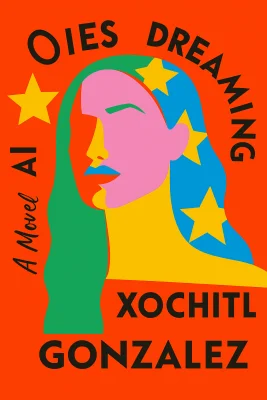
Olga Dies Dreaming
Categories
Fiction, Audiobook, Romance, Adult, Book Club, Contemporary, LGBT, New York, Literary Fiction, Latinx
Content Type
Book
Binding
Hardcover
Year
2022
Publisher
Flatiron Books
Language
English
ISBN13
9781250786173
File Download
PDF | EPUB
Olga Dies Dreaming Plot Summary
Introduction
# Shadows of Absence: The Weight of Heritage and Choice The crystal chandelier catches the light as Olga Isabel Acevedo counts linen napkins at a Manhattan wedding, calculating how many she can steal without anyone noticing. Thirty dollars each, imported from Belgium, destined to wipe the mouths of people who will never see her as anything more than hired help. The daughter of Young Lords revolutionaries has built her empire orchestrating celebrations for the ultra-wealthy white elite her parents once fought against, while her brother Prieto serves in Congress as the golden boy of Puerto Rican politics. But beneath their polished success lies a web of secrets that threatens to unravel everything. Prieto harbors a sexuality he dares not reveal, compromised by powerful men who hold his political career hostage. Olga drifts through meaningless affairs and hollow achievements, haunted by the mother who abandoned them for revolution twenty-five years ago. When their past suddenly resurfaces through an unexpected messenger, both siblings must confront the price of the choices they've made and the weight of the heritage they've tried so hard to escape.
Chapter 1: The Stolen Napkins: Navigating Dual Worlds
The Henderson wedding unfolds like a fever dream of excess. Six hundred custom linen napkins at thirty dollars each, folded at precisely thirty-degree angles while Olga calculates the mathematics of injustice. Mrs. Henderson strokes each napkin like spun gold, declaring them future heirlooms while Olga's family wipes their mouths with polyester rags in Sunset Park. Olga watches the waitstaff navigate between crystal and silver, her trained eye cataloging waste and opportunity. At least 150 napkins will go unused, maybe 175. Perfect for her cousin Mabel's upcoming wedding. She hates Mabel, but she hates the injustice more. Her Uncle JoJo dropped out of high school because no one bothered to diagnose his dyslexia. Now his daughter settles for discount everything while these people hoard Belgian flax like treasure. The wedding proceeds flawlessly, guests dabbing their lips with imported luxury while Olga orchestrates from the shadows. Her assistant Meegan questions the ethics, but Olga has perfected the art of moral flexibility. She isn't stealing, she's equalizing resources. Redistributing wealth one napkin at a time. By evening's end, she has secured her prize. The unused napkins will find their way to Brooklyn, where her family will recognize quality when they feel it. They'll know Olga provided this touch of elegance, this small victory against a world that never intended to include them. As she supervises the cleanup, Olga feels the familiar satisfaction of operating between worlds, understanding both the language of her grandmother's house and the codes of Manhattan's elite. The question that haunts her drive home through the tunnel is whether this balancing act represents survival or betrayal.
Chapter 2: Inherited Absences: The Revolutionary Mother and Addicted Father
The letter arrived on Olga's thirteenth birthday, written in her mother's careful revolutionary script. Blanca Acevedo wrote from wherever fighters hide, speaking of sacrifice and liberation, of raising a beautiful young Boricua who must be strong like the revolutionary they had raised her to be. She didn't say when she would return. She never did. Olga and Prieto had grown up in the shadow of their parents' radicalism. Their house on Fifty-third Street buzzed with protest signs and political meetings, walls echoing with talk of liberation and justice. Their father Johnny had been a Young Lord, their mother Blanca a fierce advocate for Puerto Rican independence. But revolution, they learned, devoured its own children. Johnny returned from Vietnam addicted to heroin, a wound that never healed despite years of sobriety during his activist days. When the movement collapsed, he collapsed with it. The man who once dreamed of changing education curricula became another casualty of the streets, trading his ideals for crack pipes and needles. By the time AIDS claimed him, he was a ghost haunting their grandmother's house. Blanca chose a different path of destruction. Unable to shrink her world to accommodate family life, she followed her mentor Filiberto Ojeda Ríos into Puerto Rico's mountains, then to Cuba, finally to Mexico with the Zapatistas. She sent letters but never addresses, maintaining contact while remaining untouchable, a revolutionary phantom who loved her cause more than her children. Their grandmother Isabel built altars in closets and saved pennies to buy their house, teaching Olga that little by little, everything impossible can come to pass. But she couldn't teach her how to fill the void left by parents who chose ideology over intimacy, revolution over responsibility.
Chapter 3: Conditional Lovers: Between Dick's Wealth and Matteo's Authenticity
Dick Eikenborn III embodied everything Olga had been taught to despise and everything she secretly craved. The heir to a hardware store empire, he was inherited privilege made flesh, handsome and wealthy and utterly oblivious to his own advantages. When they met on his private jet, the attraction was immediate and mutual. For Dick, Olga was an exotic conquest. For Olga, he was revenge against every prep school boy who had looked through her like furniture. Their affair thrived on mutual condescension. Dick saw her as his Cherry, a spicy departure from his bland ex-wife. Olga saw him as a symbol to be conquered, proof that she could possess what had always been denied to her. But when Dick pushed for something real, something permanent, the fantasy soured. His neediness repulsed her, his assumptions about their future infuriated her. Then came Matteo, discovered drunk and philosophical in a dive bar after Jan's funeral. A biracial real estate agent living in his dead mother's house, surrounded by furniture and records he couldn't bear to discard. Where Dick demanded performance, Matteo offered presence. Where Dick saw an accessory, Matteo saw a person worth knowing. In Matteo's cluttered house, surrounded by his carefully categorized collections, Olga found something unexpected: peace. He played her father's old salsa records and listened to her stories without judgment. When she told him about breaking her father's vinyl collection in a rage of grief, he offered to replace what he could. When she revealed the complexity of her family's political legacy, he understood the weight of inherited expectations. The contrast crystallized like ice. Dick offered access to a world that would never truly accept her. Matteo offered acceptance in a world she could help create.
Chapter 4: Political Puppets: Prieto's Secret Compromises
Congressman Pedro Prieto Acevedo commanded respect in the halls of power, his voice carrying the weight of Puerto Rican dignity in a system designed to silence it. But his public righteousness masked private compromises that ate at him like acid, each betrayal another link in chains he couldn't break. The Selby brothers had owned him since 2003, when they invited him to dinner and presented photographs of him with men. Your district wouldn't want to be represented by a maricón, they said, using his sexuality as leverage for their real estate empire. Every vote they demanded, every community project they blocked, every luxury development they pushed through, came with the implicit threat of exposure. Prieto had married Sarita as cover, fathered a daughter he adored, and built a career on the foundation of his own fear. When his marriage inevitably collapsed under the weight of his deception, he found solace in clandestine encounters with men like Jan, the Polish waiter who worked Olga's events. But even these moments of authenticity were poisoned by shame and terror. The PROMESA vote had been his latest capitulation. Despite knowing it would devastate Puerto Rico, despite his mother's furious letters warning of colonial exploitation, he voted to impose austerity on the island. The pressure from colleagues, the media narrative, the Selbys' influence converged to make him betray his own people. When Jan killed himself after testing HIV positive, Prieto saw his own future reflected in that closet where the man had hanged himself. The fear of disease, of exposure, of disappointing everyone who believed in the image he'd constructed was suffocating. He was trapped in a life built on lies, powerful enough to help thousands but too afraid to save himself. The box of worms that arrived at his office was his mother's verdict: lombriz, sellout, traitor to everything she'd raised him to be.
Chapter 5: Revolutionary Revelations: The Return of the Mother
Reggie King's armored SUV pulled up outside Olga's office like a scene from an action movie. The former music mogul turned political activist had reinvented himself as a champion of Puerto Rican independence, trading his stage name for his birth name, Reyes. But his connection to Olga ran deeper than politics. He carried a message from the mother who had vanished twenty-five years ago. Blanca Acevedo was alive, active, and orchestrating revolution from the shadows. After Filiberto Ojeda Ríos was assassinated in 2005, she had returned to Puerto Rico to build something new: the Pañuelos Negros, a decentralized network of independence fighters spread across the diaspora. Computer programmers, chemists, students, businessmen like Reggie, all united by black bandanas and the dream of a free Puerto Rico. Your mother needs you, Reggie said, his words hitting Olga like a physical blow. For decades, she had received only letters, one-way communications that demanded strength without offering support. Now, finally, her mother was reaching out. Not as a parent seeking reconciliation, but as a revolutionary requiring assistance. The revelation shattered Olga's carefully constructed emotional barriers. Her mother hadn't been hiding in shame or exile. She'd been building an army. The woman who abandoned her children for the cause had spent decades recruiting others to that same cause. Reggie himself was proof of her influence, transformed from a materialistic rapper into a committed activist through her letters and recommended reading. But the message came with conditions. Olga could know about the Pañuelos Negros, could even join them, but she couldn't tell Prieto. If their mother had wanted him involved, she would have contacted him directly. The implication was clear: she had judged her son and found him wanting. Olga stumbled from the SUV into the rain, her world fundamentally altered by the knowledge that her mother was not just alive, but disappointed in the lives her children had built.
Chapter 6: Breaking Patterns: Confronting Identity and Purpose
The fight with Prieto erupted over something small, Olga's request to let Christian, Jan's grieving boyfriend, rent their family's upstairs apartment. But it revealed everything they'd been hiding from each other. When Prieto refused, calling Christian a pato with barely concealed self-loathing, Olga finally spoke the truth they'd both been avoiding. Because you're afraid of what he'll do or what you'll want to do, hermano? The words hung between them like a blade. Prieto's sexuality, his fear, his self-hatred, all of it exposed in one moment of brutal honesty. They drove home in silence, the distance between them measured in decades of secrets and shame. Meanwhile, Olga's own reckoning was accelerating. Her assistant Meegan's innocent question, Why do you do this job, had no good answer. The wedding planning that once seemed like clever social climbing now felt like elaborate self-punishment. She was making other people's dreams come true while her own life remained empty of meaning. Her relationship with Dick finally imploded at the Blumenthal party when he accused her of embarrassing him by helping a fallen waiter. You acted like a maid, he said, revealing exactly how he saw her. The mask slipped, showing her the contempt that had always lurked beneath his desire. But with Matteo, she found something different. In his house full of rescued objects, surrounded by the music her father had loved, she began to remember who she was beneath all the performance. When he asked her to Mabel's wedding, she said yes, not because she needed a date, but because she wanted him there. The patterns were breaking. The careful constructions of acceptable identity were crumbling. What remained was the question of what they would build in their place.
Chapter 7: Hurricane Warnings: A Family at the Crossroads
Hurricane Irma left Puerto Rico in darkness, its fragile infrastructure collapsing under nature's assault. The storm became a metaphor for everything the Acevedo family had been avoiding, the reckoning that comes when foundations prove inadequate to weather the truth. Olga prepared for Mabel's wedding with stolen napkins and a borrowed date, her cousin's financial crisis requiring last-minute family contributions. The wedding would be a performance of normalcy, but underneath, everything was shifting. Her mother's revolutionary network was stirring, waiting for the moment when Puerto Rico's suffering would finally wake the people to action. Prieto drove through the night, haunted by Jan's death and his own mortality. The HIV test he needed, the secrets he carried, the compromises that had defined his career, all of it was catching up with him. His mother's judgment, delivered through a box of worms, had marked him as a traitor to his own heritage. At Sylvia's Social Club, Olga danced to her father's music with a man who saw her clearly. The records her rage had once destroyed were playing again, their melodies carrying memories of a time when her family danced together, when revolution meant hope rather than abandonment. The hurricane had passed, but the real storm was just beginning. The Pañuelos Negros were mobilizing. The island's darkness would become a rallying cry. And the Acevedo siblings, shaped by absence and compromise, would have to choose between the safety of their constructed lives and the dangerous authenticity of their inheritance. In Sunset Park, the family house waited, the limestone sanctuary their grandmother had built with saved pennies and fierce determination. It had sheltered them through their parents' failures and their own. Now it would witness their final reckoning with the weight of heritage and the price of choice.
Summary
The Acevedo family's story unfolds as a meditation on inheritance and betrayal, on children shaped by their parents' absences and their own desperate attempts to fill the void. Olga and Prieto built successful lives on foundations of compromise and performance, only to discover that their mother's revolutionary legacy was not dead but waiting, watching, judging their choices from the shadows of history. In the end, the hurricane that left Puerto Rico in darkness becomes a metaphor for revelation, the moment when carefully constructed facades collapse under the weight of truth. Their grandmother's house in Sunset Park stands as a reminder of what can be built through determination and sacrifice, while their parents' legacy asks whether some dreams are worth any price, even the abandonment of one's own children. The shadows of absence that have defined their lives are finally giving way to the harsh light of choice, and neither sibling can remain hidden any longer.
Best Quote
“You must remember, mijo, even people who were once your sails can become your anchors.” ― Xóchitl González, Olga Dies Dreaming
Review Summary
Strengths: The review highlights the book as an intersectional feminist anthem, rich in Puerto Rican culture, with a bold protagonist and complex characters. It praises the book's handling of activism and societal issues like racism and misogyny. The narrative is described as character-driven, with a modern and relevant plot. The reviewer is impressed by the debut author's natural storytelling ability. Overall: The reader expresses a highly positive sentiment, recommending the book as a significant work of the 21st century. The anticipation for its adaptation into a film by Hulu further underscores the reviewer's enthusiasm. The book is recommended for those who appreciate character-driven narratives with a strong social commentary.
About Author

Xóchitl González
González crafts narratives that intertwine personal history with broader social issues, creating a vivid tapestry that reflects her heritage as a Brooklyn native and member of the Puerto Rican diaspora. Her work often delves into themes of identity, cultural heritage, and the social upheaval affecting Puerto Rico, providing readers with a rich, layered storytelling experience. She uses her background as an entrepreneur and wedding planner to enrich her characters and settings, offering a nuanced exploration of the complexities of diasporic life. \n\nHer debut novel, "Olga Dies Dreaming," encapsulates these themes and was recognized as a New York Times Best Seller and awarded both the Brooklyn Public Library Book Prize in Fiction and the New York City Book Awards. González's follow-up book, "Anita de Monte Laughs Last," continued to captivate audiences with its insightful commentary on identity and was a Reese’s Book Club Pick. This author brings a deep sense of authenticity and emotional depth to her narratives, appealing to readers who appreciate stories that bridge personal and collective histories.\n\nGonzález’s contributions to literature have been acknowledged through her election as a trustee at Brown University and her role on the board of the PEN/Faulkner Foundation. Her ability to translate her experiences into compelling stories has made her a significant voice in contemporary literature, with her work resonating with those interested in exploring the intersections of personal and cultural narratives. This brief bio highlights her journey from her beginnings in Brooklyn to her emergence as a celebrated writer, offering inspiration to those who value thoughtful and engaging storytelling.
Read moreDownload PDF & EPUB
To save this Black List summary for later, download the free PDF and EPUB. You can print it out, or read offline at your convenience.
Olga Dies Dreaming
by Xóchitl González
