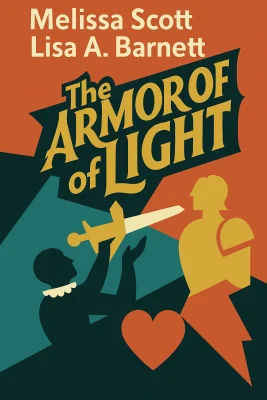
The Armor of Light
Categories
Fiction, Science Fiction, Historical Fiction, Fantasy, Science Fiction Fantasy, Historical, LGBT, Alternate History, Queer, Gay
Content Type
Book
Binding
Paperback
Year
1988
Publisher
Baen
Language
English
ASIN
0671697838
ISBN
0671697838
ISBN13
9780671697839
File Download
PDF | EPUB
The Armor of Light Plot Summary
Introduction
# From Ashes to Glory: The Rise of Kingsbridge The morning mist clung to the river like smoke from a funeral pyre as Edgar watched his world burn. Viking longships had carved through the dawn, their dragon prows hungry for English blood, leaving nothing but ash and screaming in their wake. In the coastal town of Combe, where Edgar had learned his father's trade of boat-building, flames licked at timber and thatch while the dead lay twisted in the mud. The young craftsman's hands, still steady despite the horror, pulled survivors from the wreckage, already calculating how to rebuild what the raiders had destroyed. Across the Channel in Normandy, Lady Ragna prepared for a journey that would reshape her destiny. The red-haired daughter of Count Hubert carried more than silver in her dowry chest—she bore dreams of justice and governance that would challenge the brutal realities of medieval England. Neither Edgar nor Ragna could foresee how their paths would intertwine in the shadow of cathedral spires and the smoke of burning bridges, forging a love story written in stone and sealed with blood. In this harsh world where Viking raids could destroy a lifetime's work in a single morning and corrupt bishops preyed upon the innocent, their union would birth something extraordinary—a city that would endure for centuries, rising from the ashes of their shared struggles.
Chapter 1: The Viking Storm: Destruction and New Beginnings
The dragon ships came with the tide, cutting through morning mist like death itself. Edgar had risen early to work on a new boat design, his hands shaping timber with the precision his father had taught him. The bronze bell's urgent tolling shattered the dawn silence as he spotted the raiders' approach, but his warning came too late for many. Combe burned with the fury of a forge. Edgar's father fell defending their workshop, his blood seeping into wood shavings while flames consumed a lifetime's work. The young boat-builder fought through smoke and chaos, pulling neighbors from collapsed buildings, his mind already racing beyond the immediate horror to what must come next. When the raiders finally departed, their ships heavy with plunder and captives, they left behind a wasteland of ash and grief. Standing among the ruins, Edgar felt something harden inside him. The comfortable certainties of his youth had burned away with everything else, leaving only the bitter knowledge that survival required more than skill—it demanded the will to begin again when all seemed lost. His mother Mildred, her face aged years in a single night, gathered her surviving sons around her with fierce determination. The journey upriver to Dreng's Ferry marked the end of one life and the beginning of another. Edgar carried his father's tools and the memory of flames, but also something new—a vision of buildings that could withstand any storm, bridges that could span any divide. The boy who had learned his craft in a peaceful workshop was gone, replaced by a man who understood that in this world, only the strongest structures survived.
Chapter 2: Convergence at the Ferry: Three Destinies Intertwined
Lady Ragna's ship limped into English waters battered by storms that had scattered her wedding gifts across the Channel floor. The Norman noblewoman stood at the prow, her red-gold hair whipping in the wind as England's cliffs rose from gray waters. Behind her lay Normandy's familiar shores and her father's disapproval. Ahead waited Wilwulf, the English ealdorman who had captured her heart during his diplomatic visit. At Dreng's Ferry, where Edgar now labored under the cruel ferryman's thumb, Ragna encountered the young boat-builder who would reshape her destiny. His quiet competence stood in sharp contrast to Dreng's grasping brutality, and when Edgar guided her to the island convent for proper lodging, she glimpsed something unexpected in this harsh land—decency that asked for nothing in return. Brother Aldred arrived at the ferry during his return from Normandy, his scholarly mind recoiling from the corruption he witnessed. The learned monk's disgust at the depraved local clergy gave Edgar hope that not all authority figures were cut from rotten cloth. Here was a man whose genuine faith might provide sanctuary from the moral decay that festered around them. The convergence of these three lives at the muddy crossing seemed like chance, but fate had drawn them together for purposes none yet understood. Edgar's practical genius, Ragna's noble authority, and Aldred's spiritual vision would prove a combination powerful enough to challenge bishops and reshape kingdoms. As autumn mist rose from the water, the foundations of something extraordinary were being laid in the most unlikely of places.
Chapter 3: Bridges and Betrayals: Building Against Corruption
Edgar's bridge rose from the river like a declaration of war against the old ways. Where Dreng's rotting ferry had trapped travelers at his mercy, Edgar's innovative design offered freedom—a floating span supported by flat-bottomed boats that could accommodate carts and livestock while allowing river traffic to pass beneath. The structure embodied everything Edgar had learned about balance and stress, but also something deeper—his refusal to accept that things must remain as they had always been. Bishop Wynstan watched the bridge's construction with growing alarm. Wilwulf's half-brother had built his power on controlling the flow of people and goods through his territory, and Edgar's creation threatened to upset carefully maintained arrangements. The bishop's response came with characteristic subtlety—a whispered word here, a strategic delay there, always maintaining the appearance of piety while pursuing destruction. Ragna's marriage to Wilwulf brought her face to face with the web of corruption that strangled justice in Shiring. The ealdorman's love for his Norman bride was genuine, but his dependence on Wynstan's counsel proved stronger than passion. When Ragna discovered the bishop's counterfeiting operation, her attempts to expose the truth only earned his eternal enmity. Wynstan was a master of misdirection, allowing others to take blame while he emerged seemingly innocent. The bridge's destruction came on a winter night when flames turned Edgar's masterpiece into a funeral pyre. Standing among the charred remains at dawn, Edgar felt his dreams crumble like ash between his fingers. But as he watched Aldred weep over the ruins, something crystallized in his mind. They would build again, and this time they would build to last. The boy who had fled Viking raiders was gone, replaced by a man who understood that some battles were worth fighting regardless of the cost.
Chapter 4: The Web Tightens: Love, Power, and Imprisonment
Wilwulf's head injury in battle against Welsh raiders changed everything. The once-proud ealdorman became a shadow of himself, his mind clouded and judgment impaired. Ragna found herself effectively ruling in his name while maintaining the fiction that he remained in control. It was an exhausting charade that grew more difficult with each passing day, especially as Wynstan circled like a vulture sensing weakness. The bishop saw opportunity in his brother's condition. If Wilwulf could no longer rule effectively, perhaps it was time for younger brother Wigelm to assume power. But Ragna stood in the way, her intelligence and determination making her a formidable opponent who could not be easily dismissed or intimidated. The solution, when it came, was characteristically brutal. Assassins struck on a night when the household celebrated Wilwulf's apparent recovery. The ealdorman died in his bed, throat cut, while his loyal guard fell trying to protect him. The slave girl Carwen disappeared, conveniently available to take blame for the killings. Ragna knew immediately who was responsible, but knowing and proving were different things entirely. Within hours of Wilwulf's death, Ragna found herself a widow with three young children and enemies who would stop at nothing to destroy her. Wynstan and Wigelm moved swiftly to consolidate power, seizing the treasury and declaring themselves the new rulers of Shiring. As guards dragged her from her children's arms, Ragna understood that her real education in the brutal realities of power was only just beginning.
Chapter 5: Exile and Endurance: Scattered by Tyranny
The hunting lodge where they imprisoned Ragna became a tomb for the living. Hidden deep in the forest, its existence was denied to the outside world while Wigelm visited regularly with his demands. Marry him and legitimize his rule, or watch her children suffer. When persuasion failed, he resorted to violence, using his men to hold her down while he took what he wanted. Edgar searched desperately across the countryside, following rumors and false leads in his quest to find any trace of Ragna's whereabouts. His love for her had become an obsession that consumed every waking moment. When he finally discovered the hidden prison and saw what had been done to her, his heart shattered. The vibrant woman he had loved was gone, replaced by a hollow-eyed shadow who could barely meet his gaze. Brother Aldred found himself exiled to the very monastery where Wynstan's crimes had festered. Dreng's Ferry had become a ruin in all but name, its buildings crumbling and its purpose forgotten. Yet in this desolation, the scholarly monk discovered something unexpected—freedom. For the first time in his monastic life, he answered to no superior save God himself. The child growing in Ragna's womb was proof of Wigelm's crimes, but also a trap that bound her more securely than any chain. When King Ethelred finally arrived to restore order, he faced a political dilemma. Wigelm controlled the local army and had proven useful against Viking raiders. The king needed strong leaders, not justice for one Norman woman, however noble her birth.
Chapter 6: The Reckoning: Truth Unveiled and Justice Served
The disease that would destroy Bishop Wynstan had already begun its work, though he refused to acknowledge the signs. The painful swelling on his neck, the moments of confusion that came and went like fog, the trembling in his hands—all symptoms he attributed to age rather than the shameful sickness contracted through his own appetites. Brother Wigferth's accusation in Canterbury Cathedral was a masterpiece of public humiliation. When he spoke the terrible words "lepra das pegas" before the assembled monks, Wynstan's world began its inexorable collapse. His desperate denials only confirmed what the clergy could see with their own eyes, and when he instinctively covered the telltale swelling on his throat, he sealed his own fate. Ragna's moment of reckoning came on a cold autumn night in Outhenham. Wigelm arrived drunk and dangerous, intent on another assertion of dominance over his unwilling wife. But alcohol had made him clumsy, and desperation had made Ragna strong. When he collapsed beneath her, vomit choking his throat, she faced a choice that would define the rest of her life. Her hands moved with steady purpose, closing off his breath while his eyes stared up at her in drunken confusion. This was for every night of violation, every day of imprisonment, every tear her children had shed. As Wigelm's struggles weakened and finally ceased, Ragna felt not guilt but a terrible sense of completion. The monster that had tormented her family was finally dead.
Chapter 7: Homecoming: Love Triumphant Over All Obstacles
Edgar's return from Normandy shattered his carefully constructed new life like stone through glass. The messenger's news that Ragna was free stopped his heart—the impossible had become possible, and suddenly the cathedral rising in Kingsbridge called to him with irresistible force. Some callings could not be denied, and Edgar's heart had never truly left the English shores. The journey home was fraught with storms and delays that tested his resolve. When Viking raiders forced his ship off course, Edgar feared he might never see Ragna again. But fate had not brought him so far only to fail at the final hurdle, and eventually the familiar outline of Kingsbridge appeared through the river mist like a vision of paradise. The town had grown beyond recognition in his absence. Where once a handful of buildings clustered around Dreng's ferry, now a thriving community spread across both banks of the river. His bridge still stood proud and strong, carrying merchants and pilgrims between the expanding settlements. Prior Aldred's dream of a center of learning had taken root and flourished. When Edgar saw Ragna waiting by the water's edge, the years of separation collapsed into nothing. She was older, marked by suffering and responsibility, but her beauty had only deepened with time. The woman who ran into his arms was no longer the young bride who had first captured his heart, but a proven leader who had fought for her place in the world and won.
Chapter 8: Foundation of Forever: The Birth of a New World
Their wedding in Shiring was a celebration that brought together all the threads of their long struggle. The great and powerful of western England gathered to witness the union of the master builder and the lady who had tamed the wilderness of politics through will and wisdom. Even King Ethelred sent his blessing, recognizing that this marriage would strengthen the realm's defenses against future threats. Edgar looked upon his bride and saw not just the woman he loved, but a true partner in the great work that lay ahead. Ragna's sons would become his own, and together they would build something greater than either could achieve alone. The cathedral that would rise from the foundations he had laid would stand as a monument to their shared vision of what England could become. The ceremony itself was simple but profound. No elaborate rituals could add meaning to vows that had been tested by years of separation and hardship. When they spoke their promises before God and the assembled witnesses, every word carried the weight of absolute truth. This was not a marriage of convenience or politics, but the joining of two souls who had found their completion in each other. As they kissed to seal their union, the crowd's cheers echoed across the ancient hilltop where kings had been crowned and battles decided. But Edgar heard only Ragna's whispered words of love, and saw only the future they would build together. The boy who had learned his craft in a burned-out workshop and the girl who had dreamed of justice in a Norman castle had become the man and woman who would reshape their world.
Summary
Edgar and Ragna's story became the foundation upon which a new England was built. Their love had survived the worst that a brutal age could inflict, emerging stronger for having been tested in the fires of adversity. The cathedral they would raise together would stand for centuries, its soaring arches a testament to what could be achieved when vision met determination, when the impossible was made real through the marriage of skill and unwavering resolve. The children who would play in the shadow of those rising walls inherited a world subtly but permanently changed by their parents' struggles. Justice had not come easily or without cost, but it had come at last. In Kingsbridge, where a simple ferry crossing had grown into a center of learning and commerce, the future took shape one carefully laid stone at a time, built on the unshakeable foundation of love that had conquered all obstacles and endured beyond the reach of tyrants and the ravages of time.
Best Quote
Review Summary
Strengths: The book is praised for its entertaining narrative, historical detail, and convincing characters. The integration of magic into a real historical setting is highlighted as a positive aspect. The writing is described as compelling and brilliantly executed, with a dense and intriguing plot. The alternate history concept, particularly involving Sir Philip Sidney and Christopher Marlowe, is well-received. Weaknesses: Some readers found the plot convoluted, possibly due to having two authors. The side plots and point-of-view switching were noted as less engaging. The story's pacing was considered slow to start by some. Overall: The general sentiment is positive, with readers finding the book enjoyable and intriguing. It is recommended for fans of historical fantasy, particularly those interested in alternate history narratives.
About Author

Melissa Scott
Scott delves into the intersection of speculative fiction and social issues, using her historical background to craft intricate settings that explore themes of technology and identity. Her novels often incorporate queer characters seamlessly into the narrative, highlighting diversity without making it the focal point. This method is evident in works such as "Trouble and Her Friends", where cyberpunk elements and LGBTQ+ representation coexist harmoniously. In contrast, "Shadow Man" directly engages with themes of sexuality and gender, setting it apart within her oeuvre.\n\nMelissa Scott's writing is notable for its genre-blending approach, intertwining cyberpunk, space opera, and steampunk elements. Her readers benefit from rich storytelling that challenges societal norms and expands the boundaries of science fiction and fantasy. Scott's early book, "The Game Beyond", laid the foundation for her exploration of speculative themes, while the Astreiant series, co-authored with Lisa A. Barnett, showcases her collaborative skills and ability to build compelling worlds.\n\nA multiple Lambda Literary Award recipient, Scott's work is both pioneering and influential, recognized for its integration of queer perspectives within speculative genres. Her contributions extend beyond her novels; she actively shares her insights by teaching writing and publishing guides, enriching the community with her expertise. This short bio captures the essence of an author whose narratives continue to resonate, providing readers with both escapism and reflection on contemporary issues.
Read moreDownload PDF & EPUB
To save this Black List summary for later, download the free PDF and EPUB. You can print it out, or read offline at your convenience.
The Armor of Light
by Melissa Scott
