
Doris Lessing
Lessing interrogates the complexities of societal norms and political ideologies through her diverse literary portfolio, focusing on themes of social justice, racial inequality, and psychological insight. Her works, such as "The Grass Is Singing" and "The Golden Notebook", showcase a profound examination of the human condition, often exploring the tension between individual desires and societal expectations. By incorporating speculative elements and addressing political radicalism, she offers readers a reflective lens on the fragmentation of modern life and the search for identity in turbulent times.\n\nA self-educated intellectual, Lessing’s early experiences in Southern Rhodesia and her disillusionment with the Communist Party profoundly influenced her writing, allowing her to blend personal history with broader social critiques. Her "Canopus in Argos: Archives" series, for example, utilizes science fiction to dissect human behavior and political structures. Meanwhile, her narrative style not only engages readers but also challenges them to confront uncomfortable truths about race, gender, and power dynamics.\n\nFor those exploring 20th-century literature, Lessing’s work is invaluable, offering insights into the era's political and social upheavals. As a celebrated author, she has significantly impacted literary thought, evidenced by accolades such as the Nobel Prize in Literature in 2007. Her writings remain essential reading for anyone seeking to understand the intersection of personal and political narratives, as this brief bio highlights her enduring influence on literature worldwide.
Books by Doris Lessing
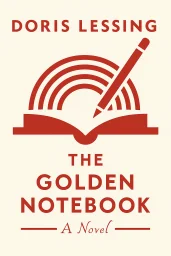
The Golden Notebook
Popular Authors

Robin Sharma
5 books

James Clear
2 books

Sarah Knight
4 books

Daniel Goleman
9 books

Stanley D. Rosenberg
1 books

Anthony Scaramucci
1 books

Niall Kishtainy
1 books

J. Richard Gott
1 books

Trevor Moawad
2 books

Mark McNeilly
1 books

Lara Love Hardin
4 books
