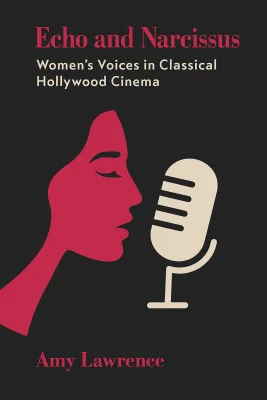
Echo and Narcissus
Women's Voices in Classical Hollywood Cinema
Categories
Film
Content Type
Book
Binding
Paperback
Year
1991
Publisher
University of California Press
Language
English
ASIN
0520070828
ISBN
0520070828
ISBN13
9780520070820
File Download
PDF | EPUB
Echo and Narcissus Plot Summary
Introduction
# Women's Voices and Sound Technology in Classical Hollywood Cinema How did the revolutionary introduction of sound technology in cinema fundamentally transform the representation of women on screen? This question reveals one of the most profound yet overlooked aspects of film history's transition from silent pictures to "talkies." When Hollywood embraced synchronized sound in the late 1920s and early 1930s, this technological leap brought far more than mere audio enhancement—it introduced a complex web of ideological assumptions about gender, voice, and authority that had been developing within sound reproduction industries for decades. This scholarly examination establishes a comprehensive theoretical framework for understanding how the seemingly neutral technology of sound recording carried profound implications for women's cinematic representation. The work demonstrates that the "problem" of the speaking woman became a recurring anxiety in American cinema, one that required increasingly sophisticated methods of suppression and control. Through detailed analysis of historical development and institutional practices, the study reveals how patriarchal ideology became embedded within the very apparatus of sound reproduction, ultimately determining not only what women could say on screen, but whether they could meaningfully speak at all.
Chapter 1: Sound Technology and the Gendered Voice
The prehistory of sound cinema reveals that gender assumptions were deeply embedded within audio technology long before the first synchronized film was produced. From Edison's phonograph invention in 1878 through the development of radio and telephone systems, sound reproduction technologies were conceived, marketed, and implemented within frameworks of Victorian gender relations that positioned women's voices as inherently problematic for public discourse. Edison's original vision for the phonograph emphasized its potential to preserve family voices and domestic scenes, yet the industry's actual development quickly revealed profound anxieties about women's speech. Early phonograph manufacturers discovered that consumers refused to purchase recordings of women talking, while female singers remained commercially viable. This crucial distinction between the speaking woman and the singing woman established a pattern that would persist throughout sound media development, creating acceptable and unacceptable categories of feminine vocal expression. The technical challenges of recording women's voices were frequently cited as evidence of their natural inadequacy for public communication. Radio executives in the 1920s declared that women's voices transmitted poorly due to their higher pitch and tonal qualities, yet subsequent research revealed that equipment had been deliberately designed to favor lower, masculine vocal ranges. The alleged technical deficiency was actually a manifestation of cultural preference disguised as scientific objectivity, demonstrating how technological standards encoded ideological assumptions about gender hierarchy. Commercial strategies employed by sound reproduction companies further reinforced these hierarchies through marketing approaches that emphasized masculine authority while marginalizing feminine expression. Early phonograph advertising featured male voices delivering speeches, professional announcements, and authoritative content, while women's voices were relegated to entertainment or domestic contexts. This commercial framework established clear boundaries about whose voices deserved preservation and whose could be considered expendable or replaceable. The ideology of mechanical neutrality surrounding sound reproduction technology masked these gendered assumptions behind claims of scientific objectivity and technical necessity. The persistent myth that recording equipment simply captured "natural" sound without mediation obscured the complex processes of selection, amplification, and editing that actively shaped how voices were heard and interpreted. This technological determinism provided seemingly neutral justification for the systematic exclusion of women's voices from authoritative public discourse, creating the foundation for cinema's later treatment of feminine speech.
Chapter 2: Patriarchal Control in Early Sound Cinema
The transition from silent films to sound cinema represented a critical moment when established visual hierarchies encountered the potentially disruptive power of women's voices. Silent film had developed sophisticated methods for containing women's speech through the segregation of dialogue into intertitles and the privileging of visual spectacle over verbal discourse. The introduction of synchronized sound threatened to upset this carefully maintained balance by giving women direct, unmediated access to audience attention and emotional response. Early sound films reveal the industry's systematic struggle to maintain patriarchal control while adapting to new technological possibilities that seemed to promise greater equality of expression. The widespread practice of dubbing foreign actresses, exemplified by cases like Anny Ondra in Hitchcock's "Blackmail," demonstrates how the female voice was literally constructed from multiple sources to meet cultural expectations rather than preserved as authentic expression. The frequent failure of synchronization in such cases exposed the artificial nature of the "unified" female subject, revealing how women's voices were assembled and manufactured rather than simply recorded. The theatrical origins of many early sound films brought established conventions for representing women's speech, yet these dramatic traditions had to be reconciled with cinema's fundamentally visual priorities and commercial imperatives. The resulting hybrid texts often featured women whose voices exceeded their prescribed narrative function, creating moments of vocal excess that threatened to disrupt the carefully controlled flow of classical storytelling. These disruptions were typically contained through various strategies of narrative recuperation that ultimately restored masculine authority. The long take, initially celebrated as a democratic form that could present men and women on apparently equal terms, ultimately served to encompass women within male-controlled spaces and discourses. While synchronized dialogue appeared to grant women the same speaking rights as men, the broader context of narrative structure, mise-en-scène, and sound design consistently positioned women's voices as subordinate to male authority and subject to masculine interpretation and control. The emergence of classical sound film conventions worked systematically to restore the primacy of the image while relegating sound to a supporting, supplementary role. This hierarchy carried particular implications for women, whose cultural association with sound and emotion positioned them as secondary to the male-dominated visual system. The "feminization" of sound as a cinematic register reinforced broader cultural assumptions about women's supportive rather than authoritative role in both artistic expression and social organization.
Chapter 3: Voice-Image Power Dynamics and Male Authority
The relationship between voice and image in sound cinema operates according to complex power dynamics that consistently privilege masculine authority over feminine expression through both technical and ideological mechanisms. The synchronization of voice and image, while appearing to create unified subjects, actually establishes hierarchical relationships in which the visual track maintains dominance over the auditory, mirroring and reinforcing broader cultural assumptions about the relationship between male authority and female subordination. The concept of the "male gaze" in cinema finds its auditory equivalent in what might be termed the "masculine ear," which determines not only what sounds are heard but how they are interpreted, valued, and integrated into narrative meaning. Women's voices in classical Hollywood cinema are consistently filtered through male perspectives, whether through the literal mediation of male characters who interpret or respond to female speech, or through the broader institutional framework that shapes how feminine vocal expression is recorded, mixed, and presented to audiences. The systematic fragmentation of women into voice and image components serves the psychoanalytic function of fetishization, allowing male spectators to maintain control over potentially threatening female subjects by reducing them to manageable parts. By separating women's physical presence from their vocal expression, classical cinema creates discrete elements that can be individually controlled, manipulated, and contained according to masculine desire and anxiety. This fragmentation is particularly evident in scenes where women's voices are heard over images of their bodies, creating deliberate splits that emphasize their status as objects of consumption rather than subjects of agency. The technology of sound recording itself becomes a sophisticated tool of patriarchal control, with microphones, recording equipment, and playback devices serving as mediators between women and their potential audiences. The apparent neutrality of this technological apparatus masks its active role in shaping how women's voices are captured, processed, and reproduced, with seemingly objective technical decisions about volume, clarity, frequency response, and spatial positioning actually reflecting and reinforcing cultural assumptions about women's proper place in public discourse. The phenomenon of the disembodied voice in cinema carries particular significance for understanding women's complex relationship to authority, knowledge, and narrative control. While male voice-over narration often carries the weight of omniscient authority and universal truth, women's disembodied voices are typically associated with mystery, seduction, pathology, or supernatural threat. This crucial distinction reflects broader cultural anxieties about women's potential access to authoritative speech and their capacity to disrupt established hierarchies of knowledge, power, and social control.
Chapter 4: Silencing Techniques and Feminine Fragmentation
The mythological figure of Echo provides a powerful and precise metaphor for understanding women's constrained position within classical Hollywood's sound system. Like Echo, who was cursed to repeat only the words of others after her own voice was taken away, women in sound films find their vocal expression systematically limited to responses, reactions, and repetitions of male-initiated discourse. This echo effect operates both literally, through technical practices like dubbing and voice replacement, and metaphorically, through narrative structures that prevent women from originating meaningful dialogue or challenging established power relationships. The deliberate fragmentation of women's voices serves multiple overlapping functions within the classical system's maintenance of patriarchal control. By separating voice from body, or by dividing speech into acceptable and unacceptable categories, cinema maintains strict oversight of potentially disruptive female expression while appearing to grant women vocal presence and agency. Women who speak too much or too boldly must be systematically silenced through various narrative and technical means, while those who remain silent must be compelled to speak, but only within carefully prescribed limits that ultimately serve masculine interests and reinforce traditional gender hierarchies. The technical apparatus of sound cinema becomes directly complicit in this fragmentation through its sophisticated ability to manipulate the relationship between voice and image in post-production processes. Techniques such as automated dialogue replacement, voice-over narration, and selective sound mixing allow filmmakers to construct idealized versions of femininity that combine visual appeal with vocal compliance, creating composite figures that serve male fantasy while systematically denying women agency over their own representation and self-expression. The recurring motif of the woman who cannot speak, whether through physical impediment, psychological trauma, or supernatural curse, literalizes the broader cultural project of silencing women's voices in public discourse. Films featuring mute heroines make explicit the connection between women's ability to vocalize and their survival within patriarchal society, suggesting that speech itself represents a form of resistance that must be carefully controlled. The eventual recovery of voice typically becomes synonymous with acceptance of traditional gender roles and submission to masculine authority, while continued silence threatens both individual women and the social order they are expected to support. The acoustic environment created by classical sound design reinforces women's subordinate position by making their voices appear to emanate from and remain contained within male-controlled spaces. Even when women do speak extensively, their words are shaped by recording conditions, mixing decisions, and playback contexts determined by male technicians and directors, ensuring that female expression remains bounded by patriarchal parameters. This technical mediation disguises itself as neutral reproduction while actively shaping the meaning, impact, and reception of women's speech in ways that serve existing power structures.
Chapter 5: Technology as Gender Hierarchy Reinforcement
The development and implementation of sound technology in cinema cannot be separated from its systematic function as an instrument of gender control and social hierarchy maintenance. From the earliest experiments with synchronized sound through the establishment of classical Hollywood conventions, audio technology has been strategically deployed to preserve and strengthen traditional power relationships that privilege male authority over female expression, using the apparent objectivity of technical standards to disguise subjective ideological choices about whose voices deserve faithful reproduction and respectful hearing. The recording studio emerges as a space of particular significance in this process of technological control, where seemingly neutral technical decisions about microphone placement, acoustic treatment, frequency response, and sound mixing actually reflect and actively reinforce cultural assumptions about women's proper vocal behavior and acceptable forms of feminine expression. The apparent objectivity of engineering standards and technical specifications masks fundamentally subjective judgments about what constitutes appropriate feminine speech, with deviations from established norms treated as technical problems requiring correction rather than expressions of individual agency or authentic self-representation. The star system's complex relationship to voice technology reveals how commercial considerations intersect with and reinforce gender ideology through the systematic promotion of female performers whose vocal qualities conform to established expectations of idealized femininity. Stars whose voices challenge these restrictive norms face significant career limitations or are subjected to technological modification through dubbing, filtering, or replacement, while those who comply with patriarchal vocal standards receive promotion and celebration. The construction of the ideal feminine voice becomes a collaborative effort involving performers, technicians, marketing executives, and audience expectations, all operating within the constraints of patriarchal assumptions about women's proper role in entertainment and society. The integration of sound technology with narrative structure creates multiple overlapping levels of control over women's expression that operate simultaneously across technical, aesthetic, and ideological registers. Advanced capabilities such as volume control, frequency filtering, spatial positioning, and temporal manipulation allow filmmakers to shape not only what women say but precisely how their words are heard, interpreted, and emotionally received by audiences. These technological interventions typically operate below the threshold of conscious awareness, shaping audience perception and response while maintaining the crucial illusion of natural, unmediated communication. The persistent myth of technological progress in sound cinema systematically obscures the ways in which advancing technical capabilities are consistently used to create more sophisticated and effective forms of control rather than greater freedom of expression or democratic access to public discourse. Each significant innovation in recording, mixing, editing, or playback technology brings expanded possibilities for shaping and constraining women's voices according to patriarchal interests, ensuring that technical advancement serves the preservation of existing power structures rather than their meaningful challenge or transformation.
Chapter 6: Vocal Resistance and Breaking Sound Barriers
Despite the systematic constraints imposed by classical Hollywood's institutional apparatus, significant moments of resistance emerge when women's voices exceed their prescribed narrative and ideological functions, threatening to disrupt carefully maintained hierarchies of power and meaning. These instances of vocal transgression reveal both the genuine potential power of uncontrolled women's speech and the intensive, ongoing efforts required to contain and neutralize that power. The very existence and sophistication of such elaborate control mechanisms testifies to the authentic threat that unrestricted feminine expression poses to patriarchal authority and social organization. The phenomenon of vocal excess occurs when women's voices carry emotional intensity, semantic complexity, or performative power that cannot be fully contained within narrative structures specifically designed to limit their disruptive impact on established meaning systems. These moments of overflow create significant textual instability that exposes the artificial, constructed nature of classical cinema's apparent seamlessness and narrative inevitability. The system's visible struggle to accommodate and ultimately neutralize these disruptions reveals the ongoing tension between women's expressive potential and institutional requirements for ideological control and social conformity. The complex relationship between women's voices and musical expression in classical cinema offers another crucial avenue for understanding both resistance and containment within the Hollywood system. While musical performance is often positioned as a more culturally acceptable form of feminine vocalization than direct speech or argument, the association of women with non-linguistic sound can also provide significant opportunities for emotional communication that bypasses rational discourse and masculine interpretive control. The persistent tension between music as acceptable feminine expression and as potential vehicle for subversive content reflects broader cultural anxieties about women's relationship to meaning, authority, and social influence. The technological apparatus itself occasionally becomes an unexpected site of resistance when its limitations, failures, or unintended consequences create spaces for feminine expression that exceed institutional control mechanisms. Moments of asynchronization, technical breakdown, acoustic accident, or equipment malfunction can reveal the fundamentally constructed nature of classical representation while providing glimpses of alternative possibilities for women's vocal presence and agency. These technological disruptions serve as important reminders that the apparent naturalness and inevitability of sound cinema's gender hierarchies are actually products of intensive labor, constant vigilance, and systematic ideological enforcement. The historical trajectory from silent films through the classical sound period and into contemporary media suggests that the ongoing struggle over women's voices in cinema reflects much broader social conflicts over gender, authority, representation, and access to public discourse. Each technological innovation and institutional development brings new possibilities for both enhanced control and creative resistance, ensuring that the relationship between women and sound technology remains a dynamic site of negotiation, contestation, and potential transformation rather than a settled resolution of competing interests and values.
Summary
This comprehensive theoretical framework demonstrates that classical Hollywood's treatment of women's voices represented a systematic, technologically sophisticated effort to contain feminine agency while maintaining the crucial illusion of equality, representation, and democratic access to cinematic expression. Sound technology, far from liberating women's voices or expanding their communicative possibilities, became an increasingly refined instrument for their control, manipulation, and ideological containment within patriarchal structures of meaning and power. The analysis reveals how seemingly neutral technical and aesthetic choices actually encoded profound ideological assumptions about gender, authority, and the fundamental right to speak and be heard in public discourse. The historical legacy of these practices extends far beyond classical Hollywood's institutional boundaries, continuing to influence contemporary media representations and shaping how women's voices are valued, interpreted, and controlled across multiple forms of cultural production. Understanding these deeply embedded patterns provides essential insight into ongoing struggles for authentic feminine expression and the persistent structural challenges facing women who seek to speak with genuine authority and transformative power in patriarchal societies.
Best Quote
About Author

Amy Lawrence
Lawrence delves into the intersection of film and gender in her academic work, focusing on how women's voices are represented in classical Hollywood cinema. Her books, such as "Echo and Narcissus: Women's Voices in Classical Hollywood Cinema," delve into the portrayal of women on screen, scrutinizing the narratives that shape female characters and their impact on audiences. By connecting these themes, Lawrence's work highlights the ongoing dialogue between film studies and gender discourse, encouraging readers to consider how cinematic narratives influence societal perceptions of women.\n\nBeyond her contributions as an author, Lawrence's expertise extends to her teaching role at Dartmouth College, where she mentors students in Film and Television Studies. This dual role of author and educator amplifies her influence, allowing her to shape the critical perspectives of aspiring scholars in the field. Her analytical approach serves as a guide for those interested in understanding the complexities of gender dynamics in media, offering tools to critically assess films from a socio-cultural standpoint. Her bio reflects a commitment to bridging academic theory with real-world media analysis, thus enriching the field of film studies.
Read moreDownload PDF & EPUB
To save this Black List summary for later, download the free PDF and EPUB. You can print it out, or read offline at your convenience.

Echo and Narcissus
by Amy Lawrence
