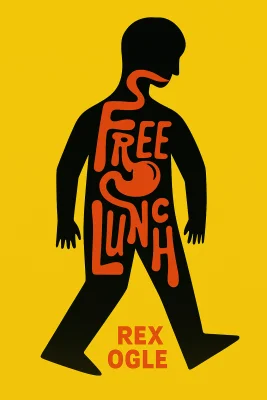
Categories
Nonfiction, Biography, Memoir, Audiobook, Family, Biography Memoir, Abuse, Realistic Fiction, Middle Grade, Poverty
Content Type
Book
Binding
Hardcover
Year
2019
Publisher
Norton Young Readers
Language
English
ASIN
132400360X
ISBN
132400360X
ISBN13
9781324003601
File Download
PDF | EPUB
Free Lunch Plot Summary
Introduction
The sting of public shame can be felt most acutely during childhood, when the simple act of purchasing lunch becomes a daily reminder of one's place in the social hierarchy. For many children living below the poverty line, school cafeterias transform from spaces of nourishment into arenas of embarrassment, where the difference between paying customers and free lunch recipients creates invisible but deeply felt divisions. This young boy's story illuminates the complex emotional landscape of growing up poor in America, where basic needs intersect with profound questions of dignity and belonging. Through the eyes of a sixth-grader navigating middle school while his family struggles with unemployment, domestic violence, and housing instability, we witness the daily challenges that millions of American children face in silence. His journey reveals not only the harsh realities of economic hardship but also the remarkable resilience of the human spirit, the complicated dynamics of family love under stress, and the small acts of kindness that can sustain hope in the darkest moments. This is ultimately a story about finding strength in vulnerability and discovering that true worth cannot be measured by the contents of one's wallet.
Chapter 1: The Shame of Free Lunch
The lunch line becomes a daily gauntlet of humiliation, where whispered words about the "Free Lunch Program" mark students as different, lesser, worthy of pity or scorn. Every day brings the same dreaded ritual: approaching the cashier with a tray full of food, knowing that the transaction will reveal his family's economic status to anyone within earshot. The elderly cashier's inability to remember his name despite months of daily interactions adds another layer of indignity to the process, making him feel invisible even as he's forced to announce his poverty. The weight of this shame extends far beyond the cafeteria. It influences where he sits, whom he befriends, and how he navigates the complex social hierarchies of middle school. The red folder containing the names of free lunch recipients becomes a symbol of his otherness, a constant reminder that while his classmates casually hand over crumpled dollar bills, he must declare his family's need for government assistance. What makes this shame particularly cruel is its daily repetition. Unlike other childhood embarrassments that fade with time, the lunch line humiliation is inescapable, a recurring reminder of circumstances beyond his control. Yet within this struggle lies the seed of a deeper understanding about dignity, worth, and the arbitrary nature of social hierarchies that will serve him throughout his life.
Chapter 2: Family Dynamics and Domestic Violence
Home offers no refuge from the struggles of school life. Instead, it presents a different set of challenges as his mother and stepfather's relationship cycles through periods of financial stress, explosive arguments, and physical violence. The young boy becomes both witness to and casualty of this domestic turmoil, learning to read the warning signs of his mother's mood swings and his stepfather's building rage. His mother's mental health struggles manifest in unpredictable ways, from destroying groceries in fits of pride-wounded fury to sobbing breakdowns over spilled milk. These episodes reveal a woman overwhelmed by circumstances, her capacity for nurturing love constantly undermined by the stress of poverty and an abusive relationship. The boy finds himself alternately protecting his mother and being protected from her, never sure which version of her he'll encounter when he walks through the door. The stepfather's presence adds another volatile element to the household. His physical abuse and verbal cruelty create an atmosphere of constant tension, where the wrong word or gesture can trigger violent outbursts. Yet the boy also witnesses moments of tenderness from this troubled man, complicating simple narratives of victim and victimizer. These contradictions force him to develop a sophisticated understanding of human nature, recognizing that people can be simultaneously cruel and caring, damaged and damaging. Through it all, his fierce love for his toddler brother provides both motivation and heartbreak. Protecting Ford from the worst of the family's dysfunction becomes a driving force, even as he recognizes his own limitations as a child trying to shield another child from adult problems.
Chapter 3: Finding Identity Among Peers
The social landscape of middle school proves treacherous for someone trying to hide his family's poverty. Former friendships strain as economic differences become more apparent, and new alliances form around shared interests rather than shared circumstances. His friendship with Liam, once effortless and natural, becomes complicated by Liam's participation in football and his casual attitude toward money and possessions. The discovery of Ethan, a quirky outsider with his own family struggles, provides unexpected solace. Their lunch table conversations about comic books and conspiracy theories offer intellectual stimulation and genuine connection, proving that friendship can transcend economic circumstances when built on mutual respect and understanding. Ethan's willingness to accept him without judgment creates a space where he can begin to separate his self-worth from his family's financial status. These peer relationships become laboratories for testing different versions of himself. With some friends, he must carefully maintain facades and navigate social expectations he cannot meet. With others, like Ethan, he can begin to explore authenticity and vulnerability. The contrast between these experiences teaches him valuable lessons about the difference between surface-level popularity and meaningful connection. The pressure to fit in leads to moments of moral compromise and ethical questioning. Whether it's laughing along with cruel jokes about other students or struggling with the temptation to steal, he confronts the ways that social pressure can corrupt one's values. These experiences force him to develop his own moral compass rather than simply following the crowd.
Chapter 4: The Burden of Financial Instability
Money permeates every aspect of daily life, from the anxiety of grocery shopping with food stamps to the humiliation of items being repossessed from their home. The family's financial situation creates a constant state of emergency, where basic needs compete with each other in an endless game of resource allocation. His mother's calculations about which bills to pay and which to ignore reveal the impossible mathematics of poverty. The pawn shop visits provide stark education in the temporary nature of material possessions. Watching cherished items disappear into the hands of strangers teaches hard lessons about the difference between wants and needs, though it also breeds resentment about the sacrifices poverty demands. The loss of his boom box, a gift from his absent father, crystallizes the way financial instability can strip away not just objects but memories and connections. Government assistance programs, while providing crucial support, come with their own emotional costs. The Section 8 housing that provides their roof also labels them as recipients of charity, adding another layer of shame to their already complicated circumstances. The boy must learn to navigate the bureaucracy of poverty while maintaining his sense of dignity and hope for the future. These financial pressures force premature maturity, requiring him to understand concepts like bankruptcy, eviction, and credit that most children never encounter. Yet this early exposure to harsh economic realities also builds resilience and resourcefulness that will serve him throughout his life.
Chapter 5: Moments of Joy Amid Struggle
Despite the pervading difficulties, genuine moments of happiness pierce through the gloom. The family's rare outings to restaurants become treasured adventures, where the simple act of ordering from a menu feels luxurious. His grandmother's visits bring not only material gifts but emotional sustenance, offering glimpses of unconditional love and stability that he desperately needs. Christmas morning, despite the modest pile of presents, transforms their apartment into a space of genuine warmth and connection. The joy on his little brother's face while playing with new toys reminds him that happiness doesn't require wealth, just love and attention. These moments of family harmony, however brief, sustain him through the darker times. School becomes a sanctuary where he can excel academically and explore his interests in art and literature. The praise from teachers and the satisfaction of good grades provide evidence of his worth that transcends his economic circumstances. His growing friendship with Ethan offers intellectual stimulation and the rare experience of being accepted completely as himself. Small acts of kindness from unexpected sources punctuate his daily struggles. A teacher's gentle correction that becomes a learning moment, a cafeteria worker's smile, or a neighbor's casual generosity remind him that compassion exists even in difficult circumstances. These interactions plant seeds of hope that will eventually bloom into a more optimistic worldview.
Chapter 6: Learning to Forgive and Understand
As he matures emotionally, the boy begins to see his family's struggles through a more compassionate lens. His mother's erratic behavior starts to make sense as the product of overwhelming stress rather than inherent cruelty. Her pride-driven rejection of help reveals itself as a desperate attempt to maintain dignity in impossible circumstances. This understanding doesn't excuse her harmful actions, but it provides context that allows for eventual forgiveness. His stepfather's violence and verbal abuse remain inexcusable, yet he begins to recognize the man's own pain and limitations. The stepfather's struggles with employment and self-worth don't justify his behavior, but they help explain it. This nuanced understanding of human complexity becomes a crucial life skill, allowing him to navigate relationships with greater empathy while still maintaining appropriate boundaries. The boy's evolving relationship with his absent father also deepens in complexity. The annual visits and modest child support payments represent both connection and abandonment, forcing him to hold contradictory feelings simultaneously. Learning to accept this complexity rather than demanding simple answers becomes another marker of emotional growth. Perhaps most importantly, he learns to forgive himself for the anger and resentment he feels toward his family. Recognizing that his emotions are natural responses to difficult circumstances allows him to process his experiences without the additional burden of guilt. This self-compassion becomes the foundation for his eventual healing and growth.
Chapter 7: Hope Beyond Circumstances
The boy's journey reveals that hope can survive even the most challenging circumstances. His academic success and artistic interests point toward possibilities beyond his current situation. The books he devours and the stories he creates become windows into different worlds, expanding his imagination beyond the limitations of poverty. His developing friendship with Ethan demonstrates that authentic connections can transcend economic differences. Their shared interests in comic books and philosophy prove that intellectual curiosity and emotional intelligence matter more than material wealth. This friendship becomes a bridge to a different understanding of human worth and potential. The gradual improvement in his family's situation, marked by his mother's new job and their move to better housing, suggests that circumstances can change. While poverty's effects run deep, they need not be permanent. His family's resilience in the face of adversity plants seeds of optimism that will sustain him through future challenges. Most significantly, his growing understanding of himself as separate from his circumstances allows him to envision a different future. The realization that his worth isn't determined by his family's financial status or his eligibility for free lunch becomes a crucial turning point. This shift in perspective, from victim to survivor to someone capable of transcending his origins, represents the true victory of his young spirit over adverse circumstances.
Summary
This young boy's story illuminates a fundamental truth: that human dignity and potential cannot be measured by economic circumstances, though poverty's wounds run deep and heal slowly. His journey through the shame of free lunch lines and domestic chaos reveals how resilience grows not from the absence of struggle, but from learning to find worth and hope within it. For anyone facing similar challenges, his experience offers both validation and inspiration. The path from poverty need not be traveled alone, and the shame that accompanies financial hardship need not define one's future. Most importantly, his story reminds us that understanding and compassion—both for others and ourselves—can transform even the most painful experiences into sources of strength and wisdom.
Best Quote
“No child should feel alone. Or ashamed. Or worthless. They need to know that their circumstances are not their fault.” ― Rex Ogle, Free Lunch
Review Summary
Strengths: The book is narrated by Rex himself, providing an honest and realistic portrayal of how poverty impacts families, particularly children. Rex's journey through 6th grade is marked by significant life lessons, self-discovery, and the development of resilience. His ability to discern true friendships and his determination to do good despite adversity are highlighted as positive aspects. Weaknesses: The review criticizes the book's language, including profanity and derogatory terms, which may be inappropriate for middle-grade readers. The portrayal of domestic violence and negative character traits, particularly from Rex's mother, is seen as potentially too intense for younger audiences. Some issues remain unresolved, particularly concerning Rex's mother's behavior. Overall: The reviewer expresses a mixed sentiment, acknowledging the book's compelling narrative but cautioning against its suitability for younger readers due to mature content.
About Author

Rex Ogle
Ogle reframes personal adversities into compelling narratives that resonate across diverse audiences. Drawing from his own experiences with poverty, domestic violence, and identity, his works tackle themes that are both deeply personal and universally relatable. As an award-winning author, he navigates multiple genres and formats, from graphic novels to memoirs, while maintaining a distinctive voice. His approach to storytelling is characterized by its authenticity and emotional depth, inviting readers to engage with challenging subjects through an empathetic lens.\n\nIn his notable book, "Free Lunch," Ogle delves into the trials of his childhood, exploring themes of food insecurity and resilience. This memoir not only won the YALSA Award for Excellence in Non-Fiction but also established Ogle's presence as a powerful voice in contemporary literature. His method of reimagining classic literature as graphic novels under the pseudonym Rey Terciero further exemplifies his innovative approach, as seen in works like "Meg, Jo, Beth, & Amy." By infusing traditional stories with modern, diverse characters, he broadens their appeal for young adult readers. Readers benefit from Ogle's ability to illuminate complex issues with clarity and compassion, making his work both an educational and emotional experience.\n\nOgle's impact extends beyond individual books; his storytelling fosters empathy and understanding among readers of all ages. His contributions have been recognized with numerous accolades, including a nomination for the GLAAD Media Award for his graphic novel "Northranger." Through his writing, Ogle not only shares his own story but also empowers others to find strength in their own narratives, thereby enhancing the literary landscape with stories that are as enlightening as they are engaging.
Read moreDownload PDF & EPUB
To save this Black List summary for later, download the free PDF and EPUB. You can print it out, or read offline at your convenience.
Free Lunch
by Rex Ogle
