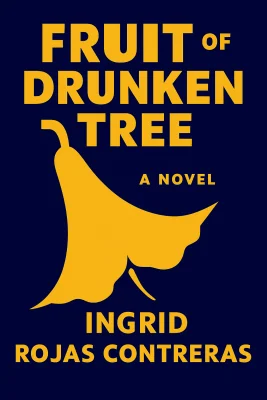
Fruit of the Drunken Tree
Categories
Fiction, Audiobook, Historical Fiction, Book Club, Historical, Contemporary, Coming Of Age, Adult Fiction, Literary Fiction, Latinx
Content Type
Book
Binding
Hardcover
Year
2018
Publisher
Doubleday
Language
English
File Download
PDF | EPUB
Fruit of the Drunken Tree Plot Summary
Introduction
# Shadows of the Drunken Tree: Innocence in the Time of Escobar The white trumpet flowers of the Drunken Tree swayed in Bogotá's thin air, their sweet perfume masking a deadly secret. Seven-year-old Chula Santiago pressed her face against the iron bars of her bedroom window, watching the empty lot where she had named two grazing cows after her parents. Beyond the manicured lawns of their gated neighborhood, the orange hills of the invasión sprawled like a wound against the sky, where the displaced and desperate carved homes from the city's discarded dreams. It was 1993, and Pablo Escobar's war had turned Colombia into a graveyard of good intentions. Presidential candidates fell to assassins' bullets, car bombs exploded in familiar streets, and families like the Santiagos learned that privilege was just another word for a prettier cage. When thirteen-year-old Petrona arrived at their gate with nothing but a brown suitcase and secrets darker than her amber eyes, she brought with her the dust of those distant hills and a choice that would shatter two worlds. In this country where childhood ended with the first gunshot and trust became a luxury few could afford, a maid and her employer's daughter would discover that survival sometimes requires betraying the people you love most.
Chapter 1: The Girl from the Hills: Petrona's Arrival and the Seeds of Trust
Petrona stood at the Santiago gate like a question waiting for an answer. Her yellow dress hung to her ankles, and her hair was cropped short as a boy's, making her look younger than her thirteen years. When she spoke, it was in syllables counted on fingertips, never more than six at a time, as if words themselves were dangerous currency she couldn't afford to waste. Chula and her older sister Cassandra watched from behind the white pillars as their mother Alma welcomed this new addition to their household. The last maid had been fired for spitting in coffee. The one before that had tried to kidnap Cassandra years ago. But Petrona seemed different, fragile as tissue paper yet somehow unbreakable, carrying herself with the careful stillness of someone who had learned early that drawing attention could mean death. Alma led Petrona to the Drunken Tree first, whispering warnings about its poison while the girl stared at the swaying blossoms with something like recognition. The neighbors had tried for years to force them to cut it down, knowing its seeds were used to make burundanga, the drug that stole free will and turned victims into willing accomplices to their own destruction. But Alma kept the tree, perhaps understanding that in Colombia, beauty and poison often grew from the same root. Later, when Petrona sat motionless in her small room listening to men sing over soft guitars on her radio, Chula pressed her nose to the window and wondered what thoughts moved behind those amber eyes. Sometimes Petrona looked like a saint carved from stone. Other times, like a girl drowning in silence, her gaze fixed on the orange hills where her real life waited like a loaded gun.
Chapter 2: Witnessing History: Galán's Assassination and the End of Hope
The night they went to see Luis Carlos Galán speak, Chula drew fat hearts on her cheeks with red lipstick and helped make a poster spelling out the presidential candidate's name. Alma was completely infatuated with Galán, covering her bedroom windows with his campaign posters until the room glowed red with his repeated image, hair wild with static, mouth open mid-shout, promising to clean the corruption from Colombia's government like soap washing blood from stone. The rally felt like a carnival at first. Salsa music blared from overhead speakers as crowds danced on sidewalks, waving little red flags and chanting Galán's name like a prayer that might actually be answered. When the white truck appeared carrying the man himself, he seemed to stare directly at Chula through the tunnel of dancing adults, his dark suit immaculate, his red tie bright as fresh blood, his hand raised in what she would later realize was goodbye. Then the gunshots cracked through the air like breaking bones. Chula threw herself toward the pavement as screams erupted around her, someone's boot crushing her small hand as hundreds of people trampled over bottles and flags in their desperate flight. Through the chaos, one voice cut clear as a blade: "They killed him! They killed him! Sons of bitches, they killed him!" Alma appeared like an avenging angel, snatching her daughters by their shirt collars and dragging them through the stampede. They drove home in absolute darkness, the mountains invisible but felt, their car floating like a ghost through winding roads while the radio crackled with static and lies about Galán fighting for his life in a hospital. But Alma knew better. "Galán is dead," she whispered, and Chula understood that Colombia's brightest hope now lay in a coffin, leaving them all orphans in Pablo Escobar's kingdom of fear.
Chapter 3: Seeking Refuge: Flight to El Salado and the Illusion of Safety
The newspaper printed safe routes for holiday travel, marking guerrilla territories with small armed figures like a children's game where all the players carried real guns. Antonio studied the map while driving, his hands shaking slightly as he navigated between zones controlled by different factions, each one a small country with its own laws written in bullets and blood. They were fleeing to Abuela María's house in El Salado, where the old woman ran a small store and cursed her departed husband from her rocking chair each afternoon. The town squatted at the end of a dirt road like a portal between worlds, the forest hills rising behind, the invasión sprawling ahead with its adobe houses and auto shops where men rose from chess games to flex muscles and stare at their city car with its rust-free paint and clean license plates. The heat was merciless, pressing down like God's angry palm. Chula spent her days burning in the sun until she gasped, then dumping buckets of cold water over herself in Abuela's makeshift shower. The shock of cold after hot brought a kind of anxious joy, a feeling of being intensely alive that cut through her worries about dead girls in red shoes and Pablo Escobar's face smiling from wanted posters. But even in this refuge, violence followed them like a faithful dog. One morning, Abuela took the children on the forest path to buy groceries when helicopters appeared through the canopy, their rotors churning the air into a devil wind that lifted leaves and sent them spinning. Guerrillas burst from the bushes, machine guns pressed to their chests, faces painted green for camouflage, and the helicopters dove and fired while Abuela threw herself over the children behind a thorny bush, their small bodies pressed into the earth as bullets sparked off rocks and trees exploded into splinters above their heads.
Chapter 4: Between Two Worlds: Drought, Darkness, and Growing Bonds
Back in Bogotá, the drought arrived like a biblical punishment. Rivers steamed away to leave fish bones and shells, forests burst into flames visible from their bedroom windows, and the government instituted rolling blackouts that divided the city into colored zones on newspaper maps. The Santiago house fell into the yellow zone, eight hours without electricity each day, a grand shutting down of things that sent the family scrambling to collect water in buckets and bottles whenever the taps ran. Alma called Petrona back, offering higher wages and a permanent room. The girl returned looking healthier, her skin rosy and her weight restored, but there was something different in her amber eyes, a wariness that hadn't been there before. She moved through the house like a cat, silent and careful, jumping at unexpected sounds and breaking Alma's pretty vases with her feather duster as if her hands had forgotten how to hold beautiful things without destroying them. During the blackouts, the family gathered by candlelight while Alma taught Petrona to read using Chula's old textbooks. Petrona twirled her pencil in her short hair and struggled with simple words, but she listened with rapt attention when Alma dispensed advice about men and power. "Never owe anybody anything," Alma warned, her voice carrying the weight of hard experience, "least of all the man you are with. That's how you'll remain in power." Chula found ways to communicate with Petrona through coded drawings and small gifts, pretty rocks from school, cut flowers, apples with hearts carved into their skin. She discovered Petrona had a tiny television that ran on batteries, and they would huddle together under blankets watching telenovelas about accordion players who dueled with the devil and womanizers who chased women through cobblestone streets, both of them learning about love from stories that always ended in tears.
Chapter 5: Bruises and Secrets: Petrona's Double Life Revealed
The morning Petrona returned with her left eye swollen shut and her lip split open, Chula knew immediately that no bus accident had caused such damage. The bruises bloomed in shades of black and gray and red, the swollen flesh so distended that her eyelashes disappeared completely, transforming half her face into something alien and terrible. Alma sat her down in the living room and pressed sliced potatoes to the wounds while Petrona insisted she had fallen getting off a bus, her voice carrying the desperation of someone whose life depended on the lie. "A bruise like that can only come from a man's fist," Alma said, but Petrona maintained her story with the fierce loyalty of someone protecting something more precious than her own safety. As they tended to Petrona's wounds with medical tape and peroxide, Chula watched the girl's jaw move soundlessly, as if she were trying to tell them what had really happened but the words were trapped behind her teeth like birds in a cage. The bruises changed color over the following days, deep wine red and yellow, with vivid tones of green and purple that were almost beautiful, like a firework frozen in flesh. Chula began to notice other things, the way Petrona would tense when footsteps approached the house, how she would stare out the window toward the hills as if expecting someone to appear. Sometimes at night, when she thought everyone was asleep, Petrona would sit in her room with bite marks on her hands where she had gnawed at her own flesh, the Spirit of Holy Fear settling into her bones like an infection that no amount of prayer could cure.
Chapter 6: The Betrayal: Kidnapping, Choice, and the Price of Survival
The morning everything unraveled started like any other. Chula and Cassandra decided to skip school, following Petrona through streets that seemed suddenly too empty, too quiet, as if the city were holding its breath. They ended up at a small bakery where an old woman kneaded dough with flour-covered hands, her movements mechanical and soothing until the moment Gorrión appeared. He was young, maybe seventeen, with an afro and soft hands that had never known honest work. When he grabbed Cassandra by the throat, his mask of civility slipped completely, revealing the cold calculation underneath. The girls ran, but Chula found herself alone on empty streets, her heart hammering against her ribs like a caged bird desperate for escape. When the car pulled up beside her, Petrona sat in the passenger seat like a statue, her face turned away as the bearded man dragged Chula toward the trunk. The betrayal cut deeper than any physical wound, this girl she had trusted, had grown to love like a sister, delivering her to men whose intentions she could only imagine in nightmares. The trunk slammed shut, and darkness swallowed her whole while cumbia music drowned out her screams. But something broke in Petrona at the last moment. When Chula managed to escape, gasping and panicked on a street corner, it was Petrona who knelt beside her, tears streaming down her bruised face, begging for forgiveness in a voice raw with anguish. The girl who had been forced to choose between her own family's safety and Chula's life had found a third option, one that would cost her everything she had left to lose.
Chapter 7: Exile and Return: Rebuilding from the Fragments of Loss
Alma's rage was volcanic when she discovered the rifle hidden under Petrona's mattress. The weapon lay there like a sleeping snake, loaded and waiting, its presence transforming every memory of kindness into potential deception. Had Petrona planned to use it against them, or had she been preparing to defend them? The question would haunt them all, unanswered and unanswerable. The phone calls began soon after Petrona disappeared into the hills like smoke. Voices crackling through the receiver, promising to send Antonio's body parts through the mail, to take the girls next. The guerrillas had been watching the family through Petrona's eyes, learning their routines, their weaknesses, their love for each other. That love, which had once been their greatest strength, had become the weapon pointed at their hearts. When the small white box arrived with "BIOHAZARD" stamped on its sides, they knew what it contained before opening it. Two of Antonio's fingers, reduced to ash, proof that the man who had once lifted Chula onto his shoulders was now a commodity in someone else's war. The ashes went into Alma's pillow, where she could sleep on what remained of her husband's sacrifice. Years later, when Antonio finally returned from the jungle, he was a stranger wearing her father's face, hollowed out by captivity and marked by survival's brutal mathematics. His missing fingers were smooth stumps, and his eyes held depths that Chula couldn't fathom. The letter from Petrona arrived like a ghost made of paper and ink, showing her with Gorrión and a child, all of them standing in front of a small house with a garden where she grew cabbages and tried to find peace in the soil of her choices.
Summary
In the end, they were all refugees from their former selves. Antonio carried ghosts in his eyes, Alma learned to paint fingernails instead of managing a household, and Cassandra threw herself into American dreams with the desperation of someone trying to outrun her own shadow. Only Chula remained suspended between worlds, her memories a bridge connecting the girl she had been to the woman she was becoming. The Drunken Tree had taught them all its lesson, that beauty and poison often grow from the same root, that survival sometimes requires betraying the people we love most. Petrona had eaten its fruit and lost her memory, then found it again only to discover that some knowledge cuts too deep to keep. In their exile, they learned to forget selectively, to carry only the memories that didn't draw blood. The rest they left buried in Colombian soil, along with the innocence that died the day Pablo Escobar's war came knocking at their door, demanding payment in the currency of broken hearts and shattered trust.
Best Quote
“I wanted to yell at the television like Mama and Papa, but I had to learn how to properly do it. I gathered that being a mouse was better than being a mosquita muerta, and being a snake was better than being a man, because flies pretending to be dead could be crushed, mice were shy, and men were persecuted; but everybody always avoided snakes.” ― Ingrid Rojas Contreras, Fruit of the Drunken Tree
Review Summary
Strengths: The review highlights Ingrid Rojas Contreras's storytelling prowess, particularly her ability to seamlessly switch perspectives between two narrators, Chula and Petrona. The novel's setting in 1990s Colombia during a period of violence and turmoil is vividly depicted, drawing parallels to real historical events. The narrative's emotional depth and the author's personal connection to the story are also praised, suggesting a rich, immersive experience akin to appreciating a complex work of art. Overall: The review conveys a highly positive sentiment, recommending "Fruit of the Drunken Tree" as a compelling and enduring read. The novel's blend of fiction with real-life events and its exploration of universal emotions through diverse perspectives are particularly commended.
About Author

Ingrid Rojas Contreras
Contreras delves into the complexities of Colombian history and identity through a richly woven tapestry of themes including family, ancestry, and the lingering impacts of colonialism. Her writings often delve into the worlds of women and marginalized cultures, drawing from her own experiences of growing up amid political turmoil in Colombia during the 1980s and 1990s. By incorporating elements of magic realism, indigenous spirituality, and family lore, she crafts narratives that explore the intersections of personal and collective history, centering on truth-telling, the politics of power, and the cultural dislocations of migration.\n\nReaders of Contreras's works benefit from her ability to blend fiction and nonfiction, offering intimate, layered storytelling that resonates with those interested in the effects of generational trauma and the nuances of identity. Her debut novel, "Fruit of the Drunken Tree," paints a vivid picture of life in 1990s Bogotá, while her memoir, "The Man Who Could Move Clouds," uses indigenous wisdom and supernatural curandero traditions to reflect on memory and healing. These books have not only captured critical acclaim, with recognitions like a silver medal from the California Book Awards and a Pulitzer Prize finalist spot, but they also invite readers to reflect on broader themes of reconciliation with one's roots.\n\nThe impact of Contreras's writing extends beyond the page, influencing academic discourse as she shares her expertise in fiction through teaching roles at the University of San Francisco and Saint Mary's College of California. Her commitment to exploring themes of identity and cultural memory makes her work an essential resource for readers and scholars alike, enriching the Latinx literary landscape and providing a profound connection to Colombian heritage. This bio of the author encapsulates her journey and contributions, underscoring her significance in contemporary literature.
Read moreDownload PDF & EPUB
To save this Black List summary for later, download the free PDF and EPUB. You can print it out, or read offline at your convenience.
Fruit of the Drunken Tree
by Ingrid Rojas Contreras
