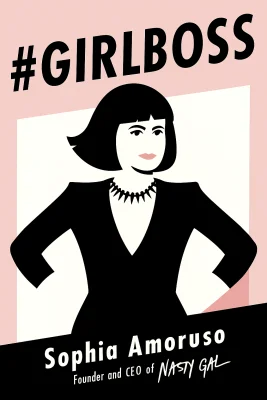
#Girlboss
Categories
Business, Nonfiction, Self Help, Biography, Memoir, Audiobook, Feminism, Personal Development, Autobiography, Fashion
Content Type
Book
Binding
Hardcover
Year
2014
Publisher
Portfolio
Language
English
ASIN
039916927X
ISBN
039916927X
ISBN13
9780399169274
File Download
PDF | EPUB
#Girlboss Plot Summary
Introduction
Picture this: a twenty-two-year-old college dropout sits in her tiny studio apartment, surrounded by vintage clothes and shipping boxes, with no idea that she's about to build a hundred-million-dollar empire. Sophia Amoruso didn't fit the traditional entrepreneur mold. She'd been fired from multiple jobs, struggled in school, and once lived as what she calls a "dumpster-diving anarchist." Yet from this unlikely beginning emerged one of the most inspiring business success stories of our generation. This book chronicles an extraordinary transformation from society's margins to the corner office, revealing how unconventional paths can lead to remarkable destinations. Through raw honesty and hard-won wisdom, we discover that our perceived weaknesses might actually be our greatest strengths. The journey from misfit to magnate isn't just about business success—it's about embracing authenticity, learning from failure, and refusing to let others define your potential. These pages offer hope to anyone who's ever felt like they don't belong, proving that sometimes the most unlikely candidates become the most unstoppable forces.
Chapter 1: The Rise of Nasty Gal: Turning $50 into $100 Million
The Nasty Gal empire began not with a grand business plan or venture capital, but with a hernia and a boring security guard job. Sophia needed health insurance to treat her condition, so she took a position checking student IDs at an art school. With hours of downtime and internet access, she noticed MySpace users promoting vintage clothing stores and thought, "I could do this too." Armed with fifty dollars and zero business experience, she launched a small eBay store called Nasty Gal Vintage, naming it after her favorite Betty Davis funk album. What started as a way to pay rent quickly evolved into something extraordinary. Sophia's approach was different—while other vintage sellers used amateur photos and basic descriptions, she treated each item like a fashion editorial. She recruited beautiful, tattooed models through MySpace, photographed clothes in her garage, and wrote compelling product descriptions that told stories. When a Chanel jacket she bought for eight dollars sold for over fifteen hundred, she realized she was onto something bigger than just paying bills. The early days were grueling. Sophia would wake up at dawn to hit estate sales, racing elderly collectors to find hidden treasures. Back home, she'd spend hours steaming, photographing, and listing items while living on Starbucks chai lattes and Burger Road meals. Her dedication to every tiny detail—from perfectly straight shipping labels to personalized thank-you notes—created an experience that made customers feel special. This obsessive attention to quality and customer care became the foundation upon which a retail empire would rise. This story reveals a fundamental truth about building something meaningful: success rarely follows the expected path. Sometimes our most desperate circumstances create our greatest opportunities. When you combine genuine passion with relentless work ethic and authentic connection to your audience, magic happens. The distance between fifty dollars and one hundred million isn't measured in money—it's measured in thousands of small, excellent decisions made with love and intention.
Chapter 2: Embracing Failure: How Odd Jobs and Missteps Shaped Success
Before becoming a CEO, Sophia collected jobs like some people collect stamps—briefly and with little attachment. Her resume read like a tour through minimum-wage America: sandwich artist at Subway, bookstore clerk at Borders, shoe salesperson at orthopedic stores, plant nursery worker, and briefly, a restaurant server who quit after one disastrous day. Each job ended the same way: boredom setting in, followed by her inevitable departure. Her chronic lateness and inability to fake enthusiasm for work she didn't care about made her seem unemployable. Yet these "failures" were actually education in disguise. At Subway, she learned the satisfaction of craftsmanship while perfecting cookie-baking techniques. At Borders, she discovered customer service principles that would later serve her well—saying "yes" instead of "sure," offering to check rather than saying "I don't know," and always apologizing when customers were disappointed, even when it wasn't her fault. Every terrible job taught her something valuable about work, people, and herself. The pattern became clear: Sophia wasn't failing at jobs because she was lazy or incompetent. She was failing because she hadn't found work that engaged her whole self. These experiences taught her what she definitely didn't want, which proved just as valuable as knowing what she did want. When she finally found her calling with Nasty Gal, she brought every lesson from every awful job to bear on building something extraordinary. This journey illustrates that there's no such thing as wasted experience when you're paying attention. Every rejection, every termination, every moment of feeling like you don't fit is actually data about who you are and what you're meant to do. The key is staying curious rather than bitter, learning rather than just enduring. Sometimes the most circuitous path leads to the most interesting destination.
Chapter 3: The Art of Authenticity: Building a Brand on Your Own Terms
While fashion industry insiders were following prescribed formulas and focus groups, Sophia built Nasty Gal by trusting her own instincts and staying true to her unconventional vision. She refused to create another generic fashion brand that made women feel inadequate. Instead, Nasty Gal celebrated the weird, the bold, and the unapologetically individual. The brand's voice was conversational, irreverent, and real—like talking to your coolest, most encouraging friend who happened to have impeccable style. This authenticity extended to every aspect of the business. When other companies used professional models who looked nothing like their customers, Sophia featured real women with tattoos, unique faces, and genuine personality. Her product descriptions read like personal recommendations rather than corporate marketing copy. On social media, she engaged directly with customers, responding to comments and sharing behind-the-scenes moments that made the brand feel human rather than corporate. The risk of being authentic was real—not everyone would connect with Nasty Gal's edgy aesthetic or irreverent tone. But those who did connect became not just customers, but evangelists. They felt seen and understood by a brand that celebrated rather than tried to change them. This created the kind of fierce loyalty that money can't buy but authenticity can earn. Building a brand on authenticity requires courage because it means accepting that you won't appeal to everyone. But the alternative—trying to be everything to everyone—usually results in being nothing to anyone. When you have the courage to be genuinely yourself, you attract people who appreciate that authenticity. In business as in life, your weirdness might just be your greatest strength.
Chapter 4: Money Matters: Financial Wisdom for the Ambitious Outsider
Sophia's relationship with money evolved dramatically from her anarchist days of dumpster diving and shoplifting to becoming a multimillion-dollar CEO. This transformation wasn't just about earning more—it was about fundamentally changing her understanding of what money represents. She discovered that money isn't inherently evil or shallow; it's a tool that can provide the freedom to make choices based on values rather than desperation. The early Nasty Gal days were marked by extreme frugality born of necessity. With no access to business loans or credit cards due to her damaged credit history, Sophia had to bootstrap everything. This limitation became a blessing in disguise, forcing her to build a profitable business from day one rather than burning through investor cash. She treated every expense as precious, whether it was the cost of shipping materials or the price of a chai latte. Her approach to business finances was refreshingly simple: don't spend more than you make, and always maintain a cash cushion for unexpected challenges. She resisted the temptation to increase her personal spending as the business grew, instead reinvesting profits back into growth. When success finally came, she was deliberate about major purchases, paying cash for her first Porsche when the dealership wouldn't approve financing despite her wealth. The lesson here transcends business: financial freedom isn't about having unlimited money to spend frivolously, but about having enough security to make decisions based on what's right rather than what pays the bills. Building wealth requires patience, discipline, and the wisdom to distinguish between what you want and what you need. True financial success comes from managing money like the valuable tool it is, not the identity marker many mistake it for.
Chapter 5: Creative Hustle: Finding Your Voice in a Crowded Marketplace
In a world where everyone seemed to be following the same playbook, Sophia created space for Nasty Gal by refusing to imitate what already existed. Her background wasn't in fashion or business—it was in photography, music, and subculture. This outsider perspective became her secret weapon, allowing her to see opportunities that industry insiders missed. She understood that great brands aren't built by committees or focus groups, but by individuals with strong points of view who aren't afraid to express them. The creative process at Nasty Gal was intensive and personal. Every photo shoot was conceptualized like an art project, with careful attention to styling, lighting, and mood. Sophia would spend hours perfecting tiny details that others might overlook—adjusting a model's pose by millimeters, trying different angles to capture the perfect silhouette for thumbnail images. This obsessive creativity extended to product descriptions, website design, and social media content. What made this approach powerful was its consistency. Every touchpoint with the brand felt intentional and cohesive, from the edgy product names to the rebellious photoshoots. Customers could sense the love and attention behind every detail, creating an emotional connection that went far beyond transactional shopping. They weren't just buying clothes; they were buying into a lifestyle and attitude that celebrated their individuality. The creative hustle isn't just about making things look pretty—it's about infusing everything you do with intention and personality. In any field, the people who stand out are those who bring their whole selves to their work rather than following templates. Creativity combined with business acumen becomes an unstoppable force because it creates value that competitors can't easily replicate.
Chapter 6: Leadership Lessons: Hiring, Firing, and Everything Between
Transitioning from a solo entrepreneur to leading a team of hundreds taught Sophia that business success is ultimately about people. The most brilliant strategy means nothing without the right people to execute it, and building a great team requires skills that no one teaches in school. She learned through trial and error how to identify talent, create culture, and make the difficult decisions that leadership demands. Her hiring philosophy evolved from desperation-based decisions to strategic choices about cultural fit and potential. She discovered that skills can be taught but attitude and work ethic cannot, leading her to prioritize candidates who showed genuine enthusiasm and willingness to tackle any challenge. The best employees were those who never said "that's not my job" and who threw themselves into problem-solving with creativity and determination. The hardest leadership lesson came with her first firing—letting go of people who weren't working out despite her desire to be loyal and supportive. She learned that keeping underperforming employees isn't kindness; it's unfairness to everyone else on the team who has to compensate for poor performance. Great leaders make tough decisions not because they enjoy conflict, but because they understand their responsibility to the larger mission and team. These experiences revealed that leadership isn't about being liked—it's about creating conditions where great people can do their best work. This sometimes means having difficult conversations, setting high standards, and making unpopular decisions. The most successful leaders are those who can balance empathy with accountability, supporting their team while never compromising on excellence. Leadership is ultimately about serving something larger than yourself.
Chapter 7: Breaking Rules While Making Your Own
Throughout her unconventional journey, Sophia discovered that success often requires knowing which rules to follow and which to rewrite. Society told her that dropouts couldn't build successful businesses, that proper entrepreneurs needed MBAs and business plans, that fashion companies required industry experience. She ignored these limitations and created her own path, proving that sometimes the most restrictive rules exist only in our minds. Her rule-breaking wasn't reckless rebellion but strategic nonconformity. She followed legal and ethical guidelines strictly while ignoring social expectations about how business should be done. She built a fashion empire without fashion training, raised capital without traditional credentials, and created a workplace culture that valued authenticity over corporate convention. Her success challenged assumptions about what qualifications really matter. The key insight was learning to distinguish between rules that serve a purpose and rules that simply maintain the status quo. Some boundaries exist for good reasons and should be respected; others exist because that's how things have always been done. The most successful innovators are those who question everything while having the wisdom to know which battles are worth fighting. This approach to rule-breaking extends beyond business to life itself. The most fulfilling path often involves ignoring what others think you should do and focusing instead on what feels authentic and meaningful to you. The courage to break rules—thoughtfully and purposefully—opens possibilities that conformity never could. Sometimes the greatest risk is playing it safe.
Summary
The transformation from college dropout to CEO reveals a profound truth about success: it's not about fitting into existing molds but about having the courage to create new ones. Through years of what seemed like failure and false starts, every experience was actually preparation for something extraordinary. The key was staying true to her authentic self while learning from every setback and remaining open to unexpected opportunities. The most powerful lesson is that perceived disadvantages can become competitive advantages when viewed through the right lens. Being an outsider provided fresh perspective; lacking formal training meant freedom from conventional limitations; experiencing failure built resilience and empathy. Success came not from following someone else's blueprint but from trusting her instincts, working relentlessly, and never losing sight of the customers she served. The journey proves that with enough determination, authenticity, and willingness to learn from mistakes, anyone can write their own remarkable story of transformation.
Best Quote
“No matter where you are in life, you'll save a lot of time by not worrying too much about what other people think about you. The earlier in your life that you can learn that, the easier the rest of it will be.” ― Sophia Amoruso, #Girlboss
About Author

Sophia Amoruso
Amoruso charts a compelling journey through the lens of resilience and entrepreneurship, reflecting themes of perseverance and authenticity. Her path from selling vintage fashion on eBay to establishing Nasty Gal as a formidable fashion brand is marked by innovative thinking and relentless determination. Through her entrepreneurial ventures, Amoruso emphasizes that success is a richly textured journey, not a straightforward path.\n\nHer debut book, "#Girlboss," serves as a powerful manifesto that encapsulates her rise from humble beginnings to corporate success. It is both a motivational narrative and a candid reflection on the challenges of building a business from scratch. The book's conversational style, imbued with wit and wisdom, makes it accessible and engaging, especially for aspiring entrepreneurs who benefit from its pragmatic insights on passion-driven success.\n\nAmoruso's work has been recognized for its impact on modern entrepreneurship, highlighted by its coverage in major publications like The New York Times and The Wall Street Journal. By blending dynamic prose with entrepreneurial acumen, she continues to inspire a new generation of leaders to embrace non-linear paths in their professional endeavors. Her influence extends beyond business into the broader landscape of contemporary business literature, where her ideas resonate with readers worldwide, motivating them to pursue their unique aspirations.
Read moreDownload PDF & EPUB
To save this Black List summary for later, download the free PDF and EPUB. You can print it out, or read offline at your convenience.

#Girlboss
by Sophia Amoruso
