
If You Find Me
Categories
Fiction, Audiobook, Mystery, Young Adult, Family, Abuse, Contemporary, Realistic Fiction, Teen, Survival
Content Type
Book
Binding
Hardcover
Year
2013
Publisher
St. Martin's Griffin
Language
English
ISBN13
9781250021526
File Download
PDF | EPUB
If You Find Me Plot Summary
Introduction
Deep in the Tennessee wilderness, fifteen-year-old Carey Blackburn crouches beside a dying campfire, her violin bow trembling in the cold morning air. For ten years, she has been the guardian of her six-year-old sister Jenessa in their hidden world of the Hundred Acre Wood, where they survive on canned beans and whatever small game Carey can shoot. Their mother Joelle disappears for weeks at a time, leaving the girls to fend for themselves in a rusted camper tucked away from civilization. But today, strangers emerge from the treeline—a social worker and a man whose face stirs memories Carey thought were buried forever. As authorities dismantle their wilderness sanctuary, the sisters are thrust into a world of hot showers, full refrigerators, and family dinners that feels more foreign than any forest. Yet beneath the surface of this new life lies a darker truth: the real reason Jenessa stopped speaking over a year ago, and the violent secret that binds the sisters together in silence.
Chapter 1: The Hundred Acre Wood: Discovery and Rescue
The shotgun barrel glints in the afternoon light as Carey sets it aside, her hands steady despite the thundering of her heart. Mrs. Haskell, the social worker, stands at the edge of their clearing with mud streaking her torn pantyhose, her city shoes completely inadequate for the Tennessee wilderness. Beside her waits a man whose presence makes the trees themselves seem to hold their breath. Jenessa clings to Carey's waist, her small body trembling as strangers invade their secret world. The pink dress she wears is clean but patched, her blonde curls catching sunlight that filters through the canopy above. She hasn't spoken aloud in over a year, communicating only in whispers meant for Carey's ears alone. "Carey and Jenessa, right?" Mrs. Haskell's voice carries a forced gentleness as she surveys their campsite. The folding table holds the remnants of another bean dinner, violin sheets scattered beside chipped bowls. A clothesline stretches between two hickory trees, their few possessions swaying in the breeze like surrender flags. The man steps forward, his work boots crushing the carpet of fallen leaves. Charlie Benskin—though Carey doesn't yet remember his name—studies her face with an expression caught between wonder and heartbreak. Ten years of searching, ten years of hoping, and here she stands: the five-year-old daughter who vanished from a babysitter's backyard, now tall and fierce and utterly transformed by wilderness survival. "Where's Mama?" Carey asks, though she already knows the answer burns in their eyes. Joelle Blackburn's letter sits heavy in Mrs. Haskell's briefcase, words scrawled in desperate handwriting: I can no longer care for the girls. Methamphetamine and bipolar disorder have finally claimed their victory, leaving two children to face a world they barely remember. As evening shadows stretch across their clearing, Carey packs their meager belongings into garbage bags, each item a piece of the only life Jenessa has ever known. The violin case bumps against her hip as they follow the strangers through darkening woods toward a future that feels as dangerous as any predator that ever stalked their forest home.
Chapter 2: Crossing Thresholds: First Steps into a New World
The motel room blazes with electric light, a rectangle of civilization that makes both girls squint and recoil. Two beds stretch across the carpeted floor like islands of impossible luxury, their matching comforters crisp and white as fresh snow. Jenessa approaches the nearest bed with the reverence of someone discovering a sacred altar. Mrs. Haskell demonstrates the television remote, and suddenly the screen erupts with color and sound. Teletubbies giggle and waddle across a flowery meadow while Jenessa sinks to the floor, her bones seeming to melt with wonder. The electronic babble washes over her like a lullaby from some technological dreamland she never imagined could exist. "It's called television," Carey explains, her voice carefully controlled even as her own mind reels. Hot water flows from bathroom faucets without hauling and heating. Light appears at the flip of a switch. Food materializes from paper bags that smell of grease and impossibility—hamburgers and french fries and bacon thick enough to be currency in their old world of scarcity. Charlie watches them eat with eyes that catalogue every visible rib, every too-sharp cheekbone. Jenessa tears into her burger with desperate hunger while Carey forces herself to chew slowly, her body's survival instincts warring with the sudden abundance surrounding them. The motel room becomes a decompression chamber, easing their transition from one universe to another. That night, they sink into mattresses soft as clouds while central heating keeps the cold at bay. No shotgun rests in the crook of Carey's arm. No coyotes howl in the distance. The silence feels more threatening than any wilderness sound, pregnant with questions neither sister is ready to answer. Outside their window, the civilized world hums with electricity and promise, waiting to either embrace or devour two girls who learned to survive in shadows.
Chapter 3: Echoes of the Past: Adjusting to Civilization
Melissa Benskin stands on the farmhouse porch like something from a storybook, her raven hair braided over one shoulder and her smile warm enough to melt the November frost. Beside her waits Delaney, fifteen years old with her arms crossed and storm clouds gathering in her expression. The yellow farmhouse stretches before them, wraparound porch decorated with rocking chairs that speak of lazy summer evenings and normal family life. Shorty the three-legged bluetick hound comes bounding across the yard, his missing leg no impediment to his enthusiastic greeting. Jenessa's face transforms with wonder as the dog's wet nose explores her palm, his tail beating a rhythm of instant devotion. In that moment, something inside the silent little girl begins to thaw, though her words remain locked away behind walls built of trauma and self-preservation. The house swallows them with its warmth and abundance. Melissa has prepared separate bedrooms painted in careful anticipation of their arrival. Carey's room holds a patchwork quilt and shelves lined with books, while Jenessa's princess paradise blooms in pink and white with butterflies dancing across the walls. Each kindness feels like a test or trap to girls raised on suspicion and scarcity. Delaney watches from doorways with calculating eyes, this teenager who has lived her entire life in the shadow of missing Carey Benskin. Every birthday, every Christmas, every family milestone has been haunted by the ghost of Charlie's first daughter. Now that ghost has flesh and bones and claims on affection Delaney thought was hers alone. The house fills with the particular tension of families learning to expand their borders to accommodate wounds and wonders they never anticipated. At dinner, they bow their heads for grace while Carey's suspicious eyes catalogue exits and weapons. Melissa serves portions generous enough to feed their old camp for days, but Jenessa's stomach rebels against the sudden richness, sending her racing for the bushes. Some hungers take time to heal, some bodies need gentle coaxing back to trust. The civilized world demands patience neither sister knows how to give or receive.
Chapter 4: Fractured Reflections: Secrets and New Connections
School looms like a medieval fortress, its brick walls and endless hallways designed to process hundreds of teenagers through the machinery of education and social hierarchy. Carey clutches her violin case like armor as Delaney abandons her at the entrance, disappearing into crowds of perfectly groomed classmates who belong in ways forest girls never could. Ryan Shipley emerges from the chaos with steady hands and kind eyes, guiding her to homeroom while other students whisper and stare. There's something familiar in his face that tugs at memories buried beneath ten years of survival, though Carey can't yet place the golden-haired boy who once pushed her on backyard swings. He carries her backpack without being asked, parts crowds with easy confidence, and treats her like she might be worth protecting. Pixie Macleod becomes her unlikely anchor, a twelve-year-old genius with flaming red hair and combat boots who understands the particular isolation of being too young and too different for easy acceptance. Together they navigate cafeterias and classrooms while Carey's woodland reflexes scan for threats that wear polo shirts and designer jeans instead of fangs and claws. The courtyard becomes her sanctuary during lunch periods, violin singing across the winter air while she plays for an audience of bare trees and falling snow. Music bridges the gap between who she was and who she's becoming, each note carrying both the beauty and the brutality of her forest years. When Ryan discovers her there, drawn by melodies that cut through his own careful defenses, their childhood connection begins its slow resurrection from buried ground. But secrets have gravity, pulling everything toward their dark centers. Delaney holds Joelle's letter like a loaded weapon, pages that detail methamphetamine addiction and custody battles and kidnapping charges that could destroy Carey's fragile foothold in this new world. The truth waits in folded paper and whispered threats, reminding forest girls that civilization has its own predators, its own ways of drawing blood from the vulnerable.
Chapter 5: The White-Star Night: Returning to Face the Truth
Shorty's disappearance shatters the winter morning like breaking glass, his absence from Jenessa's bedside triggering the first words she's spoken aloud in over a year. Her voice cuts through the farmhouse with desperate clarity, calling for the three-legged hound who has become her anchor in this overwhelming new world of hot meals and warm beds. "SHORTYYYYYYYY! WHERE ARE YOUUUUU!" The words pour out of her like water from a broken dam while Charlie searches the snow-covered fields beyond the barn. Melissa wraps the shouting child in winter coats and boots, but nothing can contain the flood of language finally breaking free from its prison of silence. Jenessa's voice grows hoarse from calling, but she cannot stop, will not stop, until her beloved companion returns to her side. Charlie finds the old dog tangled in barbed wire beyond the clearing, coyotes circling while Shorty bleeds into the snow from cuts that could have been fatal without Jenessa's dream-born urgency. The rescue becomes a catalyst, cracking open doors that have been sealed since that terrible night in the wilderness when words became too dangerous to speak aloud. At the veterinarian's office, while Shorty recovers from his wounds under warming blankets, Charlie and Carey sit in uncomfortable chairs with the weight of unspoken truth heavy between them. She knows she cannot protect her sister forever with silence. Some secrets grow toxic in darkness, poisoning everything they touch until confession becomes the only antidote to slow death by shame. "I know why Jenessa stopped talking," Carey whispers, and with those words begins the long journey back to a night when the white stars bore witness to violence that nearly destroyed them both. The time has come to face the memories that transformed a five-year-old child into a killer and a witness into a ghost. Some truths demand their due, no matter the cost of speaking them into light.
Chapter 6: Breaking Silence: Healing Begins
The Hundred Acre Wood stands transformed by winter and memory, their old campsite now a graveyard of ash and twisted metal where strangers have scavenged through the ruins of their former life. Charlie follows Carey through snow-covered trails she could navigate blindfolded, his work boots crunching over the leafmeal that once carpeted their secret world with organic comfort. The clearing feels smaller than she remembered, diminished by distance and perspective until their old home resembles a child's playhouse rather than the fortress that sheltered them through ten years of abandonment. The fire pit lies cold and black beneath its blanket of snow while the camper sags like a punctured lung, its windows dark and door hanging loose on broken hinges. "Something happened out here, didn't it?" Charlie asks, and the question unlocks floodgates Carey has kept sealed through months of careful performance. The words come in broken fragments at first—a man looking for Joelle, methamphetamine debts, violence that fell like lightning on children who had no defense against adult appetites and addictions. She leads him deeper into the forest, following trails burned into memory by terror and necessity, until they reach the ravine where bones lie scattered beneath winter's coverlet. The skeleton tells its own story to anyone willing to read the evidence of what happens when predators hunt the vulnerable and find more resistance than they bargained for. "It's called self-defense," Charlie says, his voice steady despite the tears freezing on his cheeks. "You had a right to protect yourself and your sister." The words fall like absolution over wounds that have festered in silence for too long, though Carey knows the healing will take more than forgiveness from a father she barely remembers. The truth tastes like freedom and terror combined, bitter medicine that burns going down but promises relief from the poison of keeping secrets. Some stories demand witnesses, some confessions require courage that can only come from love worth protecting. As they walk back toward the truck, Carey carries the weight of revelation and the lightness of finally being known completely by someone who chooses to love her anyway.
Chapter 7: Beyond the Woods: Finding Home
The police investigation unfolds with bureaucratic efficiency, statements taken and evidence catalogued while lawyers discuss self-defense statutes and childhood trauma protocols. The legal system processes Carey's story with clinical detachment, reducing ten years of survival and one night of violence to case numbers and court filings that will eventually disappear into archives. But healing happens in quieter moments: Jenessa's voice gradually strengthening as speech therapy helps her find words for experiences that were too large for silence to contain. The sisters learn to navigate high school hallways and family dinners, their bond evolving from desperate codependency to chosen connection between two people who survived hell together. Ryan's photographs capture Carey in transition—the forest girl with her violin case slung like angel wings, the survivor learning to trust in love that asks nothing in return but presence and truth. Their childhood friendship blossoms into something deeper as shared memories surface and new ones take root in soil fertilized by honesty and hope. The farmhouse becomes truly home as its occupants learn to expand their definition of family beyond bloodlines and legal documents. Melissa's patient kindness slowly erodes defensive walls while Charlie's steady presence proves that fathers can be protectors rather than threats. Even Delaney begins to understand that love multiplies rather than divides, that having sisters means gaining allies rather than losing territory. Spring arrives with its annual promise of resurrection, new growth pushing through winter-dead ground while the sisters plant a garden behind the yellow farmhouse. Jenessa's laughter rings across the yard as Shorty chases butterflies on his three good legs, their scars becoming part of their stories rather than their definitions. Some wounds become doorways to wisdom, some breakings prepare the ground for stronger structures to take root and flourish.
Summary
In the end, Carey Blackburn's journey from the wilderness to civilization becomes a testament to the human capacity for survival and transformation. The girl who learned to kill in defense of innocence becomes a young woman who chooses to break cycles of violence and silence, trading the false safety of isolation for the vulnerable strength that comes from being truly known and accepted. The farmhouse fills with music again as Carey's violin weaves through evening air, no longer a solitary voice crying in the wilderness but part of a harmony that includes Jenessa's recovered words, Melissa's lullabies, and even Delaney's grudging participation in this experiment called family. Love, it turns out, is not the scarce resource their forest years taught them to hoard, but an renewable energy that grows stronger when shared freely among those brave enough to lower their defenses and trust in tomorrow's possibilities.
Best Quote
“We make attachments to what's familiar. We find the beauty, even in the lack. That's human. We make the best of what we're given.” ― Emily Murdoch, If You Find Me
Review Summary
Strengths: The review highlights the book's emotional depth and poetic soul, emphasizing the strong bond between the sisters, Carey and Jenessa. The story is praised for its exploration of survival, family, and redemption, with the emotional journey and character development being particularly compelling. The narrative's ability to evoke empathy and convey hope and second chances is also noted. Weaknesses: Some concerns are raised about the portrayal of certain characters, particularly Delaney. Additionally, the ending is described as feeling somewhat too neat, which may detract from the overall authenticity of the narrative. Overall: The review conveys a positive sentiment, recommending the book for its touching and inspiring story. It is particularly noted for its emotional impact and exploration of complex themes, despite minor character portrayal issues.
About Author

Emily Murdoch
Murdoch delves into the nuanced interplay of romance and history, weaving her stories within medieval, Regency, and Western settings. Her literary endeavors are characterized by a commitment to authenticity, as she meticulously researches historical contexts to enrich her narratives. By incorporating emotional depth, she connects readers to the past while simultaneously entertaining them with romantic tales. Her non-fiction work, like "Regina: The Queens Who Could Have Been", reflects a passion for uncovering untold stories, particularly those of women overlooked in mainstream history.\n\nMeanwhile, Emily's fiction not only captivates romance enthusiasts but also educates those interested in historical accuracy. Her approach benefits readers seeking engaging and well-researched narratives. Her historical romances explore themes of love across social classes, while her non-fiction illuminates neglected narratives, offering a comprehensive view of women's history. Her first book, "Conquests", marked the beginning of a prolific writing career, leading to her recognition as a USA Today bestselling author. This achievement underscores her broad appeal and the impact of her work on diverse audiences.\n\nBy sharing her unique perspective through both fiction and non-fiction, Murdoch enriches the literary landscape. Her bio reflects a dedication to storytelling that bridges the gap between historical accuracy and romantic fantasy. Readers gain insights into historical periods, while being drawn into compelling romantic plots, making her work valuable for both romance and history aficionados. Through her careful balance of scholarly research and engaging storytelling, Murdoch extends the boundaries of the historical romance genre, ensuring her place as a distinguished author in her field.
Read moreDownload PDF & EPUB
To save this Black List summary for later, download the free PDF and EPUB. You can print it out, or read offline at your convenience.
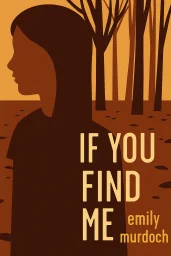
If You Find Me
by Emily Murdoch
