
Los 5 Lenguajes del Amar/The 5 Languages of Love
Categories
Nonfiction, Self Help, Psychology, Christian, Relationships, Audiobook, Romance, Personal Development, Marriage, Love
Content Type
Book
Binding
Kindle Edition
Year
2014
Publisher
Unilit
Language
English
ASIN
B00FW0V16A
ISBN
0789957132
ISBN13
9780789957139
File Download
PDF | EPUB
Los 5 Lenguajes del Amar/The 5 Languages of Love Plot Summary
Introduction
Sarah sat across from her husband at dinner, watching him scroll through his phone while mechanically eating the elaborate meal she'd spent hours preparing. "He never notices anymore," she thought, feeling invisible despite being just three feet away. Meanwhile, David felt equally disconnected, wondering why his wife seemed so distant despite all the overtime he worked to provide for their family. Both were desperately trying to show love, yet both felt unloved. This scenario plays out in countless homes every day. We express love in the ways that feel natural to us, assuming our partners will understand and appreciate these gestures. Yet often our sincere efforts fall flat, leaving us confused and hurt. The root of this disconnect lies not in the absence of love, but in our failure to understand that people give and receive love in fundamentally different ways. Just as we speak different verbal languages, we also speak different emotional languages. When we learn to identify and speak our partner's primary love language, we unlock the secret to creating deep, lasting emotional connection. This understanding has the power to transform not just marriages, but all our most important relationships.
Chapter 1: The Concept of Love Languages: A Framework for Connection
Marcus thought he was the perfect husband. Every morning, he brought his wife coffee in bed, took care of all the household repairs without being asked, and ensured their bills were paid on time. He worked extra hours to afford nice vacations and never forgot to fill up her car with gas. Yet when Linda finally exploded after months of seeming withdrawal, her words stunned him: "You do everything for me except spend time with me. I feel like I'm married to a helpful stranger." What Marcus discovered that day was the fundamental principle that shapes all human emotional connection. People express and interpret love through five distinct languages: Words of Affirmation, Quality Time, Receiving Gifts, Acts of Service, and Physical Touch. Each person has a primary love language that speaks most powerfully to their heart. While Marcus was fluently speaking the language of Acts of Service, Linda's heart was longing to hear Quality Time. His sincere efforts to show love were like speaking French to someone who only understood Spanish. The beauty of this concept lies in its simplicity and universality. Once we understand that love has different languages, we can begin to observe our partners more carefully, listening not just to their words but to their deepest emotional needs. The husband who constantly seeks physical affection may be speaking Physical Touch. The wife who lights up when she receives unexpected flowers may be fluent in Receiving Gifts. Learning to identify these patterns transforms us from well-meaning but ineffective lovers into skilled emotional communicators. This framework doesn't diminish the mystery of love; it provides a roadmap for expressing it more effectively. When we speak our partner's primary love language consistently, we fill their emotional love tank, creating the security and warmth that allows relationships to flourish. The shift from speaking our own language to speaking theirs represents a profound act of selfless love, one that inevitably returns to bless our own hearts.
Chapter 2: Words of Affirmation: The Power of Verbal Appreciation
Janet had been trying for months to motivate her husband Bob to paint their bedroom, growing increasingly frustrated with his seeming indifference to her requests. She'd tried everything from subtle hints to direct confrontation, watching him choose to wash and wax the car instead of tackling the indoor project. Finally, in desperation, she sought counsel, only to receive unexpected advice: stop mentioning the bedroom entirely, and instead offer genuine verbal appreciation every time Bob did something positive around the house. The transformation was remarkable. When Bob took out the garbage, Janet said, "Bob, I really appreciate you taking care of that." When he paid the electric bill, she acknowledged his faithfulness as a provider. After three weeks of consistent verbal affirmation, Bob not only painted the bedroom but approached the task with enthusiasm. The secret wasn't in the nagging or demanding, but in understanding that Bob's emotional love tank was filled through words of appreciation. This story illuminates a profound truth about human motivation. For those whose primary love language is Words of Affirmation, verbal appreciation acts like fuel for the soul. These individuals don't need elaborate gifts or constant physical presence; they need to hear that they are valued, respected, and cherished through spoken words. A simple "thank you for working so hard" or "you look wonderful today" carries the emotional weight of a dozen roses for someone who speaks this language. The key to mastering Words of Affirmation lies in specificity and sincerity. Generic compliments fall flat, but detailed appreciation resonates deeply. Instead of "good job," try "I noticed how patiently you helped our daughter with her homework tonight, and I admire your dedication as a father." Such words don't just acknowledge actions; they affirm character and worth. When we learn to see our partners through the lens of appreciation rather than criticism, we discover countless opportunities to speak life into their hearts.
Chapter 3: Quality Time: Beyond Physical Presence
Bill was a successful businessman who provided well for his family, but his wife Betty Jo felt increasingly isolated in their marriage. Despite sharing the same house, eating at the same table, and sleeping in the same bed, she felt profoundly alone. "What good are all these material things if we never enjoy them together?" she asked through tears. Bill couldn't understand her complaint since he was physically present every evening, but he was missing the crucial difference between proximity and connection. Quality Time isn't about being in the same room; it's about giving someone your undivided attention. When Betty Jo tried to talk while Bill watched television, she didn't receive quality time. When they ate dinner together but Bill read his phone, proximity occurred but connection didn't. What Betty Jo craved was focused attention, the gift of Bill's complete presence for even fifteen minutes a day. The transformation began when Bill learned to put down his phone, turn off the television, and look directly into Betty Jo's eyes when she spoke. They started taking short walks together, sharing coffee in the morning before checking their schedules, and having actual conversations about their thoughts and dreams. These simple changes filled Betty Jo's emotional love tank in ways that all of Bill's financial provision never could. For those who speak Quality Time, presence is the most precious gift you can offer. It says, "You are important enough for me to stop everything else and focus solely on you." In our distracted world, this language has become increasingly rare and therefore increasingly powerful. When we learn to offer the gift of our full attention, we discover that love isn't measured in minutes but in the depth of connection those minutes contain.
Chapter 4: Giving and Receiving: Gifts as Emotional Symbols
Jim thought he was showing love by working long hours and providing financial security for his family, but his wife Janice felt emotionally starved. Their relationship had devolved into a routine of work, sleep, and basic maintenance of daily life. Everything changed when Jim attended a marriage seminar and realized that Janice's heart was fluent in the language of Receiving Gifts. The next Monday, he stopped at a street vendor and bought her a single rose. Janice's reaction was immediate and profound. She began to cry, not because the rose was expensive or elaborate, but because it represented something precious: the thought that Jim had been thinking of her during his day. Throughout that week, Jim brought small, inexpensive gifts—a pizza for dinner, a potted plant, cookies for dessert. Each gesture filled Janice's emotional love tank a little more, and her attitude toward Jim began to transform. The language of Receiving Gifts isn't about materialism or greed; it's about the symbolism of thoughtfulness. A gift says, "I was thinking about you when you weren't around." The value lies not in the price tag but in the emotional message: "You are worth my time, attention, and effort." For someone who speaks this language, a wildflower picked from the roadside can carry more emotional weight than an expensive piece of jewelry given thoughtlessly. Understanding this language frees us from the misconception that gifts must be costly or elaborate. The most powerful gifts are often the most personal—a handwritten note, a favorite snack brought home unexpectedly, or a small item that shows you remember their preferences. When we learn to see gifts as expressions of love rather than financial transactions, we discover countless opportunities to speak this beautiful language of thoughtfulness.
Chapter 5: Acts of Service: Love in Action
Mark returned home from his factory job every evening expecting to find dinner waiting and the house tidy, while his wife Mary grew increasingly resentful that he never lifted a finger to help. Their arguments intensified when Mark accused Mary of laziness and she countered that he treated her like an unpaid servant. Both felt unloved and unappreciated, yet both were desperately trying to show love in the only way they understood. The breakthrough came when they each wrote down specific requests that would make them feel loved. Mark's list included simple things like making the bed daily and having dinner started when he arrived home. Mary's list included weekly car washing, help with vacuuming, and assistance with the baby's diapers. When they began serving each other in these specific ways, both started feeling the love they had been seeking. This couple discovered that for many people, love is best expressed through helpful actions. Acts of Service speaks to those who believe that actions carry more weight than words. When someone voluntarily takes on tasks that ease your burden, it communicates deep care and consideration. The key word is "voluntary"—love cannot be coerced or demanded, only freely given. Learning to speak Acts of Service requires us to pay attention to the practical needs around us and respond with willing hearts. It means choosing to serve without expecting reciprocation, finding joy in making our loved one's life easier and more pleasant. When we approach service as an expression of love rather than an obligation, even mundane tasks become opportunities to communicate devotion and care.
Chapter 6: Physical Touch: The Importance of Connection
Pete felt deeply rejected in his marriage, though he couldn't quite articulate why. His wife Patsy was an excellent homemaker who kept their house spotless, cooked wonderful meals, and managed their household efficiently. Yet Pete found himself withdrawing emotionally, creating distance between them without understanding his own behavior. It wasn't until years later that he realized what he'd been craving: the simple gift of physical touch. During their dating years, Pete and Patsy had been naturally affectionate, holding hands, embracing, and expressing love through gentle touches. After marriage, these expressions of physical affection gradually disappeared, replaced by the busyness of daily life. Pete interpreted this loss as rejection, though Patsy never intended to communicate anything negative. She simply didn't understand that physical touch was Pete's primary emotional language. When they finally understood this dynamic, the transformation was remarkable. Patsy began reaching for Pete's hand while they watched television, offering back rubs after his long days, and greeting him with embraces when he came home. These simple gestures filled Pete's emotional love tank and restored his sense of being loved and desired. His personality became warmer and more responsive as his need for physical connection was met. Physical Touch as a love language encompasses far more than sexual intimacy. It includes holding hands while walking, a gentle touch on the shoulder while passing in the kitchen, or sitting close together on the couch. For those who speak this language, appropriate physical touch communicates warmth, safety, and love in ways that words cannot match. Learning to offer this gift requires us to become more physically expressive and to understand that for some people, a loving touch truly is worth a thousand words.
Chapter 7: Discovering Your Language: Tools for Self-Awareness
Elizabeth had been married for ten years, constantly requesting quality time with her husband Peter, yet feeling increasingly frustrated when he responded with gifts and kind gestures instead of focused attention. It wasn't until she reflected on her marriage that she realized she'd been speaking her own love language all along, asking for walks together, weekend getaways, and uninterrupted conversations, while Peter had been expressing love in his language of gift-giving and acts of service. The key to discovering your primary love language often lies in examining your deepest hurts and most frequent requests. Elizabeth realized that what hurt her most was when Peter was physically present but emotionally absent, choosing television or work over conversation with her. Her constant requests for shared activities weren't nagging—they were her heart crying out in its native language. Three practical approaches can help identify your love language: First, consider what your spouse does or fails to do that hurts you most deeply—the opposite is likely your love language. Second, analyze what you request most often from your partner—these requests usually align with your emotional needs. Third, observe how you naturally express love to others—we often give love in the language we most desire to receive. Understanding your own love language is only half the equation. The real transformation comes when couples learn to speak each other's languages fluently. This requires moving beyond our natural preferences to embrace new ways of expressing love. When both partners commit to this journey of discovery and adaptation, they create an environment where love can flourish and both emotional tanks can be filled consistently. The investment in learning this new language pays dividends in deeper connection, better communication, and renewed romance.
Summary
The five love languages reveal a profound truth about human relationships: we all give and receive love differently, and understanding these differences is the key to emotional connection. Whether through affirming words, quality time, thoughtful gifts, helpful service, or physical touch, each person's heart speaks a unique language that, when understood and honored, creates deep fulfillment and lasting bonds. The most transformative insight from these stories is that love is ultimately a choice, not just a feeling. When we choose to learn our partner's language and speak it consistently, even when it doesn't come naturally to us, we demonstrate the highest form of love—selfless care for another's emotional well-being. This choice has the power to resurrect dying relationships, prevent unnecessary divorces, and help couples build the kind of lasting love they dreamed of on their wedding day. When both partners commit to speaking each other's languages, they create a relationship where love not only survives but thrives, filling both hearts with the security and joy that make all of life's challenges manageable.
Best Quote
“Forgiveness is not a feeling; it is a commitment.” ― Gary Chapman, The Five Love Languages: How to Express Heartfelt Commitment to Your Mate
Review Summary
Strengths: The book is described as easy to read, with a compelling narrative structure that includes hopeless circumstances and an uplifting ending, typical of bestsellers. Weaknesses: The review criticizes the book for its heavy reliance on biblical references and perceived self-aggrandizement by the author. It is seen as lacking in addressing the complexity and diversity of modern relationships, particularly for multicultural, queer, or polyamorous couples. The book is also criticized for promoting outdated gender roles and potentially harmful advice regarding domestic abuse. Overall: The reader expresses a negative sentiment, suggesting the book is narrowly targeted at hetero-white-Christian-monogamous couples and fails to address broader relationship dynamics. The recommendation level is low, particularly due to concerns about its treatment of gender roles and domestic abuse.
About Author
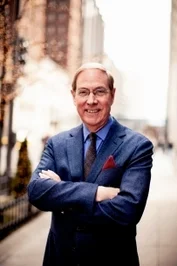
Gary Chapman
Chapman explores the essence of human relationships through a lens of empathy and practical wisdom. His works emphasize understanding and navigating the diverse ways individuals express love, leading to healthier and more meaningful connections. The "Five Love Languages" framework, a cornerstone of his literary contributions, has reshaped relationship counseling by providing a structured approach for partners to comprehend and meet each other's emotional needs. This framework is extended in his other writings, such as "The 5 Languages of Appreciation in the Workplace," which advocates for the application of these principles in professional settings to enhance organizational environments.\n\nGary Chapman’s insightful exploration of relationship dynamics offers readers both practical guidance and deep psychological insights. His accessible style, rooted in both spiritual and psychological principles, enables a broad audience to apply his methods in personal and professional contexts. Readers benefit from Chapman's expertise, as his books not only guide those in romantic relationships but also address family dynamics and workplace interactions. His work has achieved international acclaim, with "The Five Love Languages" becoming a bestseller, thus solidifying his impact on relationship literature and counseling.\n\nThrough a commitment to improving interpersonal understanding, Chapman has made significant contributions to both literature and psychology. His ability to translate complex emotional concepts into relatable guidance empowers individuals to cultivate lasting and meaningful relationships. While his primary focus remains on love and appreciation, his influence extends into various relational spheres, making his work a vital resource for anyone seeking to enhance their personal connections.
Read moreDownload PDF & EPUB
To save this Black List summary for later, download the free PDF and EPUB. You can print it out, or read offline at your convenience.

Los 5 Lenguajes del Amar/The 5 Languages of Love
by Gary Chapman
