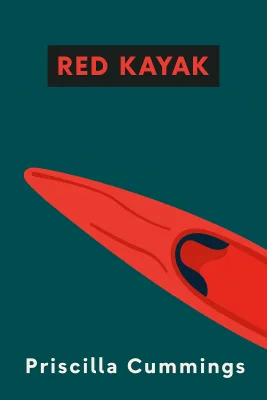
Red Kayak
Categories
Fiction, Mystery, Young Adult, School, Coming Of Age, Realistic Fiction, Middle Grade, Friendship, Teen, Read For School
Content Type
Book
Binding
Paperback
Year
2006
Publisher
Puffin Books
Language
English
ASIN
0142405736
ISBN
0142405736
ISBN13
9780142405734
File Download
PDF | EPUB
Red Kayak Plot Summary
Introduction
The Corsica River holds its secrets beneath deceptively calm waters, where currents run harder and faster than anyone imagines. Thirteen-year-old Brady Parks knows these waters like his own heartbeat—every creek, every sandbar, every hidden danger that lurks below the glassy surface. But on one fateful April morning, as he stands with his two best friends watching a red kayak disappear around the bend, Brady makes a choice that will haunt him forever. He says nothing. No warning shout cuts through the crisp air, no gesture alerts the kayaker to the treacherous conditions ahead. What follows is a tragedy that will test everything Brady believes about friendship, loyalty, and the weight of truth. When three-year-old Ben DiAngelo and his mother vanish into the icy waters, Brady becomes both hero and keeper of a terrible secret. As rescue boats comb the river and the community rallies in desperate hope, Brady discovers that some silences carry a price too heavy for any thirteen-year-old to bear—and that the hardest courage isn't in saving a life, but in facing the truth about how it was lost.
Chapter 1: The Fateful Morning: Witnessing Danger and Remaining Silent
The ambulance siren's wail cut through the morning air as Brady Parks waited with his two best friends for their ride to school. J.T. sipped his green tea with the focused intensity of someone trying to prove a point, while Digger mocked him mercilessly. The familiar rhythm of their banter should have been comforting, but something felt off that April morning—storm clouds gathering on the horizon, the wind picking up across the water. That's when they saw it. The red kayak cutting through the creek below, heading toward the open river where the real danger waited. Mr. DiAngelo, their wealthy new neighbor, paddled with the confident strokes of someone who didn't understand the treacherous spring tides that could suck a small craft under. Brady's throat tightened as he watched the kayak grow smaller, knowing what lay ahead where the creek met the river. "He shouldn't be going out there today," Brady said, his voice barely cutting through the wind. The kayak was almost at the point now, where the current would catch it and drive it downstream like a toy. But when Brady suggested they call out a warning, his friends' reactions stopped him cold. Digger's face hardened into something Brady had never seen before. "If he's stupid enough to be out there, he can take what's coming," he said with chilling calm. The words hung in the air like a curse, and Brady felt something shift in the friendship he'd trusted his whole life. Even J.T., usually the voice of reason, just laughed and looked away. So they stood there in silence, three boys watching their neighbor paddle into danger. The ambulance arrived with its usual fanfare, lights flashing and siren whooping, but as Carl drove them to school, Brady couldn't shake the image of that red kayak disappearing around the bend. He told himself Mr. DiAngelo would be fine, that surely someone so successful would know better than to challenge the river on a day like this. But deep in his chest, something cold and heavy settled like a stone.
Chapter 2: Rescue and Loss: Finding Ben and Confronting Mortality
The call came during Spanish class—Brady's name crackling through the intercom with an urgency that made every head turn. In the principal's office, his father waited with news that stopped Brady's heart: someone was missing on the river. The red kayak. But it wasn't Mr. DiAngelo fighting for his life in the icy water—it was his wife and their three-year-old son, Ben. Within minutes, Brady was racing across the water in his skiff, Tilly barking from the bow as rain began to pelt their faces. The river had transformed into something alien and hostile, its surface churned brown by the storm. While his father and the other searchers headed downstream with the current, Brady checked the smaller creeks, his eyes scanning desperately for any flash of yellow life jacket against the dark water. Tilly's frantic barking led him to a forgotten cove where rotting pilings jutted from the water like broken teeth. There, caught on the jagged wood, hung a small figure in bright yellow—motionless, pale as death, lips blue as winter sky. Brady's hands shook as he pulled Ben's waterlogged body into the boat, the child's weight shocking in its lifelessness. The race to Rock Hall became a blur of CPR compressions and desperate breaths blown into cold lips, Brady's world narrowing to the rhythm of five pumps and one breath while rain lashed his face. His father's voice echoed in his memory—You be looking backward all the time, Brady, you're gonna have one heck of a crook in the neck—but there was no looking forward now, only the terrible present of a dying child and Brady's burning lungs. When the ambulance lights finally appeared through the storm, Carl's shout cut through the chaos: "We've got a pulse!" For one shining moment, Brady thought he'd beaten death itself. He'd pulled Ben from the edge of forever and brought him back. But the river, it seemed, wasn't finished with its claim.
Chapter 3: The Drill's Discovery: Unearthing Painful Truths
Two days later, the news hit like a physical blow—Ben was gone. The hospital had done everything possible, but the cold water had damaged his lungs beyond repair. Brady sat in his mother's car outside school, staring at a milk truck and thinking numbly that Ben would never drink milk again, never do anything again. The hero's crown he'd briefly worn turned to ashes, leaving only the bitter taste of failure. Weeks passed in a gray haze before Brady returned to work for Mrs. DiAngelo, now alone in her mansion while her husband blamed her for their son's death. The yard work became Brady's penance, his way of making amends for a tragedy he couldn't explain. On Memorial Day weekend, Mrs. DiAngelo asked him to clean out the old boathouse—the same weathered structure where Brady, J.T., and Digger had played pirates as children. The heat pressed down like a weight as Brady raked through years of accumulated debris, memories drifting through his mind like ghosts. Every broken board and rusted can held echoes of their friendship, back when the future seemed bright and uncomplicated. But as he worked his way around the building's perimeter, something metallic caught the sunlight, half-buried in a tangle of weeds. His father's cordless drill lay there like evidence at a crime scene, red paint flecks still clinging to the bit. Brady's blood turned to ice water as the pieces fell into place with sickening clarity. The angry conversation from last summer materialized in his memory—his own voice suggesting they drill holes in a boat, fill them with water-based glue, and watch some rich newcomer take an unexpected swim. But this wasn't about teaching anyone a lesson. As Brady stared at the drill in his trembling hands, he realized he was holding proof of something far darker. Someone had taken his careless words and turned them into a weapon. Someone had murdered Ben DiAngelo, and Brady's own suggestion had shown them how.
Chapter 4: Moral Crossroads: Between Loyalty and Conscience
The confrontation with J.T. came swift and brutal, Brady's accusations cutting through years of friendship like a knife through silk. In the stifling heat of the chicken house, surrounded by thousands of peeping chicks, J.T.'s face crumbled under the weight of truth. His barely audible "yes" confirmed Brady's worst fears—his best friends had sabotaged the kayak, never imagining that Ben and his mother would be the ones to pay the price. Digger proved harder to crack, his defiance crackling with the same anger that had driven him to revenge in the first place. At the boathouse, he grabbed Brady's shirt and snarled about fingerprints and murder charges, his desperation transforming him into something vicious and cornered. "It was your idea!" he spat, the words hitting Brady like physical blows. The truth of it burned—without Brady's casual suggestion months earlier, Ben would still be alive. The drill disappeared into Brady's backpack, wrapped in plastic like a guilty secret. As he pedaled home, the weight of it seemed to drag at his shoulders, heavier than any physical burden he'd ever carried. His friends' faces haunted him—J.T.'s crumbling confession, Digger's terrified rage, both of them bound to him now by blood and silence. That evening, Brady made his choice. Standing alone on the dock with Tilly watching from shore, he hurled the drill into the dark water and watched the ripples spread outward until they disappeared. No evidence meant no case, no case meant no consequences—for any of them. He told himself he was protecting everyone: his friends, his parents, himself. The river swallowed the drill like it had swallowed Ben, and Brady tried to convince himself that some secrets were meant to stay buried. But the decision sat in his stomach like poison, refusing to digest. Every day brought fresh reminders of what he'd lost—not just Ben, but some essential part of himself that had drowned right alongside that three-year-old boy in the cold Corsica River.
Chapter 5: Recovering the Red Kayak: Physical Evidence and Emotional Reckoning
The conversation with his father changed everything. Tom Parks, weathered waterman and keeper of simple truths, spoke about his grandmother's wisdom: when you know right from wrong, the answer sits right in front of you. It's the thinking that gets you in trouble, because doing right isn't always doing easy. As Brady listened to his father wrestle with his own conscience about the crab protests, he felt something long-frozen begin to crack inside his chest. "If I were to ask you to do something really strange," Brady said, his voice barely steady, "but I said it was the most important thing in the world to me, would you do it?" When his father agreed, Brady took the leap that would change everything: "I need you to hook up the oyster dredger and help me haul something out of the river." His father's quiet "Would it be a red kayak, Brady?" confirmed what Brady had suspected—Tom Parks knew more than he'd let on. The next morning, father and son motored through the pre-dawn mist to the forgotten swimming hole where Brady had found Ben months earlier. The water was clear and shallow, revealing nothing, until they moved to deeper water where the old dock had rotted away. The grapnel hook caught on the first try, but the weight fought them like a living thing. Hand over fist, both Parks men pulled against the river's reluctance to give up its secret. When the kayak finally broke the surface, water streaming from its hull, Brady felt the last of his childhood wash away with the mud and algae that clung to its sides. There in the bottom of the red fiberglass hull, three holes stared up at them like accusing eyes. No longer could Brady pretend this was an accident or a misunderstanding. The evidence of deliberate sabotage lay before them, undeniable as death itself. As rain began to fall, washing the slime away to reveal the full scope of the crime, Brady's father asked the question that demanded an answer: "What is this, Brady?" And so, with the murdered kayak lying between them like an altar of truth, Brady finally told his father everything.
Chapter 6: Justice and Consequences: Facing the Court and Community
The courtroom buzzed with tension as Brady watched his former best friends stand before Master Williams, their backs rigid with fear and shame. J.T. and Digger had chosen to plead guilty to second-degree murder, sparing Brady the agony of testifying but not the weight of watching their lives change forever. The boys who had once dreamed of becoming Navy SEALs together now faced a future measured in months behind bars and years of consequences. The victim impact statement tore through the courtroom like shrapnel, Mrs. DiAngelo's written words painting pictures of empty cubby holes and birthday parties that would never come. Brady bit his lip until it bled, thinking of the tricycle still in its box, the fingerpaints that would never stain a refrigerator door. Ben's absence filled the room more powerfully than any living presence could have. J.T. spoke first, his voice barely audible as he apologized to the DiAngelos and promised to answer to the Lord for his actions. But it was Digger who surprised everyone, his usual defiance cracking to reveal the scared thirteen-year-old beneath. He accepted full responsibility, tried to protect J.T., and spoke with raw honesty about the cycle of anger that had driven him to destroy an innocent family. Master Williams listened with the patience of someone who had seen too many young lives derailed by poor choices. Her words cut through the courtroom air like a judge's gavel: what they had done was like firing a gun into a crowded theater just to scare people, except someone had died. The practical joke defense wouldn't wash away the blood on their hands. Nine months in juvenile forestry camp—the sentence fell like a hammer, lighter than it could have been but heavy enough to crush what remained of their childhood. As sheriff's deputies stepped forward with handcuffs, Brady watched his former friends disappear into the system, their handcuffs glinting like shackles forged from their own poor choices. The boy who had once saved Brady's life through thin ice now walked away in chains, and Brady knew that some friendships, once shattered, could never be made whole again.
Chapter 7: Rebuilding: Finding a Path Forward After Tragedy
Autumn settled over the Corsica River like a blanket of forgiveness, bringing with it the promise of new beginnings and the wisdom that comes from surviving the unsurvivable. Brady walked the shoreline with Tilly, watching leaves drift downstream like messages from a gentler season. The path between his house and J.T.'s was growing over, but its outline remained visible—a sandy scar across the soybean field that spoke of friendship both lost and remembered. High school brought its own rhythms and challenges, but Brady found solace in the evening hours spent with his father in the workshop. Together they were building a sailboat, their hands shaping wood and dreams in equal measure. They would call her either the Miss Dee or the Miss DeeLight—though his father worried the latter made his wife sound like an adult entertainer, which had them both laughing until their sides hurt. News filtered back from the forestry camp through J.T.'s sister Kate, her field hockey uniform green and white like their old middle school colors. She said J.T. was doing okay, that he planned to write. When she walked away from their chance encounter at the grocery store, she looked back—a gesture that somehow contained both forgiveness and hope. The DiAngelos had moved to Virginia, taking with them every plant from the butterfly garden Brady had helped create. The realtor thought it was strange, but Brady understood. Those flowers represented something more than beauty—they were hope transplanted, memory given new soil to grow in. Somewhere in Virginia, butterflies would warm their wings on familiar stones and drink from flowers that remembered Ben's laughter.
Summary
The red kayak that once symbolized wealth and leisure now rests in an evidence locker, its three drilled holes testament to how quickly innocence can transform into tragedy. Brady Parks learned that heroism isn't measured only in lives saved, but in truths told when the cost of honesty seems unbearable. His friends paid the price for their choices with months of freedom and years of consequences, but they also found something valuable in their punishment—the weight of real responsibility and the possibility of redemption. As winter approaches the Corsica River, Brady continues his careful navigation between memory and hope. The boat he builds with his father represents more than craftsmanship—it's a vessel for carrying forward the lessons learned from tragedy, the wisdom bought with Ben DiAngelo's life. In the spring, when the Miss Dee catches her first wind and sails toward Queenstown, she'll carry with her the knowledge that some currents run deeper than water, and some storms teach us not just how to survive, but how to live with the choices we make when the waves rise highest and the shore seems impossibly far away.
Best Quote
“My dad says stop thinking that way. “You be lookin’ backward all the time, Brady, you’re gonna have one heck of a crook in the neck.” He smiles when he says that. But I know what he means deep down, and it’s not funny. You can’t keep dwelling on the past when you can’t undo it. You can’t make it happen any different than it did.” ― Priscilla Cummings, Red Kayak
Review Summary
Strengths: The book is described as suspenseful and engaging, with a storyline that challenges readers to consider difficult moral decisions. It is recommended for middle-grade readers and was appreciated by an 11-year-old, suggesting it resonates with its target audience. Weaknesses: The review contains an extremely negative critique, describing the book as painful to read and suggesting it should be removed from circulation. The criticism is hyperbolic and lacks specific constructive feedback, focusing instead on personal disdain. Overall: The review presents a polarized sentiment. While one part appreciates the book's suspense and moral depth, another part vehemently criticizes it with exaggerated negativity. Recommendations vary widely, from suggesting it for middle-grade readers to advising against reading it entirely.
About Author

Priscilla Cummings
Cummings connects her literary work with themes of nature, ethical dilemmas, and personal growth, drawing from her early experiences on a dairy farm and her career as a journalist. Her deep-rooted affinity for animals and nature often surfaces in her books, as seen in her first picture book, "Chadwick the Crab," where she explored themes of aspiration and community through the eyes of a crab. This focus on environmental and moral themes extends into her acclaimed young adult novel "Red Kayak," which delves into the complex web of responsibility and ethics within a community setting. \n\nHer transition from journalism to fiction writing allows her to employ a narrative style that is both realistic and accessible, appealing to young readers who face similar moral and emotional challenges. Her work not only entertains but educates about local wildlife, as seen in her picture books that highlight creatures from the Chesapeake Bay. This combination of storytelling and environmental education enhances readers' understanding and appreciation of their natural surroundings while prompting introspection on ethical decisions. By infusing her stories with these layered themes, Cummings fosters a space where young readers can engage with pressing issues of family and community, making her books a valuable resource in both educational and personal contexts. \n\nThis brief bio underscores the author’s ability to weave environmental and ethical themes into engaging narratives, providing insights that resonate with young audiences. Her accolades, including the Journalist of the Year award, further validate her narrative skills and commitment to impactful storytelling. Cummings's literature continues to inspire and educate, encouraging a deeper connection with both the natural world and one's own inner moral compass.
Read moreDownload PDF & EPUB
To save this Black List summary for later, download the free PDF and EPUB. You can print it out, or read offline at your convenience.
Red Kayak
by Priscilla Cummings
