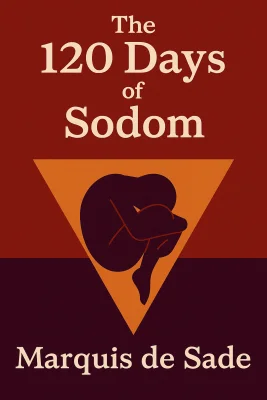
The 120 Days of Sodom
Categories
Philosophy, Fiction, Classics, Horror, Literature, France, Novels, French Literature, Erotica, 18th Century
Content Type
Book
Binding
Paperback
Year
2009
Publisher
Wilder Publications
Language
English
ISBN13
9781604594188
File Download
PDF | EPUB
The 120 Days of Sodom Plot Summary
Introduction
# The Systematic Catalog of Human Depravity Snow falls thick around the fortress of Silling as four men of immense wealth and darker appetites seal themselves away from civilization. The Duc de Blangis adjusts his massive frame in the castle's great hall, surveying the human cargo he and his companions have assembled for their ultimate experiment. One hundred and twenty days of systematic corruption await. President Curval paces the stone corridors with judicial precision, while the Bishop of X arranges his robes over hands that have blessed and damned in equal measure. Durcet, the financier, counts not coins but souls in his ledgers of human suffering. They have brought wives, daughters, and carefully selected young victims to this mountain laboratory of vice. Four storytellers wait in the shadows, women whose lives have been spent cataloging every conceivable perversion. Their role is simple yet crucial: to narrate tales of depravity that will inspire ever greater excesses. What begins as organized exploration of human vice will descend into a spiral of cruelty that tests the very limits of flesh and spirit. In this isolated realm where no law exists save their own twisted desires, the boundaries between pleasure and torment dissolve entirely.
Chapter 1: The Assembly of Libertines: Architects of Ultimate Corruption
The conspiracy had taken years to perfect. In the shadowed chambers of Parisian society, four libertines discovered their shared appetite for extremes that ordinary debauchery could no longer satisfy. The Duc de Blangis, whose wealth matched only his cruelty, first proposed the grand experiment. His brother the Bishop provided theological justification for their coming atrocities, his religious authority masking profound atheism and sadism. Durcet contributed his fortune and expertise in human trafficking. Curval brought legal immunity and a judge's cold precision in cataloging human suffering. They had married each other's daughters in a web of incestuous alliances, ensuring absolute control over their victims. Julie, Adelaide, Constance, and Aline became not wives but property, bound by marriage contracts that were really ownership papers. The young women trembled in silk gowns, understanding too late that paternal love had been replaced by calculated cruelty. The supporting cast had been recruited with equal care. Duclos, a former prostitute turned brothel keeper, would narrate the simple passions. Her voice carried the weight of a thousand sins as she prepared to guide her masters through their curriculum of corruption. The other storytellers, each specialists in their own forms of degradation, waited their turns to paint verbal pictures of depravity. The young victims arrived in ignorance of their fate. Eight girls aged twelve to fifteen, selected for beauty and innocence. Sophie clutched her prayer book, religious faith soon to be systematically destroyed. Augustine's beauty would make her the Duc's particular obsession. Eight boys chosen for youth and physical perfection completed the human inventory. The castle gates closed behind them with the finality of a tomb sealing.
Chapter 2: The Castle of Systematic Vice: Establishing the Laboratory
The fortress itself seemed designed by some malevolent architect of the soul. Every room had been prepared for specific purposes, from the chapel converted into a theater of obscenity to dining halls where human dignity would be served alongside the finest wines. Hidden passages allowed for observation, soundproof chambers contained screams, and the great hall awaited its nightly entertainment. Duclos took her place upon the storyteller's throne, her voice beginning the first tales of her childhood corruption. She spoke of monastery shadows where corrupt priests introduced her to the darker appetites of men. Her words painted pictures of degradation that served as mere appetizers for the feast of corruption to come. The four friends listened with rapt attention, their own desires kindling with each narrative thread. The daily routine established itself with mechanical precision. Morning inspections ensured complete submission through intimate violations. Afternoon tales provided inspiration through systematic education in vice. Evening orgies transformed inspiration into immediate action. The victims watched in horror as their captors shed the last vestiges of humanity before their eyes. The castle became a machine for producing suffering, its gears lubricated with tears and furnaces fed with innocence. Each day brought new refinements to their methods, new depths to their depravity. The storytellers understood their role perfectly: to provide a curriculum that would guide their masters through an escalating program of systematic abuse. The walls absorbed screams and whispers of past atrocities, echoing with the promise of horrors yet to come.
Chapter 3: The Rules and Rituals of Corruption: Implementing Control
Order emerged from chaos as the libertines established their unholy commandments. Every aspect of life within the castle walls became subject to twisted regulations. The victims were assigned roles, given schedules, and made to understand that their existence served only to fuel their captors' appetites. Resistance was not merely futile but actively punished with refinements of cruelty that made submission seem merciful. The marriage ceremonies began, grotesque parodies of sacred union where children were wed to each other for their tormentors' amusement. Little Michette and Giton, barely old enough to understand the words being spoken, were bound together in mockery of love. The Bishop performed each ceremony with the same solemnity he once reserved for genuine sacraments, his corruption of the holy now complete. Punishments were distributed with judicial precision, President Curval applying his legal mind to the creation of suffering. The correction sessions became elaborate rituals where pain was administered not in anger but with the cold calculation of men who had made cruelty into an art form. Saturday evenings brought formal punishment ceremonies, eagerly anticipated events where accumulated grievances could be settled in blood. The great book of infractions grew thick with recorded sins, real and imagined. Every violation of arbitrary rules created opportunities for new degradations. The victims learned that mercy was not absent but actively rejected, that their captors chose cruelty not from passion but from principle. The systematic nature of their torment became clear as the libertines refined their techniques for breaking both body and spirit.
Chapter 4: Duclos and the Simple Passions: The Curriculum of Depravity
November progressed with Duclos narrating her catalog of relatively simple perversions. Men who found pleasure in excrement, in degradation, in the violation of every social taboo. She told of clients who demanded to be treated as animals, who found ecstasy in their own humiliation, who could achieve release only through elaborate rituals of self-abasement. Her voice remained steady as she described scenes that would drive lesser souls to madness. The four friends hung on every word, their appetites inflamed by each new revelation. They began acting out the scenes she described, using their victims as props in increasingly elaborate performances. What Duclos presented as memory, they transformed into immediate reality. The storytelling became a script for their own descent into absolute corruption. Young Sophie wept for her lost mother, her tears only serving to inflame the Duc's desires further. Her innocence became a target, her purity a challenge to be overcome. Augustine's beauty made her a particular focus for the most degrading experiments. The libertines discovered that virtue itself was merely another form of pleasure to be consumed, another barrier to be broken in their systematic destruction of everything good. The victims began to understand that their suffering was not incidental but essential. They had been brought here not despite their innocence but because of it. They were raw materials from which the libertines would construct their monument to human corruption. Each evening brought fresh horrors as the men acted out the stories they had heard, the boundaries between fantasy and reality dissolving entirely.
Chapter 5: The Escalation of Structured Debauchery: Breaking Boundaries
The boundaries of acceptable behavior, already shattered, were ground to dust beneath the libertines' relentless pursuit of new sensations. Duclos continued her narratives, each tale more shocking than the last, each revelation opening new avenues for the exploration of human depravity. She spoke of wealthy clients whose appetites required not just submission but active participation in the most degraded acts imaginable. The libertines found themselves in competition with each other, each striving to outdo his companions in the elaborateness of his corruptions. What began as shared pleasure became a contest of cruelty, with the victims serving as both prizes and battlefield. The Duc's massive appetites clashed with Curval's judicial precision, while the Bishop's corrupted spirituality warred with Durcet's calculating coldness. The young victims began to change under constant pressure. Some, like Julie, attempted to adapt by embracing their captors' values, hoping participation might earn protection. Others, like Sophie and Adelaide, clung to virtue even as it made them greater targets. The libertines watched these transformations with fascination, studying the process by which innocence becomes corruption. The punishment sessions evolved into elaborate spectacles of torture, with the friends taking turns as both executioners and audience. They developed new techniques for maximizing their victims' suffering while prolonging their own pleasure. The castle pulsed with malevolent energy, its stones absorbing the suffering of its inhabitants and reflecting it back in amplified form.
Chapter 6: The Calendar of Progressive Degradation: Systematic Destruction
Time lost all meaning as the libertines implemented their systematic schedule of corruption. Each day brought new ceremonies of degradation, new rituals of suffering carefully planned and precisely executed. The defloration schedule was drawn up with the cold precision of a military campaign, each victim's fate decided by committee and marked on calendars like appointments with destiny. The marriages continued, grotesque parodies that served only to heighten the contrast between what should be and what was. Young Narcisse and Hébé were wed in the morning only to face punishment in the evening, their brief moment of innocent joy crushed beneath systematic cruelty. The Bishop performed each ceremony with increasing relish, his corruption of the sacred now complete and absolute. Duclos reached deeper into her catalog of human perversity, her tales now encompassing acts so degraded they seemed to challenge the very foundations of human nature. She spoke of men who found pleasure in the most revolting substances, who transformed the body's waste into objects of worship. Her audience listened with rapt attention, their own appetites kindled by each new revelation. The victims began to understand the true scope of their captivity as the schedule of their destruction was revealed. They saw their names written in the ledgers of corruption, their fates decided by men who viewed them not as human beings but as raw materials. Some wept, some raged, some retreated into madness, but all were powerless to change the course of events that would consume them utterly.
Chapter 7: The Methodology of Moral Dissolution: Complete Transformation
The final phase began as winter tightened its grip around the castle. Snow fell thick and heavy, cutting off all contact with the outside world and sealing the inhabitants in their mountain fortress of corruption. The libertines welcomed this isolation, knowing it freed them from any remaining constraints on their behavior. Duclos completed her cycle of tales, her voice hoarse from recounting the depths of human depravity. She had served her purpose well, providing the inspiration and instruction that guided the libertines' descent into absolute corruption. Her stories had become reality, her memories transformed into immediate experience for the victims who must now live through what she once merely observed. The systematic nature of the libertines' corruption reached its ultimate expression as they implemented the final phases of their schedule. The defloration ceremonies became elaborate rituals, the punishment sessions transformed into theatrical performances, and the daily routines evolved into complex choreography of suffering. Every aspect of life within the castle served their singular purpose: the complete and systematic destruction of human innocence. The victims who remained had been transformed by their ordeal, some broken beyond repair, others hardened into something barely recognizable as human. The libertines observed these changes with scientific fascination, documenting the process by which virtue becomes vice, innocence becomes corruption, and human beings become objects for the satisfaction of appetites that know no natural limits. Their great work neared completion, their catalog of human depravity approaching its final, terrible conclusion.
Summary
The Systematic Catalog of Human Depravity stands as perhaps the most unflinching examination of absolute power and its inevitable corruption ever committed to paper. Through the methodical degradation orchestrated by four wealthy libertines, we witness the complete inversion of every value that civilization holds sacred. The castle becomes a laboratory where the boundaries of human endurance are tested and exceeded, where innocence is not merely lost but systematically destroyed, and where the very concept of moral limits is revealed as nothing more than social convention. The true horror lies not in the graphic depictions of suffering, but in the cold, systematic approach to the destruction of human dignity. The libertines act not from passion or madness, but from a calculated philosophy that views corruption as the highest form of pleasure and cruelty as the purest expression of power. Their methodical approach transforms individual acts of depravity into a comprehensive assault on the very foundations of human nature, creating a work that forces us to confront the darkest possibilities of the human spirit while questioning whether any force can truly constrain those who recognize no authority beyond their own desires.
Best Quote
“If it is the dirty element that gives pleasure to the act of lust, then the dirtier it is, the more pleasurable it is bound to be.” ― Marquis de Sade, The 120 Days of Sodom
Review Summary
Strengths: The review highlights the fascinating backstory of the novel's creation, emphasizing its historical and biographical context. It notes the unique structure of the novel, comparing it to a twisted version of the "Decameron." Weaknesses: The review points out the novel's incompleteness, with only 30 fully developed days and the rest in outline form. It also mentions the repetitive focus on the author's personal proclivities, suggesting a lack of diversity in themes. Overall: The review presents a critical perspective on "The 120 Days of Sodom," acknowledging its historical significance but questioning its literary value due to its disturbing content and unfinished nature. The recommendation level appears low, given the emphasis on the novel's extreme and unsettling themes.
About Author

Marquis de Sade
De Sade interrogates the darker corners of human desire and morality through his controversial writings, blending philosophical discourse with explicit content. His works, which include the infamous "Justine" and "120 Days of Sodom", are marked by their exploration of power dynamics and the rejection of societal and religious constraints. As an author, De Sade is synonymous with sadism, a term derived from his name, emphasizing his thematic focus on deriving pleasure from inflicting pain. His books challenge the reader to question the boundaries of freedom and the nature of evil.\n\nWhile De Sade's provocative narratives often resulted in scandal and imprisonment, they left an indelible mark on literature and philosophy. His libertine lifestyle and confrontations with the law did not hinder his literary output; instead, they informed it. For readers and scholars interested in the intersections of sexuality, power, and morality, De Sade's bio offers an essential, albeit controversial, perspective. His impact extends beyond the realm of literature, influencing philosophers and artists, notably the Surrealists, who found inspiration in his audacious challenge to convention. Despite the lack of formal recognition during his lifetime, De Sade's works continue to provoke and engage audiences, inviting a critical examination of the limits of human desire.
Read moreDownload PDF & EPUB
To save this Black List summary for later, download the free PDF and EPUB. You can print it out, or read offline at your convenience.
The 120 Days of Sodom
by Marquis de Sade
