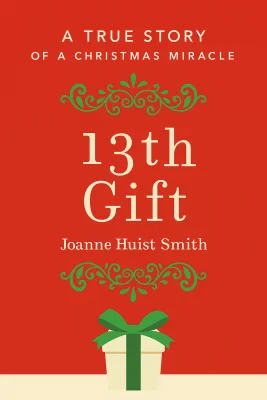
The 13th Gift
A True Story of a Christmas Miracle
Categories
Nonfiction, Memoir, Audiobook, Adult, Family, Biography Memoir, Book Club, Inspirational, Christmas, Holiday
Content Type
Book
Binding
Hardcover
Year
2014
Publisher
Harmony
Language
English
ASIN
0553418556
ISBN
0553418556
ISBN13
9780553418552
File Download
PDF | EPUB
The 13th Gift Plot Summary
Introduction
In the depths of personal tragedy, when the world seems to crumble around us, sometimes the most unexpected sources of light emerge to guide us back to hope. This is the story of a family shattered by sudden loss, discovering that healing can come through the kindness of strangers who choose to remain anonymous. When death visited the Smith household just before Christmas 1999, taking away the father and husband who was the anchor of their world, it seemed as though joy might never return to their home. What followed was an extraordinary tale of community compassion that would transform not just one grieving family, but create a legacy of giving that continues to this day. Through the lens of thirteen mysterious gifts left on a doorstep, we witness the profound power of small acts of kindness to mend broken hearts and rebuild shattered spirits. Readers will discover how tragedy can become the catalyst for deeper human connection, how the Christmas season can serve as a bridge between sorrow and renewal, and how the simple act of giving without expectation of recognition can create ripples of healing that extend far beyond the original recipients.
Chapter 1: The Unexpected Loss: A Family Shattered
The morning of October 8, 1999, dawned like any other in the Smith household in Bellbrook, Ohio. Rick Smith, a gentle giant of a man at six feet five inches, had fallen asleep beside his wife Joanne after discussing plans to delay his heart surgery until after the holidays. He wanted to be home with his family during Christmas break, to create one more perfect holiday for his three children. By morning, the 45-year-old father of three had died peacefully in his sleep, leaving behind a widow who felt utterly unprepared for the world and three children whose foundation had been swept away. Rick had been more than just a husband and father, he had been the family's anchor. He was the one who assembled Christmas trees with engineering precision, who led the carol singing during their annual tree-hunting expeditions, and who made sure every holiday tradition was preserved with care. His sudden absence left a void that seemed impossible to fill. Joanne found herself unable to sleep in their shared bed, taking refuge on the living room couch where she could avoid the memories that haunted their bedroom. The children each processed their grief differently. Seventeen-year-old Ben retreated into anger and rebellion, staying out past curfew and barely speaking to his mother. Twelve-year-old Nick was plagued by nightmares, having witnessed his mother's desperate attempts to revive his father that morning. Ten-year-old Megan tried to hold the family together with her optimism, but even her bright spirit was dimmed by the overwhelming sadness that had settled over their home. As the weeks passed, the Smith family became increasingly isolated. Phone calls from well-meaning friends dwindled, Christmas cards stopped arriving, and the normal rhythms of family life ground to a halt. Joanne struggled with basic tasks like grocery shopping and cooking, often relying on fast food or asking Ben to fend for himself and his siblings. The approaching Christmas season, once a source of joy and anticipation, now loomed as a painful reminder of all they had lost. The family that had once embraced the holidays with enthusiasm now wanted nothing more than to skip December entirely.
Chapter 2: The First Gift: Finding Light in Darkness
On December 13, thirteen days before Christmas, Joanne stumbled upon a rain-soaked poinsettia sitting outside their front door. Her first instinct was irritation, another intrusion into their carefully guarded grief. She nearly left the bedraggled plant where it sat, wanting nothing to do with anything that might remind her family of the approaching holiday. The accompanying card, written in elegant script and decorated with a hand-drawn holly leaf, introduced them to their mysterious benefactors with a variation on the familiar Christmas carol: "On the first day of Christmas your true friends give to you, one Poinsettia for all of you." The children's reactions to this unexpected gift revealed the different stages of their grief. Megan was immediately enchanted, seeing beauty and hope in the simple gesture. Nick was curious but wary, trying to solve the mystery of who might have left it. Ben remained largely indifferent, still too wrapped in his own pain to care about anonymous kindness. Joanne's resistance to bringing the plant inside reflected her deep fear that accepting any joy, however small, would somehow betray Rick's memory or make their loss seem less significant. Despite her reluctance, Joanne found herself drawn into the mystery. As a journalist, her natural instincts kicked in, and she began mentally cataloging potential suspects. Could it be a coworker trying to lift their spirits? Perhaps someone from the children's schools or Megan's Girl Scout troop? The very act of wondering about the gift giver's identity created the first crack in the wall of isolation the family had built around themselves. The poinsettia represented more than just a holiday decoration, it was a symbol of life persisting through the darkest season. Though Joanne couldn't yet see it, this single plant would become the first thread in weaving their family back together. The children gathered around the kitchen sink where she had reluctantly placed the pot, and for the first time since their father's death, they shared a moment of wonder rather than sorrow. The gift had accomplished exactly what their true friends intended, creating a small space for light to enter their darkness.
Chapter 3: The Daily Gifts: Healing Through Small Kindnesses
Night after night, the mysterious gifts continued to appear on the Smith family doorstep, each one carefully chosen to serve both the practical and emotional needs of a family learning to function without their cornerstone. Bags of Christmas bows arrived on the second night, followed by wrapping paper, gift boxes, and angel note cards. Each present came with its own version of "The Twelve Days of Christmas," transforming the traditional carol into a personal message of hope and support. The daily arrivals created a new rhythm in the household, something to anticipate beyond the endless cycle of grief. Megan appointed herself the family's chief gift investigator, often positioning herself by windows to watch for their mysterious visitors. Nick began analyzing the handwriting on the cards, looking for clues that might reveal their benefactors' identity. Even Ben, despite his attempts to remain aloof, found himself drawn into the family discussions about who might be behind the gifts. Each present seemed perfectly timed to address their specific needs. The wrapping paper arrived just as Joanne realized she had nothing to wrap the teacher's gift she had forgotten to buy. The cookie cutters appeared after Ben mentioned their lack of homemade treats to a family friend. The golden apple ornaments gave them something beautiful to place on their father's grave, connecting Rick to their newfound Christmas spirit. It was as if their true friends could see into their hearts and knew exactly what would bring healing. The gifts accomplished something that months of well-meaning casseroles and sympathy cards had not, they began to restore the family's faith in their community and in the possibility of joy existing alongside sorrow. The children started to engage with each other again, debating theories about their gift givers and sharing excitement about each new arrival. Joanne found herself planning meals and cleaning the house, preparing for the day when they might meet their mysterious benefactors face to face.
Chapter 4: The Children's Response: Different Paths to Acceptance
The three Smith children each found their own way to process both their grief and the unexpected gifts that were slowly transforming their household. Megan, the youngest and most naturally optimistic, embraced the mystery wholeheartedly. She saw magic in every delivery, treating each gift as proof that love and kindness still existed in their changed world. Her response was immediate and wholehearted, from carefully arranging the ornaments to planning thank-you gestures for their unknown friends. Nick, caught between childhood wonder and adolescent skepticism, approached the gifts like a detective story to be solved. He catalogued clues, analyzed handwriting, and developed elaborate theories about their gift givers' identity. His methodical approach to the mystery served as a healthy distraction from the nightmares that had been plaguing him since his father's death. The intellectual puzzle gave his grief-stricken mind something positive to focus on, allowing him to participate in family life without feeling guilty about experiencing moments of happiness. Ben's journey toward acceptance was the most complicated and gradual. At seventeen, he was old enough to understand the finality of death but young enough to still desperately need his father's guidance. His initial resistance to the gifts reflected his broader struggle with accepting help from anyone, viewing assistance as a sign of weakness or pity. However, as he watched the positive effect the gifts had on his younger siblings, Ben slowly began to understand that accepting kindness didn't diminish his father's memory or their family's strength. The daily gifts created opportunities for the siblings to interact in ways they hadn't since before their loss. They collaborated on theories about their benefactors, shared excitement over new arrivals, and began to rebuild the family dynamics that had been shattered by their father's death. Most importantly, the gifts gave them permission to feel joy without guilt, showing them that healing and remembrance could coexist in the same heart.
Chapter 5: The Christmas Celebration: Coming Together Again
As Christmas Eve approached, the Smith family found themselves preparing to host their traditional holiday gathering for the first time since Rick's death. The daily gifts had gradually transformed their house from a shrine to grief into a warm, welcoming home once again. Megan had hung decorations with renewed enthusiasm, Nick had moved to a new basement bedroom that symbolized his readiness to move forward, and Ben had begun participating in family activities with genuine care rather than reluctant obligation. The preparation for Christmas Eve dinner became a family project that brought out the best in each of them. Joanne found herself cooking with passion again, preparing traditional Polish dishes that had been family favorites. The children contributed their own efforts, from Ben's homemade cookies shaped with the gifted cookie cutters to Nick's help with cleaning and organizing. The house filled with the aromas and sounds of a family rebuilding their traditions while honoring their memories. When their extended family arrived for the celebration, they witnessed a remarkable transformation. The house that had been shrouded in sadness just two weeks earlier now glowed with warmth and welcome. The Christmas tree stood proudly in the front window, decorated not just with traditional ornaments but with the golden apples that had been part of their mysterious gifts. The table groaned under the weight of homemade dishes, and laughter once again echoed through rooms that had known only whispers and tears. The evening became a testament to the power of community and tradition to heal even the deepest wounds. Three generations gathered around the table, sharing memories of Rick while also creating new ones. The children were able to speak of their father with love rather than just sadness, and Joanne found herself genuinely enjoying the role of hostess again. Though they still expected their gift givers to reveal themselves that evening, the family had already received the greatest gift of all: the return of their ability to celebrate life while honoring the memory of the one they had lost.
Chapter 6: The Mystery Revealed: Meeting the True Friends
For years after that transformative Christmas, Joanne continued searching for the identity of their gift givers, driven by a deep need to properly thank the people who had saved her family during their darkest hour. Her investigation eventually led her to Susan and George Armstrong, a couple from Kettering who had made anonymous gift-giving their Christmas tradition after losing their own infant daughter, Andrea, in 1989. The Armstrongs had received similar anonymous gifts during their own time of grief and had chosen to honor their daughter's memory by passing on that same kindness to other families facing loss. The revelation that their gift givers had also experienced profound loss added new depth to the meaning of their generosity. Susan and George understood intimately the particular pain of facing the holidays after losing a loved one. Their gifts weren't given from a place of pity but from genuine empathy born of their own journey through grief. They had walked the same dark path and emerged with the wisdom that small acts of kindness could serve as stepping stones back to the light. The Armstrong family had turned their gift-giving into a well-orchestrated operation involving their three children, who dressed as ninjas to deliver the presents undetected. Over the years, they had helped twenty-two families navigate their way through grief-stricken holidays. Each family received gifts tailored to their specific needs, but all received the same underlying message: you are not alone, you are loved, and there is hope for brighter days ahead. When Joanne finally traced the tradition back to its origins, she discovered Ron and Sue Hundt, who had created the Twelve Days of Christmas gift-giving concept in 1988 after losing their own twin sons. The Hundts had pioneered this form of healing generosity, understanding intuitively that grief required time and that a single gesture, however well-meaning, would not be sufficient to bridge the gap between despair and hope. Their legacy of giving had created a chain of kindness that continues to spread, with families who have been blessed by the tradition often choosing to become gift givers themselves.
Chapter 7: The Legacy of Giving: Continuing the Tradition
The impact of those thirteen days extended far beyond that single Christmas season, fundamentally changing how the Smith family understood their relationship to their community and their responsibility to others facing similar struggles. The gifts had taught them that healing comes not just from receiving comfort but from extending it to others who need it most. They learned that even in the depths of their own pain, they possessed the power to be instruments of hope for others walking similar paths. The experience transformed Joanne's understanding of grief and recovery. She realized that healing didn't mean forgetting Rick or minimizing their loss, but rather finding ways to honor his memory through acts of love and service. The family developed their own motto: "Every day can be Christmas," meaning that opportunities to show kindness and create joy exist throughout the year, not just during the traditional holiday season. The legacy of their gift givers inspired the Smith family to look beyond their own pain and recognize the suffering of others in their community. They began seeking out opportunities to offer assistance, whether through formal charitable giving or simple acts of neighborly kindness. The children learned to notice when classmates were struggling and to offer friendship and support without expectation of recognition or reward. Years later, as the Smith children became adults and started families of their own, the lessons of those thirteen gifts continued to influence their choices and priorities. They understood the profound difference that genuine care and attention can make in someone's darkest moments. The story became part of their family legacy, retold each Christmas not just as a treasured memory but as a reminder of their ongoing responsibility to be sources of light in a world that often seems consumed by darkness. The thirteenth gift, they came to understand, was the knowledge that healing is possible and that each of us has the power to be someone else's true friend when they need it most.
Summary
The story of the thirteen Christmas gifts reveals the extraordinary power of anonymous kindness to transform lives and create lasting legacies of hope. What began as a simple act of compassion by strangers who understood the particular pain of grieving during the holidays evolved into a multi-generational tradition of giving that continues to spread healing throughout communities. The Smith family's journey from despair to renewal demonstrates that even in our darkest moments, we remain capable of both receiving and extending grace to others who share our struggles. The most profound lesson from this remarkable Christmas tale is that healing often comes not from grand gestures or expensive gifts, but from consistent, thoughtful acts that acknowledge our common humanity and shared vulnerability. The gift givers understood intuitively that grief requires time, patience, and the gentle persistence of love expressed through action. Their legacy reminds us that we all have the capacity to be instruments of hope for others, regardless of our own circumstances or resources. This story offers particular inspiration for anyone who has experienced loss, families navigating difficult seasons, and those seeking meaningful ways to serve their communities through simple but powerful acts of love.
Best Quote
“We're not falling apart; we're just chipped a little bit.” ― Joanne Huist Smith, The 13th Gift: A True Story of a Christmas Miracle
Review Summary
Strengths: The review highlights the book's ability to evoke emotions, describing it as a "feel good" story that effectively portrays themes of love, hope, and the rebuilding of family after profound loss. The narrative's inspiration from kindness and compassion is emphasized, alongside its potential to resonate with readers, especially during the holiday season. The epilogue is noted as a perfect ending, providing closure 15 years later. Overall: The reader expresses a highly positive sentiment towards "The 13th Gift," recommending it as a heartwarming and inspirational true story. The book is praised for its emotional depth and its message of generosity and kindness, making it particularly poignant during the Christmas season.
About Author

Joanne Huist Smith
Murakami navigates the surreal and the mundane to probe themes of alienation and identity. By weaving intricate narratives that blend fantasy with everyday life, Murakami creates spaces where the boundaries between reality and imagination blur. His work often interrogates the complexities of human consciousness, prompting readers to question their own perceptions of reality. This method allows him to delve into profound existential questions, offering readers a mirror to reflect on their own lives.\n\nIn his early book "Norwegian Wood," Murakami investigates the intricacies of love and loss against the backdrop of 1960s Japan. The author employs a narrative style that juxtaposes personal memories with historical events, thereby connecting individual experiences to broader societal shifts. His storytelling technique involves layering multiple perspectives, which deepens the reader’s engagement and understanding of character motivations. This approach appeals to those interested in psychological depth and philosophical inquiry, as it invites introspection and offers new ways of viewing the world.\n\nReaders benefit from Murakami’s work as it expands their understanding of the self and the surrounding world through complex, yet relatable, characters. His bio suggests that his narrative style is particularly resonant with those seeking to explore the interconnection between the metaphysical and the tangible. While his themes often traverse the subconscious, the impact of his storytelling lies in its capacity to evoke a sense of shared human experience. This universality ensures that his books continue to captivate a diverse audience, offering insight and solace in equal measure.
Read moreDownload PDF & EPUB
To save this Black List summary for later, download the free PDF and EPUB. You can print it out, or read offline at your convenience.
The 13th Gift
by Joanne Huist Smith
