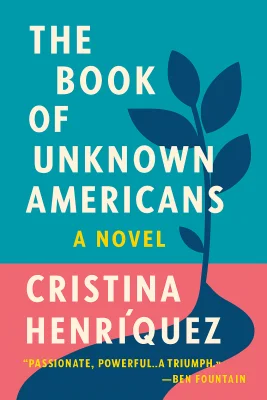
The Book of Unknown Americans
Categories
Fiction, Audiobook, Romance, Young Adult, Adult, Book Club, Contemporary, Adult Fiction, Literary Fiction, Latinx
Content Type
Book
Binding
Hardcover
Year
2014
Publisher
Knopf
Language
English
ASIN
0385350848
ISBN
0385350848
ISBN13
9780385350846
File Download
PDF | EPUB
The Book of Unknown Americans Plot Summary
Introduction
The red pickup truck smelled of cigarette smoke and gasoline as it pulled into the cracked asphalt parking lot. In the backseat, Alma Rivera nudged her fifteen-year-old daughter awake. "We're here, hija. Delaware." Outside, the American dream looked nothing like the movies—just cinder blocks, broken Styrofoam, and chain-link fences. But Alma had brought her family three thousand kilometers from their home in Pátzcuaro, México, carrying hope like a fragile bird in her chest. Maribel needed the special schools here, the doctors, the chance to heal from the accident that had stolen pieces of her mind and left her parents drowning in guilt and desperate love. What they found instead was a community of the displaced, each carrying their own wounds and stories. In the crumbling Redwood Apartments, Spanish mixed with English, dreams collided with reality, and two teenagers would find each other across the vast distances that separated their worlds. But in this new country, love and violence walked hand in hand, and the price of belonging would be measured in blood.
Chapter 1: Arrival: The Riveras' Journey to Delaware
The apartment reeked of mildew and fish. Arturo flipped the light switch and a bare bulb illuminated their new home—dingy linoleum floors, mustard-yellow walls, windows covered in plastic sheets. The kitchen stove was wrapped in aluminum foil, and bedsheets hung in place of cabinet doors. This was what Arturo's job at the mushroom farm had provided for them. They had traveled thirty hours from the border, carrying everything they owned in plastic trash bags and cardboard boxes. During the drive, they'd collected discarded furniture from American curbs—a television, a kitchen table, a mattress. "People throw away everything in the United States," their driver had said. "Even things that are still perfectly good." Now, standing in their new home, Alma felt the weight of displacement settle over them like dust. She had expected white shutters and red bricks, flower boxes and manicured lawns—America as it appeared in movies. Instead, she found cracked walls and rust stains, the smell of decay clinging to everything. Maribel stood beside her, clutching her green notebook, her expression unreadable behind dark sunglasses. The accident had changed her, stolen the vibrant girl who once painted her fingernails black and challenged the world with teenage defiance. Now she moved through life like someone walking underwater, her thoughts scattered, her memory fractured. They collapsed onto the mattress without unpacking, exhaustion overtaking hope. Outside, snow began to fall—something Maribel had never seen. In the morning, they would begin the work of building a new life from the debris of the old one, but tonight they simply held each other in the dark, listening to the unfamiliar sounds of a country that might heal their daughter or break them trying. The next day, searching for food, they encountered their first taste of American hostility. At a gas station, a teenage boy with a snake tattoo coiling up his neck stared at Maribel with predatory interest. Alma felt danger in his gaze, a threat she couldn't yet name but would learn to fear. She pulled her daughter close, recognizing that in this new world, beauty could be as dangerous as vulnerability.
Chapter 2: First Encounters: Mayor and Maribel's Fateful Meeting
Mayor Toro had spent his fifteen years feeling invisible—too small for his father's expectations, too awkward for his classmates' acceptance. While his older brother Enrique collected soccer trophies and girlfriends, Mayor collected bruises and insults. At school, they called him "Major Pollo" and made chicken noises when he passed. He'd learned to disappear into corners, to swallow his humiliation like bitter medicine. His parents Rafael and Celia had fled Panama during the American invasion, carrying their own scars and dreams. Rafael worked as a line cook, his hands perpetually stained with grease, while Celia decorated their apartment with memories of home—embroidered pillows, milk glass bowls, posters of Panamanian beaches. They had built a life from fragments, and now they watched their younger son struggle to find his place in their adopted country. When Mayor first saw Maribel in the Dollar Tree, she took his breath away. She stood in the aisle with her mother, wearing an oversized yellow sweater and canvas sneakers that belonged to another decade. Her black hair fell in waves down her back, and her face held a beauty that made him forget how to speak. He managed only clumsy words—"You just moved in"—while his heart hammered against his ribs. His mother Celia immediately took charge, offering advice about Mexican markets and hair salons, warning about restaurants with questionable hygiene. She was hungry for friendship in this country of strangers, and Alma Rivera represented the possibility of connection. The two women began talking in rapid Spanish while Mayor stood frozen, clutching a package of underwear behind his back, mortified by his adolescent awkwardness. But it was when he heard Sra. Rivera mention the Evers School that Mayor understood. Evers was where they sent the "special" kids—the ones with developmental delays, brain injuries, learning disabilities. At school, they called it the Turtle School. Looking at Maribel's ethereal beauty, he never would have guessed she belonged there. The accident, whatever it had been, had stolen something invisible but essential, leaving behind this lovely shell that housed a damaged mind. The revelation should have changed everything. Instead, it only made Mayor want to protect her more. In a world that had consistently rejected him, he recognized a kindred spirit—someone else who didn't quite fit, who moved through life slightly out of step with everyone around them. Their first meeting planted a seed that would grow into something beautiful and dangerous, a love that would challenge both families' careful plans for survival.
Chapter 3: Building Bridges: Communities of the Displaced
The Redwood Apartments became a tower of Babel in miniature, each floor housing refugees from different corners of Latin America. Fito Angelino, the landlord, had come from Paraguay dreaming of boxing glory, only to find himself managing a building full of fellow dreamers and exiles. Quisqueya Solís from Venezuela, Benny Quinto from Nicaragua, José Mercado from Puerto Rico—each carried their own stories of departure and loss. Alma found solace in their Sunday gatherings at the Toros' apartment. Celia would serve ham sandwiches with the crusts cut off, apologizing for the American bread while Rafael watched soccer and reminisced about his son Enrique's collegiate successes. "Mayor plays soccer too," Rafael would say hopefully, not knowing his younger son had been dropped from practice for his spectacular failures on the field. The building buzzed with gossip and mutual aid. When the heat failed during a winter storm, everyone crowded into the Toros' apartment, sharing body warmth and stories while candles flickered against the windows. Micho Alvarez brought his camera, capturing moments of unexpected joy—Benny leading prayer circles, Nelia dancing to "Feliz Navidad" despite Rafael's complaints about the song, Gustavo Milhojas writing letters to the army volunteering his services as a proud American. They were all unknown Americans, carrying papers or secrets, green cards or expired visas. Some had fled violence, others poverty, still others simply the suffocating certainty that somewhere else had to be better than where they'd started. They created a family from necessity and longing, sharing coffee and complaints, dreams and disappointments. In this community of the displaced, Alma began taking English classes at the Community House. The language felt dense and unforgiving compared to the open vowels of Spanish, all hard consonants and closed sounds. But she persisted, carrying a pocket dictionary and practicing words from television closed-captions. She was determined to build a bridge between her old life and this new one, to give her daughter every possible advantage. Meanwhile, Maribel slowly began to emerge from her shell. The reports from school grew incrementally more hopeful—she was responding to questions, her attention span was improving, she was learning to modulate her voice. Progress came in tiny increments, like light returning after a long eclipse, and Alma held onto each small victory as proof that they had made the right choice in coming here.
Chapter 4: Forbidden Connection: Love Against the Odds
Mayor had never kissed a girl before Maribel pressed her lips to his in the hallway outside his bedroom. The contact sent electricity through his body, a current that seemed to rearrange his molecular structure. She tasted like winter air and laundry detergent, and when she pulled away, smiling, he felt like he might dissolve from happiness. On Christmas Day, while their parents danced to holiday music, he had given her a red alpaca scarf and received his first real glimpse of the girl she might have been before the accident. Their relationship developed in stolen moments and whispered conversations. While their parents visited in the living room, Mayor and Maribel would sit on the bedroom floor, talking about snow classifications and radio stations, about the way her notebook helped her remember things and the way his family's expectations weighed on his shoulders. She told him about the accident—falling from a ladder, waking up in a hospital with pieces of her mind scattered like puzzle pieces she couldn't quite fit back together. Mayor found himself fiercely protective of this girl who spoke slowly and forgot things but who saw him more clearly than anyone else ever had. When bullies like Garrett Miller called him names or knocked his books from his hands, he endured it. But when Garrett started making crude comments about Maribel—about what someone might do to "a girl like that"—Mayor's fist connected with the side of Garrett's neck before he could think. The fight landed both boys in the principal's office and Mayor in a mountain of trouble at home. His father Rafael was already struggling with his own demons—the diner where he'd worked for fifteen years was closing, throwing the family's carefully constructed stability into chaos. The last thing Rafael needed was a son who fought at school and lied about his activities. The grounding that followed separated Mayor from Maribel for weeks, leaving him to pace their apartment like a caged animal. But teenage love finds a way. During a surprise snowstorm, Mayor stole his father's newly purchased Volkswagen and drove to Evers School, where he convinced Maribel to skip classes and join him for an adventure. They drove to Cape Henlopen, where snow fell on the ocean in a display of natural magic that left them both breathless. On the sand, they kissed with the desperation of first love, tasting salt air and possibility while the waves crashed nearby. The trip was their moment of perfect freedom, a few hours when they belonged only to themselves and each other. But every moment of happiness in their world seemed to carry the seeds of disaster, and this one would prove more costly than either could imagine.
Chapter 5: Crossing Boundaries: The Consequences of Fear
Quisqueya Solís had spent years cultivating her position as the building's primary source of gossip and judgment. Her own history of abuse had left her suspicious of men and protective of what she saw as proper behavior, especially when it came to young people. When she spotted Mayor and Maribel kissing in Rafael's car, she felt duty-bound to report their transgression to the adults who should be supervising them. The confrontation in the Rivera apartment was swift and brutal. Quisqueya described not just the kissing but what she claimed to have witnessed afterward—Mayor's wandering hands, the evidence of teenage arousal on his clothing when he emerged from the car. Alma felt the familiar clench of panic in her chest, the same fear that had gripped her months earlier when she found Maribel pressed against the building wall by the boy with the snake tattoo. That incident had been Alma's secret shame, a moment when her vigilance failed and danger slipped through. She had confronted the boy—Garrett Miller, though she didn't know his name then—going to his house in Capitol Oaks to warn him away from her daughter. He had responded by pressing his finger to her cheek like a gun barrel and whispering threats in English she could barely understand. The memory haunted her nights and sharpened her protective instincts to a razor's edge. Now, faced with evidence of Maribel's budding sexuality and Mayor's teenage desires, both sets of parents made the decision that seemed most prudent: separation. No more unsupervised visits, no more friendship, no more contact between the young people whose connection had become too dangerous to ignore. They were protecting their children, they told themselves, from consequences they weren't mature enough to understand. The decree devastated both teenagers, but in different ways. Mayor retreated into sullen rebellion, his grades slipping as he spent his days fantasizing about escape and rescue. Maribel became withdrawn and listless, the small gains she had made in school and social interaction beginning to erode. She sat by the window for hours, staring across the parking lot with the patient stillness of someone waiting for a bus that would never come. Neither set of parents understood that in trying to prevent one kind of damage, they were inflicting another. Love, even teenage love, had been healing something broken in both young people. Without it, they began to wither like plants moved away from sunlight, their connection severed but their need for each other only intensifying in the darkness of forced separation.
Chapter 6: Shattered Refuge: The Night Everything Changed
On a Friday afternoon in March, Maribel's bus never came. Alma stood at the window, watching the minutes tick by with mounting dread, her instincts screaming that something was wrong. When Arturo arrived home to find his wife pacing frantically, they both knew this wasn't simply a delayed schedule or missed connection. At the police station, Officer Mora—the same man who had dismissed Alma's concerns about Garrett Miller months earlier—took their report with professional efficiency. A missing teenager, especially one with cognitive disabilities, triggered immediate protocols. Search parties were organized, phone calls were made to the school, and patrol cars began canvassing the area. But Arturo couldn't wait for bureaucracy to work its magic. Armed with the knowledge of where Garrett lived—Capitol Oaks, that neighborhood of ranch houses and broken dreams just down the road—he set out into the evening snow to find his daughter. His cowboy boots crunched through the slush as he walked from house to house, calling Maribel's name in Spanish, his voice growing more desperate with each unanswered echo. Meanwhile, thirty miles away, Mayor and Maribel sat stranded on the side of a highway, their impromptu trip to the beach having turned into a nightmare of weather and mechanical failure. The stolen car had stalled in the storm, leaving them to sleep fitfully in the cold cabin while snow piled against the windows. They had no way of knowing that their absence was triggering a chain of events that would destroy everything they cared about. In Capitol Oaks, Arturo's search finally led him to a brown clapboard house with rusted gutters and a storm door hanging askew. Garrett Miller emerged from the shadows, and behind him came his father Leon—a man broken by war and alcohol, carrying a shotgun like an extension of his rage. The confrontation was brief and brutal: a Spanish-speaking stranger on his property, unintelligible words of desperation and pleading, the terrible finality of a trigger pulled in fear and hatred. By the time the police arrived, Arturo was bleeding out on the muddy ground, his cowboy hat lying beside him in the snow. Leon Miller stood with the smoking gun in his hands, his son staring in shock at what his father had done. The man who had crossed a continent to save his daughter's future died in a stranger's yard, killed by a father protecting his home from an imaginary threat. The American dream had become an American tragedy, written in the universal language of misunderstanding and violence.
Chapter 7: Return Journey: Finding Home After Loss
The hospital waiting room became a purgatory of hope and dread, where time moved like thick liquid and every minute stretched toward eternity. Alma sat with her hands folded in her lap, Maribel beside her, both of them suspended in the terrible space between before and after. When the doctor emerged in his green scrubs, his expression told the story before his words could land: they had lost him. The translator wept as she delivered the news, her own composure cracking under the weight of such senseless loss. Alma heard the words as if from a great distance, her mind retreating from a reality too brutal to accept. Arturo Rivera, age forty-three, husband and father, had died during surgery from complications related to gunshot wounds. The man who had built their house with his own hands, who had danced with her in their kitchen and dreamed of his daughter's recovery, was gone. In the aftermath, the community that had embraced them rallied with fierce determination. Celia organized a collection that spanned continents and cultures—teachers from Maribel's school, workers from the mushroom farm, nurses from the hospital, members of their church, and neighbors who had shared Sunday dinners and holiday celebrations. Five thousand dollars materialized from dozens of sources, enough to transport Arturo's body back to Pátzcuaro for burial. The gesture overwhelmed Alma with its generosity and grace. These people—immigrants themselves, workers with little to spare, families struggling to build their own American dreams—had given everything they could to honor a man they had known for less than a year. In their gift, she glimpsed the true heart of America: not the violence that had killed her husband, but the compassion that surrounded his death. Packing their few belongings felt like dismantling a life they had never quite managed to build. Alma found herself dropping plates on the kitchen floor, watching them shatter with a strange satisfaction. What did any of these objects matter now? What did any possession mean in the face of such devastating loss? She swept up the pieces and threw away everything that wasn't essential, paring their existence down to its absolute core. The truck that carried them south moved through landscapes that had seemed magical on the journey north but now felt merely empty—mile after mile of American highway leading them away from the place where their hopes had died. Maribel slept against her shoulder while Alma stared out the window, remembering the girl's question at the hospital: "Are we going to see him?" Such a simple inquiry to break a mother's heart into irrecoverable pieces. Somewhere in Arkansas, as green fields rolled past under an endless sky, Maribel announced she wanted to cut her hair and dye it purple when they got home. The declaration was so unexpected, so perfectly teenage and defiant, that Alma felt her daughter's personality flickering back to life like a candle reignited. Perhaps she had been looking for the wrong girl all along—not the child who had existed before the accident, but the young woman who was emerging from its aftermath, different but still recognizably, beautifully herself.
Summary
The journey that began with hope in a red pickup truck ended with grief in a black one, carrying two survivors back to the country that had shaped them. Arturo Rivera died believing in America's promise, killed by America's fear, leaving behind a wife and daughter who would carry both his dreams and his loss across the border and into whatever came next. The unknown Americans of the Redwood Apartments had given them the gift of community, if only briefly, and the money to bring their beloved home for burial in familiar soil. In the end, Alma discovered that immigration wasn't about exchanging one country for another, but about learning to carry multiple worlds within yourself—the place you came from, the place you tried to build, and the place you might still become. Maribel's recovery would continue in Mexico, marked not by the restoration of who she had been, but by the emergence of who she was becoming: a girl who wanted purple hair and her own radio station, who could love and be loved, who would find her own way forward through a world that had been forever altered by their American interlude. The border between countries, like the border between past and future, was something you carried with you always, a scar that became a source of strength.
Best Quote
“We're the unknown Americans, the ones no one even wants to know, because they've been told they're supposed to be scared of us and because maybe if they did take the time to get to know us, they might realize that we're not that bad, maybe even that we're a lot like them. And who would they hate then?” ― Cristina Henriquez, The Book of Unknown Americans
Review Summary
Strengths: The novel's structure is praised for its clarity and poignancy, particularly revealed in the final chapter. The portrayal of immigrant experiences and the formation of a community among diverse Latinx characters is highlighted. The author, Cristina Henríquez, is commended for her ability to convey deep emotions through concise prose, effectively capturing the humanity, struggles, and dreams of the characters. Weaknesses: Some reviewers felt that the novel could have delved deeper into character development and wished for a more significant role for the vividly drawn secondary characters. The plot choices left some readers desiring a more epic narrative. Overall: The novel is described as moving and powerful, effectively portraying the immigrant experience and the humanity of its characters. While there are areas for deeper exploration, it remains an emotionally resonant work that is recommended for its tender depiction of young love and community.
About Author

Cristina Henríquez
Henríquez explores the intricate narratives of immigration and identity through her literary works, focusing on the personal and emotional dimensions of immigrant experiences rather than abstract political discussions. Her distinctive style, known for its humanizing portrayal and multi-voiced narratives, avoids reductive stereotypes. This approach is evident in her novel "The Book of Unknown Americans", a highly acclaimed book that delves into the lives of immigrants in the United States. The novel was celebrated as a New York Times Notable Book and earned accolades such as being a finalist for the Dayton Literary Peace Prize. Meanwhile, her recent novel "The Great Divide" delves into the cultural collision during the construction of the Panama Canal, drawing from her family's history and extensive research, and was recognized as a TODAY Show Read With Jenna pick.\n\nHenríquez's work, featured in prestigious outlets like The New Yorker and The Atlantic, reaches audiences seeking narratives that delve deeply into cultural and communal belonging. Her background, shaped by her Panamanian-American heritage and education at the Iowa Writers' Workshop, informs her commitment to depicting the nuanced realities of immigrants. This bio illustrates how her exploration of identity and belonging resonates widely, providing readers with a deeper understanding of these universal themes. As she continues her literary pursuits in Illinois, Henríquez connects with audiences who value stories that foreground the human condition amid diverse cultural landscapes.
Read moreDownload PDF & EPUB
To save this Black List summary for later, download the free PDF and EPUB. You can print it out, or read offline at your convenience.
The Book of Unknown Americans
by Cristina Henríquez
