Categories
Fiction, Classics, Audiobook, Historical Fiction, Thriller, Historical, Novels, Italy, Crime, Renaissance
Content Type
Book
Binding
Mass Market Paperback
Year
2002
Publisher
Avon
Language
English
ASIN
0061032425
ISBN
0061032425
ISBN13
9780061032424
File Download
PDF | EPUB
The Family Plot Summary
Introduction
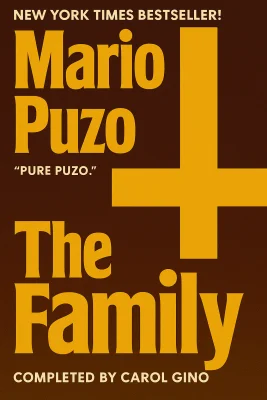
# Sacred Shadows: The Borgia Dynasty's Rise and Ruin The summer sun of 1492 burns across Rome's cobblestones as Cardinal Rodrigo Borgia strides toward the house where his three children wait. Behind him, the Sistine Chapel still echoes with the whispers of twenty-three cardinals who have just elected him Pope Alexander VI. The white smoke carries more than divine blessing—it carries the scent of gold changing hands, of promises made in shadow, of a Spanish bastard who has purchased the throne of Saint Peter with calculated precision. In this Renaissance world where everything bears a price tag—churches, priests, pardons, even God's forgiveness—the new Pope understands power's arithmetic better than most. His children will become his greatest weapons and his most dangerous vulnerabilities. Cesare burns with warrior's fire beneath cardinal's scarlet. Lucrezia's golden beauty will seal alliances or destroy them. Young Jofre carries secrets that could topple kingdoms. As foreign armies mass beyond the Alps and Italian nobles sharpen their knives, the Borgia family stands at the precipice of absolute power. But in Renaissance Italy, where brothers murder brothers and kings fall like autumn leaves, they will discover that the price of dominion is always paid in blood.
Chapter 1: The Spanish Cardinal's Ascension: Rodrigo Claims the Papal Throne
The conclave chamber reeks of sweat and ambition. For six days, twenty-three cardinals have deadlocked in their sacred duty while Rome bleeds in the streets below. Over two hundred murders stain the cobblestones as citizens cower behind barricaded doors, waiting for God's representative to emerge and restore order to chaos. Cardinal Rodrigo Borgia presses his amber amulet against his chest, feeling destiny pulse beneath his fingers. Thirty-five years of diplomatic cunning have led to this moment. The other cardinals whisper that no Spanish bastard should wear the papal crown, but Rodrigo possesses something his rivals lack—absolute certainty in his own divine appointment. On the final night, shadows dance through chapel corridors as sacred becomes profane. Cardinal Ascanio Sforza accepts promises of the vice-chancellorship and vast territories. Others receive castles, benefices, chests of gold ducats. Even Cardinal Giuliano della Rovere, Rodrigo's most bitter enemy, claims the fortress of Ostia as his price. The throne of Saint Peter goes to the highest bidder, and Rodrigo Borgia has calculated his offer with merchant's precision. White smoke rises like answered prayer. From the Vatican window, a figure appears, casting paper fragments into the morning air like confetti. "We have as Pope, Cardinal Rodrigo Borgia of Valencia, Pope Alexander VI!" The crowd below weeps with relief, crossing themselves as order returns to their blood-soaked city. But in the chapel's shadows, della Rovere's eyes burn with hatred that will outlast kingdoms. The Spanish Pope has won his prize, yet the real war begins now. Alexander VI stands at his window, surveying the eternal city that belongs to him, unaware that his greatest triumphs will birth his most terrible enemies. The Borgia dynasty has claimed its throne, but the cost of keeping it will demand sacrifices that even this calculating Pope cannot yet imagine.
Chapter 2: Blood and Ambition: Family as Currency in Renaissance Politics
Pope Alexander's first decree flows like divine wrath through Rome's lawless streets. The first assassin swings from a gibbet, his brother beside him, their house reduced to smoking rubble. Within weeks, the murders cease. Rome has found its strong hand, and citizens praise their new Holy Father with genuine gratitude born of survival. But Alexander's thoughts turn swiftly to his greatest treasures—his children. Seventeen-year-old Cesare burns with intelligence and fury beneath his cardinal's scarlet, every fiber of his being yearning for the battlefield his holy vows deny him. Juan, golden and arrogant, will command papal armies despite his incompetence. Young Jofre must wed Sancia of Naples to secure that treacherous kingdom's alliance. Thirteen-year-old Lucrezia stands radiant in red velvet as her wedding to Giovanni Sforza transforms the Vatican's Great Hall into a theater of dynastic ambition. Rubies and diamonds crown her white-gold hair while her eyes seek only one face in the crowd—Cesare, magnificent in cardinal's black, watching with barely concealed anguish as his sister becomes another man's property. The marriage bed becomes a stage for papal politics. Witnesses arrange themselves in velvet chairs as Lucrezia fulfills her dynastic duty, her young body sealing the alliance with Milan through flesh and blood. Alexander sits with jeweled rosary beads, his gaze fixed on crusader tapestries while his daughter's cries echo through the chamber. That night, as Rome celebrates with wine and song, the true cost of Borgia ambition becomes clear. Love is luxury the papal family cannot afford. Every relationship serves the greater design of Italian dominance. Lucrezia's innocence, Cesare's desires, Juan's incompetence—all become pieces on Alexander's chessboard. The Pope who purchased his throne with gold now pays for his dynasty's future with his children's happiness, trading their hearts for the promise of eternal power.
Chapter 3: The Warrior Cardinal: Cesare's Transformation and Military Conquests
The scarlet robes fall like spilled blood across marble floors as Cesare Borgia stands naked before his destiny. The papal dispensation releasing him from cardinal's vows lies signed on his desk—his father's final gift of freedom. Black armor waits like a second skin, forged not just of steel but of years of suppressed rage and thwarted ambition. "I was never meant for prayer," Cesare tells his reflection as he dons the dark plates. When he emerges from his chambers, Rome gasps. The reluctant cardinal has died; the condottiere is born. His first campaign targets the Romagna, where petty lords rule papal territories like personal kingdoms, their defiance a cancer Alexander can no longer tolerate. At Imola, Cesare's reputation precedes him like a plague wind. Gates swing open without siege engines or bloodshed. Citizens pour into streets not in terror but celebration, for they have heard of this dark prince who pays his soldiers well and forbids rape or pillage. The warrior-cardinal conquers through competence, not cruelty. But Forli will not yield so easily. Caterina Sforza, the She-Wolf of Romagna, stands atop her castle walls in full armor, a sword gleaming in one hand while a falcon perches on the other. When Cesare approaches under truce flags, she springs her trap. Boiling oil cascades from murder holes as iron portcullises crash down. Only a desperate leap into the moat saves him from death. The siege that follows becomes personal. Cesare's cannons pound ancient stones to dust while Swiss pikemen prepare their final assault. When the walls finally crumble, Caterina is dragged before him in chains, her blue eyes blazing with unrepentant fury. In the dungeon beneath her ruined fortress, conqueror and conquered discover that some battles are won not through force but through the darker territories of desire and dominance.
Chapter 4: Forbidden Bonds: Love, Murder, and Family Loyalty
The vineyard outside Rome shimmers in evening light as Vanozza Cattanei welcomes her children to what should be celebration. Pope Alexander's former mistress has prepared a feast of goose liver and fresh lobster, wine from her own vines flowing like liquid gold. But Juan arrives drunk and belligerent, his tongue loosened by wine and resentment that has festered like infected wounds. "Here's to my brother's escape from the French," Juan slurs, raising his goblet in mocking salute. Wine spills across his doublet as he sways. "To his skill at avoiding danger wherever it arises. Whether by wearing cardinal's hat or fleeing battle. Some call it daring—I call it cowardice." The words hang in summer air like a death sentence pronounced. Cesare's hand flies to his sword hilt, dark eyes blazing with murderous fire. Only Vanozza's desperate pleas and restraining hands prevent bloodshed. Juan laughs at his brother's rage, then departs with his mysterious masked companion, riding into Roman night. He will never return alive. Dawn brings terrible news. Juan's horse wanders riderless, one stirrup slashed by sword stroke. His squire lies dying in Piazza della Giudecca, tongue severed, fingers cut away, unable to speak or write of what horrors he witnessed. Pope Alexander collapses in grief, his golden rosary clutched between trembling fingers while the Holy Guard searches every shadow and alley. The fisherman's nets drag Juan's corpse from the Tiber at three o'clock. Nine stab wounds pierce his blue velvet cloak, throat opened from ear to ear. His purse still holds thirty ducats—this was murder, not robbery. Someone wanted the Pope's son dead, and they ensured their work was thorough. As a thousand mourners carry Juan to his tomb by torchlight, Alexander watches alone from his tower, his favorite son disappearing into darkness forever while the real killer walks free among the mourners.
Chapter 5: Empire of Shadows: The Peak of Borgia Power and Influence
With Juan's blood still staining the Tiber, the mantle of leadership falls to Cesare like destiny fulfilled. Alexander, broken by grief but still cunning, finally sees his eldest son clearly. The Church needs a warrior Pope, and Cesare possesses the intelligence, courage, and ruthless ambition to unite Italy's fractured states under papal authority. Lucrezia emerges from her convent sanctuary, her marriage to Giovanni Sforza annulled on grounds of impotence—a humiliation the duke accepts rather than face the Pope's wrath. She will marry Alfonso of Aragon, her beauty and grace cementing the Neapolitan alliance. Each Borgia child becomes a living piece on Alexander's chessboard of Italian politics. The enemies circle like wolves scenting weakness. Cardinal della Rovere plots in French exile, promising King Louis XII that he will convene a General Council to depose the Spanish Pope. The Orsini and Colonna families sharpen their swords, waiting for any sign of vulnerability. Venice watches from lagoon shadows, ready to seize papal territories if Alexander falters. But the Pope has survived French invasion, transformed enemies into allies, and placed his children in positions of power throughout the peninsula. Cesare prepares to shed his cardinal's robes permanently and take up the sword. The Papal States will be united under Borgia rule, foreign invaders driven from Italian soil, and the Holy Roman Church emerge stronger than ever before. As Cesare's black armor gleams in Vatican corridors and Lucrezia's golden hair catches Roman sunlight, Alexander's vision crystallizes. The price has been paid in blood and betrayal, but the Borgia dynasty stands at its zenith. In Renaissance Italy's treacherous world, only the ruthless survive—and no family has proven more ruthless than the Spanish Pope and his magnificent, terrible children.
Chapter 6: The Poison Cup: Alexander's Death and Dynasty's Collapse
The banquet at Cardinal Corneto's villa should crown a decade of Borgia triumph. Pope Alexander, now in his eleventh year on Saint Peter's throne, raises his goblet to toast his son's victories. Wine gleams like liquid rubies in torchlight while laughter fills the garden air. But fate has prepared a different vintage entirely. Within hours, both father and son writhe in agony. Fever burns through their bodies like wildfire while physicians apply leeches to drain poisoned blood. The creatures drop from Alexander's neck like bloated berries, gorged yet useless. The great Rodrigo Borgia, who conquered the papacy itself, lies dying in sheets soaked with his own sweat. "My son," Alexander whispers to Cesare, his voice barely audible above the death rattle in his chest, "I have given you everything except what matters most. Power without love brings us closer to beasts than angels." Cesare, fighting his own battle against the same poison, can only watch as his father's body swells and blackens with corruption. When death finally claims Pope Alexander VI, his corpse becomes so grotesquely enlarged that the coffin lid must be hammered shut by force. Even in death, the Borgia Pope seems larger than life itself. Rome explodes into chaos as mobs hunt Spanish blood through the gutters. Anyone connected to the fallen dynasty flees or dies. Cardinal Giuliano della Rovere emerges from two decades of exile with vengeance burning in his eyes. The conclave that follows is swift and merciless. When della Rovere becomes Pope Julius II, Cesare's fate is sealed. The fortresses he conquered declare independence. The armies he commanded scatter like leaves before winter wind. The hunter has become the hunted, and the Borgia empire crumbles to dust in a single night.
Chapter 7: Final Reckoning: Cesare's Fall and the Price of Absolute Power
The Spanish prison cell stinks of despair and human waste. Cesare Borgia, once the most feared man in Italy, sits in chains contemplating the ruins of his ambitions. Stone walls weep moisture like tears while rats scurry through shadows where cardinals once bowed. The dark prince who conquered the Romagna now measures his kingdom in paces between damp walls. But even caged wolves retain their bite. When Duarte Brandao appears like a ghost in the night, rope coiled over his shoulder, Cesare tastes freedom once more. The escape is audacious—a coffin for transport, bribes for guards, desperate rides through Spanish hills toward the kingdom of Navarre where his sister Charlotte waits with open arms. King Jean welcomes his brother-in-law with genuine affection and a soldier's understanding. Here, finally, Cesare finds something he had forgotten existed—friendship without calculation, loyalty without price. They hunt together, wrestle like brothers, and plan for the day when Charlotte and their daughter Louise will join them in this sanctuary from Italian treachery. But betrayal follows Cesare like his own shadow. When Count Louis de Beaumonte threatens Navarre's villages with fire and sword, Cesare volunteers to lead the attack on Viana castle. The walls crumble under artillery fire, creating a breach wide enough for cavalry to charge through. Cesare spurs his horse toward the gap, lance lowered, expecting his men to follow. When he turns in the saddle, he sees them standing motionless—bought, bribed, betrayed. The cavalry he trusted has sold him to his enemies. Alone, Cesare charges into the breach. His sword cuts down two men, then three, then four. But there are too many, and his horse falls beneath him. Standing over his dying mount, Cesare fights with the fury of a man who has nothing left to lose. When the spears finally find their mark, Cesare Borgia dies as he lived—in violence, in defiance, and utterly alone.
Summary
The Borgia saga stands as Renaissance Italy's darkest masterpiece, where a Spanish cardinal's rise to papal power unleashed forces that would reshape the peninsula in blood and gold. Alexander VI's love for his children became both his greatest strength and his fatal weakness, driving him to commit sins that echo through history. Cesare's transformation from reluctant cardinal to masked prince of war embodied the era's brutal pragmatism, while Lucrezia's journey from innocent pawn to hardened ruler revealed the true cost of political survival in a world where family bonds served as both weapons and vulnerabilities. Their story illuminates the terrible mathematics of absolute power, where love becomes currency and sacred vows crumble before earthly ambition. In seeking to build an eternal dynasty, the Borgias instead created a cautionary tale about the price of reaching too high, grasping too tightly at crowns that turn to dust in mortal hands. The Spanish Pope who purchased heaven's throne with earthly gold discovered that some debts can only be paid with souls, and some victories cost more than defeat ever could.
Best Quote
“We are a family, and the loyalty of the family must come before anything and everyone else. For if we honor that commitment, we will never be vanquished-but if we falter in that loyalty we will all be condemned.” ― Mario Puzo, The Family
Review Summary
Strengths: The review highlights the book's magnificent writing and faithful portrayal of historical characters, emphasizing the human aspects of the Borgia family. The narrative is described as practical, lucid, and engaging, effectively transporting readers to the Renaissance era. The characters are portrayed as strong and memorable, with none overshadowing the others. Weaknesses: The review notes that while the book is comprehensive, it could have delved deeper into certain aspects. There is a suggestion that the narrative, though agile, might oversimplify complex historical events. Overall: The review conveys a positive sentiment, appreciating the book's engaging style and character development. It recommends the book for its vivid depiction of the Borgia family's ambition and power struggles, despite some areas that could benefit from further exploration.
About Author

Mario Puzo
Puzo explores the intersection of heritage and ambition through narratives rooted in his Neapolitan immigrant background. His writing often delves into themes of family loyalty, power dynamics, and the immigrant experience, drawing from personal history and extensive research into organized crime. With a knack for melodramatic storytelling, Puzo’s work connects readers to the ethical complexities and secretive codes of the Mafia, as epitomized in his best-selling book, "The Godfather". His purpose was clear: to craft stories that resonated widely, fulfilling both creative and financial goals.\n\nThe author's career reflects a trajectory from critically praised yet commercially lacking books to mainstream success. Puzo initially faced challenges with his early novels like "The Dark Arena" and "The Fortunate Pilgrim", which garnered positive reviews but did not achieve significant sales. Motivated by the need to support his family and advised by his publisher, Puzo shifted his focus, resulting in "The Godfather". This transformation showcased his ability to appeal to a broader audience while maintaining intricate themes of power and family.\n\nReaders gain insight into the duality of the American Dream through Puzo's works, which juxtapose aspiration with the moral ambiguity faced by his characters. Beyond captivating plots, Puzo's novels invite readers to ponder complex societal issues, making his narratives both entertaining and thought-provoking. His recognition includes winning two Academy Awards for Best Adapted Screenplay, demonstrating his impact not only on literature but also on film. This bio of Mario Puzo highlights how his literary contributions continue to influence both genres and readers worldwide.
Read moreDownload PDF & EPUB
To save this Black List summary for later, download the free PDF and EPUB. You can print it out, or read offline at your convenience.
The Family
by Mario Puzo
