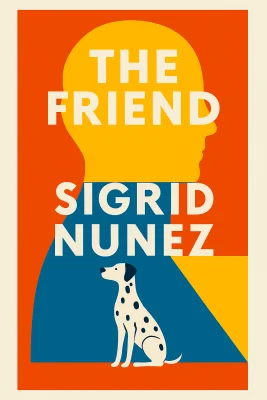
The Friend
Categories
Fiction, Animals, Audiobook, Grief, Literature, Book Club, Contemporary, Novels, Literary Fiction, Dogs
Content Type
Book
Binding
Paperback
Year
2019
Publisher
Riverhead Books
Language
English
ASIN
0735219451
ISBN
0735219451
ISBN13
9780735219458
File Download
PDF | EPUB
The Friend Plot Summary
Introduction
The phone call came on a winter morning, cutting through the ordinary silence of a New York apartment like a blade through silk. He was gone. Your friend, your mentor, your complicated companion of thirty years—dead by his own hand, leaving behind only questions and a massive Great Dane named Apollo who howled at empty doors. In the strange arithmetic of grief, what begins as one loss becomes two: first the man who taught you to write, then the dog nobody wants. Wife Three, elegant and brittle as winter glass, makes her request over espresso in a Brooklyn café. She cannot keep this beautiful, broken creature who waits for a master who will never return. The dog needs a home. You live alone, work from home, love animals. Simple. Except your lease forbids pets, your apartment barely fits you, and taking in this grieving giant means risking everything you have left.
Chapter 1: The Unexpected Inheritance: A Friend's Death and His Dog
The morning after the memorial service, you find yourself walking through emptied streets, replaying conversations that now feel like prophecies. He had spoken of suicide before, casually, intellectually, the way professors discuss Milton or mortality rates. You all assumed it was just talk—the dark musings of a man who collected philosophical quotes like other people collected wine. But signs had been there. The sudden retirement from teaching, the complaints about student sensitivities and literary world politics growing sharper, more bitter. The interview he gave to that small midwestern journal, predicting a wave of suicides among writers. When you asked him about it later, he seemed embarrassed, claimed he'd been drinking. Wife Three sits across from you in the café, her perfectly applied makeup a armor against the world's pity. She shakes her head slowly as she speaks, as if denying every word that emerges from her lips. The dog, she explains, has stopped eating, stopped sleeping. He sits by the front door of their Brooklyn brownstone, waiting. Sometimes he makes sounds—not barks, but something deeper, more primal. A keening that wakes her in the small hours and reminds her, again and again, that she is now alone. "I can't," she says simply. "If I bring him home, he'll spend the rest of his life waiting by that door." Her voice cracks slightly. "And he deserves better than that."
Chapter 2: Reluctant Guardian: Welcoming Apollo into a Forbidden Space
The dog that emerges from the kennel looks like mythology made flesh. Apollo—the name fits him like destiny—stands thirty-four inches at the shoulder, weighs nearly two hundred pounds, and moves with the dignity of fallen royalty. His coat displays the distinctive harlequin pattern of his breed: patches of black scattered across pure white like ink blots on fresh snow. His eyes are the color of autumn leaves, startlingly human in their intelligence and grief. When he looks at you, it's with the expression of someone who has learned not to expect good news. He follows you home with mechanical obedience, climbs five flights of stairs without complaint, and immediately claims the forbidden territory of your bed. "Down," you say, remembering Wife Three's assurances about his training. He lifts his massive head, considers you for a long moment, then settles more firmly into the comforter. When you approach to physically remove him, he growls—low, certain, final. It's the sound of someone who has lost everything and will not be moved again. That first night, you sleep on an air mattress while Apollo stretches across your bed like a continent. But in the darkness, something shifts. You wake to find him studying you with forensic intensity, his nose investigating every inch of your prone form. Then, with surprising gentleness, he places one enormous paw on your chest—a gesture that feels less like dominance than benediction.
Chapter 3: Parallel Mourning: Two Souls Grieving the Same Loss
The early weeks blur together in a haze of accidents and adjustments. Apollo moves through your small apartment like a ghost ship navigating shallow waters, his massive frame somehow managing not to destroy everything he touches. But his depression is a living thing, radiating from him in waves of melancholy that seem to bend the very air. He won't play with other dogs at the park. Won't chase balls or sticks. Other dog owners approach with friendly advice—"He needs more exercise!" "Try this toy!" "Have you considered doggy daycare?"—but you see the truth in his eyes. Apollo isn't antisocial; he's grieving. He understands, with the terrible clarity of animals, that his person is never coming home. The parallel nature of your mourning becomes clear during those long winter walks. You both move slowly, heads down, processing loss in your own ways. When curious strangers stop to admire his beauty or ask about his breed, you feel the familiar exhaustion of performing normalcy. Apollo endures the attention with stoic patience, but his tail never wags. Even his beauty feels like a burden—something that draws attention when all he wants is to disappear. Your own grief manifests in strange ways. You catch yourself setting two coffee cups on the counter, or reaching for your phone to share some observation with a friend who no longer has a number. The literary world continues its perpetual motion machine of publications and reputations, but it all feels suddenly hollow, like watching shadows dance on a cave wall.
Chapter 4: Threatened Sanctuary: Fighting to Preserve Their Bond
Hector, the building super, approaches with apologetic determination. He's returned from Mexico to find a violation of lease terms so obvious it might as well be advertised in neon. "You cannot keep that animal here," he says, his English careful and formal. "Not even temporary." The building management office sends its warnings in escalating tones of bureaucratic menace. First politely requesting compliance, then firmly demanding action, finally threatening eviction proceedings. Your friends, well-meaning but practical, organize an intervention over drinks and concerned emails. They speak of pathological grief, of magical thinking, of the difference between love and obsession. But as winter deepens into something that feels like permanent twilight, you realize you've crossed some invisible boundary. This isn't about pets or leases or rational decision-making anymore. Apollo has become your anchor to something larger than grief, something that feels dangerously close to purpose. When he suffers one of his attacks—sudden seizures of terror that leave him cowering and shaking uncontrollably—you find yourself whispering promises neither of you believes. "We'll figure it out," you tell him, your hand resting on his trembling flank. "Something will work out." But eviction notices don't respond to faith, and miracles seem to be in short supply in rent-controlled Manhattan apartments.
Chapter 5: Literary Catharsis: Writing Through the Pain
The writing won't come. You sit at your desk while Apollo stretches behind the couch, both of you united in stubborn unproductivity. The book project about trafficking victims lies abandoned—too much real horror, too little understanding. The deadline passes, then the extension, then the editor's patience. But one afternoon, reading student papers aloud, you notice Apollo approaching with unusual interest. His mismatched ears prick forward as your voice fills the small space. When you pause, he nudges your hand with his massive head and performs an awkward little dance of anticipation. "You want me to keep reading?" you ask, and his tail moves in what might generously be called a wag. So you begin reading to him. Rilke's Letters to a Young Poet, because the book is nearby and because its advice about solitude and suffering suddenly feels urgently relevant. Apollo settles at your feet, his enormous weight pinning you in place, his breathing gradually synchronizing with the rhythm of your voice. The daily reading sessions become ritual, then necessity. You work your way through poetry, philosophy, fiction—anything that makes your voice rise and fall with meaning. Apollo listens with the focused attention of a child being told bedtime stories, occasionally lifting his head to study your face when the tone shifts toward melancholy.
Chapter 6: The Emotional Support Certificate: A Bureaucratic Miracle
The therapist's office smells of sandalwood and good intentions. You've agreed to these sessions reluctantly, part of a bargain struck with friends who fear you're dissolving into pathological grief. Dr. Kessler speaks in the measured tones of someone trained to defuse emotional explosives, but his questions feel like intrusions into private chambers of loss. "Bring the dog next time," he suggests after a particularly tearful session. "I'd like to meet him." Apollo enters the therapist's office like dignity incarnate, his presence immediately changing the room's energy. He settles beside your chair with the gravitas of a seasoned therapy veteran, occasionally placing his massive head on your knee when the conversation grows difficult. "This relationship is providing essential emotional support," Dr. Kessler observes, watching the wordless communication between you. "The loss of which could be genuinely harmful to your mental health." The certificate arrives by mail three days later, signed and notarized, officially transforming Apollo from illegal pet to medical necessity. The building management company's lawyer reviews the documentation with the weary efficiency of someone who's seen every trick in the book. But the Americans with Disabilities Act has teeth, and the paperwork is legally sound. "Fine," comes the grudging response. "The animal can stay."
Chapter 7: Final Respite: Summer by the Shore with an Aging Companion
The cottage on Long Island offers the gift of time borrowed from someone else's ending. A friend's mother, now lost to dementia, has left behind roses in magnificent bloom and a view of the ocean that makes even Apollo lift his graying muzzle to catch salt-sweet breezes. Here, away from city streets and elevator witnesses, you can see more clearly how age is claiming him. His morning stiffness, the careful way he navigates steps, the increasing accidents that no amount of vigilance prevents. The vet's words echo with new urgency: "You'll let me know when it's time." But for now, there are perfect days. Apollo sprawls in patches of sunlight while you read on the porch, both of you settling into rhythms that feel almost like peace. The ocean provides soundtrack and boundary, its endless conversation with the shore offering a kind of absolution neither of you expected. On the beach at dusk, you watch a young man throw sticks for his Weimaraner, both of them gloriously alive in their shared joy of the game. Apollo observes without envy or longing—emotions that require hope he no longer possesses. But when butterflies drift across the lawn like living confetti, settling briefly on his massive frame, he doesn't flinch. Perhaps this is what acceptance looks like: the ability to let beauty rest on you without trying to possess it.
Summary
The story that began with a phone call announcing death becomes something unexpected: a meditation on the strange mathematics of love and loss. Apollo, the dog nobody wanted, becomes the companion you never knew you needed, teaching lessons about grief that no human could provide. In learning to care for his broken dignity, you discover pathways through your own mourning that words alone could never map. As summer fades and the borrowed time at the cottage draws to its close, you understand that some rescues work in both directions. Apollo saved you as much as you saved him—not from death, but from the smaller tragedy of living without purpose. In a world that measures worth by productivity and achievement, you found meaning in the simple act of bearing witness to another's pain, of refusing to let suffering go uncomforted. The writing may return, or it may not. But this story—of two grieving creatures who found solace in each other's company—has already taught you everything about love that words can hold.
Best Quote
“What we miss - what we lose and what we mourn - isn't it this that makes us who, deep down, we truly are. To say nothing of what we wanted in life but never got to have.” ― Sigrid Nunez, The Friend
Review Summary
Strengths: The review highlights the novel's exploration of themes like loss, grief, and healing, which are deeply reflective and thought-provoking. The narrative's ambiguity regarding the protagonist's intentions adds a layer of intrigue. The writing is described as extraordinary, particularly in its treatment of writing and subjective experiences of life and death. The relationship between the woman and the dog, Apollo, is portrayed as complex and evolving. Overall: The reviewer expresses a strong appreciation for the novel, emphasizing its emotional depth and literary quality. The book is recommended, especially for those interested in introspective narratives about grief and healing. The novel's National Book Award win is seen as a well-deserved recognition.
About Author

Sigrid Nunez
Nunez delves into the intricacies of human connection through her exploration of themes like loneliness, grief, and friendship. Her multicultural background significantly influences her writing, providing a rich context for narratives that often blend fiction with autobiographical elements. In works like "A Feather on the Breath of God" and "The Last of Her Kind", she delves into immigrant identity and the socio-political activism of the 1960s, intertwining personal experiences with broader existential questions. Her spare, witty prose is recognized for its ability to evoke deep emotional resonance while maintaining an oblique, contemplative tone.\n\nThrough a methodical blending of memoir and essay within her fiction, Nunez offers readers a reflective lens on life's profound issues. Her book, "The Friend", which won the National Book Award for Fiction, epitomizes this approach by examining grief and companionship in an intimate narrative framework. Meanwhile, "Salvation City" portrays a child's perspective on a global pandemic, showcasing her ability to tackle diverse themes with sensitivity and insight. Readers find her work both enlightening and accessible, as it presents complex themes with clarity and thoughtfulness.\n\nSigrid Nunez's impact extends beyond her novels; she has received numerous accolades, including a Guggenheim Fellowship and the Windham-Campbell Literature Prize. Her contributions to literary journals and anthologies further cement her status as a significant contemporary voice. Nunez's novels and essays are celebrated for their nuanced exploration of identity and social themes, making her a pivotal figure for audiences interested in reflective, socially aware literature.
Read moreDownload PDF & EPUB
To save this Black List summary for later, download the free PDF and EPUB. You can print it out, or read offline at your convenience.
The Friend
by Sigrid Nunez
