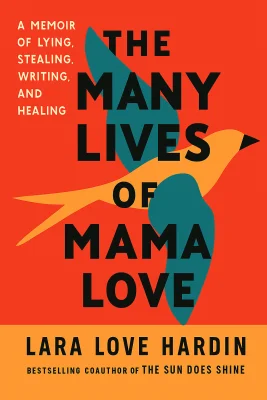
The Many Lives of Mama Love
A Memoir of Lying, Stealing, Writing, and Healing
Categories
Nonfiction, Biography, Memoir, Audiobook, True Crime, Adult, Biography Memoir, Book Club, Crime, Addiction
Content Type
Book
Binding
Kindle Edition
Year
2023
Publisher
Simon & Schuster
Language
English
ASIN
B0BPDNW33W
ISBN13
9781982197667
File Download
PDF | EPUB
The Many Lives of Mama Love Plot Summary
Introduction
In the annals of American redemption stories, few narratives capture the dramatic arc from rock bottom to literary success quite like this extraordinary journey. The story begins with a devastating newspaper headline that branded its subject "The Neighbor from Hell" and follows her through the depths of addiction, incarceration, and public shame to her eventual rise as a celebrated ghostwriter working alongside luminaries like Archbishop Desmond Tutu and the Dalai Lama. This is the story of a woman who lost everything—her children, her home, her dignity—only to discover that sometimes we must be completely broken before we can be rebuilt into who we were meant to become. Through her harrowing descent into heroin addiction and identity theft, followed by nearly a year in county jail, we witness not just the destructive power of addiction but also the remarkable resilience of the human spirit. Her journey from writing fraudulent checks to collaborating on New York Times bestsellers reveals profound truths about second chances, the power of literature to transform lives, and the courage required to own one's story completely. Readers will gain insight into the brutal realities of America's criminal justice system, the unexpected grace found in the darkest places, and the transformative power of radical honesty.
Chapter 1: The First Addiction: Escape Through Books and Pills
Long before heroin entered the picture, there existed a different kind of addiction—one that began innocuously enough with books tucked under childhood covers and flashlights providing the only illumination in a dark world. Reading became the first escape from a childhood marked by violence, abandonment, and emotional neglect. From kindergarten through high school, books offered sanctuary from a reality too harsh to bear directly. The escapism that began with Nancy Drew mysteries and Nora Roberts novels would later morph into something far more dangerous. The progression from literary escape to pharmaceutical relief followed a predictable pattern. During a visit to her boyfriend's family home while caring for their infant son, she discovered a prescription bottle filled with hundreds of Percocet pills. The label read "as needed for pain," and emotional pain certainly qualified. That first pill dissolved twenty minutes later into warmth, joy, and the feeling of finally belonging somewhere. What had started as anxiety about meeting disapproving in-laws transformed into genuine connection and storytelling. The pills worked magic that books alone could no longer provide. Where literature offered temporary escape from reality, opiates offered a complete rewriting of reality itself. The difference was crucial—books required her active imagination to transport her elsewhere, while pills simply made wherever she was feel like exactly where she needed to be. The stealing began almost immediately, not with dramatic criminal intent, but with the casual pilfering of a family member's medication. Years passed between that first pill and the complete destruction that would follow. During this time, she maintained the facade of a successful life—marriage, children, career, community involvement. She coached Little League, served on school boards, and hosted playdates, all while secretly consuming increasing quantities of prescription medication. The pills enabled her to be the perfect suburban mother she thought she needed to be, even as they slowly eroded her authentic self. What made this addiction particularly insidious was how it masqueraded as enhancement rather than impairment. Unlike alcohol or illegal drugs, prescription pills carried an aura of medical legitimacy. She could tell herself she was treating anxiety, managing stress, or addressing legitimate pain. The pills didn't make her sloppy or obviously intoxicated; they made her feel normal, capable, and present. This would prove to be both their greatest appeal and their most dangerous deception. The transformation from therapeutic use to full-blown addiction happened gradually, then suddenly. What began as a few pills to ease social anxiety became a daily requirement for basic functioning. By the time she recognized the problem, the pills had become not just a crutch but the very foundation upon which her entire identity rested. The woman who could function beautifully in the world existed only with pharmaceutical assistance; without them, she felt fundamentally broken and inadequate.
Chapter 2: Downward Spiral: Identity Theft and Incarceration
The transition from prescription pills to heroin represented more than just a change in substances—it marked the complete abandonment of any pretense of respectability or control. When pills became too expensive and difficult to obtain reliably, heroin offered a cheaper, more accessible alternative. What began as smoking evolved into injection, each escalation justified by the increasing desperation of addiction. The suburban mother disappeared, replaced by someone unrecognizable even to herself. Financial resources evaporated with startling speed. The comfortable middle-class lifestyle that had cushioned her pill addiction couldn't sustain the voracious appetite of heroin dependency. Every dollar earned or borrowed disappeared into the black hole of drug purchases, leaving bills unpaid and basic necessities unmet. The power company shut off electricity, grocery money became drug money, and the mortgage fell further behind each month. Yet still the drugs demanded their daily tribute. Identity theft emerged as the solution to an impossible equation—how to maintain both a drug habit and the appearance of normal family life. Starting with neighbors' mail and proceeding to stolen credit cards, she developed increasingly sophisticated methods of financial fraud. Each crime felt both devastating and insignificant simultaneously; devastating because it represented another step away from who she thought she was, insignificant because the drugs made all consequences seem manageable and distant. The crimes escalated in both frequency and audacity. What began as desperate attempts to pay for groceries while maintaining her habit evolved into elaborate schemes involving fake credit card numbers and multiple identities. The irony was bitter—a woman who had once prided herself on integrity and honesty now survived through systematic deception and theft. The drugs didn't just change her behavior; they fundamentally altered her relationship with truth itself. The morning of the arrest arrived with the inevitability of dawn. Police surrounded their cul-de-sac home as she sat with her toddler son, watching children's television and pretending normalcy was still possible. The handcuffs felt both foreign and familiar, the culmination of a journey that had been leading toward this moment for months. Watching her three-year-old son being taken away by Child Protective Services while she stood helpless in shackles remains the single most devastating image of her entire life. County jail represented the end of one story and the uncertain beginning of another. Stripped of drugs, dignity, and freedom, she faced the stark reality of what her choices had cost. Thirty-two felony charges, potential decades in prison, and the very real possibility of losing her children permanently. The woman who had once organized school fundraisers now wore county-issued clothing and slept on a thin mattress surrounded by women whose stories often mirrored her own in their tragic trajectory from promise to perdition.
Chapter 3: Mama Love: Finding Purpose Behind Bars
The transformation from desperate addict to "Mama Love" didn't happen overnight, but it began almost immediately upon entering G Block. In a place designed to strip away identity and dignity, she discovered unexpected reservoirs of leadership and compassion. The nickname came naturally—other inmates recognized in her something they needed, and she found in them a purpose that had been missing from her drug-addled existence. G Block operated according to unwritten rules that required quick adaptation or dangerous consequences. Violence simmered beneath the surface, alliances shifted daily, and survival depended on understanding complex social hierarchies. Yet within this harsh environment, she found ways to use her education and natural empathy to navigate conflicts and protect vulnerable women. Writing letters for illiterate inmates, mediating disputes, and sharing resources became daily activities that gave structure and meaning to incarceration. The role of unofficial counselor and advocate suited her in ways she hadn't expected. Women who had been failed by every system—education, healthcare, social services, family—brought their problems to her bunk. She listened to stories of childhood abuse, domestic violence, and systemic poverty that had led these women to make desperate choices. In their faces, she saw reflections of her own desperation, and in helping them, she began to understand her own journey toward redemption. Reading became salvation again, but differently than in childhood. Where books had once provided escape from reality, they now offered tools for engaging more fully with life. "The Power of Now" by Eckhart Tolle became her bible, teaching present-moment awareness that made the endless days of incarceration bearable and even transformative. The concepts of mindfulness and acceptance took on concrete meaning when applied to concrete walls and steel bars. Leadership emerged organically from her combination of education, emotional intelligence, and genuine care for others. Other inmates brought conflicts to her for resolution, asked her to write legal documents, and sought her advice on everything from family problems to court strategy. The authority she wielded had nothing to do with violence or intimidation and everything to do with wisdom, compassion, and the ability to see possibilities for growth even in the most desperate circumstances. The women of G Block became family in ways that transcended blood relations or social conventions. They shared food, protected each other from predators, and celebrated small victories with fierce joy. When someone made bail or transferred to a better facility, the entire unit rejoiced. When someone received bad news from court or family, collective support surrounded them. This sisterhood, forged in the crucible of shared suffering, would leave permanent marks on her understanding of community and loyalty.
Chapter 4: Rebuilding Life: The Struggle for Employment and Dignity
Freedom, when it finally came, felt more like exile than liberation. The woman who walked out of jail bore little resemblance to the one who had entered, but the world outside remained unchanged in its judgment and limitations. Every job application contained the checkbox that would automatically disqualify her: "Have you ever been convicted of a felony?" Checking "yes" meant rejection; leaving it blank meant living in fear of discovery and termination. The practical challenges of reentry were staggering. Probation requirements demanded constant check-ins, random drug tests, and permissions for basic activities like leaving the county. Multiple court appearances, therapy sessions, and parenting classes consumed time that might otherwise be spent working or rebuilding relationships. The system seemed designed to ensure failure—requiring employment while making employment nearly impossible to obtain or maintain. Housing presented equally daunting obstacles. Background checks eliminated most rental options, leaving only the most desperate landlords willing to rent to someone with her record. The tiny apartment she eventually secured felt simultaneously like freedom and imprisonment—freedom from incarceration but imprisonment within severely limited options. Every decision required calculating the potential impact on probation requirements and child custody proceedings. The weight of public judgment pressed down with relentless intensity. The newspaper headline "Neighbor from Hell" had immortalized her lowest moment for anyone with internet access to discover and share. Former friends crossed streets to avoid conversation, and simple errands became exercises in shame management. The grocery store, the gas station, school pickup—every public appearance carried the risk of recognition and renewed humiliation. Financial recovery proved nearly impossible under the burden of restitution payments, court fees, and limited earning potential. The joint debt she had incurred with her husband became solely her responsibility when he successfully completed drug court while she remained on probation. Every month brought new charges and interest, creating a cycle of debt that seemed designed to last forever. The American dream of financial stability had been replaced by the reality of permanent economic marginalization. Yet within these limitations, small victories emerged. Each successful probation check-in, each clean drug test, each positive interaction with authorities represented progress toward a goal that often seemed impossibly distant. The woman who had once lived day-to-day seeking drugs now lived day-to-day rebuilding trust—with her children, with society, and most importantly, with herself. Recovery wasn't just about abstaining from substances; it was about reconstructing an entire identity from the ground up.
Chapter 5: The Writing Path: Becoming a Literary Voice for Others
The return to writing began not as career strategy but as survival mechanism. In the early days of freedom, when shame and isolation threatened to overwhelm any progress toward recovery, words on paper provided the same sanctuary they had offered in childhood. But this time, instead of escaping into fictional worlds created by others, she began creating truth from her own experience. The practice of daily writing became both meditation and excavation, unearthing buried emotions and forgotten dreams. The breakthrough came through an unexpected Craigslist advertisement for a literary agency position. Applying represented an act of faith in several directions—faith that her past wouldn't automatically disqualify her, faith that her skills remained intact after years of neglect, and faith that the universe might offer second chances to those willing to work for them. The interview process revealed both her qualifications and her terror of discovery, but somehow honesty about her limitations became a strength rather than a weakness. Doug Abrams, the agency owner, exemplified the kind of employer who valued present character over past mistakes. When he inevitably discovered her criminal history through a casual Google search, his response surprised everyone involved. Instead of termination, he offered continued employment based on the work she had already demonstrated and the person she had shown herself to be. This decision would prove transformative not just for her but for the authors whose stories she would help tell. The transition from assistant to collaborative writer happened organically as projects demanded skills she possessed but hadn't recognized in herself. Years of writing letters for illiterate inmates had developed her ability to capture different voices authentically. The empathy forged in jail translated perfectly to the collaborative writing process, allowing her to disappear into other people's stories while maintaining their authentic voices and perspectives. Each book project became both professional opportunity and personal healing. Working with a neurosurgeon on his memoir required learning entirely new vocabularies and concepts. Collaborating with Archbishop Desmond Tutu on forgiveness demanded confronting her own relationship with shame and redemption. Every project pushed her beyond comfort zones while simultaneously validating her worth and abilities. The woman who had once stolen identities now ethically assumed them in service of powerful storytelling. The professional recognition that followed exceeded anything she had dared imagine during those dark nights in county jail. New York Times bestseller lists, major media appearances, and collaboration with world-renowned figures seemed like dreams someone else was having. Yet each achievement felt earned through the specific combination of suffering and growth that had prepared her uniquely for this work. Her past, rather than disqualifying her from success, had become the very foundation upon which that success was built.
Chapter 6: The Sun Does Shine: Oprah and Public Recognition
The partnership with Anthony Ray Hinton represented more than just another book project—it became a meeting of kindred spirits who had both experienced the dehumanizing effects of incarceration. Hinton's thirty years on death row for crimes he didn't commit dwarfed her own jail experience, yet they shared an understanding of confinement that transcended the differences in their circumstances. Their collaboration on "The Sun Does Shine" would become her most meaningful work and most public success. Working with Ray required diving deep into the trauma of wrongful conviction while simultaneously managing her own triggered memories of incarceration. The research process meant reliving the sounds, smells, and emotional tenor of life behind bars. Yet Ray's extraordinary capacity for forgiveness and joy despite unimaginable suffering provided a masterclass in resilience that transformed her understanding of what recovery could look like. The writing process itself became therapeutic in unexpected ways. Channeling Ray's voice required accessing reserves of hope and faith that she hadn't known she possessed. His ability to find humor and humanity even in the darkest circumstances challenged her own tendency toward self-pity and victimization. Through telling his story, she began to understand the difference between surviving trauma and transcending it. When Oprah Winfrey selected "The Sun Does Shine" for her book club, the news felt simultaneously surreal and inevitable. The book's message of redemption through forgiveness resonated with themes that had defined her own journey, though she never could have predicted the global platform it would provide. The selection represented validation not just of the book's quality but of the worthiness of the stories that emerge from society's margins. The CBS This Morning appearance with Oprah and Gayle King catapulted her from behind-the-scenes collaborator to visible co-author. Sitting between two of America's most influential media figures, she experienced a kind of acceptance that she had been seeking unconsciously for decades. When Oprah praised her writing and acknowledged her contribution, it felt like receiving permission to own her talents without qualification or apology. Lunch with Oprah afterward provided insights into the nature of real power that would influence her approach to future opportunities. Watching how Oprah used her influence to elevate Ray's story and amplify marginalized voices demonstrated the difference between power exercised for personal gain and power wielded in service of others. The lesson would prove crucial as her own platform and influence began to expand in ways she never could have anticipated.
Chapter 7: Owning My Story: The Power of Truth and Vulnerability
The decision to publicly reveal her past through a TEDx talk represented the ultimate test of recovery—the willingness to be vulnerable not for sympathy or absolution, but simply for the sake of truth-telling. Years of hiding behind shame and fear had created a kind of double life that became increasingly exhausting to maintain. The energy required to manage secrets was energy that could be better spent on growth and service to others. The preparation for public disclosure required confronting every fear that had kept her silent for over a decade. What would colleagues think? How would it affect the business? Would authors refuse to work with someone who had been incarcerated? Each question demanded honest evaluation of what mattered most—other people's comfort with her story or her own integrity and authenticity. The TEDx stage became a place of liberation rather than humiliation. Speaking openly about addiction, incarceration, and redemption transformed her relationship with these experiences from sources of shame into sources of strength and wisdom. The audience's response revealed what she had been too afraid to discover—that most people are capable of seeing beyond someone's worst moments to recognize their full humanity. The aftermath of going public exceeded her most optimistic projections. Instead of rejection and judgment, she received connection and support from people who recognized their own struggles in her story. The vulnerability she had feared would drive people away instead drew them closer, creating authentic relationships based on truth rather than carefully managed impressions. Professional opportunities increased rather than decreased following her disclosure. Authors specifically sought her out because of her background, recognizing that someone who had experienced rock bottom might be uniquely qualified to help them tell stories of struggle and transformation. Her past became not a liability to be managed but an asset to be leveraged in service of powerful storytelling. The freedom that came from owning her complete story was unlike anything she had experienced, including physical freedom from incarceration. The exhausting work of impression management could finally cease, replaced by the much simpler task of being authentically herself in all circumstances. The woman who had once lived multiple lives could finally integrate all aspects of her experience into a single, honest identity.
Summary
The journey from "Neighbor from Hell" to bestselling ghostwriter illuminates perhaps the most fundamental truth about human nature—that we are not defined by our worst moments but by our willingness to learn, grow, and serve others despite our failures. This transformation demonstrates that redemption is not a destination but a daily practice of choosing growth over stagnation, honesty over pretense, and service over self-absorption. The lessons embedded in this remarkable story extend far beyond individual recovery to challenge societal assumptions about punishment, forgiveness, and second chances. When someone who has lost everything finds the courage to rebuild not just their own life but to dedicate that rebuilt life to elevating others, we witness the profound difference between a justice system focused on punishment and one oriented toward restoration and healing. For anyone struggling with shame, addiction, or the weight of past mistakes, this story offers the radical proposition that our lowest points might actually become the foundation for our greatest contributions to the world.
Best Quote
“Real power is about using your power to shine a light on other people so they can find their own power.” ― Lara Love Hardin, The Many Lives of Mama Love: A Memoir of Lying, Stealing, Writing, and Healing
About Author

Lara Love Hardin
Hardin investigates the intersection of personal transformation and social justice through her literary endeavors, with her work often centering on themes of resilience and redemption. As president of True Literary, she channels her own transformative experiences into her storytelling, which is enriched by her background in creative writing. Her role as a literary agent and advocate extends beyond the written page, evident in her co-founding of The Gemma Project, which supports incarcerated and formerly incarcerated women. \n\nIn her acclaimed memoir, "The Many Lives of Mama Love," Hardin delves into the depths of her personal journey, crafting a narrative that resonates with readers through its introspective and poignant storytelling. This book has garnered recognition as a 2024 Oprah Book Club selection and a New York Times bestseller. Furthermore, her collaboration with Anthony Ray Hinton on "The Sun Does Shine: How I Found Life and Freedom on Death Row" underscores her commitment to illuminating social justice issues, showcasing a powerful account of wrongful conviction and redemption. Such works highlight her eloquent style and the profound exploration of themes like justice and human resilience. \n\nFor readers seeking narratives that challenge societal norms while promoting personal growth and social change, Hardin's body of work offers both inspiration and insight. Her writing not only captivates with its narrative prowess but also serves as a catalyst for social change, reinforcing the highest values of the human spirit. Through her contributions as a collaborative writer and advocate, recognized with accolades such as the Christopher Award and nominations for prestigious prizes, Hardin remains a seminal voice in literature. This bio highlights her dedication to crafting impactful stories that advocate for the voiceless, making her a compelling figure for those interested in literature that bridges personal and collective transformation.
Read moreDownload PDF & EPUB
To save this Black List summary for later, download the free PDF and EPUB. You can print it out, or read offline at your convenience.
The Many Lives of Mama Love
by Lara Love Hardin
