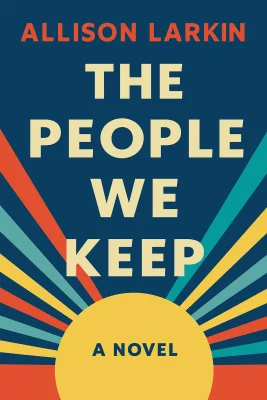
The People We Keep
Categories
Fiction, Audiobook, Music, Historical Fiction, Young Adult, Adult, Book Club, Contemporary, Coming Of Age, Literary Fiction
Content Type
Book
Binding
Hardcover
Year
2021
Publisher
Gallery Books
Language
English
ISBN13
9781982171292
File Download
PDF | EPUB
The People We Keep Plot Summary
Introduction
# Echoes of Departure: A Girl's Journey Through Loss and Belonging November darkness wraps around sixteen-year-old April Sawicki like a burial shroud as she crouches beside her neighbor's car, screwdriver trembling in frozen fingers. The motorhome behind her—seven acres of pine trees and broken promises—holds nothing worth staying for. Her father destroyed her guitar three days ago, splintering wood and dreams across the kitchen table with the same casual violence he's always wielded against anything that might give her hope. What begins as grand theft auto becomes something larger: a girl's desperate flight toward a future she can't name but desperately needs. From the college town warmth of Ithaca to the unforgiving highways of America's forgotten corners, April carries her mother's abandoned songs and her own fierce hunger for belonging. She'll learn that love comes with conditions, that safety requires lies, and that sometimes the people who save you are the ones you least expect to find. Her guitar case becomes both sanctuary and burden as she navigates a world where survival means choosing between truth and preservation, between the comfort of deception and the brutal honesty of being truly known.
Chapter 1: The Abandoned Motorhome: April's Life in Little River
The motorhome sits like a beached whale at the end of a dirt road, aluminum siding streaked with rust and resignation. April has learned to live with floors that shift beneath her feet, walls that groan when winter winds hit. Her father won this tomb in a poker game years ago, back when he still talked about building them a real house. The foundation he dug still festers in their yard, breeding mosquitoes and housing a massive snapping turtle that surfaces like a prehistoric judgment. Her father hasn't been home in weeks, choosing instead to play house with Irene and her asthmatic son in town. When he does appear, it's only to remind April of her failures, to make her feel smaller than the cramped space she inhabits. The Blue Moon Cafe becomes her testing ground, an open mic night where she discovers her voice has power. Standing on that makeshift stage, guitar case banging against her leg, she transforms from the girl who lives in the motorhome to someone who matters. The guitar her mother left behind becomes April's lifeline to something larger than Little River's suffocating embrace. She practices until her fingers bleed, learning chords that carry her away from the smell of propane and desperation. The instrument holds memories of a woman who walked away when April was six, leaving behind only wedding rings hidden under mattresses and the ghost of better times. But her father's rage has been building like pressure in a cracked pipe. When April comes home late from the cafe, flushed with applause and possibility, he's waiting with bourbon breath and clenched fists. The guitar explodes against the wall in a symphony of splintering wood and snapping strings. April gathers every piece, unable to throw away what once made beautiful sounds, knowing that some things, once broken, can never be made whole again. Three days later, she makes her choice. Mrs. Varnick's Mercury Sable starts on the second try, and April drives toward dawn with everything she owns stuffed into garbage bags. The stolen car cuts through November darkness as Little River disappears in her rearview mirror, taking with it every reason she ever had to stay small.
Chapter 2: Escape and Reinvention: Finding Shelter in Ithaca
Ithaca appears like a mirage after hours of white-knuckle driving—a college town where dirty hippies and bicycle cops create a world her father would hate, which makes it perfect. April trades her mother's wedding ring for a battered acoustic guitar at an Elmira pawn shop, the instrument scarred but singing when she strums the first chord. Something inside her chest unlocks with that sound, a door opening onto possibilities she never imagined. The campground becomes her first taste of freedom, even as November cold seeps through the Mercury's windows. She learns to sleep in a car, to shower in coin-operated stalls that smell like swamps, to make stolen dollars stretch until they scream. The lake beside her campsite holds secrets in its dark water—a place where she'll later discover what it means to feel truly alive. Cafe Decadence offers salvation in the form of minimum wage and shift meals. Carly, with her spiky purple hair and combat boots, becomes the sister April never had. Behind the espresso machine, April learns a new language of half-caff lattes and customer service, finding rhythm in the morning rush and comfort in steaming milk and grinding beans. The job gives her more than money—it gives her a place to belong, even if that belonging is built on lies about her age and past. Adam Jergens appears in her life like an answer to prayers she didn't know she was praying. Twenty-seven years old with kind green eyes and careful movements, he offers what April has never had—safety without conditions. His apartment on Hudson Street becomes a sanctuary of high ceilings and hardwood floors, bookshelves filled with architecture texts and Bob Dylan records, a place where everything has purpose and nothing shifts beneath her feet. Their relationship unfolds in careful stages—shared meals, late-night conversations, the gradual building of trust. Adam teaches her that love doesn't have to hurt, that someone can want to take care of you without expecting payment in return. Winter settles over Ithaca like a blanket, and April learns what it means to be warm, to have plans that extend beyond the next meal, the next place to sleep.
Chapter 3: The Unraveling Truth: When the Past Catches Up
The chalked driver's license that seemed so clever becomes April's undoing when Rosemary discovers the deception. In a club bathroom, water washes away more than makeup—it reveals the careful alterations that transformed sixteen into nineteen. Rosemary, Carly's vindictive ex-girlfriend, wields April's real age like a weapon aimed not just at her, but at everyone she loves. The confrontation crackles with the electricity of mutual destruction. Rosemary, heartbroken and vicious, makes the threat clear: expose the truth or watch it destroy Carly's reputation, Adam's career, everything April has built in her new life. The weight of her deception, carried for months like a stone in her chest, finally becomes unbearable. April's world contracts to a single, terrible choice. She can fight, risking exposure that would destroy Adam's life and career. She can run, preserving what she loves by abandoning it. Love, she realizes, sometimes means choosing the pain of leaving over the pain of staying. The apartment that became home empties of her presence as she stuffs clothes into grocery bags with desperate efficiency. Her goodbye note, scrawled on the back of an envelope, carries the weight of everything she cannot say. She leaves her mother's ring as payment for a debt that can never truly be settled, a diamond engagement ring traded for months of love and safety. The guitar Adam bought her—a replacement for what her father destroyed—becomes both salvation and burden as she flees toward an uncertain dawn. The Mercury carries her south before sunrise can expose her cowardice. In the rearview mirror, Ithaca disappears like a dream interrupted, taking with it the only home she's ever known. The road stretches ahead, promising nothing but the freedom to keep running from the truth that follows her like a shadow.
Chapter 4: On the Road: The Nomadic Life of a Musician
Two and a half years later, April has transformed herself into someone unrecognizable—a traveling musician with a growing reputation and carefully constructed persona. The coffee shops and small venues of the Northeast have become her territory, places where April the performer can exist without April the person having to explain herself. Her guitar case holds more than instruments now; it carries the accumulated weight of a life lived in fragments. She's learned to read rooms, to give people what they want while keeping her real self locked away. The applause that once thrilled her has become routine, a transaction rather than connection. Her songs carry coded messages to a past she can never reclaim. "Waiting" becomes her signature piece, a love letter to Adam disguised as universal longing, each performance both catharsis and torture. The road offers freedom at a price she's still learning to pay. Sleeping in her car, showering in truck stops, eating meals from gas station convenience stores—this is the cost of independence. She's learned to read the signs that separate safe places from dangerous ones, to trust her instincts about which strangers might offer genuine help and which ones want something in return. In Red Bank, she records an EP with Cole, a producer who sees something in her raw talent. The songs are good enough to sell, and suddenly April has a small following, people who know her name and request her music. But fame, even the modest kind, comes with its own chains. Fans want pieces of her story, and April has learned to guard her truth like a secret that could destroy her. The encounter with Ray in Brewster reveals the dark side of her nomadic existence. What begins as a normal evening transforms into a nightmare that strips away her illusions about safety. His assumption that she's available for purchase, his casual violence, forces April to confront the reality of her vulnerability. She escapes with her guitar and her life, but the fear follows her for weeks, a passenger she can't shake.
Chapter 5: Asheville Sanctuary: Building Love from Broken Pieces
Asheville finds her when she's almost broken. April busks in a small park, her guitar case open for donations, when Ethan stops to listen. He carries sadness like a familiar coat, worn but comfortable, recently abandoned by a boyfriend who left bruises on his heart and sometimes his face. His house is filled with light and plants and the kind of warmth that comes from someone who understands what it means to be alone. When Ethan offers April the spare room, she says yes because she's tired of running and he's the first person in months who doesn't want anything from her except friendship. He becomes the brother she never had, teaching her to dance and paint and laugh without looking over her shoulder. They dress like Fred Astaire and Ginger Rogers for the Pride ball, and April thinks maybe she's finally learned how to stay. Robert owns the restaurant across from Ethan's house. He's beautiful in the way that makes April's chest tight, all green eyes and careful hands. When he hires her to play dinner sets, she thinks it's just another gig. But Robert cooks for her, listens to her music like it matters, and when he kisses her for the first time, April forgets every reason she has for leaving. For months, she builds a life in Asheville. She has regular gigs, a room in Ethan's house that feels like home, and Robert's arms around her at night. The sanctuary she's built feels solid, permanent, like something that might actually last. But the past has a way of finding you, and April carries secrets that grow heavier with each passing day. When Ivan, Ethan's violent ex, shows up drunk and dangerous, April watches her friend's face bloom with bruises and remembers every time her father's hands found her mother's throat. She throws a jar at Ivan's back and screams until he leaves, but the damage is done. The sanctuary she's built feels fragile as spun glass, and April realizes that some wounds never heal, they just learn to bleed quietly.
Chapter 6: Confronting Ghosts: A Return to Little River
The phone call comes on a Sunday. Margo's voice, thick with tears, tells April what she's always known would happen eventually. Her father is dying, lung cancer eating him from the inside out, and he's alone in the motorhome where he left her to rot. April drives north with her secret growing heavy in her belly—she's pregnant, though the timing whispers uncomfortable truths about paternity. She arrives too late for goodbyes. Her father dies while she's still hours away, and April finds herself crying in a truck stop phone booth like the country song she's always tried not to become. The funeral is a performance she refuses to join. Instead, she sits in her car outside the church, watching people who never cared about her father pretend to mourn. When Mrs. Ivory mistakes her for her mother and tries to drive away with a small girl in the backseat, April realizes the child is her half-sister, July, born from her father's marriage to Irene. The girl has April's eyes and their mother's stubborn chin, a living reminder of the family that might have been if her father had been a different man. She leaves Little River without attending the service, but not before seeing Irene's tears and understanding that some wounds transcend death. The motorhome still leans against the sky like a broken promise, and April drives away knowing she'll never come back. The past has been buried, but its ghosts will follow her wherever she goes. The weight of her pregnancy grows heavier as she drives south, carrying new life toward an uncertain future. She thinks about the men who might be the father—Robert with his gentle hands, or Justin with his eager smile—and realizes that biology matters less than the choice to love unconditionally.
Chapter 7: Chosen Family: The People Worth Keeping
The truth catches up with her at Skaneateles Lake, where she once sat with Carly around a fire, feeling like she belonged somewhere. April goes into labor alone, her body betraying her beside the water that holds so many memories. She's unconscious when Carly finds her, following the map of their friendship to the place where April always returns when the world becomes too much. Max is born in an Ithaca hospital, pulled from April's body by doctors who piece her back together with careful stitches. He's perfect and small and entirely hers, with dark eyelashes and a serious expression that's pure April. When she holds him for the first time, love crashes through her chest like a tidal wave, washing away every doubt about her capacity for devotion. Ethan appears in her hospital room wearing a ridiculous hat with earflaps, and April realizes that some people are worth the risk of staying. He's moved to Ithaca, taken a job at the college, bought a house with room for her and Max. When he holds the baby, tears streaming down his face, April understands that family isn't about blood or biology—it's about the people who show up when everything falls apart. Carly brings pizza and her girlfriend Erin, and suddenly April's hospital room is full of laughter and love and the kind of chaos that makes a place feel like home. Margo drives up from Little River with flowers and fierce hugs, claiming her role as grandmother with the authority of someone who's been waiting years for the job. On Max's birth certificate, April writes Ethan's name in the space for father. It's not about biology or legal obligation—it's about choosing the people who will love her son unconditionally, who will teach him that home is something you build with the people who matter, not something you're born into. The road that once promised escape now offers something different: the possibility of return, knowing that love waits at the end of every journey.
Summary
April Sawicki's journey maps the treacherous territory between survival and belonging, between the safety of deception and the courage required for truth. She began as a girl who believed she was unlovable, carrying her mother's broken dreams in a guitar case and her father's failures in her heart. Through theft and heartbreak, music and motherhood, she carved out space for herself in a world that offered few options for girls like her. The relationships that shaped her—with Adam, with Carly, with Ethan and Robert—demonstrate that love isn't something you earn through perfection or lose through mistakes. It's something you choose, every day, with the people who see your scars and decide to stay anyway. April learned that sometimes love means leaving, that protection can require deception, but ultimately that the most beautiful songs are the ones that bring you home to where you belong. Her music became both the vehicle for her escape and the bridge back to connection, each performance a reminder that the courage to leave can be just as important as the wisdom to stay.
Best Quote
“If someone changes so much that they're barely the same person, who are you even missing?” ― Allison Larkin, The People We Keep
Review Summary
Strengths: The review highlights the book's heartfelt narrative, authentic characters, and strong 90s setting. The protagonist's journey is described as compelling and relatable, with themes of family, friendship, and self-discovery. The audiobook narration by Julia Whelan is praised for enhancing the story. Overall: The reader expresses a highly positive sentiment, recommending the book for its emotional depth and engaging storytelling. The review suggests that the book is particularly appealing to those who appreciate coming-of-age stories with rich character development and nostalgic elements. The book is rated five stars, indicating a strong recommendation.
About Author

Allison Larkin
Larkin delves into the nuances of identity and connection through her compelling narratives that delve into the challenges of personal discovery and growth. As an American author, she has carved out a niche in contemporary fiction with works like "The People We Keep", which highlight the resilience of individuals seeking authenticity and belonging. Her books often focus on women navigating complex family dynamics and personal challenges, therefore resonating with readers who appreciate emotional depth and strong character development.\n\nLarkin’s writing is accessible and heartfelt, combining humor with poignant storytelling to explore themes of self-discovery and relationships. Her debut book, "Stay", set the tone for her subsequent works that capture the intricacies of personal and emotional journeys. Meanwhile, her novel "Why Can't I Be You" further showcases her ability to weave narratives that engage readers with relatable characters and compelling plots. This ability to capture emotional truths while maintaining an engaging narrative structure has contributed to her international success.\n\nFor readers seeking stories with emotional resonance and insightful examinations of personal growth, Larkin’s works offer a rewarding experience. Her novels are not only commercially successful but have also been featured in notable collections and anthologies. Beyond her achievements as a writer, Larkin’s contributions to contemporary fiction underscore her dedication to exploring the complexities of human relationships, making her a significant voice in the literary landscape.
Read moreDownload PDF & EPUB
To save this Black List summary for later, download the free PDF and EPUB. You can print it out, or read offline at your convenience.
The People We Keep
by Allison Larkin
