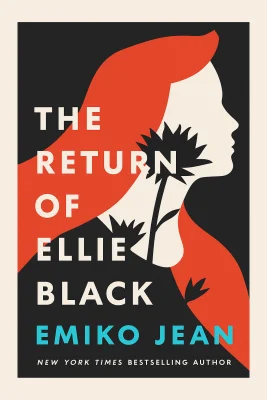
The Return of Ellie Black
Categories
Fiction, Audiobook, Mystery, Thriller, Adult, Book Club, Contemporary, Suspense, Crime, Mystery Thriller
Content Type
Book
Binding
Hardcover
Year
2024
Publisher
Simon & Schuster
Language
English
ISBN13
9781668023938
File Download
PDF | EPUB
The Return of Ellie Black Plot Summary
Introduction
In the dense forests of Washington State, where morning mist clings to towering Douglas firs and forgotten roads wind through ancient wilderness, a girl emerges from darkness after two years of captivity. Elizabeth Black stumbles onto a hiking trail, bloodied and broken, carrying secrets that will unravel a web of horror stretching back decades. Detective Chelsey Calhoun, haunted by her own sister's disappearance fifteen years prior, takes the case that will force her to confront the most twisted family conspiracy imaginable. What begins as a rescue mission transforms into a race against time when Ellie attempts to bomb the governor's mansion, revealing that her return was not an escape but a carefully orchestrated mission. Deep in the Olympic National Forest, three brothers have built their own kingdom of terror, collecting girls like broken dolls and binding them with twisted bonds of survival and sacrifice. As Chelsey peels back layers of deception, she discovers that the greatest betrayals often come from those we trust most, and that sometimes love itself becomes the cruelest prison of all.
Chapter 1: The Return: A Missing Girl Emerges from the Forest
The morning light filtered through the canopy when hikers found her running. Elizabeth Black moved through the forest like a ghost made flesh, dirt caked under her fingernails, blood staining her University of Washington sweatshirt, vomit sour on her breath. Two years had passed since she vanished from a motel parking lot, and now she stumbled toward civilization with the desperate urgency of someone fleeing hell itself. "Are you all right?" The father stepped protectively in front of his son, something primal in his posture recognizing danger even in this broken girl. Elizabeth's eyes, hollow as empty wells, struggled to focus on their faces. The simple question seemed to shatter something inside her. "My name is Elizabeth Black," she whispered, the words scraping her throat like broken glass. "I think I'm missing." The declaration hung in the morning air, a prayer and confession rolled into one. She had not spoken those syllables in forever, had buried her true identity in the deep darkness where she'd hidden to survive. Detective Chelsey Calhoun received the call at midnight, jerking her from sleep with the electric shock of impossible news. Elizabeth Black—alive. The case that had haunted her for two years, the girl whose disappearance had gnawed at the edges of her consciousness like a persistent wound. By dawn, Chelsey stood in a hospital room in Olympia, staring at the living ghost of her greatest failure. Elizabeth sat rigid in the hospital bed, flinching from the gentle touch of fluorescent lights, her body a map of careful scars and cautious movements. When Chelsey spoke, the girl's responses came measured and hollow, as if she were translating from a foreign language of pain. She spoke of darkness, of cold, of a man in a red bandana whose face she never saw clearly. But there were gaps, silences that stretched like chasms between her words. Most disturbing of all was the way Elizabeth touched her left wrist, searching for something that was no longer there, a ghost sensation of binding that had been cut away but never truly severed.
Chapter 2: Buried Secrets: Connecting the Threads of Disappeared Girls
The sweatshirt held the first clue. Chelsey spread the evidence photos across her desk, studying the University of Washington Volleyball jersey with the number fifty-five emblazoned on its back. The blood wasn't Elizabeth's—DNA analysis revealed a mixture pointing to someone else entirely. When the trail led to Gabrielle Barlowe, a girl who'd vanished five years earlier and whose body had been found strangled in a state park, Chelsey felt the familiar electric thrill of a case cracking open. Gabrielle's grandmother, Althea, sat in her kitchen surrounded by the detritus of grief—memorial candles, yellowed newspaper clippings, a life suspended in amber waiting for closure. "That's hers," she confirmed, her weathered fingers tracing the plastic evidence bag. "We bought it for Christmas. She wanted to play volleyball at university so badly." The old woman's voice carried the weight of dreams buried with the dead. The pattern emerged like a constellation in a dark sky. Detective Montoya in Tacoma had files on six similar cases—young women, white, poor, vanished without trace. The lucky ones were found dead. Most simply disappeared, swallowed by a system that measured a girl's worth by her family's bank account and social status. But there were connections: a blue station wagon spotted at multiple abduction sites, victims who fit a specific profile, bodies dumped in remote state parks after being held for months or years. Then came the breakthrough that changed everything: nine-year-old Willa Adams, whose DNA matched the blood on Elizabeth's sweatshirt. A child taken eighteen months ago while riding her bicycle, young enough to be molded, innocent enough to love even her captors. When Chelsey confronted Elizabeth with Willa's photograph, the girl's composure finally shattered. Tears streamed down her face as she whispered the truth that would haunt them both: "She's alive. I kept her safe." The admission hung between them like a bridge neither wanted to cross. Elizabeth knew where Willa was, but the knowledge came wrapped in terror so complete it paralyzed her voice. Whatever had been done to break her in those two years of darkness, whatever bargain she'd made to survive, it bound her still. Chelsey saw the war raging behind Elizabeth's eyes—love battling fear, hope strangling on the rope of impossible choices.
Chapter 3: The Underground Prison: Captivity and Sisterhood in Darkness
The memories came in fragments, shards of experience too sharp to hold whole. Elizabeth—who had been renamed Destiny in the place of shadows—remembered the descent into darkness that began with drugged unconsciousness in a motel parking lot. She woke in absolute blackness, buried alive in a school bus that had been entombed in forest earth, the windows blocked with packed soil, the emergency hatch padlocked shut. Days blurred in that metal coffin. She scratched her name into the vinyl seats, finding other marks there—crude drawings of stick figures, evidence of those who had been buried before her. The darkness pressed against her eyeballs like molten lead, while above, the scratch of claws and wet noses told of dogs that had been trained to hunt. When hunger and thirst brought her to the edge of death, he came. The man in the red bandana, his voice distorted by fabric and shadow, offering bread and water in exchange for submission. "What is your name?" he asked each time, and each time she answered with defiance that slowly eroded like stone in acid rain. The bus was preparation, she would later understand—a breaking ground where identity was stripped away layer by layer until only the hollow shell of survival remained. When she could no longer remember who she had been, when "Elizabeth" became a sound with no meaning, only then did they pull her into the light. The compound sprawled across an abandoned World War Two military installation, concrete bunkers and gun emplacements now repurposed for horrors their original architects never imagined. David ruled this kingdom of broken girls with the smooth charisma of a cult leader, his blue eyes holding the flat emptiness of winter lakes. He introduced her to her "sisters"—Charity and Hope, both wearing the same haunted expression of those who had learned to love their chains. Hope wore the volleyball sweatshirt, blood from a split lip staining the fabric as she whispered warnings in the darkness of their underground cells. They were kept in rooms carved into the earth, metal doors sealing them away from sky and stars, from any hope of escape. But in the precious moments between David's visits, they found ways to resist. They braided friendship bracelets from salvaged rope, traded real names like forbidden prayers, and most dangerously of all, planted seeds of Queen Anne's lace to prevent the pregnancies their captor craved.
Chapter 4: A Devil's Bargain: Freedom at the Cost of Another's Life
The betrayal came wrapped in good intentions, as betrayals often do. When David discovered their secret garden of contraceptive seeds, his rage was biblical in its scope. But it was Elizabeth who had let slip Gabrielle's real name—Hope became Gabby in a moment of desperate pleading—and the sound hung in the air like a death sentence. David's smile was gentle as he dragged Gabrielle away, gentle as he held the gun to Elizabeth's head and pulled the trigger on empty chambers, testing the depths of her love for the newest arrival. Grace was seven years old, small enough to curl against Elizabeth's chest like a lost bird. She had been riding her bicycle when they took her, had trusted the wrong stranger, and now she sucked her thumb in the darkness while Elizabeth told her stories about constellations. The child's presence changed everything, transformed Elizabeth from survivor to protector, from victim to willing sacrifice. When David made his final offer, the mathematics were brutally simple. "Tell me," he whispered, his breath hot against her ear, "what would you do for someone you love?" The answer came without hesitation: anything. Everything. Even this. He wanted her to kill Governor Regina Pike, to walk into the heart of power with a bomb strapped to her chest and erase a woman whose crime was divorcing the wrong man. In exchange, Grace would go free. One life for another, the oldest transaction in the currency of love. The training was methodical, clinical in its precision. Elizabeth learned to build explosives from fertilizer and metal pipes, her hands guided by men who spoke of their work like craftsmen discussing art. She practiced with remote-controlled cars, connecting wires and timers while David watched with paternal pride. The irony wasn't lost on her—they were teaching her to be a weapon while keeping her chained, building her into the instrument of their revenge against a world that had rejected them. On the day of her return, they blindfolded her and drove her to a trailhead hours away from the compound. Michael, the man whose face she'd never seen, whose voice spoke only commands, gave her final instructions. Wait an hour. Be found. Go home. Wait for the postcards that would count down to her moment of divine purpose. The backpack full of death was already buried in the woods, waiting for her return when the world's attention had moved elsewhere.
Chapter 5: The Failed Mission: A Desperate Return to Save What Remains
The postcards arrived like clockwork, each bearing the image of birch trees and a number written in thick black marker. Three. Two. One. Elizabeth—now Ellie again to everyone who had never stopped loving her—felt each delivery like a knife twist in her chest. They were watching, always watching, and Grace remained their hostage against her compliance. Even surrounded by family, even sleeping in her childhood bed, she was still imprisoned by love and fear in equal measure. Dr. Cerise Fischer saw the fractures in her patient's soul, the way trauma had split Ellie into fragments that no longer fit together properly. In art therapy sessions, Ellie drew pictures that told stories her voice couldn't speak—four girls with X's for eyes, holes in the ground that looked like graves, friendship that bloomed in the darkest soil. She spoke of sisters who weren't sisters, of a family forged in hell's foundry. The therapist recognized the signs of Stockholm syndrome wrapped around something deeper and more complex. Detective Chelsey Calhoun felt time slipping through her fingers like water. The case files spread across her father's old office told a story of systematic predation spanning decades—thirteen missing girls, four bodies recovered, patterns that pointed to the Olympic National Forest like compass needles finding true north. When she cornered Ellie at the police station, using every trick she'd learned to break through walls of silence, the girl finally cracked. Yes, she knew Gabrielle. Yes, she knew Hannah Johnson. Both were dead. But Willa—Grace—she was still alive. The admission should have been a victory, but Ellie's terror was so complete, so bone-deep, that it infected the air around her. She spoke of keeping Willa safe as if it were her sacred duty, her reason for existing. When Chelsey pressed for details, for location, Ellie shut down completely. She would go home, she promised. Tomorrow she would tell everything. The lie tasted like copper pennies on her tongue. Instead, Ellie drove to Sam's house, kissed her niece goodbye with the tenderness of final farewells, then collected the bomb she'd buried months ago. The governor's mansion loomed before her like a medieval fortress, all stone walls and iron gates, but her hands shook too badly to complete the mission. When security surrounded her, when cameras caught her fleeing across manicured lawns, she knew she had signed Grace's death warrant with her failure.
Chapter 6: Confrontation in the Woods: Justice and Unexpected Revelations
The compound had been their kingdom for twenty years, a realm carved from government surplus and paternal rage. West Abbott, the governor's eldest stepson, had built his empire on daddy issues and misogyny, collecting girls like trophies while his brother Douglas used his police badge to cover their tracks. They had chosen their victims carefully—poor girls, runaways, foster children that society discarded before they were even lost. Chelsey arrived in the pre-dawn darkness with Danny Partridge, Ellie's former boyfriend whose guilt had driven him to risk everything for redemption. They found the compound spread across five acres of concrete brutality, bunkers and kennels and garbage heaps that stank of decay. German shepherds paced behind chain-link fences, their mouths foaming with trained savagery, while three girls huddled together in the center of it all like broken dolls awaiting their master's pleasure. The confrontation exploded in gunfire and screaming, the sound echoing off concrete walls and tree trunks. Douglas Abbott died with his father's police-issued weapon in his hand, his final act one of confused loyalty to the brother who had never shown him mercy. West fell next, brought down by Star, the one dog whose loyalty had been earned rather than beaten into submission, the puppy that Ellie had fed and gentled during her captivity. But the greatest shock came when Chelsey chased the final figure into the forest, when she put a bullet through the leg of someone she thought was Annie Abbott, the sister who had helped with the kidnappings. Instead, she found herself staring into eyes she had mourned for fifteen years, at a face aged and hardened but still recognizably the sister she had loved beyond measure. Lydia was alive, had been alive all along, living as Serendipity, the broken woman who served her captors with the devotion of the Stockholm-syndromed. "Fox face," Lydia whispered, using the childhood nickname that hit Chelsey like a physical blow. The truth restructured itself around them like a kaleidoscope finding new patterns. There had been no murder-suicide at the cliff. Oscar Swann had died, yes, but at West's hands, jealous rage wearing the mask of justice. Lydia's hair and blood left at the scene had been staged, her death faked, her freedom traded for a different kind of captivity among men who promised love but delivered only control.
Chapter 7: Healing Wounds: Reclaiming Identity After Trauma
The reunion was not the tearful joy of movies and fairy tales. Lydia sat across from Chelsey in the prison visiting room, her hands scarred and her mind broken, speaking of West Abbott with the devotion of a true believer. She blamed herself for the other girls—if only she could have given him children, if only she had been enough, perhaps he wouldn't have needed to collect replacements. Love, she insisted, was worth any sacrifice, any compromise, any degradation. Chelsey left that first visit feeling hollow, scraped clean of the fantasies that had sustained her through fifteen years of grief. The sister she had mourned was truly dead, replaced by this stranger who had chosen complicity over courage, who had helped lure other girls into hell rather than find her own way out. Some prisons were built from concrete and steel; others from the stories we tell ourselves about the people who hurt us. Ellie's healing came slowly, measured in small victories that felt monumental to those who witnessed them. She learned to sleep in a bed rather than a crawlspace. She cut her hair, that first snip of scissors like breaking chains. She held her niece Mia, feeling the weight of pure trust in her arms, remembering what it meant to protect rather than simply survive. Dr. Fischer guided her through exercises in imagination, helping her rescue her lost sisters in the only realm where such salvation was still possible. The trial of West Abbott became a media circus, but Ellie refused to attend. She had written her confession, told her story in ink and blood, and that would have to be enough. Some battles were worth fighting; others were simply worth surviving. She chose to believe that Gabrielle—Hope—would have understood, would have wanted her to choose the future over the past, healing over revenge. The friendship bracelets were gone, burned in the fire that David had lit, but the love they represented lived on in memory.
Summary
In the end, justice came in fragments rather than satisfaction. West Abbott received life without parole, his kingdom dismantled, his victims finally at peace. Douglas Abbott was buried in a cemetery outside Coldwell, his father disgraced and imprisoned for his complicity. Sergeant Patrick Abbott, whose alcoholism and cruelty had planted the seeds of his sons' monstrosity, faced his own reckoning in a federal courtroom. The system had failed these girls in life, but death at least brought them acknowledgment. Chelsey sold her father's house and moved to Olympia with Noah, choosing love over ghosts, future over past. She understood now that some wounds never heal completely, that grief is love with nowhere to go, that the best we can do is carry our dead with honor while building lives worthy of their sacrifice. Willa Adams returned to her mother, Ellie learned to laugh again, and somewhere in the vast forest of memory, three girls ran free through birch groves where no one could ever hurt them again. The darkness had not won, and in the end, perhaps that was victory enough.
Best Quote
“what is grief but the other side of love?” ― Emiko Jean, The Return of Ellie Black
Review Summary
Strengths: The review highlights the book's engaging writing and pacing, as well as the effective use of multiple perspectives. The characters, particularly Detective Chelsey Calhoun and Ellie Black, are well-developed and provide deep insights into their psychological states. The book is praised for its exploration of the psychological impact of captivity and the societal issues surrounding victimology. Weaknesses: The reviewer criticizes the twisty elements towards the end of the book, describing them as "lame" and causing eye-rolling moments. This suggests a dissatisfaction with the plot's resolution or unexpected turns. Overall: The reader found the book to be an immersive mystery/psychological thriller with strong character development and thematic depth, but was disappointed by the execution of plot twists. The book is recommended for its emotional and psychological exploration, despite some narrative shortcomings.
About Author

Emiko Jean
Jean delves into the complex interplay between personal identity and cultural heritage in her diverse range of books. As a New York Times best-selling author, she deftly incorporates her Japanese-American background into works such as "Tokyo Ever After", which explores themes of belonging and empowerment within a contemporary young adult framework. This novel, which became a bestseller and attracted substantial publishing interest, is a testament to Jean's commitment to authentic representation. Her early book, "We’ll Never Be Apart", highlights her adaptability, transitioning from a psychological thriller to the culturally rich "Empress of All Seasons", which draws on Japanese history and myth.\n\nEmiko Jean’s literary versatility extends beyond young adult fiction into the adult thriller genre with "The Return of Ellie Black", a book that addresses trauma and social issues through a tightly woven narrative. Her commitment to diverse representation is evident across genres, aligning with initiatives like #WeNeedDiverseBooks and #OwnVoices, while her storytelling consistently reflects a character-driven approach. Readers benefit from her ability to blend genres and tackle complex themes, offering narratives that are both engaging and socially relevant. With her work featured in prominent media and book clubs, Jean continues to impact readers who seek depth and diversity in contemporary fiction.\n\nHer books have been recognized by platforms like Good Morning America and Reese Witherspoon's book club, demonstrating industry acclaim and broad appeal. This bio reflects an author whose work resonates on multiple levels, both reflecting and shaping conversations about culture, identity, and empowerment in literature.
Read moreDownload PDF & EPUB
To save this Black List summary for later, download the free PDF and EPUB. You can print it out, or read offline at your convenience.
The Return of Ellie Black
by Emiko Jean
