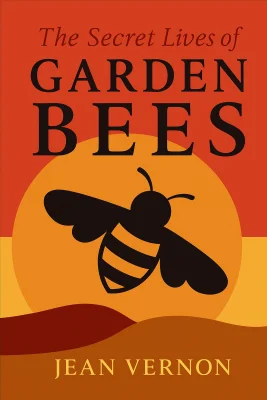
The Secret Lives of Garden Bees
Categories
Content Type
Book
Binding
Hardcover
Year
2020
Publisher
White Owl
Language
English
ISBN13
9781526711861
File Download
PDF | EPUB
The Secret Lives of Garden Bees Plot Summary
Introduction
Step into your garden on a warm summer morning, and you'll witness one of nature's most remarkable performances unfolding right before your eyes. While you sip your morning coffee, hundreds of tiny workers are already hard at work, visiting flower after flower in a complex dance that has been perfected over millions of years. These are not just the familiar honeybees you might expect, but a diverse cast of characters including fuzzy bumblebees, sleek solitary bees, and even some surprising imposters that look like bees but aren't bees at all. Most people think they know bees, but the reality is far more fascinating than you might imagine. Behind those innocent-looking flowers lies a world of botanical trickery, where plants have evolved elaborate schemes to manipulate their visitors, and where bees have developed equally cunning counter-strategies. From flowers that literally punch visiting bees to deliver pollen, to male bees with antennae longer than their bodies, the secret lives of garden bees reveal a hidden universe of drama, ingenuity, and survival that plays out in every backyard and public park across Britain.
Chapter 1: Meet the Garden Bees: Beyond Honeybees
When most people hear the word "bee," they immediately think of honeybees or perhaps the familiar sight of a chunky bumblebee visiting their roses. But this mental picture captures only a tiny fraction of the remarkable diversity living right in our gardens. Britain is home to approximately 276 species of bees, and the honeybee represents just one of them. Even more surprising, those beloved bumblebees account for only 24 or 25 species, leaving around 250 different types of solitary bees that most gardeners have never noticed. These solitary bees are the true unsung heroes of pollination, and many of them look nothing like what we expect a bee to look like. Some are brilliant metallic green, others are so small they could be mistaken for flying ants, and quite a few are striped in ways that make them nearly indistinguishable from wasps. The reason for this disguise becomes clear when you understand the dangerous world these creatures inhabit, where looking like something that can sting provides valuable protection from predators. The Garden bumblebee, despite its common name, is actually one of the easier species to identify because of its distinctive long face and even longer tongue. Watching one feed is like watching a tiny sword-swallower, as these bees often fly from flower to flower with their tongues extended, ready for the next nectar feast. Their tongues can extend up to two centimeters, allowing them to access flowers that shorter-tongued bees simply cannot reach. Among the ground-nesting mining bees, the Ashy mining bee stands out like a tiny panda with its distinctive black body and patches of grey-white fur. These industrious females excavate burrows in lawns and gardens, creating small volcano-like mounds of excavated soil that reveal their presence to the observant gardener. Unlike their social cousins, these are single mothers who must do everything themselves, from digging the burrow to provisioning each egg with a carefully prepared ball of pollen. The Tree bumblebee represents one of nature's most recent success stories in Britain, having arrived from continental Europe only in 2001. These distinctive bees, with their ginger thorax, black abdomen, and bright white tail, have adapted remarkably well to British gardens, often choosing to nest in bird boxes and house eaves. Their vertical house-hunting behavior, unlike other bumblebees that search at ground level, has made them particularly well-suited to urban environments. Perhaps most remarkable are the specialist feeders like the Yellow loosestrife bee, which has co-evolved so intimately with its chosen plant that it cannot survive without yellow loosestrife flowers. This tiny bee not only collects the plant's unique floral oils instead of nectar, but actually lines its nest with these oils, creating a waterproof nursery for its developing young. Such intimate relationships between specific bees and plants reveal just how interconnected and fragile our garden ecosystems really are.
Chapter 2: Bee Behavior and Social Structures
The social world of bees reveals some of nature's most sophisticated organizational systems, ranging from the ultimate cooperation of honeybee colonies to the fierce independence of solitary species. Understanding these different approaches to life helps explain why you might see very different behaviors when watching bees in your garden throughout the year. Bumblebee colonies operate on a seasonal schedule that begins each spring with a single queen emerging from her winter hiding place. This queen, who mated the previous autumn, faces the enormous task of founding an entire colony single-handedly. She must find food to sustain herself, locate a suitable nest site often an old mouse hole underground, and then construct a small wax pot for storing nectar alongside a ball of pollen where she will lay her first eggs. The queen then becomes a living incubator, sitting on her eggs while vibrating her powerful flight muscles to generate heat. The first workers to emerge are often smaller than later generations because the queen struggles to gather enough food while simultaneously incubating her brood. But these mini-bees are actually better adapted to hot weather, being able to cool themselves more efficiently, while their larger sisters later in the season can carry bigger pollen loads and work in cooler conditions. This size variation isn't a mistake but rather an elegant solution to seasonal challenges. Male bees, regardless of species, live very different lives from their female counterparts. They emerge first from nests, ensuring they're ready when females appear, and they cannot sting since their reproductive anatomy lacks the modified egg-laying tube that females use as a defensive weapon. Male bumblebees are essentially flying bachelors, evicted from their birth colony as soon as they mature, spending their days visiting flowers for nectar and waiting for a chance to mate. Many species of male bees can be found sleeping inside flowers overnight, having nowhere else to go. The communication methods of bees extend far beyond the famous honeybee waggle dance. Bumblebees leave scent marks on flowers they visit, creating a chemical message system that tells other bees whether a flower has recently been emptied of nectar. Different species even have distinctive scents when captured males of Red-tailed bumblebees smell citrusy, while Early bumblebee males produce a more cheese-like odor that presumably helps females identify suitable mates of their own species. Perhaps most fascinating is the seasonal timing that governs bee society. Around midsummer, established bumblebee colonies switch from producing workers to creating new queens and males. The original queen's pheromones, which have held the colony together all season, begin to fade as she ages. Without this chemical "all is well" signal, the worker bees become confused and the colony gradually collapses just as the new generation of mated queens disperses to find overwintering sites for the following year. Solitary bees operate under entirely different rules, with females functioning as single mothers who must accomplish everything alone. After mating, each female must locate or excavate a nest, gather all the pollen and nectar needed to provision multiple offspring, and lay her eggs without any assistance from workers or even their mate. Some species, like the Leaf-cutter bees, create elaborate nurseries lined with precisely cut pieces of leaves, while others, like the mason bees, use mud to construct and seal their brood chambers.
Chapter 3: Feeding Habits: Nectar, Pollen, and Plant Relationships
The relationship between bees and flowers represents one of nature's most successful partnerships, but it's far more complex and sometimes devious than the simple exchange of pollination services for food that most people imagine. Plants and bees have been locked in an evolutionary arms race for millions of years, each developing increasingly sophisticated strategies to gain advantage in this fundamental transaction. Nectar serves as the primary fuel for adult bees, providing the high-energy carbohydrates needed for flight and daily activities. But nectar is much more than simple sugar water. Recent research has revealed that many flower nectars contain compounds with medicinal properties, and sick bees actually seek out specific plants that can help them combat parasites and infections. Thyme, for example, produces nectar containing thymol, a compound that helps bees fight off certain gut parasites, and infected bees spend more time foraging on thyme flowers than healthy ones do. Pollen represents the protein source that allows bee colonies to grow and reproduce. Female bees collect pollen in specialized structures on their legs or underneath their abdomens, and they're remarkably messy about it. This messiness is precisely what makes them such effective pollinators as they move from flower to flower, loose pollen grains get brushed onto the female parts of subsequent blooms. Honeybees, by contrast, pack their pollen into neat baskets and add enzymes that make it stick together, resulting in much less pollen transfer and explaining why wild bees are often more effective pollinators than their domestic cousins. The variety of pollen colors reveals the diversity of bee foraging patterns. Far from the yellow dust most people expect, bee-collected pollen can be blue from borage, orange from poppies, dark grey from pears, or even black from certain wildflowers. Observant gardeners can actually track which plants their local bees prefer by noting the colors of pollen loads on visiting bees. Some bees have evolved highly specialized feeding relationships with specific plants. The Long-horned bee, with its impossibly long antennae, feeds almost exclusively on flowers in the pea family, while the tiny Campanula bee can survive only on the pollen of bellflowers. These specialist bees often face greater risks than generalists if their chosen plants become scarce, but they also avoid competition from other bee species that cannot access their particular food sources. The timing of flower production and bee lifecycles reveals another layer of complexity in these relationships. Many plants have evolved to bloom precisely when their preferred pollinators are most active, while some bees emerge from their overwintering sites just as their essential food plants begin flowering. Climate change is beginning to disrupt some of these precisely timed relationships, with potentially serious consequences for both plants and bees. Perhaps most remarkably, some bees have learned to cheat the system entirely. Short-tongued bumblebees often bite holes in the base of long tubular flowers, accessing the nectar without providing any pollination services in return. This "nectar robbing" behavior represents a fascinating example of learned behavior in insects, as individual bees discover and then remember profitable shortcuts that can spread through local populations.
Chapter 4: Threats and Challenges in the Modern Garden
The modern garden presents a paradoxical environment for bees simultaneously offering unprecedented floral diversity while harboring hidden dangers that can be more lethal than anything in the wild. Understanding these challenges helps explain why bee populations face such pressure and why thoughtful garden management has become crucial for their survival. Pesticides represent perhaps the most insidious threat to garden bees. Even products marketed as bee-friendly or organic can pose risks, since anything designed to kill insects has the potential to harm bees as well. Systemic insecticides, which plants absorb and incorporate into their nectar and pollen, are particularly dangerous because they turn the very flowers bees depend on into sources of poison. Research has revealed that many garden center plants labeled as pollinator-friendly contain residues of these chemicals, creating an invisible minefield for unsuspecting bees. The timing of pesticide applications often coincides with peak bee activity, compounding the problem. Spring treatments for lawn weeds can eliminate the dandelions and clover that provide essential early season food for emerging queen bees. Summer applications to flowering plants can contaminate the nectar and pollen that worker bees concentrate back at their nests, potentially affecting entire colonies rather than just individual foragers. Natural predators and parasites add another layer of challenge to bee survival. Crab spiders lurk within flowers, changing color to match their surroundings while waiting to ambush visiting bees. Woodpeckers attack cavity-nesting bees in artificial nest boxes, while badgers excavate underground bumblebee nests to feast on larvae and stored honey. Even bee flies, despite their endearing fuzzy appearance, are parasites that infiltrate solitary bee nests and consume the food intended for bee larvae. Some garden plants, despite their beauty and appeal to bees, can become death traps. The Mediterranean bear's breeches, with its stunning architectural foliage and unusual flowers, attracts bees into cage-like bracts from which they sometimes cannot escape. The long-tongued Garden bumblebees are particularly vulnerable, climbing in to reach the nectar but becoming trapped as the flower structure closes around them. Climate change adds unpredictability to the challenges facing garden bees. Warm spells in winter can lure overwintering queen bees out of their torpor when no food is available, while sudden cold snaps can kill emerging colonies that have not yet established food stores. Changes in precipitation patterns affect nectar production, with both drought and excessive rain reducing the quality and quantity of this essential bee food. Perhaps most significantly, the loss of suitable nesting sites restricts bee populations even in gardens rich with flowers. Modern landscaping practices often eliminate the dead wood, bare soil patches, and undisturbed areas that many bee species require for reproduction. Tidy gardens, while aesthetically pleasing to humans, can be ecological deserts for creatures that evolved in messier, more natural environments. The fragmentation of bee habitats means that even thriving garden populations may struggle to maintain genetic diversity. Solitary bees typically forage within a few hundred meters of their nests, while bumblebees may travel several kilometers but still require continuous corridors of suitable habitat. Isolated garden oases, surrounded by bee-hostile environments, may support bees temporarily but fail to sustain populations over multiple generations.
Chapter 5: Supporting Bee Populations Through the Seasons
Creating a garden that truly supports bees requires understanding the seasonal rhythms that govern their lives and providing resources precisely when they're most needed. The most critical periods often occur when gardens traditionally offer the least, making strategic planning essential for effective bee conservation. Early spring presents the greatest challenge and opportunity for bee-friendly gardening. Emerging queen bumblebees need immediate access to high-energy nectar to fuel their nest-founding activities, while also requiring protein-rich pollen to mature their eggs. Crocus, winter-flowering heather, and early-blooming fruit trees can literally mean the difference between life and death for these foundational members of bee colonies. Even small containers of early bulbs positioned in sunny, sheltered spots can provide crucial refueling stations for exhausted queens. The phenomenon known as the June Gap highlights the importance of seasonal continuity in bee food sources. This period, when spring flowers have finished but summer blooms haven't yet begun, coincides with the rapid growth phase of bumblebee colonies and the peak nesting activity of many solitary species. Strategic plant choices can bridge this gap plants like hardy geraniums, foxgloves, and early-flowering herbs provide essential continuity when bees need it most. Summer brings abundance but also competition, as peak flower production coincides with maximum bee activity. This is when diverse planting truly pays dividends, with different flower shapes and sizes accommodating the varied feeding apparatus of different bee species. Long-tongued bees require tubular flowers like salvias and penstemons, while short-tongued species thrive on open, accessible blooms like daisies and fennel. Providing both ensures that your garden can support the full spectrum of local bee species. Late summer and autumn might seem like periods of declining bee activity, but this is actually when many species are making their most crucial preparations for winter. Newly emerged queen bees must accumulate fat reserves for their months-long dormancy, while late-season solitary bees are often completing their final reproductive cycles. Plants like asters, sedums, and the much-maligned ivy provide essential late-season resources that can determine whether local bee populations survive to reproduce the following year. Winter bee support might seem like an oxymoron, but increasingly mild weather and climate change mean that some bee activity continues throughout the cold months. Winter-flowering shrubs like mahonia and viburnum can support both occasional winter foraging and provide early resources as spring approaches. More importantly, winter is when garden management practices can make or break bee populations leaving areas of bare soil undisturbed protects overwintering solitary bee larvae, while maintaining brush piles and uncut plant stems provides shelter for various life stages. Water provision often gets overlooked in bee garden planning, but it's essential throughout the active season. Bees need water not just for drinking but for cooling their nests through evaporation and for diluting crystallized honey stores. Shallow water sources with landing platforms allow bees to drink safely without drowning, while muddy areas provide nest-building materials for species like mason bees. The concept of garden messiness becomes a virtue when supporting bee populations. Dead plant stems provide nest sites for cavity-nesting bees, while patches of bare earth accommodate ground-nesting species. Fallen leaves create overwintering habitat, and even weedy areas can provide essential food sources that manicured gardens lack. The challenge for bee-friendly gardeners lies in finding the balance between aesthetic appeal and ecological function.
Chapter 6: Creating a Bee-Friendly Garden Ecosystem
Transforming a conventional garden into a thriving bee habitat requires thinking beyond individual plants to consider the complex web of relationships that sustain healthy bee populations. The most successful bee gardens function as integrated ecosystems where every element from soil management to plant selection works together to support diverse bee communities throughout their lifecycles. The foundation of any bee-friendly garden lies in understanding that different species have vastly different requirements. Ground-nesting mining bees need areas of bare, well-drained soil where they can excavate their burrows, while cavity-nesting species require hollow stems, dead wood, or artificial nest boxes. Creating habitat diversity means embracing a certain amount of controlled untidiness, allowing some areas to remain undisturbed while maintaining others for human enjoyment. Plant selection should prioritize native species and old-fashioned varieties that have retained their pollen and nectar production capabilities. Modern hybrid flowers, bred primarily for appearance, often sacrifice the very resources that make them valuable to bees. Single flowers generally outperform doubles, as complex petal arrangements frequently hide or eliminate the reproductive parts that produce pollen and nectar. When choosing non-native plants, focus on those from similar climate zones that can provide resources unavailable from local flora. The principle of mass planting cannot be overstated in bee garden design. A large patch of a single bee-friendly species is far more valuable than scattered individual plants, as it allows bees to forage efficiently without expending excessive energy traveling between widely dispersed food sources. This applies particularly to smaller flowers like thyme or marjoram, where dozens of individual blooms are needed to make foraging worthwhile for larger bees. Seasonal succession becomes crucial when planning for year-round bee support. Rather than focusing on peak summer bloom, successful bee gardens provide continuous flowering from late winter through autumn, with particular attention to the traditionally barren periods of early spring and late autumn. This might mean accepting that some areas will look less spectacular at certain times of year in exchange for providing life-sustaining resources when bees most need them. Soil management in bee gardens often requires a departure from conventional horticultural wisdom. While lush, heavily fertilized soil produces impressive plant growth, many of the best bee plants actually prefer poorer conditions. Mediterranean herbs, wildflowers, and many native species produce more nectar and essential oils when grown in lean soils that would be considered inadequate for conventional gardening. Creating microclimates within the garden extends the effective growing season and provides refugia during extreme weather. South-facing walls can support early-flowering plants and provide warm basking spots for cold-sensitive bees, while partially shaded areas might harbor woodland species that bloom when most of the garden is dormant. Even small variations in exposure and drainage can significantly expand the diversity of both plants and bees that a garden can support. The integration of bee habitat with human use areas requires creative solutions but can actually enhance both functions. Productive food gardens naturally attract many bee species, especially when herbs are allowed to flower and fruit trees are chosen for extended bloom periods. Informal hedges of mixed native shrubs provide more bee resources than conventional privet or laurel while requiring less maintenance once established. Perhaps most importantly, creating a truly bee-friendly garden requires patience and observation. The most successful bee habitats develop over time as plant communities mature and bee populations discover and colonize new resources. Keeping simple records of which plants attract which bees, when different species are active, and how the garden community changes over seasons provides invaluable information for future improvements and helps create a deeper connection with the remarkable creatures we're working to support.
Summary
The secret lives of garden bees reveal that our outdoor spaces are theaters of remarkable drama and sophistication, where evolutionary partnerships millions of years in the making play out among our roses and vegetables. Far from being simple honey-producers, the 276 species of British bees represent a complex community of specialists and generalists, each with unique requirements and behaviors that have shaped the very flowers we grow and admire. Understanding these intricate relationships transforms how we see both our gardens and our role as stewards of the creatures that depend on them. Every gardening choice, from plant selection to maintenance practices, ripples through local bee communities in ways that can support thriving populations or inadvertently contribute to their decline. The encouraging reality is that even small gardens can make significant contributions to bee conservation when managed with knowledge and intention, creating stepping stones of habitat that connect larger natural areas and provide refugia in increasingly challenging landscapes. What questions might emerge as you observe the bees in your own outdoor spaces, and how might the hidden dramas unfolding among your flowers change the way you approach gardening? For readers interested in deepening their understanding of the natural world and their place within it, the study of garden ecology offers endless opportunities to discover the remarkable complexity that exists just outside our doors.
Best Quote
Review Summary
Strengths: The book provides a comprehensive introduction to various bee species found in UK gardens, accompanied by beautiful photographs for identification. It offers practical tips on encouraging bees, including a seasonal guide and plant suggestions. The informal yet informative tone is appreciated, and the inclusion of references and an extensive index is noted as beneficial for further research. Weaknesses: The book is occasionally repetitive, which may detract from the reading experience. Overall: The Secret Lives of Garden Bees is highly recommended for bee enthusiasts and gardeners, offering valuable insights into bee conservation and gardening practices. Its universal knowledge, despite a UK focus, and engaging photography make it a must-read.
About Author

Jean Vernon
Vernon explores the intricate dynamics of garden ecosystems through her writing, emphasizing the essential role of bees and other pollinators. Her work, rooted in a solid scientific foundation in botany, combines detailed environmental education with conservation efforts. By demystifying the complex interactions within gardens, Vernon empowers her readers to engage with these ecosystems responsibly. Her approach is characterized by the blend of scientific insight and engaging narrative, which makes her content accessible and compelling for both gardening enthusiasts and a general audience.\n\nHer books, including the widely recognized "The Secret Lives of Garden Bees", illustrate her dedication to showcasing the vital behaviors and ecological importance of bees. Meanwhile, her later work, "Attracting Garden Pollinators", expands on these themes, offering practical advice for creating pollinator-friendly gardens and celebrating the diversity of pollinating insects. Through these efforts, she not only raises awareness but also provides actionable steps for readers to contribute to environmental conservation. Her writing has earned her the Garden Media Guild Beth Chatto Environmental Award, recognizing her significant impact in environmental journalism.\n\nAs an active contributor to publications such as the RHS Journal – The Garden and The Daily Telegraph, Jean Vernon has established herself as a leading figure in garden writing. Her ability to connect with audiences through lectures, workshops, and social media further extends her influence, encouraging a broader appreciation and protection of the natural world. Her work continues to inspire individuals to foster biodiversity and sustainability in their own gardens, offering a comprehensive bio of her impact as an author and environmental advocate.
Read moreDownload PDF & EPUB
To save this Black List summary for later, download the free PDF and EPUB. You can print it out, or read offline at your convenience.
The Secret Lives of Garden Bees
by Jean Vernon
