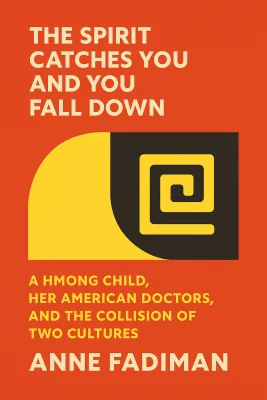
The Spirit Catches You and You Fall Down
A Hmong Child, Her American Doctors, and the Collision of Two Cultures
Categories
Nonfiction, Health, Science, Biography, History, Memoir, Anthropology, Medicine, Medical, Book Club
Content Type
Book
Binding
Paperback
Year
2006
Publisher
Farrar, Straus and Giroux
Language
English
ASIN
B007CFQ9QK
ISBN
0374525641
ISBN13
9780374525644
File Download
PDF | EPUB
The Spirit Catches You and You Fall Down Plot Summary
Introduction
# When Healing Divides: A Hmong Family's Medical Journey In the fluorescent-lit corridors of Merced Community Medical Center, a three-month-old Hmong baby named Lia Lee convulses in her mother's arms while doctors rush to administer emergency medication. To the medical team, this is a clear case of pediatric epilepsy requiring immediate pharmaceutical intervention. To Lia's parents, Foua and Nao Kao Lee, their daughter is experiencing "qaug dab peg"—the spirit catches you and you fall down—a sacred condition that marks her as chosen by ancestral spirits for a special calling. What unfolds over the next several years becomes one of the most heartbreaking examples of how cultural misunderstanding can transform healing encounters into devastating tragedies. This profound exploration takes us into the collision between two vastly different medical worldviews: the high-tech, protocol-driven approach of Western medicine and the soul-centered, spiritually-grounded traditions of the Hmong people. Through meticulous research and compassionate storytelling, we witness how the best intentions on both sides can lead to catastrophic outcomes when cultural bridges remain unbuilt. The journey ahead reveals not just the limitations of our medical system, but the urgent need for genuine cross-cultural understanding in our increasingly diverse world, where the ability to heal across cultural divides can mean the difference between life and death, between building trust and destroying families.
Chapter 1: Two Worlds Collide: The Lee Family's First Hospital Visit
When Lia Lee arrived at the emergency room during her first major seizure, her parents carried with them not just their desperately ill daughter, but centuries of Hmong medical wisdom that would prove utterly incomprehensible to the American doctors waiting to treat her. The emergency room staff saw a classic case of pediatric epilepsy requiring immediate anticonvulsant medication, careful monitoring, and strict adherence to pharmaceutical protocols. The Lee family saw something entirely different: their daughter's soul had been frightened from her body by a loud door slam, leaving her vulnerable to spirits who were now claiming her for sacred purposes. As the medical team worked to stabilize Lia, they encountered parents who seemed strangely calm about their daughter's condition, even somewhat resistant to the urgency the doctors felt was necessary. The Lees listened politely through inadequate interpreters, nodded when expected, but privately believed that their daughter's seizures were fundamentally spiritual in nature. They couldn't understand why these foreign doctors wanted to suppress what they saw as sacred communications from the spirit world, potentially interfering with Lia's destiny as a chosen healer. Dr. Neil Ernst and Dr. Peggy Philp, the dedicated pediatricians who became Lia's primary physicians, prescribed a complex regimen of multiple medications with detailed instructions about timing, dosage, and the critical importance of compliance. They spoke of neurons and neurotransmitters, of the dire consequences of untreated epilepsy, of the need for regular blood tests to monitor therapeutic levels. The Lees listened through interpreters who struggled to convey concepts that had no equivalent in Hmong culture, creating a communication breakdown that would prove catastrophic. When Lia's seizures continued despite treatment, both sides became increasingly frustrated and suspicious. The doctors saw non-compliant parents who were endangering their child's life by failing to follow medical orders. The parents saw their daughter becoming lethargic and unlike herself on the medications, confirming their fears that American medicine was harming rather than helping their child. This initial collision set the stage for years of escalating misunderstanding, where each side's deepest fears and motivations remained invisible to the other, creating a perfect storm that would ultimately destroy the very child both sides desperately wanted to save.
Chapter 2: Sacred Seizures: Understanding Hmong Spiritual Medicine
To truly comprehend the Lee family's response to their daughter's illness, one must enter the rich spiritual landscape of Hmong cosmology, where the boundaries between physical and spiritual worlds are fluid, and where illness is rarely seen as merely biological malfunction. In the Hmong understanding, each person possesses multiple souls that can become separated from the body through fright, trauma, or spiritual intervention. When Lia's seizures began after her sister slammed a door, the family immediately understood the spiritual mechanics: the loud noise had frightened Lia's soul right out of her body, leaving her vulnerable to the dab, or spirits, that were now claiming her. This wasn't primitive superstition to the Lees—it was sophisticated medical diagnosis based on centuries of observation and spiritual wisdom. In their worldview, Lia's seizures were actually evidence of her special spiritual sensitivity, a sign that she might one day become a txiv neeb, a shaman capable of traveling between worlds to heal others. The convulsions, while distressing to witness, were seen as sacred communications from the spirit realm, episodes that should be respected and properly managed rather than suppressed through foreign chemicals. Traditional Hmong healing involves elaborate ceremonies where animals are sacrificed and their souls offered in exchange for the patient's wandering soul. Shamans enter trance states, riding spiritual horses across otherworldly landscapes to negotiate with dabs and guide lost souls home. Herbal remedies, carefully prepared according to ancient formulas, work not just on the body but on the spiritual essence of the illness. These practices had sustained the Hmong people through thousands of years of persecution and displacement, providing not just medical treatment but meaning, community support, and connection to ancestral wisdom. The Lees spent precious welfare dollars on sacred amulets from Thailand, performed ceremonies involving the sacrifice of pigs and chickens, and consulted with renowned shamans across the country. They rubbed Lia's body with coins wrapped in boiled eggs, believing this would draw out the illness, and used heated cups to create suction on her skin, pulling out toxic influences that had invaded her body. This holistic approach recognized that healing required addressing not just physical symptoms but the entire spiritual and social context of illness, involving extended family members, clan leaders, and spiritual healers in a community-wide effort to restore balance and call back Lia's wandering soul.
Chapter 3: Medical Authority vs. Cultural Resistance: The Treatment Battle
The pediatric team at Merced Community Medical Center represented the pinnacle of Western medical training, armed with sophisticated diagnostic tools, evidence-based treatment protocols, and unwavering faith in pharmaceutical intervention. When they encountered what they perceived as the Lee family's irrational resistance to proven medical treatment, their response escalated from education to coercion, ultimately leading to one of the most controversial decisions in cross-cultural medical ethics: the removal of Lia from her family's care. Dr. Ernst and Dr. Philp genuinely cared about their young patient and worked tirelessly to find the right combination of medications to control her seizures. They adjusted dosages, switched between different anticonvulsants, and carefully monitored blood levels to ensure therapeutic effectiveness. When the seizures continued and blood tests showed subtherapeutic medication levels, they assumed the problem lay with parental non-compliance—a common issue in pediatric medicine. Their solution was to increase monitoring, provide more education, and eventually involve child protective services to ensure proper treatment. The doctors' frustration was compounded by their inability to communicate effectively with the family. Medical consultations became exercises in mutual incomprehension, with crucial information lost in translation or never conveyed at all. The Lees' polite agreement to treatment plans often masked fundamental misunderstandings about dosages, timing, and the purpose of various medications. What the doctors interpreted as deception or ignorance was often simply the result of cultural and linguistic barriers that neither side knew how to bridge. From the Hmong perspective, the doctors' authority seemed arbitrary and threatening. In Laos, healing had been a collaborative process involving family members, clan leaders, and spiritual advisors. Decisions about treatment were made collectively, with careful attention to the patient's spiritual as well as physical needs. The American medical system's emphasis on individual physician authority and rapid decision-making felt alien and coercive. The Lees couldn't understand why doctors who barely knew their daughter should have more say in her treatment than parents who loved her and had cared for her since birth. The conflict reached its devastating climax when the medical team, convinced that parental non-compliance was preventing effective treatment, made the decision to place Lia in foster care where medication compliance could be ensured. For the Lees, this was the ultimate betrayal—not only were the doctors failing to heal their daughter, but they were now stealing her away from the family that loved her most. This collision between medical authority and cultural resistance reveals how institutional power can transform healing encounters into battles for control, where the patient becomes a casualty of competing worldviews that refuse to find common ground.
Chapter 4: Lost in Translation: Communication Failures and Growing Mistrust
The communication breakdown between the Lee family and Lia's medical team went far beyond simple language barriers, revealing how cultural misunderstanding can transform caring healthcare providers and devoted parents into unwitting adversaries. During Lia's early medical encounters, interpreters were often unavailable, leaving doctors and parents to communicate through gestures, single words, and desperate attempts at mutual understanding that frequently failed at crucial moments. When interpreters were present, they were frequently hospital employees or community volunteers with limited medical training who struggled to convey complex medical concepts between two vastly different worldviews. How do you explain "anticonvulsant medication" to parents who understand seizures as spiritual journeys? How do you convey the Western medical concept of "compliance" to people whose traditional healing practices emphasize flexibility and responsiveness to the patient's changing spiritual needs? These weren't just translation challenges—they were fundamental incompatibilities between different ways of understanding reality itself. One particularly devastating miscommunication occurred when doctors tried to explain the importance of giving Lia her medications at precise intervals. The Lees understood this as a rigid, inflexible approach that ignored their daughter's individual needs and spiritual condition. In Hmong healing tradition, treatments are adjusted based on the patient's response and the spiritual guidance received through ceremonies and dreams. The idea of giving the same dose at the same time regardless of the child's condition seemed not just wrong but potentially harmful. The language barrier was compounded by cultural differences in communication styles. Hmong culture values indirect communication and deference to authority figures, leading Lia's parents to nod politely even when they didn't understand or agree with the doctors' instructions. The medical staff interpreted this apparent compliance as understanding and agreement, not realizing that the Lees were simply being polite according to their cultural norms while privately planning to modify treatments according to their own medical wisdom. These communication failures created a dangerous feedback loop where each misunderstanding bred greater mistrust. The doctors, seeing continued seizures and low medication levels, assumed the parents were being deliberately non-compliant and increased their pressure for adherence. The parents, seeing their daughter becoming increasingly lethargic and unlike herself on the medications, became more convinced that the American doctors were harming rather than helping their child. The tragedy was that both sides were acting out of profound love and concern for Lia, yet their inability to truly understand each other's perspective would ultimately contribute to the very outcome both desperately wanted to prevent.
Chapter 5: The Devastating Crisis: When Good Intentions Lead to Tragedy
The ultimate catastrophe in Lia's story came when she was four years old and suffered a massive seizure that would change her life forever. What began as a typical episode quickly escalated into status epilepticus, a life-threatening condition where seizures continue without stopping, potentially causing permanent brain damage or death. Her parents, terrified by the severity of this episode, rushed her to the emergency room where medical staff worked frantically to save her life, using every tool at their disposal to stop the seizures and restore her vital functions. The medical team intubated Lia to help her breathe, administered massive doses of anticonvulsant medications, and monitored her brain activity around the clock. For days, her survival hung in the balance as doctors fought to prevent further brain damage while her parents maintained a bedside vigil, praying to their ancestors and performing traditional healing ceremonies in the hospital corridors. The prolonged seizures, combined with a severe infection and septic shock, caused catastrophic brain damage that left Lia in a persistent vegetative state. When Lia finally stabilized, the devastating reality became clear. The bright, mischievous child who had once charmed nurses and terrorized hospital corridors was gone, replaced by a shell of her former self who could no longer walk, talk, or feed herself. She would require constant care for the rest of her life, unable to develop the spiritual gifts her parents had once believed her seizures represented, unable to fulfill any of the dreams either her family or her doctors had held for her future. The tragedy was compounded by the haunting realization that this outcome might have been preventable. Medical experts later suggested that the infection triggering Lia's final crisis was possibly related to her medication regimen, raising devastating questions about whether the very treatments designed to help her had made her more vulnerable to the complications that ultimately caused her brain damage. Blood tests showed that Lia had been receiving her prescribed anticonvulsants at the time of her final seizure, meaning that even perfect medication compliance might not have prevented this catastrophe. In the aftermath of this medical emergency, both the Lee family and Lia's doctors were left to grapple with profound questions about what had gone wrong and whether different choices might have led to different outcomes. The collision between two healing traditions had ultimately failed the very child both sides were trying to save, demonstrating how good intentions without cultural understanding can lead to the most devastating consequences imaginable. The tragedy illuminates the urgent need for medical systems that can bridge cultural divides before crisis strikes, recognizing that true healing requires not just medical expertise but the wisdom to honor different ways of understanding health, illness, and what it means to be human.
Chapter 6: Building Bridges: Lessons in Cross-Cultural Healthcare
Despite the tragic outcome of Lia's case, scattered throughout the medical community were individuals who found ways to bridge cultural divides, offering glimpses of what might be possible when respect and understanding replace judgment and coercion. These success stories reveal that cross-cultural healing is not only possible but can actually improve medical outcomes when healthcare providers take time to understand and work with their patients' cultural beliefs rather than against them. Jeanine Hilt, the social worker assigned to Lia's case, became one of the few Americans to earn the Lee family's trust and affection. Unlike the doctors who saw the family primarily through the lens of medical compliance, Jeanine took time to understand their perspective, learn their names, and respect their values. She visited their home regularly, brought gifts for the children, and advocated fiercely for their needs within the medical system. Most importantly, she never tried to convince them that their beliefs were wrong—instead, she worked to find ways their traditional healing practices could coexist with Western medical treatment. Other successful interventions occurred when healthcare providers learned to practice what medical anthropologists call "explanatory model negotiation"—a process where doctors actively seek to understand patients' beliefs about their illness and work collaboratively to develop treatment plans that respect both medical evidence and cultural values. Some physicians found ways to time medication schedules around traditional ceremonies, allowed family members to remain with hospitalized patients, and incorporated herbal remedies that didn't interfere with prescribed treatments. One remarkable example involved a Hmong tuberculosis patient who refused medication because she feared it would harm her unborn child. A culturally competent social worker, working with a skilled interpreter, took time to understand the woman's concerns and address them within her cultural framework. By acknowledging the woman's fears and explaining how the medication would actually protect rather than harm her baby, they achieved both compliance and successful treatment while maintaining the patient's trust and cultural integrity. The most successful approaches recognized that cultural competence in healthcare is not just about being sensitive or politically correct—it's about providing effective, life-saving medical care. When patients feel that their deepest beliefs are respected and honored, they are more likely to trust their healthcare providers and comply with necessary treatments. When medical institutions fail to provide adequate cultural bridging, they risk not only individual tragedies but also the loss of trust from entire communities who may avoid seeking care when they need it most. These examples point toward a different model of healthcare—one that recognizes cultural understanding as essential to clinical competence, where learning about a patient's worldview is considered as important as understanding their pathology, and where healing becomes a collaborative process that honors both scientific knowledge and traditional wisdom in service of human wellbeing.
Summary
The heartbreaking journey of Lia Lee and her family illuminates one of the most pressing challenges of our interconnected world: how do we bridge the vast cultural chasms that separate different ways of understanding health, suffering, and healing? Through this intimate portrait of collision between Hmong spiritual medicine and Western medical science, we witness both the devastating consequences of cultural misunderstanding and the transformative possibilities that emerge when respect and humility replace judgment and coercion. The tragedy was not that two medical systems disagreed about treatment, but that neither side could see beyond their own cultural assumptions to recognize the wisdom and limitations inherent in both approaches. The lessons from this cross-cultural medical encounter extend far beyond hospital walls into every sphere of human interaction where different worldviews meet. True healing—whether medical, social, or spiritual—requires the courage to step outside our own perspectives and genuinely listen to voices that may challenge everything we think we know. It demands that we recognize our own cultural biases as clearly as we see those of others, and that we approach difference not as a problem to be solved but as an opportunity for deeper understanding and more effective care. In our increasingly diverse world, the ability to navigate cultural differences with grace and wisdom is not just a professional skill but a moral imperative that can mean the difference between healing and harm, between building bridges and deepening the divides that separate us from one another.
Best Quote
“I have always felt that the action most worth watching is not at the center of things but where edges meet. I like shorelines, weather fronts, international borders. There are interesting frictions and incongruities in these places, and often, if you stand at the point of tangency, you can see both sides better than if you were in the middle of either one.” ― Anne Fadiman, The Spirit Catches You and You Fall Down: A Hmong Child, Her American Doctors, and the Collision of Two Cultures
Review Summary
Strengths: The review highlights the book's engaging nature, describing it as a dialogue rather than a monologue, which actively involves the reader. It praises the book for addressing sensitive subjects and for its ability to provoke strong reactions and deep engagement. Overall: The reviewer expresses a highly positive sentiment, emphasizing the book's compelling narrative and its exploration of cultural clashes and human tragedy. The book is recommended for its ability to engross readers and provoke thoughtful reflection on complex issues.
About Author

Anne Fadiman
Fadiman delves into the complexities of cross-cultural interactions and the intimate connections between family and literature through her incisive writing. Her work often revolves around themes of medical anthropology and personal relationships, particularly highlighted in her celebrated book "The Spirit Catches You and You Fall Down", which delves into the cultural clashes between Hmong traditions and Western medicine. Meanwhile, her essays in "Ex Libris: Confessions of a Common Reader" display her wit and affection for reading, showcasing her ability to blend humor with insightful cultural observations.\n\nAimed at readers interested in both cultural exploration and literary reflections, Fadiman's works resonate for their clarity and thoughtfulness. Her method involves weaving personal narratives with broader cultural insights, creating a tapestry that is both informative and engaging. As the Francis Writer-in-Residence at Yale, she continues to influence students with her dedication to nonfiction writing. Her contributions to literary journalism and essays have earned her several prestigious awards, including the National Book Critics Circle Award. Therefore, anyone delving into her bio will find a multifaceted author whose work bridges diverse worlds with sensitivity and depth.\n\nFadiman's journey as a writer and editor also includes leading roles such as the Editor-at-Large at Civilization and the editorship of "The American Scholar", where she significantly impacted the publication's direction. Her achievements in these roles further solidify her status in the literary world, demonstrating her ability to guide and shape cultural discussions through the written word. For those seeking an author who masterfully captures the intersection of personal and cultural narratives, Fadiman's books provide both intellectual engagement and emotional resonance.
Read moreDownload PDF & EPUB
To save this Black List summary for later, download the free PDF and EPUB. You can print it out, or read offline at your convenience.
The Spirit Catches You and You Fall Down
by Anne Fadiman
