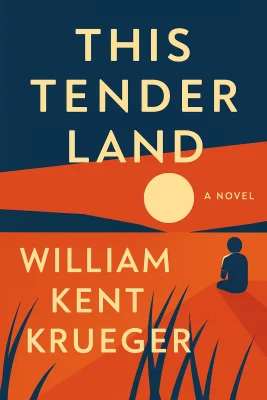
This Tender Land
Categories
Fiction, Audiobook, Historical Fiction, Adult, Book Club, Historical, Coming Of Age, Adult Fiction, Adventure, Literary Fiction
Content Type
Book
Binding
Hardcover
Year
2019
Publisher
Atria Books
Language
English
ISBN13
9781476749297
File Download
PDF | EPUB
This Tender Land Plot Summary
Introduction
# This Tender Land: An Odyssey of Four Souls Seeking Home The summer of 1932 finds four children fleeing down the muddy waters of the Gilead River, their stolen canoe cutting through Minnesota wilderness like a blade through silk. Twelve-year-old Odie O'Banion grips his harmonica while his older brother Albert paddles with grim determination. Behind them lies the Lincoln Indian Training School, where Superintendent Vincent DiMarco's body grows cold in the basement. Ahead waits an uncertain freedom that may cost them everything. What began as desperate escape from institutional brutality has transformed into something far more dangerous. They carry six-year-old Emmy Frost, whose prophetic seizures seem to pierce the veil between worlds, and now federal marshals hunt them as kidnappers. The rivers that promised salvation have become highways of peril, carrying them toward encounters with faith healers, deadly predators, and the ghosts of America's bloodiest history. In this Depression-era odyssey, four lost souls must navigate not only treacherous waters but the even more dangerous currents of human nature itself.
Chapter 1: Chapter 1: Escape from Lincoln School - Breaking the Chains of Captivity
The leather strap whistles through basement air before biting into flesh. Vincent DiMarco administers punishment with zealot's fervor, his eyes gleaming as the strap falls again and again. The quiet room awaits those who resist—a former prison cell where children contemplate sins in darkness, accompanied only by rats and despair. Odie O'Banion has spent more time in that cell than any other student. At twelve, he possesses defiant spirit that no brutality can break. His older brother Albert, brilliant with machines but cautious by nature, tries keeping them invisible, but Odie's mouth and harmonica constantly draw unwanted attention. The school's mission carved above the entrance declares: Kill the Indian, Save the Man. For hundreds of Native American children torn from families, this means systematic destruction of everything they once were. The breaking point arrives when DiMarco sets sights on Emmy Frost, a six-year-old white girl recently orphaned by tornado. During mysterious seizures, she speaks of death and violence with prophet's voice. When DiMarco attempts assault, Odie intervenes with desperate fury. The supervisor's skull strikes concrete with wet crack echoing through basement like gunshot. Blood pools beneath DiMarco's head as four children stare at their deed. There can be no explanation saving them from electric chair. Albert's mechanical genius serves them now, breaking into the school's safe, stealing money and documents revealing years of embezzlement. Under darkness cover, they slip away from their only home, carrying nothing but stolen cash and murder's weight on young shoulders. The Gilead River runs black under moonless sky as they launch stolen canoe into current. Behind them, Lincoln School's lights fade into memory. Ahead lies unknown wilderness of Depression-era America, where desperate people do desperate things surviving. Emmy clutches sock puppet Peter Rabbit, whispering to darkness about things not yet happened, while Mose's powerful strokes drive them deeper into night. They are no longer students or inmates. They are fugitives, bound by blood and necessity, beginning journey testing every bond between them.
Chapter 2: Chapter 2: Into the River's Embrace - The Gilead's Promise of Freedom
Dawn breaks over Minnesota wilderness as stolen canoe drifts between green walls. For first time in years, Odie wakes without bells commanding movements. The river carries them through landscape untouched by human cruelty, where herons fish shallows and eagles circle overhead. Emmy delights in every sight, traumatic seizures temporarily forgotten in freedom's wonder. But freedom brings own dangers. They make camp on wooded island where massive water moccasin strikes without warning, fangs pumping venom into Albert's leg as he screams agony. Miles from any doctor, with Albert's fever climbing toward delirium, Odie faces losing the only family he's known. Emmy suffers another seizure, emerging to whisper cryptically: He's okay. He won't die. Her words prove prophetic when country doctor arrives just in time with antivenom. The encounter introduces them to Jack, one-eyed farmer whose isolated homestead becomes both sanctuary and prison. Initially welcoming, Jack reveals darker nature when alcohol transforms him from protector to predator. He locks them in barn during drinking binges, leaving them wondering if they've escaped one hell finding another. The man's tragic history unfolds in fragments—wife and daughter driven away by violence, farm failing under demons' weight. Jack's drunken rage finally explodes, threatening Emmy with unspeakable violence. Odie makes choice haunting him forever. Gunshot echoes across farmyard as Jack crumples to earth, blood spreading across shirt. Once again, they are killers fleeing into night, but this time Odie carries full weight of pulling trigger himself. The river accepts them back without judgment, carrying canoe toward uncertain future. Albert's recovery is slow but steady, while Mose's silent strength holds them through darkest hours. Emmy continues speaking of things not yet happened, innocent voice describing violence and salvation equally. They are no longer children playing adventure. They are survivors learning freedom demands price paid in blood and nightmares.
Chapter 3: Chapter 3: Dangerous Sanctuary - Jack's Farm and the Price of Trust
The abandoned potting shed offers refuge from approaching storm, its weathered walls promising shelter from both rain and pursuing lawmen. Dawn reveals they've trespassed on neglected farm where apple trees grow wild and broken machinery rusts beneath Minnesota sky. Jack emerges from farmhouse like specter, his missing left eye and shotgun suggesting their flight might end before truly beginning. Jack recognizes Emmy from newspaper photographs making her kidnapping front-page news across state. Five hundred dollar reward represents more wealth than most Depression-era farmers see yearly. Yet something stays his hand from immediately turning them in. Perhaps it's sight of Emmy herself, whose resemblance to his lost daughter Sophie strikes like physical blow. The farm tells story of gradual decay and mounting despair—orchard gone wild, buildings needing repair, empty liquor bottles littering property like fallen leaves. Jack's wife Aggie and daughter Sophie vanished previous year, their absence a wound alcohol numbs but never heals. Children become unwilling laborers, freedom traded for temporary safety and meager meals. Yet as days pass, relationship grows complex. Jack proves capable of unexpected kindness, sharing music evenings when fiddle joins Odie's harmonica in melancholy duets. He speaks of land with genuine love, seeing God in soil and sky rather than church pews. But darkness lurks beneath Jack's rough exterior. Children discover small family graveyard with three unmarked graves, and Odie witnesses Jack's midnight vigils there, weeping over losses he cannot articulate. Farmhouse holds secrets too—locked room where Emmy is kept, upstairs space where mattress lies shredded as if by claws or rage. Truth emerges gradually, painted in shadows and implications. Jack's family hadn't simply left—something terrible happened here, breaking man's spirit and leaving him drinking alone among ghosts. The breaking point comes when Emmy accidentally shatters bottle of Jack's precious liquor. His fury erupts like volcano, suddenly shotgun pointed at Albert's chest. Moment stretches taut as bowstring, violence hanging in air like smoke. Odie, hidden in barn shadows, faces impossible choice: watch brother die or commit another murder. Gunshot shatters more than evening silence. When Jack falls clutching chest in barn dirt, something dies in Odie as well. This wasn't desperate self-defense claiming DiMarco's life—this was calculated execution, born of fear and necessity but murder nonetheless.
Chapter 4: Chapter 4: Sister Eve's Miracles - Faith, Healing, and Hidden Truths
The voice calling across dark water is pure as starlight, rising from revival tent glowing like beacon in Minnesota night. Sister Eve stands bathed in electric light, fox-red hair flowing like liquid fire as she preaches salvation to desperate and downtrodden. White robe gives her angel's appearance, and when she touches afflicted, miracles seem blooming beneath fingers. Odie watches amazement as hunchbacked boy straightens spine, stuttering woman finds voice, lame throw away crutches and dance. Tent fills with weeping and praise while Sister Eve's trumpet player Sid Calloway provides hope's soundtrack. Here is everything Lincoln School denied them—kindness, acceptance, promise that broken things can be made whole. Sister Eve welcomes them into traveling family with open arms, giving new clothes, soft beds at finest hotel, roles in nightly performances. Odie's harmonica finds place among revival musicians while Albert and Mose work behind scenes keeping show running. For first time since parents died, they feel belonging somewhere. But paradise carries serpent in heart. Odie's suspicions grow when he follows Sid to clandestine meeting in Mankato, witnessing trumpet player paying off very people who had been healed in tent. Miracles were theater, carefully choreographed deceptions designed priming audience for genuine faith healing. Yet when confronting Sister Eve, she doesn't deny fraud. Instead, she explains terrible logic behind it—sometimes people need seeing others climb toward God before making journey themselves. Fake healings were stepping stones to real miracles, and participants weren't just actors but genuine believers whose own healing occurred in other towns, other tents. Line between truth and deception blurs like watercolors in rain, leaving Odie wondering if salvation always comes with such bitter price. The terrarium shatters like crystal bomb, releasing more than broken glass onto tent floor. Lucifer, deadly rattlesnake Sid uses in dramatic sermons, coils and strikes lightning speed. Albert's cry cuts through chaos as fangs find flesh, pumping venom into bloodstream like liquid death. Bite high on Albert's calf begins blackening immediately, poison racing toward heart with each frantic beat. Sister Eve's face goes white realizing antivenom Sid kept for emergencies was gone—thrown into river by Odie, who mistook it for drugs.
Chapter 5: Chapter 5: Crossroads of the Heart - Love, Loss, and Sacrifice
The shantytown rises from riverbank like fever dream of America's broken promises, cardboard and scrap metal shaped into shelters for dispossessed. Hooverville, they called it, after president who promised prosperity and delivered only dust. But someone crossed out bitter name and painted new one: Hopersville, where even destitute dared dream. Odie finds himself alone among refugees when family disappears, taken by circumstances he cannot fathom. Schofield family welcomes him into their tepee—Powell, failed farmer drowning shame in bootleg whiskey; Sarah, his wife, whose strength holds them together; Mother Beal, family matriarch whose wisdom comes from seven decades surviving life's cruelties; and twins Lester and Lydia, still young enough finding joy in simple games. But it's Maybeth capturing Odie's heart completely. Thirteen years old like himself, she moves with grace making his breath catch, golden hair catching sunlight like spun silk. She wears patched boy's clothing and walks barefoot through camp, but to Odie she's more beautiful than any princess in fairy tales his father once read. When she quotes Shakespeare and kisses him beneath stars, he understands for first time what poets meant writing of love. Schofields' story is America's story in miniature—drought withered crops, banks seized farm, now they're stranded far from Chicago where Powell's brother promised work. Their truck sits broken and empty of gas, useless as their dreams. Powell seeks solace in whatever blind pig takes his trade, bartering away family heirlooms for temporary oblivion. When police sweep through Hopersville searching escaped madman, Odie hides in tall grass watching officers brutalize very people they're supposed protecting. Forty dollars feels like fortune in Odie's pocket, last of Sister Eve's gift that could carry them safely to Saint Louis. But watching Powell Schofield's family trapped in desperation cycle, watching Maybeth's face grow gaunt with worry, Odie makes choice haunting him with consequences. He finds Powell by dying campfire, broken man contemplating failures in red glow of embers. When Odie presses money into hands, Powell weeps like child, overwhelmed by generosity of boy who has every reason thinking only of himself. Love, he learns, is not always about holding on. Sometimes it's about letting go, choosing another's happiness over own pain.
Chapter 6: Chapter 6: The Weight of Heritage - Mose and the Ghosts of History
The granite monument rises from earth like accusation, chiseled words stark against summer sky: HERE WERE HANGED 38 SIOUX INDIANS DEC. 26TH 1862. Mose stands before it with carved stone stillness, his silence deeper now than ever been. Discovery of Indian child's skeleton on river island awakened something in him, connection to history running in blood like poison. For days he haunted Mankato library, learning story his white teachers never told. Dakota War of 1862, they called it, when starving Sioux warriors rose against broken treaties and empty promises. Conflict lasted only weeks, but aftermath stretched across generations. Thirty-eight men hanged day after Christmas, largest mass execution in American history, while hundreds more were imprisoned or exiled from homeland. Hawk Flies at Night, Sioux drifter who found them by river, understands what others cannot. He gives Mose true name—Amdacha, Broken to Pieces—and with it, weight of his people's suffering. Boy who was found as child beside murdered mother, tongue cut out silencing screams, is not just victim of random violence but casualty of war never truly ended. Emmy's visions had seen them all—thirty-eight who died on scaffold, children like himself scattered to winds, generations of trauma flowing through Indian blood like sorrow river. When she cried They're all dead in seizure, she spoke not just of past but ongoing genocide masquerading as civilization. Mose's rage burns cold and pure as winter starlight. He found identity in library stacks, in newspaper accounts calling his people savages while describing systematic extermination. Standing before monument, Mose signs truth to wind: he is son of warriors, descendant of those who died rather than surrender dignity. White world tried breaking him to pieces, but like ancestors, he will not go quietly into darkness. His silence is no longer submission—it's gathering storm before thunder speaks. The friendly, agreeable boy who smiled through every hardship is gone, replaced by young man understanding his very existence is defiance act against those who would erase his people from history.
Chapter 7: Chapter 7: Saint Louis Reckoning - Confronting the Past's Dark Secrets
The rail yards of Saint Louis stretch like iron veins through industrial America's heart. Odie drops from freight car into landscape of smoke and desperation, where Hooverville sprawls along Mississippi's banks in testament to nation's economic collapse. Thousands of families live in shacks built from scrap metal and cardboard, dreams reduced to simple hope of surviving another day. Pink house on Ithaca Street stands exactly as childhood memories preserved it, but woman opening door shatters every assumption about family and belonging. Aunt Julia runs brothel, her beauty and refinement masking harsh realities of survival in world offering women few choices. Revelation strikes Odie like physical blow, destroying fantasies of rescue and redemption. Yet beneath shock lies deeper truth Julia finally reveals in stuffy attic room where she's hidden him away. Photographs she treasures tell story of maternal love stretched across impossible distances. Odie is not her nephew but her son, born in this very room thirteen years ago and given to sister Rosalee to raise when Julia's circumstances made motherhood impossible. Weight of revelation crushes Odie's understanding of own identity. Everything he believed about origins crumbles, leaving him adrift in sea of questions without answers. Before mother and son can begin navigating complicated reunion, past arrives with vengeance in heart. Thelma Brickman, Black Witch of Lincoln School, has followed their trail to Saint Louis with husband Clyde in tow. Her connection to Julia runs deeper than anyone suspected—shared history of degradation and survival that bred hatred instead of sisterhood. Confrontation in attic room explodes into violence as Thelma reveals true purpose. She wants Emmy, recognizing child's prophetic abilities as tool for own dark ambitions. When negotiations fail, she draws gun, prepared killing Julia to claim prize. Struggle that follows sends both women tumbling from third-story window, bodies striking stone patio below with sickening finality. Hospital room smells of disinfectant and approaching death. Julia lies unconscious, body broken but spirit still fighting for life. Black Witch died instantly in fall, skull crushed against stone that cushioned Julia's impact just enough offering hope.
Chapter 8: Chapter 8: Rivers Lead Home - Where All Journeys Find Their End
Albert, Mose, and Emmy arrive like cavalry riding to rescue, having followed Odie's trail down Mississippi aboard Truman Waters' towboat. Their reunion in hospital corridor brings tears and forgiveness, bonds between them proving stronger than distance or misunderstanding. Sister Eve appears as well, drawn by same mysterious forces seeming to guide all their meetings. Truth about Emmy's gift finally emerges through Sister Eve's gentle questioning. Child doesn't simply see future—she fights changing it, wrestling with destiny itself during seizures. Jack's survival, Albert's recovery, even Julia's miraculous cushioned fall all bear fingerprints of Emmy's intervention. She is guardian angel in six-year-old's body, protecting those she loves by nudging fate in tiny but crucial ways. Clyde Brickman's confession to police unravels years of corruption and violence. His testimony reveals Thelma murdered Odie's father in revenge for old slight, then took sadistic pleasure tormenting his children at Lincoln School. Stolen money, forged documents, systematic abuse of Native American children—all spills out in flood of belated justice. But justice cannot heal all wounds. Mose struggles with weight of his people's history, knowledge that ancestor died in largest mass execution in American history. As Julia slowly returns to consciousness, her eyes finding Odie's face with wonder and recognition, last pieces of his shattered identity begin reassembling. He is not cursed but blessed, not bringer of destruction but catalyst for change. Journey that began in violence and desperation has led him home to truth more complex and beautiful than any fairy tale. Years flow like water, carrying four vagabonds toward destinies none could have imagined that desperate summer of 1932. Albert's genius with engines leads him to naval service and heroic sacrifice during World War II, his final act saving lives of crew when carrier falls victim to kamikaze attacks. Mose finds calling on baseball diamonds of America, powerful swing earning him nickname Silent Sioux Slugger with Saint Louis Cardinals. Emmy grows into gift under Sister Eve's guidance, learning to navigate treacherous currents of prophecy with wisdom beyond years.
Summary
The odyssey of four children down Depression-era America's rivers revealed truths both terrible and beautiful about human condition. Odie O'Banion's journey from institutional victim to reluctant killer to something approaching wisdom traced arc of innocence lost and hard-won maturity gained. His companions—Albert with fierce loyalty, Mose with gentle strength, Emmy with mysterious insights—formed family bound not by blood but by shared suffering and mutual dependence. Their flight from Lincoln Indian Training School became more than simple escape; it was pilgrimage through broken landscape where children learned survival required both violence and compassion, that God might indeed be tornado but also dwelt in fireflies dancing over prairie grass. The river carried them toward promise of Aunt Julia and real home, but more importantly, taught them home was something they carried within themselves—unbreakable bonds forged in darkness and tested by every mile of their desperate journey toward light.
Best Quote
“Of all that we're asked to give others in this life, the most difficult to offer may be forgiveness.” ― William Kent Krueger, This Tender Land
Review Summary
Strengths: The review highlights the book's exceptional writing, calling it a "masterpiece" that blends literary fiction, adventure, mystery, and moral lessons. The narrative is praised for its depth and the author's ability to create a mythic journey set against the backdrop of the Great Depression. The character development, particularly of the four orphans, and the vivid depiction of their struggles and growth are emphasized as strengths. Overall: The reviewer expresses a highly positive sentiment, strongly recommending the book as a must-read. The novel is compared favorably to the author's previous work, "Ordinary Grace," and is described as beautifully crafted with flowing prose.
About Author

William Kent Krueger
Krueger interrogates the human condition through the lens of mystery and cultural intersection, crafting narratives that explore complex identities and moral dilemmas. His work often highlights the nuances of mixed heritage, as exemplified by Cork O’Connor, the part Irish, part Ojibwe protagonist in his mystery series set in Minnesota's north woods. By weaving personal history into his storytelling, Krueger delves into broader societal issues, offering readers a glimpse into the delicate balance between tradition and modernity.\n\nCentral to Krueger's writing is his method of blending suspense with character depth, which is evident in his stand-alone book "Ordinary Grace." This novel not only earned the Edgar Award but also illustrates his ability to transcend the typical boundaries of the mystery genre by focusing on themes of grace and forgiveness. Meanwhile, in "Windigo Island," he tackles issues of exploitation and cultural mythos, enhancing the narrative with a rich sense of place and community. Such thematic depth ensures that his books resonate with a wide audience, providing not just entertainment but also insights into human nature and societal challenges.\n\nReaders benefit from Krueger’s ability to create suspenseful plots that are deeply rooted in emotional and cultural complexity. His narratives cater to those who seek not only the thrill of a mystery but also a profound connection to character and place. The recognition his work has received, including numerous literary awards, underscores the impact of his storytelling approach, solidifying his reputation as a significant contemporary author. Through his engaging narratives, this short bio captures how Krueger continues to enrich the literary landscape with stories that challenge and illuminate.
Read moreDownload PDF & EPUB
To save this Black List summary for later, download the free PDF and EPUB. You can print it out, or read offline at your convenience.
This Tender Land
by William Kent Krueger
