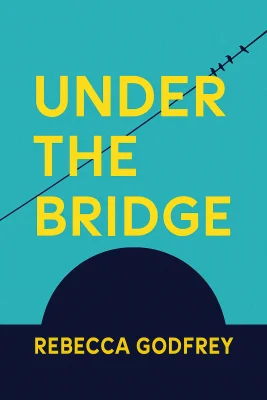
Under the Bridge
Categories
Nonfiction, Biography, History, Audiobook, Mystery, Thriller, True Crime, Crime, Canada, Mystery Thriller
Content Type
Book
Binding
Paperback
Year
2019
Publisher
Gallery Books
Language
English
ISBN13
9781982123185
File Download
PDF | EPUB
Under the Bridge Plot Summary
Introduction
# When Children Cross the Line: Lessons from a Night That Changed Everything What happens when the teenagers in your community—the ones you see walking to school each morning, working part-time jobs, gathering on Friday nights—suddenly become strangers capable of unthinkable violence? In a quiet suburb where parents thought they knew their children, a single night shattered every assumption about youth, belonging, and the devastating power of peer dynamics gone wrong. This is the story of how ordinary adolescents crossed a line they could never uncross, and how an entire community was forced to confront uncomfortable truths about the darkness that can lurk beneath the surface of teenage social life. Through this harrowing true account, you'll discover the complex web of relationships, pressures, and choices that can transform typical teenage drama into irreversible tragedy. You'll learn to recognize the warning signs that adults consistently miss—the casual cruelty, the desperate need for acceptance, the dangerous loyalty that prioritizes group belonging over basic human decency. Most importantly, you'll understand how communities can better protect their most vulnerable members and create environments where young people can belong authentically without requiring the exclusion or destruction of others.
Chapter 1: The Russian Satellite: When Ordinary Teenagers Become Capable of Murder
On November 14, 1997, teenagers in View Royal, British Columbia, gathered at Shoreline Middle School to witness something extraordinary—a decommissioned Russian satellite streaking across the night sky like a falling star. The brilliant arc of light seemed almost prophetic as it illuminated the faces of young people who had no idea they were about to witness something far more devastating than celestial debris. Among the crowd was fourteen-year-old Reena Virk, a girl desperately seeking acceptance from peers who had largely rejected her. She had been staying at a group home, struggling with typical adolescent challenges, but that night felt different—hopeful, even. For once, she had been invited to hang out with the popular girls. As the teenagers moved from the school field to gather under the nearby Craigflower Bridge, the atmosphere shifted from wonder to something more sinister. What began as accusations about stolen phone books and spreading rumors quickly escalated into physical violence. Reena found herself surrounded not by friends, but by a group of girls who had been harboring resentments against her. The beating was swift and brutal, with multiple girls taking turns attacking Reena while others watched in stunned silence. The most chilling aspect wasn't just the violence itself, but how quickly a group of seemingly ordinary teenagers transformed into a mob, their individual moral compasses overwhelmed by collective rage and the intoxicating power of group dynamics. When we examine youth behavior, we must understand that adolescents are particularly susceptible to these dangerous group dynamics. Their developing brains struggle to process long-term consequences, especially when caught up in the heat of collective emotion. The need for social acceptance can override moral reasoning, leading young people to participate in actions they would never consider alone. This isn't an excuse—it's a warning. The satellite that night illuminated more than just the sky; it exposed the dangerous undercurrents that can exist within any community when young people feel disconnected, angry, and desperate to belong. We cannot afford to dismiss teenage conflicts as harmless drama. Adults must recognize the warning signs when social tensions escalate and intervene before situations reach a point of no return. The tragedy teaches us that prevention requires vigilance, and vigilance requires understanding the complex social hierarchies and pressures that govern teenage life.
Chapter 2: Under the Bridge: How Violence Spirals Beyond Anyone's Control
After the initial beating under the bridge, most of the teenagers scattered, believing the violence was over. Reena, bloodied and disoriented, managed to pull herself up and began walking across the bridge toward home. She moved slowly, clearly injured, but she was alive and walking. For a brief moment, it seemed the nightmare might end there—a terrible assault, yes, but one that Reena would survive. However, two figures emerged from the shadows and followed her across the bridge: Kelly Ellard and Warren Glowatski, both fifteen years old, both about to cross a line that would destroy multiple lives forever. What happened next in the darkness by the old white schoolhouse would haunt everyone involved for the rest of their lives. According to Warren's eventual testimony, he and Kelly caught up with Reena and continued the assault with devastating brutality. They kicked and stomped on her unconscious body, then dragged her to the water's edge of the Gorge Waterway. In those final moments, as Reena briefly regained consciousness and began to struggle, Kelly held her head underwater until she drowned. Warren watched, paralyzed by his own cowardice, unable to stop what was happening or call for help. The medical examiner would later describe injuries consistent with being run over by a car, but it was the eighteen small pebbles found in Reena's lungs that told the most heartbreaking part of the story—in her final moments, fighting for air beneath the dark water, she had gasped and inhaled these tiny stones from the bottom of the waterway. This horrific escalation reveals how violence can spiral beyond anyone's control or imagination. What began as teenage drama transformed into murder, crossing a line that can never be uncrossed. The tragedy shows us that bystander intervention isn't just about speaking up—sometimes it's about having the courage to physically intervene or immediately call for help. Warren's paralysis in those crucial moments cost Reena her life and destroyed his own future. We must teach young people that there are moments when doing nothing is itself a choice with devastating consequences. The bridge that night became a metaphor for the crossing from childhood to a much darker place, where actions have permanent, irreversible results. Understanding this progression from conflict to violence to murder is crucial for prevention—we must intervene at the earliest stages, before momentum builds beyond anyone's ability to stop it.
Chapter 3: The Price of Silence: When Bystanders Choose Loyalty Over Life
In the days following the murder, as rumors spread through Shoreline School about what had happened, students who knew the truth made a collective decision that would prove as damaging as the violence itself—they chose to "keep it on the down low." Even when Reena Virk was reported missing, even when her desperate parents were calling around looking for information, the witnesses maintained their silence. This wasn't just teenage loyalty or fear of getting in trouble; it was a moral failure that allowed a tragedy to become a murder. Marissa, barely fourteen and the smallest girl who witnessed the initial beating, later explained why she didn't tell her parents: "That would only worry them, knowing their daughter was around people who could be cruel like that." Tara didn't call her friend Syreeta that night to warn her about Warren's involvement because she thought it could wait until morning. The boys who witnessed the assault adopted the street code of not being a "rat," even when a girl's life was at stake. Most damaging of all was how this silence continued even after Reena's body was found, as students protected their friends from consequences while a grieving family sought answers. If any one of those witnesses had called 911 that night, Reena might have survived. If any of them had come forward in the days that followed, she might have been found in time. Instead, their silence became complicity, their inaction a form of participation in the crime itself. The weight of silence isn't just what we don't say—it's what we allow to continue by our refusal to speak. When we witness cruelty and do nothing, when we prioritize our own comfort over someone else's safety, we become part of the problem. Breaking the culture of silence requires courage, but it also requires preparation. Young people need to understand that there are times when loyalty to friends must give way to loyalty to basic human decency. They need to know that calling for help isn't betrayal—it's the most important thing they can do for everyone involved, including the perpetrators who might still be saved from crossing a line they can never uncross.
Chapter 4: First Love Destroyed: Warren and Syreeta's Story of Consequence
At the center of this tragedy was a love story that would be destroyed by a single night of violence. Warren Glowatski and Syreeta Hartley had been dating for seven months, experiencing the intense, all-consuming first love that defines so many teenage relationships. Syreeta worked at a local fish and chips shop, and Warren would visit her there, bringing her small gifts and walking her home. They talked about marriage, about having children together, about a future that seemed bright and full of possibility. On the night of November 14th, Syreeta had felt sick and gone home early, declining Warren's offer to walk her home—a decision that would haunt her forever. The most heartbreaking moment came days later when Warren, overwhelmed by guilt and the need to confess, told Syreeta what had really happened that night. Kneeling beside her bed, holding her hands, he whispered the truth about Reena's death and his role in it. "I killed someone," he told her through tears. Syreeta was faced with an impossible choice: protect the boy she loved or do what was right. When police questioned her, she initially tried to minimize what Warren had told her, but eventually her conscience won out. Her testimony would be crucial in convicting the boy she had planned to marry. The destruction of their relationship illustrates how violence ripples outward, destroying not just the immediate victim but everyone connected to the perpetrators. Syreeta would spend years dealing with guilt, wondering if she could have prevented the murder, struggling with the knowledge that her testimony had sent her first love to prison. Warren would lose not only his freedom but the one person who had made him feel truly loved and accepted. Their story reminds us that behind every act of violence are human connections that get severed, dreams that get shattered, and innocent people who become collateral damage. When we talk about the consequences of youth violence, we must remember that the damage extends far beyond the immediate participants. Families are torn apart, relationships are destroyed, and entire communities lose their sense of safety and trust. First love, with all its intensity and promise, became another casualty of that terrible night under the bridge.
Chapter 5: Finding Truth in a Web of Teenage Lies and Loyalty
The investigation into Reena's murder quickly became a maze of conflicting stories, teenage loyalties, and deliberate deceptions. Kelly Ellard proved to be the most enigmatic figure in this web of lies. To some witnesses, she bragged about the murder, describing in chilling detail how she had held Reena's head underwater. She allegedly told one girl that she "felt like she had to finish what was started" so that Reena wouldn't "rat everyone out." Yet when questioned by police, Kelly maintained her innocence, claiming she had gone home after the initial fight and knew nothing about Reena's death. The challenge for investigators was determining which stories were true when dealing with teenagers who had been drinking, were traumatized by what they had witnessed, and were under intense pressure from peers to remain silent. Some witnesses changed their stories multiple times, initially protecting friends before eventually telling the truth. Others stuck to their original accounts despite evidence to the contrary. Detective John Bond, who led the investigation, found himself in the surreal position of interrogating children about murder, trying to extract truth from a community bound by loyalty, fear, and the complex social dynamics of adolescence. The breakthrough came not through forensic evidence but through patient relationship-building. When Warren finally confessed, it wasn't because he had been broken down or intimidated—it was because Detective Bond had created an environment where Warren felt safe to speak. "I don't think when you went over there you necessarily thought she was gonna get killed," Bond told him, recognizing the complex reality of how ordinary people can become complicit in extraordinary evil. This wasn't manipulation; it was understanding that truth emerges through connection, not coercion. Detective work in cases involving youth requires a different approach than adult crimes. Teenagers respond to different incentives, have different fears, and operate under social codes that adults often don't understand. The investigators had to become part psychologist, part parent, and part detective, carefully building trust with young witnesses while navigating the legal complexities of interviewing minors.
Chapter 6: The Long Road to Redemption: Can Young Killers Change?
Years after the murder, Warren Glowatski embarked on what would become a remarkable journey of transformation. During his time in prison, he threw himself into education, therapy, and restorative justice programs. He earned his high school diploma, then a university degree. He participated in programs where offenders meet with victims' families, learning to understand the full impact of his actions. Most significantly, he eventually testified against Kelly Ellard, breaking the code of silence that had initially protected her and taking full responsibility for his role in Reena's death. "I feel a lot better," Warren had said after his initial confession to police. "It's still eating me away, what happened." This wasn't the satisfaction of getting away with something, but the complex relief of finally telling the truth about his involvement in a tragedy that had haunted him every day. The confession didn't erase his guilt or undo the harm he had caused, but it marked the beginning of accountability and, eventually, genuine transformation. The concept of redemption in cases of youth violence is complex and controversial. Can someone who commits murder as a teenager truly be rehabilitated? Warren's transformation suggests that redemption is possible, but it requires genuine remorse, hard work, and a commitment to making amends. His participation in restorative justice programs represents one approach to healing the wounds caused by violence, though it can never fully repair the damage done. Perhaps most importantly, Warren's journey illustrates the difference between punishment and rehabilitation. While he served his time and faced the legal consequences of his actions, his real transformation came through programs that helped him understand the impact of his choices and develop the tools to become a contributing member of society. This doesn't minimize the severity of his crime or suggest that understanding equals forgiveness, but it demonstrates that even those who commit terrible acts remain human beings capable of growth and change. The path to redemption is long and difficult, requiring not just individual transformation but also a society willing to believe that change is possible while still holding people accountable for their actions.
Chapter 7: Growing Up in the Shadow: A Community Learns Hard Truths
The teenagers who survived that night under the bridge were forever changed by their experience, forced to grow up in ways no child should have to. The trauma of witnessing or participating in extreme violence left lasting scars that would affect their relationships, their trust in others, and their understanding of human nature. Many spoke of losing their innocence overnight, of suddenly understanding that people they knew were capable of unthinkable cruelty. The community of View Royal also had to grapple with the aftermath, as this quiet suburban town where families had felt safe letting their teenagers roam freely suddenly became associated with youth violence and gang activity. For the young people directly involved, the path forward was complicated by legal proceedings, media attention, and the challenge of rebuilding their lives while carrying the weight of their actions. Some, like Warren, used their experience as motivation for positive change. Others struggled with addiction, continued legal troubles, and the inability to move beyond their past. The divergent paths of these young people illustrate how individuals respond differently to trauma and consequence, and how crucial it is to provide support and guidance during these critical moments. The case highlighted the importance of early intervention and support for at-risk youth. Many of the teenagers involved came from troubled backgrounds—broken families, substance abuse, previous encounters with the law. Their participation in violence wasn't inevitable, but it was predictable given the lack of positive adult guidance and support systems in their lives. The tragedy forced the community to examine how it had failed these young people long before that November night. Growing up in the shadow of violence means learning to live with consequences that extend far beyond the immediate participants. It means understanding that actions have permanent results, that some mistakes cannot be undone, and that the choices we make in moments of peer pressure or emotional intensity can define the rest of our lives. For the survivors of that November night, this hard-won wisdom came at a price no teenager should have to pay. The community's response also revealed the importance of addressing the underlying conditions that make youth violence more likely—social isolation, lack of belonging, inadequate support systems, and the failure of adults to recognize and intervene when warning signs appear.
Summary
The deepest tragedy isn't just that Reena Virk died, but that her death was preventable—the result of countless small failures by individuals and institutions who could have chosen differently when communities prioritize comfort over vigilance, when young people mistake loyalty for identity, and when bystanders choose silence over courage. Create safe spaces where young people can report bullying and violence without fear of retaliation, and teach them that remaining silent in the face of escalating aggression makes them complicit in the outcome. Invest in comprehensive support systems for at-risk youth, addressing the underlying issues of family dysfunction, social isolation, and lack of belonging that make teenagers vulnerable to negative peer influence. Pay attention to the warning signs in your own community—the casual cruelty, the social hierarchies that leave some children isolated, the adults who look away from uncomfortable truths about young people's behavior. Most importantly, remember that behind every act of youth violence are children who needed guidance, connection, and intervention before they crossed the line into irreversible harm.
Best Quote
“Wherever I may be, peace will be by my side. The tears I so often cried / Will all have dried / Bringing me rays of sunshine and happiness / To fill my life with warmth / And serenity / No longer scorned by the evil of others / A road of my own that I will travel / No hills, no curves, and no gravel. Giving a clear, open way to where I belong / Showing me love and how to be strong.” ― Rebecca Godfrey, Under the Bridge: The True Story of the Murder of Reena Virk
About Author

Rebecca Godfrey
Godfrey explores the intricate tapestry of human transgressions and adolescent struggles through her compelling literary works. Her writing, characterized by an intersection of fiction and nonfiction, delves deep into themes of trauma, grief, and loss, often drawing from her personal experiences, such as the tragic loss of her brother during her teenage years. Her method involves meticulous research and blending narrative styles, which allows her to present stories that are both poetically detailed and rigorously historical. This approach not only enriches her narratives but also resonates with readers who seek a profound understanding of complex human emotions and societal issues.\n\nFor readers interested in true crime and adolescence, Godfrey's work offers a rich exploration of these themes, notably in her book "Under the Bridge", which provides an in-depth examination of a real-life crime with the narrative depth comparable to Truman Capote's "In Cold Blood". Meanwhile, her debut novel, "The Torn Skirt", reflects her own tumultuous teenage years and highlights her ability to transform personal history into a universally relatable narrative. Readers benefit from Godfrey's ability to humanize complex issues, offering insights into both individual and collective experiences. Her bio as an author is further complemented by her academic contributions at Columbia University and her role as a curator, which underscore her dedication to fostering literary and artistic discourse.\n\nRecognition of Godfrey's work extends beyond her published books to include the adaptation of "Under the Bridge" into a Disney+ series, broadening her impact and introducing her narratives to wider audiences. Her posthumously published novel, "Peggy", exemplifies her ongoing legacy, blending historical figures with fictional storytelling to captivate and educate readers. Through her distinctive approach and thematic focus, Godfrey's works continue to engage readers with their depth and authenticity.
Read moreDownload PDF & EPUB
To save this Black List summary for later, download the free PDF and EPUB. You can print it out, or read offline at your convenience.
Under the Bridge
by Rebecca Godfrey
