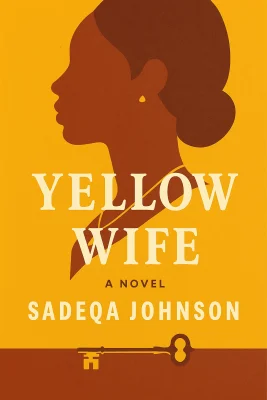
Yellow Wife
Categories
Fiction, Audiobook, Historical Fiction, Adult, Book Club, Historical, African American, Race, Adult Fiction, Civil War
Content Type
Book
Binding
Hardcover
Year
2021
Publisher
37 Ink
Language
English
ISBN13
9781982149109
File Download
PDF | EPUB
Yellow Wife Plot Summary
Introduction
In the antebellum South of 1850, seventeen-year-old Pheby Delores Brown lives in a precarious balance between privilege and bondage on the Bell plantation in Virginia. Born to a slave mother and white master, she has been raised with the promise of freedom on her eighteenth birthday—a promise that has shaped her every dream and decision. But when her master's bitter wife discovers Pheby's secret romance with Essex Henry, a talented stable hand, that promise becomes a weapon of revenge. The night of her mother's funeral, Pheby's world shatters. Sold to the notorious Lapier jail in Richmond—a place so cruel it's known as the Devil's Half Acre—she must navigate a world where survival means compromising everything she once believed about herself. As she transforms from a plantation girl with hopes of freedom into the "yellow wife" of the jail's brutal owner, Pheby discovers that the path to protecting those she loves requires sacrifices that will test the very core of her humanity.
Chapter 1: The Promise of Freedom: Life on Bell Plantation
The full moon cast silver shadows across the Virginia countryside as Pheby followed her mother Ruth through the woods, gathering healing herbs in the bitter March cold. At seventeen, she moved with the quiet confidence of someone who had never known the brutal realities that defined most slave lives. Her days were spent in the loom house with her mother, learning the ancient art of root medicine, or in the parlor with Miss Sally, Master Jacob's invalid sister, who taught her piano, reading, and the manners of a lady. "Remember, Delores," her mother would whisper, using the middle name that claimed her as her own, "you ain't nobody's property. You a woman born to see freedom." The promise had been made before Pheby's birth—on her eighteenth Christmas Day, Master Jacob would grant her freedom papers and send her to a girls' school in Massachusetts. It was a future that seemed as certain as the sunrise, a beacon that guided every choice and shaped every dream. Essex Henry worked in the stables, his hands gentle with the horses and his eyes gentle with Pheby. Their secret meetings in the hayloft were stolen moments of tenderness in a world that allowed them few choices. He carved wooden heart necklaces for them both, whispering promises of marriage once they were both free. "You mine, Pheby," he'd say, and she believed him with the fierce certainty of first love. But Missus Delphina, Master Jacob's wife, watched everything with calculating green eyes. Brought from a neighboring plantation as part of a business arrangement, she had never warmed to her husband's favoritism toward his mixed-race daughter. When she discovered Essex had been forced into her bed—a cruel power play she used to wound both him and Pheby—the fragile world of Bell plantation began to fracture. The baby growing in the missus's belly might be Essex's, and that dangerous secret would soon demand a terrible price.
Chapter 2: Betrayal and Displacement: Sold to the Devil's Half Acre
The plantation bell tolled twice in the pre-dawn darkness, summoning everyone to witness an announcement that would shatter lives. Master Jacob stood on the porch, his face grave as he delivered news of Rachel's death—the house servant who had succumbed to lockjaw despite Ruth's desperate attempts to save her with healing teas and poultices. But it was Ruth herself who would pay the ultimate price for Missus Delphina's vindictive heart. When Ruth was mortally injured in a carriage accident, bleeding from infected wounds that could have been saved with proper medical care, Missus Delphina refused to summon a doctor. "Your mama work roots, she will figure it out," she said coldly, watching Ruth die in agony while Pheby begged for mercy. The funeral was held on a warm evening, with field hands gathering to sing Ruth home to glory, their voices rising like prayers into the Virginia sky. That night, as the community mourned, slave traders' wagons rolled into the yard. Snitch, the cruel overseer, seized Pheby from the midst of the funeral celebration while she wore her mother's red calico dress. "Take her to the Lapier jail, where she will be punished properly for helping my best nigger escape," Missus Delphina commanded, her voice dripping with satisfaction. Essex had vanished weeks earlier, following Pheby's carefully drawn map to freedom, and now she would pay for his escape. Chained to other souls torn from their families, Pheby began the eight-day march to Richmond. Her feet bled in her shoes, her dress grew filthy with sweat and dust, but she held her head high, refusing to break before the woman who had destroyed her world. As the wagons rolled toward the Devil's Half Acre, Pheby clutched Essex's wooden heart necklace and her mother's memory, the only treasures they couldn't steal from her.
Chapter 3: The Yellow Wife: Negotiating Power Through Sacrifice
The Lapier jail reeked of human misery and death, its cobblestone courtyard stained with the blood of countless whippings. Rubin Lapier, the owner known as "Bully" for his cruelty, spotted Pheby on the auction block and claimed her before the bidding could begin. Unlike the other terrified souls who passed through his gates, she carried herself with an dignity that intrigued him—and perhaps reminded him of the respectability his slave-trading profession could never buy him. For months, Pheby resisted his advances while carving out a role as seamstress to the "fancy girls"—light-skinned women dressed and sold as concubines to wealthy men. Each girl who passed through her hands received not just silk dresses and rouge, but whispered prayers and promises that someone would remember their names. In a hidden diary, Pheby recorded their stories, a testament to lives that the world would otherwise forget. When Pheby discovered she was pregnant with Essex's child—their son Monroe, born in the jail's shadows—everything changed. Lapier moved her into the big house, gave her fine clothes and jewelry, and treated her as his mistress. But Pheby understood the true nature of the bargain. When he showed her the whipping room where he tortured a pregnant woman until she miscarried, the message was clear: comply, or watch those she loved suffer. The birth of their first daughter together, Hester, sealed Pheby's fate as the "yellow wife" of the Devil's Half Acre. She played piano for his guests, managed his household, and bore him more children—Isabel, Joan, and finally Katherine, whom she called Birdie. Each compromise cost her a piece of her soul, but it bought protection for Monroe and a life of relative privilege for the daughters. In this world of impossible choices, survival meant learning to negotiate power through sacrifice.
Chapter 4: Children of Two Worlds: Protecting Monroe Among Lapier's Daughters
Six-year-old Monroe lived in the shadow of the Lapier children, working in the stables while his half-sisters learned piano and French from a private tutor. Pheby watched helplessly as Lapier ignored her son or worse, beat him when his childish behavior annoyed the master. The cruel irony wasn't lost on her—she had gained a house and status, but lost the ability to protect her firstborn from the daily humiliations of bondage. In secret moments stolen before dawn, Pheby taught Monroe to read and write, drilling into him the same lessons her mother had given her: "You ain't nobody's property. Never in your mind. You are meant to see freedom." She told him stories of his great-grandmother, Vinnie Brown, descendant of a Mandara queen, weaving pride into his identity even as the world tried to break his spirit. July, the young girl who helped care for the children, became like a sister to Pheby and a bridge between the two worlds Monroe navigated. She absorbed the lessons meant for the Lapier daughters, learning to read and write in secret while maintaining the facade of ignorance that kept her safe. The big house held its own dangers—Pheby constantly worried about July's growing beauty and what it might mean when men took notice. When Monroe was sent to work on a neighboring plantation for several days, returning withdrawn and fearful, Pheby realized how precarious their situation truly was. "I's a slave. No more pretendin'," he told her, his young voice heavy with a knowledge no child should carry. The silver-haired planter had shown him a man with his cheek cut away as a warning against "uppity ways," and Pheby understood that her son's education might not save him—it might get him killed.
Chapter 5: The Return of Essex: Love and Impossible Choices
The year 1857 brought news that chilled Pheby's blood. Essex Henry, the "Boston Lion" who had become a symbol of successful escape, had been captured and would be brought to the Lapier jail for public punishment. Politicians and plantation owners from across Virginia would gather to witness his flogging, and Lapier savored his role as the instrument of their revenge. When Essex arrived in chains, bearing the weight of six years of freedom and loss, Pheby's carefully constructed world threatened to collapse. Under cover of night, she slipped sleeping powder into Lapier's whiskey and crept to the garret room where Essex was held. The man she found was scarred by hardship but unbowed, his eyes still holding the warmth she remembered from their stolen moments in the Bell plantation stables. "I searched every girls' school in Massachusetts," he whispered as she cleaned his wounds and fed him scraps from Lapier's table. "I never stopped looking for you." The revelation that Monroe was his son hit Essex like a physical blow, filling him with both wonder and desperate determination. He pressed her to help him escape, to run away with him and their son to the life he had built in the North. But Pheby had learned cruel lessons in the years since their separation. She had daughters now, white-appearing children who would have opportunities if she maintained her position, and abandoning them meant condemning them to a life she had fought to help them escape. When the day of Essex's public flogging arrived, she stood in her finest dress beside Lapier, watching in horror as he nearly killed the man she loved with ninety-six lashes and scalding pepper water, all while the crowd cheered for more blood.
Chapter 6: Orchestrating Escape: The Ultimate Sacrifice for Freedom
The plan took months to arrange, each detail negotiated through whispered conversations and coded messages passed through the Underground Railroad contacts at the African Baptist Church. Pheby used her accumulated savings, hidden coins, and even her mother's recipes to broker safe passage, knowing that one mistake would mean death for them all. On the chosen night, she drugged Lapier's whiskey one final time and orchestrated a diversion—hay fires that drew the guards away while she, Essex, Monroe, and two others crawled through a hole in the back fence that had been carefully prepared over weeks. They made their way to the James River where a boat waited, captained by friends of the cause who risked everything to ferry escaped slaves to freedom. At the water's edge, with freedom beckoning across the dark river, Pheby made her most devastating choice. She could not abandon her daughters, white-appearing children who would face questions and suspicions if their mother simply vanished. Someone had to stay behind and face Lapier's wrath, and it had to be her. "You are meant to see freedom," she whispered to Monroe as she kissed him goodbye, pressing the wooden heart necklace Essex had carved years before into his small hands. She watched her son and his father disappear into the darkness, carrying with them all her dreams of a life beyond the Devil's Half Acre. Essex called her name from the boat, begging her to come, but she turned away, walking back toward the jail that would be her prison for the rest of her life.
Chapter 7: Liberation's Aftermath: Transforming the Devil's Half Acre
The years following Monroe's escape blurred together in a haze of grief and determination. Lapier never discovered who had helped the prisoners flee, though his suspicions and rage made life harder for everyone on the half acre. Pheby threw herself into protecting the remaining enslaved people, using her position to provide small mercies and maintain the detailed records of those who passed through the jail's gates. When the Civil War finally came to Richmond, it brought chaos and opportunity in equal measure. Confederate soldiers set fires as they retreated, and the city burned as Union troops marched in to the cheers of freed slaves. Lapier died of cholera in 1866, broken by the loss of his human property and the world that had made his cruelty profitable. In his will, he left everything to his "yellow wife," perhaps the only genuine act of recognition in their twisted relationship. Pheby's final act of transformation was to lease the property to Reverend Nathaniel Colver, who converted the notorious jail into a school for freed slaves. The shackles and whips were removed, replaced with desks and blackboards. The Devil's Half Acre became God's Half Acre, a place of learning and hope rising from the ashes of suffering. In the letters that followed, Pheby learned that Monroe had grown into a fine man in Canada, married with children of his own, though Essex had died young of tuberculosis. Her daughters had found lives in Massachusetts, passing as white women with new names and fabricated histories, the education she had secured for them opening doors that would have remained forever closed to the descendants of slaves.
Summary
Pheby Delores Brown's journey from plantation privilege to jail mistress to freedom's architect reveals the impossible mathematics of survival under slavery—how love became currency, how compromise became survival, and how the most profound acts of liberation sometimes required the greatest personal sacrifice. Her story illuminates the complex negotiations that enslaved women made daily, trading pieces of themselves for the safety of their children and the hope of better futures. The transformation of the Devil's Half Acre into God's Half Acre stands as testament to the possibility of redemption, even in places where human cruelty seemed absolute. Pheby's hidden diary, filled with the names and stories of hundreds of women who passed through Lapier's gates, becomes a monument to the thousands of forgotten voices whose suffering paved the road to freedom. In choosing to stay behind while her son and lover escaped to liberty, she embodied the fierce maternal love that sustained resistance throughout the darkest chapters of American history, proving that sometimes the greatest freedom lies in ensuring that others can fly.
Best Quote
“To survive this, I could not let my mind succumb to the misery that threatened to strangle me.” ― Sadeqa Johnson, Yellow Wife
Review Summary
Strengths: The review highlights the novel's compelling narrative and its exploration of complex themes such as survival, motherhood, and the nuanced experiences of biracial slaves. The book is praised for its fast-paced storytelling and its ability to stand out among other slave narratives. The author, Johnson, is commended for effectively illustrating the fraught relationships between White and Black women during slavery. Overall: The reviewer finds "Yellow Wife" to be a challenging yet essential read, emphasizing the need for mental preparedness due to its graphic content. Despite its difficult subject matter, the book is recommended for its insightful portrayal of historical realities and its engaging narrative.
About Author

Sadeqa Johnson
Johnson delves into the intricate narratives of African American history, focusing on themes of identity, resilience, and heritage. Her literary journey transitioned from contemporary to historical fiction, ignited by the Richmond Slave Trail and Mary Lumpkin's story. This shift not only expanded her storytelling scope but also deepened her engagement with personal and social histories, particularly through her books like "The House of Eve," which delves into mother-daughter relationships and empowerment, and "Yellow Wife," exploring the harrowing legacy of slavery in Virginia.\n\nThrough her role as an educator in the MFA program at Drexel University and her work with Story Summit, Johnson extends her influence beyond writing, mentoring upcoming authors and fostering new voices. Her approach intertwines narrative depth with historical authenticity, earning her accolades like the BCALA Literary Honoree and the Library of Virginia’s Literary People’s Choice Award. This blend of teaching, storytelling, and public speaking ensures her impact reaches a broad audience, providing a multifaceted exploration of African American experiences that resonate with both historical and contemporary readers.\n\nFor those delving into her bio, Johnson’s commitment to blending rich narrative with emotional insight offers a profound exploration of themes pertinent to understanding the complexities of heritage and identity. Her work stands as a testament to the power of storytelling in shedding light on underrepresented histories and offering readers a deeper understanding of the past's impact on present identities.
Read moreDownload PDF & EPUB
To save this Black List summary for later, download the free PDF and EPUB. You can print it out, or read offline at your convenience.

Yellow Wife
by Sadeqa Johnson
