
Aeschylus
Aeschylus interrogates the nature of divine justice and human hubris in his tragedies, often hailed as elevating the dramatic genre to poetic heights. His works, such as the "Oresteia" trilogy, explore themes of fate and moral complexity, focusing on the interplay between human free will and divine intervention. By introducing a second actor, Aeschylus transformed the traditional theatrical dynamic, allowing richer character interactions beyond the chorus. This innovation not only increased dramatic tension but also significantly influenced the evolution of Greek tragedy, making his contributions foundational to Western theatrical tradition.\n\nFor readers interested in the historical context of Greek drama, Aeschylus’s works offer a vivid exploration of contemporary events, notably in "The Persians", which depicts the Persian defeat at Salamis. His ability to blend historical narrative with profound moral inquiry makes his plays timeless. Scholars and theater enthusiasts alike benefit from his innovations in stagecraft, such as the "ekkyklema" and "mechane", which introduced new possibilities for dramatic storytelling. As an author whose impact resonates through time, Aeschylus's bio reveals a blend of military and artistic prowess, seen in his participation in battles like Marathon, which he deemed significant enough to mention in his epitaph over his theatrical successes.
Books by Aeschylus
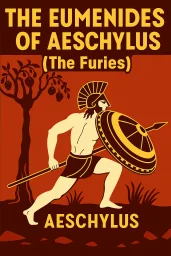
The Eumenides of Aeschylus
Popular Authors

Robin Sharma
5 books

James Clear
2 books

Sarah Knight
4 books

Daniel Goleman
9 books

Stanley D. Rosenberg
1 books

Anthony Scaramucci
1 books


Niall Kishtainy
1 books
J. Richard Gott
1 books

Trevor Moawad
2 books

Mark McNeilly
1 books

Lara Love Hardin
4 books
