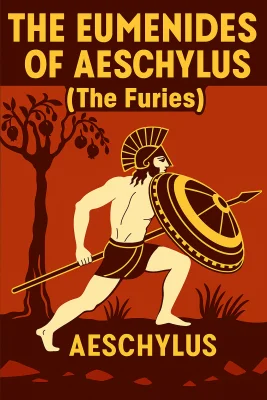
Categories
Fiction, Classics, Plays, Poetry, Literature, Mythology, Ancient, Tragedy, Drama, Theatre
Content Type
Book
Binding
Kindle Edition
Year
2022
Publisher
Wildside Press
Language
English
ASIN
B0B4DWD6H7
ISBN13
9781667601243
File Download
PDF | EPUB
The Eumenides of Aeschylus Plot Summary
Introduction
# The Oresteia: From Blood Vengeance to Divine Justice A watchman crouches on the palace roof in Argos, his eyes burning from ten years of vigilance. Below him sleeps the cursed house of Atreus, where shadows writhe with ancient crimes. He scans the darkness for beacon fires that will announce Troy's fall and his king's return. But the signal he awaits will herald more than victory—it will ignite a reckoning that has festered for a decade. The curse flows like poison through royal blood. Agamemnon sacrificed his daughter Iphigenia to secure fair winds for Troy, choosing glory over his child's life. In the palace below, Queen Clytaemnestra has spent ten years sharpening her hatred into a perfect blade of vengeance. When the beacon fires finally blaze across the mountains, they will light the path to matricide, madness, and the birth of justice itself. Three generations will bleed before the Furies' hunger is satisfied and the cycle of blood vengeance transforms into civilized law.
Chapter 1: The Beacon's Fire: Agamemnon's Fateful Homecoming
The signal fire explodes across the distant peak like a star falling upward. The watchman's cry pierces the dawn silence—Troy has fallen. From the palace emerges Queen Clytaemnestra, her face radiant with triumph that seems to burn from within. She describes how the beacon chain raced across the Aegean, fire leaping from mountain to mountain, carrying news of victory. But her words pulse with double meaning, speaking of fallen cities and warriors drinking blood. The elders of Argos gather, their voices trembling as they recall the price paid for this war. Ten years ago, the Greek fleet lay becalmed at Aulis while Artemis withheld the winds. The goddess demanded virgin blood—Iphigenia's throat opened like a crimson flower on the altar. Agamemnon chose conquest over his daughter's life, and that choice sealed his fate. A dust-covered herald arrives, confirming the queen's news with exhausted joy. Troy lies in ashes, but his tale carries shadows. Storms scattered the fleet, Menelaus vanished in the chaos, and the gods seem angry despite victory. As he departs, Clytaemnestra's mask slips for an instant. Her smile becomes predatory. She has waited ten years for this homecoming, ten years to perfect her plan. The royal chariot approaches through clouds of dust. Agamemnon stands tall in victory, but behind him sits a silent figure—Cassandra, Trojan princess and priestess of Apollo, the king's prize of war. The crowd cheers their returning hero, but something darker stirs in the palace shadows. The queen's beacon fires burn with more than celebration. They are funeral pyres for the living.
Chapter 2: The Crimson Path: Clytaemnestra's Web of Revenge
Clytaemnestra greets her husband with honeyed words and elaborate ceremony. Servants spread crimson tapestries from his chariot to the palace doors—a path of royal purple that gleams like spilled blood in the afternoon sun. Agamemnon hesitates, knowing such luxury invites divine wrath. To walk on sacred fabrics seems like hubris, but his wife's persuasion proves irresistible. Step by step, he treads the scarlet path toward his doom. Each footfall marks another transgression, another step into the web she has woven around his throat. The crimson tapestries lead him into the palace like a river of blood flowing backward, carrying him to the source of all the house's crimes. Cassandra remains frozen in the chariot, her prophet's sight revealing horrors the crowd cannot see. She speaks in riddles and broken cries, describing the ancient curse that haunts this house. She sees ghost-children of Thyestes, whose flesh was served to their father at a feast of revenge. She sees the net waiting inside, the axe raised to strike, the bath that will run red with royal blood. The elders listen but cannot understand—prophecy is always clearest in hindsight. Inside the palace, Clytaemnestra strikes with the precision of long planning. The king dies in his bath, caught in robes that tangle like a hunter's net. Three blows of the axe, and ten years of waiting end in savage satisfaction. When she emerges, blood-spattered and exultant, she makes no attempt at denial. Justice has been served. The daughter's death is answered by the father's.
Chapter 3: The Exile's Return: Orestes and Electra's Sacred Bond
Years pass like a held breath. At Agamemnon's tomb, a young man kneels in the dawn light, placing locks of hair on the grave mound. Orestes has returned from exile, driven by Apollo's command to avenge his father's murder. The god's threats echo in his mind—madness, plague, and the Furies' pursuit await those who fail to honor the blood debt. A procession of black-robed women approaches, led by a young woman carrying libations. Electra has become a servant in her own father's house, while the usurper Aegisthus rules with Clytaemnestra as his queen. She has come with offerings from their mother—wine and honey meant to appease the restless dead. But Electra pours them out as prayers for vengeance instead. Brother and sister recognize each other through tokens of hair and footprints, their reunion crackling with desperate energy. Two young wolves meeting at their father's grave, bound by shared suffering and purpose. Electra pours out years of humiliation and rage while Orestes struggles with the magnitude of his task. Apollo's command is clear—kill the killers or face divine wrath. But the murderers include his own mother. Together they invoke their father's spirit, calling on the dead king to rise and guide their hands. The tomb becomes an altar of revenge as they recite the litany of wrongs—Agamemnon murdered, his body mutilated, his son driven into exile, his daughter enslaved. The very stones seem to pulse with accumulated rage. As they part, both siblings know they cross a threshold from which there can be no return.
Chapter 4: The Mother's Blood: Matricide and Its Terrible Price
Orestes arrives at the palace gates dressed as a traveler, spinning a tale of meeting a dying man who claimed to be the prince. He brings false news of his own death, the lie cutting both ways—granting him access while forcing him to rehearse his symbolic demise. Clytaemnestra receives the report with carefully performed grief, but relief bleeds through the pretense. With her son dead, her throne is secure. She orders the messenger treated with honor and sends word to Aegisthus to come quickly and hear the joyous news. But the palace servants have recognized their true prince. When the usurper arrives alone, expecting celebration, he finds death waiting. Orestes cuts him down without ceremony—the false king dies as he lived, without honor or dignity. The real test comes when Clytaemnestra appears, drawn by sounds of struggle. Mother and son face each other across the bloody threshold, ten years of separation collapsing into this single moment. She bares her breast, the same breast that nursed him as an infant, pleading for the life she gave him. For a heartbeat, Orestes wavers—the bonds of blood run deeper than duty. But his companion Pylades speaks Apollo's command, and the young man's resolve hardens. The axe falls. Clytaemnestra dies as she killed, by treachery and violence. Orestes stands over the bodies, displaying the blood-soaked robes that once trapped his father. Justice is done, the debt paid in full. But even as he proclaims vindication, madness begins to creep into his eyes. The Furies are coming.
Chapter 5: The Furies' Hunt: Ancient Law Against Divine Command
The Furies materialize like a waking nightmare—withered hags with serpents for hair, eyes weeping blood, breath reeking of the grave. These primordial goddesses predate the Olympian gods, daughters of Night and Earth, sworn to punish those who spill kindred blood. They swarm around Orestes like living guilt, visible only to him but real as death itself. He flees to Delphi, Apollo's sacred shrine, seeking protection promised by the god who commanded the killing. The Furies lie temporarily dormant around the temple's central stone, but their rest is fitful. The ghost of Clytaemnestra appears to rouse them, her shade dripping with fresh wounds. A son has killed his mother—the most fundamental law has been broken. Apollo himself appears to defend his suppliant, but the argument rings hollow. He claims mothers are merely vessels for the father's seed, not true parents. The Furies reject this reasoning with ancient wisdom. They have guarded the bonds of kinship since the world began, and no clever words will turn them from their sacred duty. The conflict escalates beyond mortal concerns. This is war between old gods and new, between primal blood law and civilized justice. Orestes becomes a pawn in cosmic struggle, driven mad by divine contradiction—commanded to kill by one god, condemned for killing by others. His sanity fragments under the weight of forces beyond comprehension. The wheel of vengeance threatens to turn forever.
Chapter 6: The Sacred Trial: Athena's Court and Mortal Judgment
The scene shifts to Athens, where Orestes seeks sanctuary at Athena's shrine. The goddess of wisdom appears in person, recognizing the crisis transcends mortal justice. She proposes something unprecedented—a trial by jury, with mortal citizens serving as judges under divine guidance. The Areopagus convenes, Athens' most sacred court, to hear the first case of matricide in human history. Apollo serves as defense counsel, arguing that Orestes acted under divine command to avenge his father. The Furies prosecute with relentless logic, pointing out the defendant admits his guilt and no justification excuses killing one's mother. Each side presents their vision of justice, their understanding of cosmic order. The testimony reveals deeper issues at stake. Apollo champions paternal authority and the husband's claim over the wife. The Furies defend older law that holds maternal bonds sacred above all others. The human jurors listen with growing understanding—this case will establish precedent for all future jurisprudence. As arguments conclude, the citizens cast bronze votes in sacred urns. The count deadlocks—equal numbers for conviction and acquittal. The decision falls to Athena herself, who must choose between competing claims of justice. Her vote will determine not merely Orestes' fate but the nature of law itself. The goddess weighs ancient wisdom against new understanding, vengeance against mercy.
Chapter 7: The Great Transformation: From Vengeance to Civilized Justice
Athena casts her vote for acquittal, but her reasoning transcends the immediate case. She argues not from bias toward male authority but from vision of justice that can break the cycle of blood vengeance. Orestes has suffered enough—his torment serves no purpose beyond perpetuating endless revenge. The law must evolve beyond the arithmetic of blood for blood. The Furies rage at this verdict, threatening to poison the land with their fury. But Athena does not dismiss them or diminish their power. Instead, she offers transformation—guardians of justice rather than agents of vengeance. They will still punish the guilty, but within law's framework rather than chaos of blood feud. Gradually, the ancient goddesses accept this new role. They become the Eumenides, the Kindly Ones, protectors of Athens and champions of evolved justice. Their serpentine hair becomes flowing locks, their bloodshot eyes clear to wisdom, their curses transform into blessings. The city that honors them will prosper under law's protection. The trilogy concludes with torchlight procession through Athens as the former Furies take their place in the city's pantheon. Citizens sing of balance achieved—not victory of one principle over another, but synthesis of ancient wisdom and new understanding. The chorus celebrates the birth of something unprecedented: justice based on evidence, argument, and collective wisdom rather than divine whim or personal revenge.
Summary
The Oresteia traces justice's evolution from its most primitive form to its highest expression. Agamemnon dies for his crimes, Clytaemnestra for hers, but when Orestes faces judgment, the cycle finally breaks. The transformation occurs through painful moral reasoning as gods and mortals forge new understanding of right and wrong. What emerges transcends both harsh blood law and arbitrary mercy—a system based on evidence, argument, and community wisdom. The Furies' acceptance of their transformed role symbolizes humanity's darkest impulses integrated into civilization's framework. Vengeance becomes justice, chaos becomes order, and the endless cycle of blood finds resolution in law's birth. The beacon fires that announced Troy's fall ultimately illuminate something greater—the dawn of civilized society where reason tempers passion, where mercy balances justice, and where the future need not be enslaved to the past's crimes.
Best Quote
“Unanimous hatred is the greatest medicine for a human community.” ― Aeschylus, Eumenides
Review Summary
Strengths: The review highlights the Eumenides as a significant cultural artifact, illustrating its role in depicting the transition from blood vendetta to trial by jury, which adds historical depth. The review also appreciates the play's complexity and its pioneering depiction of a trial in Western drama. Weaknesses: The review points out the play's sexist rhetoric, particularly in Apollo's defense of Orestes, and criticizes the diminishing of female powers, suggesting a patriarchal bias. The reviewer expresses confusion about the play's classification as a tragedy due to its seemingly positive resolution. Overall: The reviewer finds the play both fascinating and appalling, indicating a mixed sentiment. They express interest in seeing a new adaptation, suggesting a moderate recommendation level for those interested in exploring its complex themes.
About Author

Aeschylus
Aeschylus interrogates the nature of divine justice and human hubris in his tragedies, often hailed as elevating the dramatic genre to poetic heights. His works, such as the "Oresteia" trilogy, explore themes of fate and moral complexity, focusing on the interplay between human free will and divine intervention. By introducing a second actor, Aeschylus transformed the traditional theatrical dynamic, allowing richer character interactions beyond the chorus. This innovation not only increased dramatic tension but also significantly influenced the evolution of Greek tragedy, making his contributions foundational to Western theatrical tradition.\n\nFor readers interested in the historical context of Greek drama, Aeschylus’s works offer a vivid exploration of contemporary events, notably in "The Persians", which depicts the Persian defeat at Salamis. His ability to blend historical narrative with profound moral inquiry makes his plays timeless. Scholars and theater enthusiasts alike benefit from his innovations in stagecraft, such as the "ekkyklema" and "mechane", which introduced new possibilities for dramatic storytelling. As an author whose impact resonates through time, Aeschylus's bio reveals a blend of military and artistic prowess, seen in his participation in battles like Marathon, which he deemed significant enough to mention in his epitaph over his theatrical successes.
Read moreDownload PDF & EPUB
To save this Black List summary for later, download the free PDF and EPUB. You can print it out, or read offline at your convenience.
The Eumenides of Aeschylus
by Aeschylus
