
Eugene O'Neill
O'Neill delves into the human condition through plays that delve into the complexities of psychological and social issues, utilizing dramatic realism. He uniquely incorporates vernacular speech, influenced by European playwrights like Henrik Ibsen and Anton Chekhov, to add authenticity and emotional depth. His works, including "Mourning Becomes Electra" and "Long Day's Journey into Night," focus on themes of disillusionment, addiction, and familial conflict, which resonate deeply with audiences. His play "Ah, Wilderness!" stands as his sole comedic work, contrasting the generally tragic tones of his other writings.\n\nHis method of intertwining personal and societal despair with poetic language creates a rich tapestry of human experience. This approach not only captures the nuances of individuals on society's fringes but also reflects their struggles and aspirations. Readers and theater enthusiasts benefit from O'Neill's ability to portray the darker aspects of life, offering profound insights into the search for identity and the pervasive struggle between hope and despair.\n\nO'Neill's legacy as a transformative figure in American theater is solidified through his numerous awards, including four Pulitzer Prizes and the Nobel Prize in Literature. His plays continue to be studied and performed, providing a lasting impact on the literary world. By challenging conventional narratives and exploring taboo subjects with honesty and intensity, O'Neill's bio serves as a testament to his pioneering role in shaping modern drama and cementing his place as a significant author in the canon of American literature.
Books by Eugene O'Neill
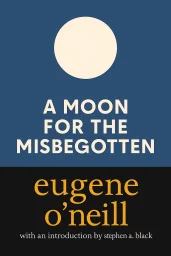
A Moon for the Misbegotten
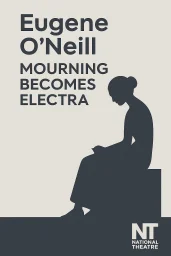
Mourning Becomes Electra
Popular Authors

Robin Sharma
5 books

James Clear
2 books

Sarah Knight
4 books

Daniel Goleman
9 books

Stanley D. Rosenberg
1 books


Niall Kishtainy
1 books

Anthony Scaramucci
1 books
J. Richard Gott
1 books

Trevor Moawad
2 books

Mark McNeilly
1 books

Lara Love Hardin
4 books
