
J.R.R. Tolkien
Tolkien situates his imaginative works within the richly textured world of Middle-earth, addressing universal human concerns through fantasy narratives. His books, particularly "The Hobbit" and "The Lord of the Rings," explore themes such as love, loss, and courage, which resonate deeply with readers. These works are not merely escapist tales; they reflect the complexities of human nature and societal structures, making them relevant across different contexts. Tolkien's method of incorporating his expertise in ancient languages and literature enriches his storytelling, providing depth and authenticity to the cultures and languages of his fictional universe.\n\nBeyond his renowned tales of Middle-earth, Tolkien's contributions extend to academia and art. As a professor of Old and Middle English, as well as Old Norse, he delivered illuminating lectures on epic works like "Beowulf," offering new insights into ancient legends. Meanwhile, his role as an accomplished amateur artist allowed him to visualize scenes from his stories, often enhancing his creative process. This multifaceted approach to his work benefits readers who appreciate detailed world-building, while also drawing in those interested in the intersections of language, myth, and storytelling.\n\nThe impact of Tolkien's books is enduring, as they continue to inspire new generations of readers and writers alike. His creation of complex characters and expansive mythologies challenges readers to reflect on their own worldviews and ethical beliefs. This bio provides a glimpse into the author's profound legacy, highlighting how his blend of scholarly rigor and artistic imagination has left a lasting imprint on literature.
Books by J.R.R. Tolkien
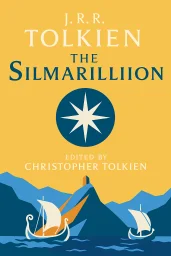
The Silmarillion
Popular Authors

Robin Sharma
5 books

James Clear
2 books

Sarah Knight
4 books

Daniel Goleman
9 books

Stanley D. Rosenberg
1 books

Anthony Scaramucci
1 books


Niall Kishtainy
1 books
J. Richard Gott
1 books

Trevor Moawad
2 books

Mark McNeilly
1 books

Lara Love Hardin
4 books
