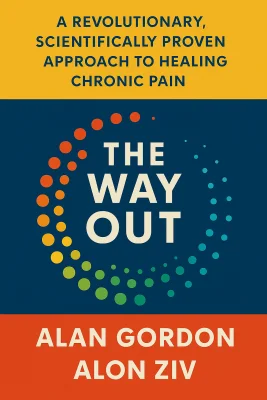
The Way Out
A Revolutionary, Scientifically Proven Approach to Healing Chronic Pain
Categories
Nonfiction, Self Help, Psychology, Health, Science, Mental Health, Audiobook, Personal Development, Medicine, Medical
Content Type
Book
Binding
Kindle Edition
Year
2021
Publisher
Avery
Language
English
ASIN
B07TRY3L9S
ISBN
0593086848
ISBN13
9780593086841
File Download
PDF | EPUB
The Way Out Plot Summary
Introduction
Imagine waking up tomorrow without the constant companion of chronic pain that has defined your days for months or even years. Picture yourself moving freely, sleeping peacefully, and engaging fully in life's moments without the shadow of discomfort dictating your choices. For millions of people worldwide, chronic pain has become an unwelcome reality that seems impossible to escape, despite countless medical appointments, treatments, and procedures that promise relief but deliver disappointment. Yet groundbreaking neuroscience research reveals a stunning truth: much of what we experience as chronic pain originates not from damaged tissues in our bodies, but from learned patterns in our brains. This discovery opens an extraordinary door to healing that doesn't depend on surgeries, medications, or external interventions, but rather on our brain's remarkable ability to rewire itself. The journey from suffering to freedom begins with understanding that your brain, which learned to create pain, can also learn to eliminate it.
Chapter 1: Recognize the Pain-Fear Cycle in Your Body
The relationship between pain and fear creates one of the most powerful and destructive cycles in chronic pain conditions. When we experience pain, our natural response is fear – fear that something is seriously wrong, fear that the pain will worsen, fear that we'll never heal. This fear reaction sends our nervous system into high alert, flooding our brain with danger signals that actually amplify the very pain we're trying to escape. Consider Janet, a patient who experienced debilitating lower back pain for several years after a minor gardening incident. Every morning, she would wake up and immediately scan her body for signs of pain. When she felt that familiar tightness, her mind would race with catastrophic thoughts: "What if I can't work today? What if this gets worse? What if I'm permanently damaged?" This mental response triggered a cascade of stress hormones and muscle tension that made her pain significantly more intense. Janet had unknowingly created a feedback loop where pain generated fear, and fear generated more pain. The breakthrough came when Janet learned to recognize this cycle in real-time. During a particularly difficult morning, she noticed how her fearful thoughts about the pain were making her shoulders clench and her breathing become shallow. Instead of fighting these sensations, she began to observe them with curiosity. She realized that while the initial sensation in her back was uncomfortable, much of her suffering was coming from her brain's interpretation that these sensations meant danger. As she practiced this awareness over several weeks, Janet discovered that her pain levels began to decrease significantly. To break your own pain-fear cycle, start by becoming a detective of your internal experience. When pain arises, pause and notice not just the physical sensation, but your emotional and mental response to it. Ask yourself: "What thoughts am I having about this pain? How is my body responding to those thoughts?" Practice separating the actual physical sensation from the story your mind tells about what it means. This awareness alone begins to interrupt the automatic fear response that keeps pain alive. Remember that breaking this cycle takes patience and practice. Your brain has likely been running this pattern for a long time, and change happens gradually. Celebrate small victories when you notice the cycle and respond differently, even if the pain doesn't immediately disappear. Each moment of awareness is rewiring your neural pathways toward healing. The pain-fear cycle thrives in darkness but dissolves in the light of conscious awareness. By recognizing and interrupting this pattern, you reclaim your power and begin the journey toward lasting relief.
Chapter 2: Build Your Evidence for Neuroplastic Pain
Understanding whether your pain originates from structural damage or from learned brain patterns is crucial for choosing the right path to healing. Neuroplastic pain – pain generated by the brain rather than by tissue damage – has distinct characteristics that differentiate it from structurally-based pain. The evidence lies in the patterns, inconsistencies, and peculiar behaviors of your pain experience. Casey, a sixteen-year-old baseball player, suffered from severe abdominal pain that would cause him to pass out. Despite extensive medical testing including MRIs, CT scans, and exploratory surgeries, doctors found nothing wrong with his body. The pain had started during his freshman year of high school, a time of significant stress and adjustment. Most tellingly, Casey's pain was inconsistent – sometimes triggered by certain activities, sometimes appearing out of nowhere, and sometimes completely absent during exciting or engaging moments. As Casey and his treatment team began gathering evidence for neuroplastic pain, the case became compelling. The pain had appeared during a stressful period without any injury. Multiple medical tests showed no structural problems. The symptoms were unpredictable and seemed to respond to emotional states rather than physical activities. Most significantly, there were exceptions – times when Casey engaged in the same activities that usually caused pain but experienced no symptoms at all, particularly when he was absorbed in something enjoyable. To build your own evidence for neuroplastic pain, become a careful observer of your symptoms. Notice when your pain is better or worse – does it correlate with stress levels, emotional states, or particular times of day? Pay attention to exceptions when you expected pain but didn't experience it, or when pain appeared without any apparent physical trigger. Document patterns such as pain that moves around your body, symptoms that affect multiple unrelated areas, or discomfort that seems disproportionate to any physical findings. Create your personal evidence sheet by listing specific observations about your pain patterns. Include instances when medical tests showed normal results despite your symptoms, times when pain appeared during stressful periods, or moments when you were pain-free while doing activities that usually trigger discomfort. The more evidence you gather, the clearer the neuroplastic nature of your pain becomes. Trust in this evidence-gathering process, even when your mind wants to return to structural explanations. Your brain has been trained to believe that pain always indicates physical damage, but the evidence of neuroplastic pain tells a different, more hopeful story – one where healing is entirely possible.
Chapter 3: Master Somatic Tracking with Lightness
Somatic tracking represents a revolutionary approach to experiencing pain sensations through a lens of safety rather than danger. Unlike traditional pain management that focuses on avoiding or fighting discomfort, somatic tracking involves mindfully observing pain with curiosity and lightness, teaching your brain that these sensations are not actually threatening. Rebecca had developed severe wrist pain that prevented her from typing, effectively derailing her college career and future job prospects. When she first attempted somatic tracking, she approached her pain like a fierce warrior going into battle, intensely focused on making the sensations disappear. This approach only increased her distress and reinforced her brain's danger signals. The breakthrough came when she learned to observe her pain with the gentle curiosity of someone watching clouds drift across the sky. During a successful somatic tracking session, Rebecca closed her eyes and brought her attention to the sensations in her wrists. Instead of the usual panic and resistance, she noticed the sensations with scientific curiosity: "There's a tight feeling... it's pulsing slightly... now it's spreading but becoming more diffuse." As she continued this gentle observation, something remarkable happened. The sensations began to shift and change, sometimes intensifying, sometimes softening, but always remaining manageable because she was relating to them from a place of safety rather than fear. To practice somatic tracking effectively, begin by finding a comfortable position and bringing your attention to your area of discomfort. Observe the sensations with the attitude of a friendly scientist – what's the quality of the feeling? Is it sharp, dull, tight, burning, or something else entirely? Notice how it changes as you watch it with curiosity rather than judgment. Remember that the goal isn't to make the pain disappear, but to relate to it differently. Maintain a light, curious attitude throughout your practice. If you notice yourself becoming intense or desperate for the pain to change, gently remind yourself that this is simply an exploration. Imagine you're snorkeling in clear waters, peacefully observing the underwater world without trying to catch or change what you see. This lightness is essential – it signals safety to your nervous system. Practice somatic tracking in short sessions initially, perhaps just 30 seconds to a few minutes. Quality matters more than quantity. If the sensations feel overwhelming, it's perfectly fine to take breaks and return to the practice later. Over time, your brain will learn to interpret these sensations as neutral information rather than danger signals, leading to lasting relief.
Chapter 4: Navigate Pain Intensity Using the Process
Different levels of pain intensity require different approaches for optimal healing. The Process provides a strategic framework that matches your response to your current pain level, maximizing your chances of success while minimizing setbacks. This approach recognizes that what works during mild discomfort may be counterproductive during severe pain episodes. Hannah, a teacher who had struggled with chronic back pain for over a decade, initially tried to push through her pain with determination and willpower. During a particularly intense flare-up following an eight-mile hike, she attempted to use somatic tracking while her pain was at a 9 out of 10. The experience was overwhelming and frightening, making her pain worse and reinforcing her brain's alarm signals. She felt defeated and wanted to abandon the approach entirely. However, Hannah learned to trust the Process and adjust her strategy based on her pain levels. During high-intensity pain episodes, she focused on comfort measures like heat therapy, gentle positioning, and reassuring self-talk: "This is temporary. My body is safe. This will pass." She avoided pushing through the pain or trying to analyze it when it was severe. As her pain decreased to moderate levels, she began incorporating gentle somatic tracking sessions, observing her sensations with curiosity when they felt manageable. When your pain is high, prioritize comfort and safety measures. Use whatever helps you feel better – heat, cold, gentle movement, supportive positioning, or rest. Send yourself messages of reassurance: "I am safe. This is temporary. My brain is learning new patterns." Avoid analyzing or tracking intense pain, as this can increase your nervous system's alarm response. During moderate pain levels, you have an opportunity for gentle somatic tracking. Keep these sessions brief and light, focusing on curiosity rather than results. Notice how sensations change and shift as you observe them with kindness. If the tracking becomes uncomfortable, return to comfort measures without judgment. On pain-free days, focus on activities that promote overall nervous system calm and well-being. Engage in enjoyable activities, practice stress reduction techniques, and reinforce positive messages about your body's capacity for healing. These pain-free periods are valuable for building resilience and breaking old fear patterns. Remember that pain levels naturally fluctuate, and your approach should fluctuate accordingly. There's no failure in adjusting your strategy based on what your body needs in each moment. Flexibility and self-compassion are essential components of lasting healing.
Chapter 5: Break High-Alert Habits That Fuel Pain
Modern life bombards our nervous systems with stimulation that keeps our brains in a constant state of high alert, significantly amplifying pain signals. Breaking these habits doesn't require dramatic lifestyle changes, but rather conscious modifications to daily patterns that unnecessarily activate your body's danger response systems. Rachel, a high-powered executive, insisted she didn't experience much fear or stress, yet her daily routine revealed a different story. She checked her email over fifty times per day, including at red lights while driving. She scheduled back-to-back meetings with no breaks, rushed constantly to avoid being late, and started each day by immediately grabbing her phone to check for work emergencies. Her nervous system lived in perpetual fight-or-flight mode, creating the perfect conditions for chronic headaches to flourish. The transformation began with small, manageable changes rather than a complete lifestyle overhaul. Rachel started putting her phone in airplane mode overnight and didn't check it until she arrived at work. She set her alarm fifteen minutes earlier to eliminate the morning rush. She scheduled brief buffer periods between meetings and learned to politely excuse herself from conversations when her headache symptoms intensified. These seemingly minor adjustments created dramatic improvements in her pain levels. Identify your personal high-alert triggers by observing your daily patterns with honest curiosity. Notice when your nervous system feels activated – is it during certain activities, at specific times of day, or in response to particular stimuli? Common culprits include excessive phone checking, consuming stressful news, multitasking, perfectionist behaviors, or chronic time pressure. Choose one or two high-alert habits to modify rather than attempting to change everything at once. If you check your phone compulsively, try turning off non-essential notifications or designating phone-free periods. If you struggle with perfectionism, practice accepting "good enough" in low-stakes situations. If uncertainty triggers anxiety, remind yourself that most outcomes will be acceptable regardless of which choice you make. Create environmental supports for your new habits. Use airplane mode to reduce phone temptation, schedule buffer time in your calendar, or establish physical boundaries around stressful activities. Change often requires external structure until new patterns become automatic. Remember that these changes serve your healing journey. Each moment of calm you create gives your nervous system an opportunity to reset and your brain a chance to reinterpret pain signals more accurately. Your commitment to breaking high-alert habits is an investment in your long-term freedom from pain.
Chapter 6: Cultivate Safety Through Positive Sensations
Your brain learns what it practices most frequently. If you've been living with chronic pain, your nervous system has become expert at detecting and amplifying uncomfortable sensations while overlooking pleasant ones. Deliberately cultivating awareness of positive physical sensations retrains your brain to notice safety and comfort, creating a foundation for lasting pain relief. During his years of chronic pain, one patient realized he had become hypervigilant about every twinge or uncomfortable sensation in his body, constantly scanning for signs of danger or worsening symptoms. This internal surveillance system kept his nervous system on high alert and made him feel disconnected from his own body. The shift began when he started intentionally noticing pleasant sensations during a simple walk around his neighborhood – the warmth of sunshine on his skin, the gentle breeze against his face, and even the satisfying rhythm of his breath. As he practiced this positive sensation awareness, something remarkable happened. His relationship with his body began to change from adversarial to collaborative. Instead of seeing his body as a source of pain and limitation, he began recognizing it as capable of generating pleasant experiences. This shift in perception created a cascade of neurological changes that reduced his overall pain sensitivity and increased his sense of well-being. Begin cultivating positive sensation awareness by integrating brief moments of pleasant focus into activities you already do. While showering, notice the soothing warmth of the water. During meals, pay attention to flavors and textures you enjoy. When stretching or moving gently, appreciate the pleasant sensation of muscles lengthening. Even simple breathing can become a source of positive sensation when you focus on the comfortable rhythm and the sense of nourishment each breath provides. Practice this awareness without forcing or manufacturing pleasant sensations. Instead, become receptive to the positive experiences that naturally arise throughout your day. If you don't notice pleasant sensations immediately, that's perfectly normal – your nervous system may need time to relearn this capacity. Be patient and gentle with the process. Expand your positive sensation vocabulary by noticing subtle qualities of pleasant experiences. Is a sensation warm, cool, tingly, flowing, expansive, or peaceful? This detailed attention trains your brain to become more sophisticated at recognizing and amplifying positive states. The more specific your awareness, the stronger the neural pathways for pleasant sensation become. Your body is constantly generating information about comfort and safety, but chronic pain may have trained you to overlook these signals. By deliberately cultivating positive sensation awareness, you restore balance to your nervous system and create the internal conditions necessary for pain to naturally diminish.
Chapter 7: Develop Resilience for Long-Term Recovery
Recovery from chronic pain rarely follows a straight line. Building resilience for the inevitable ups and downs of healing ensures that temporary setbacks don't derail your progress and helps you maintain confidence in your body's ability to heal over the long term. Casey's journey exemplifies the non-linear nature of pain recovery. After two years of being completely pain-free following his initial treatment, his abdominal pain returned suddenly and severely enough to require an ambulance ride to the hospital. His immediate reaction was panic and devastation – he couldn't believe the nightmare had returned. However, his previous experience with recovery gave him a foundation of resilience that proved crucial to his healing. Rather than falling into complete despair, Casey chose to trust the process that had worked before. He reminded himself that he had overcome this pain previously, which meant his brain knew how to eliminate it again. He focused on self-compassion rather than self-criticism, recognizing that relapses were part of many people's healing journey rather than a sign of personal failure. Within a few weeks of applying the same principles that had helped him initially, his pain disappeared once again. Building resilience starts with reframing your relationship to setbacks and difficult moments. Instead of viewing pain increases as evidence that you're not healing, see them as opportunities to practice the skills you're developing. Each time you respond to pain with calmness rather than panic, you strengthen your nervous system's capacity to remain regulated during challenging experiences. Develop a toolkit of reliable comfort measures and coping strategies for difficult days. This might include specific breathing exercises, gentle movements, supportive self-talk, or engaging in activities that naturally calm your nervous system. Having a plan reduces the sense of helplessness that often accompanies pain flares and gives you concrete actions to take. Practice self-compassion consistently, especially during challenging periods. Treat yourself with the same kindness you would show a good friend facing similar struggles. Remember that healing takes time and patience, and that your worth isn't determined by your pain levels on any given day. Celebrate progress in all its forms, not just complete pain elimination. Notice improvements in your sleep, mood, activity levels, or confidence. Acknowledge moments when you responded to pain differently than you would have in the past. These victories accumulate over time and build the resilience foundation that supports lasting recovery.
Summary
The journey from chronic pain to freedom begins with a fundamental shift in understanding: recognizing that much of persistent pain originates in learned patterns of the brain rather than ongoing tissue damage. This revolutionary perspective opens possibilities for healing that don't depend on external interventions but rather on your brain's remarkable capacity to rewire itself toward health and comfort. Throughout this exploration, one truth emerges with striking clarity: "Your brain, which learned to create pain, can also learn to eliminate it." This isn't merely wishful thinking but represents the cutting edge of neuroscience research and clinical practice. By understanding the pain-fear cycle, building evidence for neuroplastic pain, mastering somatic tracking with lightness, navigating intensity with strategic flexibility, breaking high-alert habits, cultivating positive sensations, and developing resilience for the long term, you possess a complete framework for neurological transformation. Begin today with one simple practice: the next time you experience pain, take three conscious breaths and remind yourself that these sensations, while uncomfortable, are not dangerous. This single shift from fear to curiosity begins the rewiring process that can ultimately set you free from chronic pain's grip on your life.
Best Quote
“The truth about resilience is that it's a learned behavior. If you gravitate toward hopelessness, it's not because you're hopeless, but because your brain has done it so many times before. If your mind naturally goes to despair, it's not because your situation is dire, but because you have developed strong neural pathways for despair.” ― Alan Gordon, The Way Out: A Revolutionary, Scientifically Proven Approach to Healing Chronic Pain
Review Summary
Strengths: The review highlights the book's focus on neuroplastic pain and its practical approach, particularly the appendix section that helps readers identify if their pain is neuroplastic. It emphasizes the innovative concept of Pain Reprocessing Therapy, which includes somatic tracking and positive reinforcement, offering a fresh perspective on chronic pain management. Overall: The review conveys a positive sentiment towards the book, suggesting it provides valuable insights into understanding and managing chronic pain through a psychological lens. It recommends the book for those seeking alternative explanations and treatments for pain that medical science struggles to diagnose.
About Author

Alan Gordon
Gordon maps the intersection of law and creativity, offering narratives rich in historical detail and psychological depth. His dual career as a public defender and a creative writer informs his work, where forensic and legal insights merge with storytelling. This unique blend is evident in his mystery novels, which traverse periods from medieval times to the mid-20th century, weaving intricate plots that engage both intellectually and emotionally. In his musical theater projects, Gordon crafts lyrics and librettos with a sophisticated grasp of narrative structure, highlighting his ability to distill complex themes into poignant artistic expressions.\n\nBeyond individual works, Gordon's literary pursuits, such as the "Fools' Guild Mysteries" series, reflect his commitment to blending humor with social nuance. This approach has not only captivated readers but has also garnered recognition, including the Kleban Prize for his contributions to musical theater. His book exploring supernatural themes marks a notable shift from his historical mysteries, demonstrating his versatility and willingness to challenge genre boundaries. \n\nReaders drawn to Gordon's bio will appreciate the seamless integration of his legal career into his creative output, where narrative justice becomes a recurrent theme. His work appeals to those interested in the confluence of law, history, and the arts, offering a multifaceted view of human experience through engaging and thought-provoking stories.
Read moreDownload PDF & EPUB
To save this Black List summary for later, download the free PDF and EPUB. You can print it out, or read offline at your convenience.
The Way Out
by Alan Gordon
