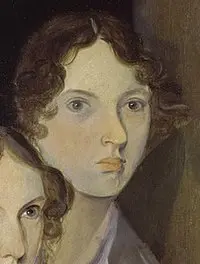
Emily Brontë
Brontë crafts a compelling narrative landscape rooted in the tumultuous Yorkshire moors, where her exploration of human passion and nature manifests in striking literary themes. Her singular book, "Wuthering Heights," delves into the intricacies of love, revenge, and the supernatural, challenging the conventions of Victorian society. By employing an innovative narrative structure and darkly romantic themes, Brontë provides readers with a profound psychological journey, intertwined with the gothic elements that define her work.\n\nHer writing method, characterized by poetic intensity and lyrical prose, intertwines elements of Gothic fiction with deep psychological insights. Themes such as isolation and the destructive nature of obsession resonate throughout her novel, providing a mirror to her introspective nature. Brontë's contribution to literature is monumental despite her limited output, as her narrative style and thematic depth have influenced generations of writers. This bio offers a glimpse into her profound impact on the Romantic tradition, inviting readers to explore her unique literary vision.\n\nReaders captivated by the intersection of human emotion and the natural world find in Brontë's work an enduring legacy of introspection and passion. Her influence extends beyond literary circles, inspiring those who seek to understand the complexities of human nature. Emily Brontë's untimely death in 1848 left a void in the literary world, yet her singular masterpiece continues to haunt and inspire, securing her status as a quintessential figure in English literature.
Books by Emily Brontë
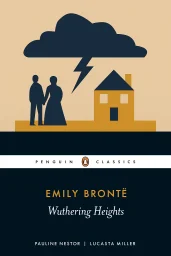
Wuthering Heights
Popular Authors

Robin Sharma
5 books

James Clear
2 books

Sarah Knight
4 books

Daniel Goleman
9 books

Stanley D. Rosenberg
1 books

Anthony Scaramucci
1 books

Niall Kishtainy
1 books

J. Richard Gott
1 books

Trevor Moawad
2 books

Mark McNeilly
1 books

Lara Love Hardin
4 books
