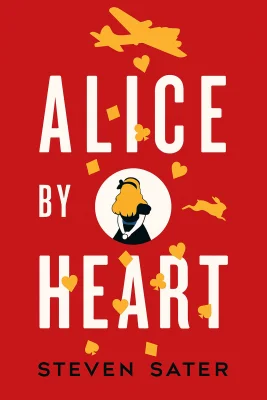
Alice by Heart
Categories
Fiction, Plays, Historical Fiction, Young Adult, Fantasy, Historical, World War II, Retellings, Theatre, Musicals
Content Type
Book
Binding
Hardcover
Year
2020
Publisher
Razorbill
Language
English
ASIN
0451478134
ISBN
0451478134
ISBN13
9780451478139
File Download
PDF | EPUB
Alice by Heart Plot Summary
Introduction
London, 1940. The Underground stations have become shelters, and fifteen-year-old Alice Spencer finds herself trapped in a nightmare that no storybook could have prepared her for. The city above burns under Nazi bombardment while she huddles on a makeshift cot, watching her dearest friend Alfred waste away behind quarantine curtains. His tuberculosis has returned with a vengeance, and the Red Cross nurses speak in hushed tones about Ward D—the place where children go to die. But Alice refuses to let go. In her hands, she clutches a battered copy of "Alice's Adventures in Wonderland," the book that has bound her friendship with Alfred since childhood. As the bombs fall and hope fades, she begins to weave their story into Carroll's tale, pulling Alfred into a shared fantasy where White Rabbits wear waistcoats and time itself might be stopped with the right magic. Yet even in Wonderland, the war follows them, turning white roses red with blood and transforming beloved characters into harbingers of loss. This is a story about the power of imagination to both save and destroy, about growing up too fast in a world gone mad, and about learning to say goodbye when every fiber of your being screams to hold on.
Chapter 1: Underground Refuge: Alice and Alfred in the London Tube
The drip of the broken water main echoes through the makeshift hospital ward like a metronome counting down to disaster. Alice Spencer lies on her flimsy cot, surrounded by the detritus of war—homeless children, wounded soldiers, and the ever-present Red Cross Nurse whose iron grip on order seems to squeeze the life from everything she touches. The woman patrols between the beds like a warden, barking commands about proper rest and medical protocol while London burns overhead. Alfred Hallam lies just meters away, yet he might as well be on another continent. The quarantine curtain around his bed flutters with each labored breath, a pale barrier that separates Alice from the boy who has been her constant companion since childhood. Through gaps in the fabric, she catches glimpses of his fever-flushed face and the way his chest heaves with each coughing fit. Dr. Butridge, an ancient relic of a man, mumbles Latin medical terms that sound more like incantations than diagnoses. The other residents of this underground purgatory drift through their own private hells. Harold Pudding, a shell-shocked soldier barely older than Alice, leaps between cots calling out to his dead friend Freddie. Mamie Van Eysen, a debutante fallen from grace, clutches her chipped teacup like a talisman of better days. Dodgy poses in his blankets as if they were silk evening wear, while young Nigel rocks himself to sleep whispering that his mother will come for him today. Above them, the sirens wail their nightly symphony of terror. Each blast shakes dust from the tunnel ceiling, reminding them that death waits just beyond these tiled walls. But Alice has found her own form of resistance. As the nurse turns her back and the doctor fumbles with his clipboard, she slips her hand into her coat and touches the worn spine of her most precious possession. The book Alfred gave her years ago. The book that holds their entire friendship within its pages. When the bombs fall closer and the lights flicker, Alice opens to the first page and begins to whisper the familiar words. In the darkness of the Underground, Wonderland begins to stir.
Chapter 2: Quarantine and Separation: The Book as Bridge
The Red Cross Nurse tears through the Underground like a force of nature, her starched uniform cutting through the gloom as she separates the sick from the well, the dying from the living. Her latest target is Alice, who has dared to creep too close to Alfred's quarantine. With hands like steel traps, she drags the girl back to her designated cot, lecturing about contagion and proper medical procedures while Alfred's coughing echoes behind the curtain. Dr. Butridge appears beside the quarantine like a harbinger of doom, his clipboard rattling with each step. He speaks in a language of symptoms and prognoses that strips away humanity, reducing Alfred to nothing more than a collection of failing organs. When Alice demands to know what his medical jargon means, the nurse fixes her with a withering stare and declares that she'll be the next to catch whatever's killing her friend. But Alice has weapons they cannot confiscate. As the medical authorities debate Alfred's fate, she clutches her copy of "Alice's Adventures in Wonderland" and begins to recite from memory. The familiar words transform the sterile Underground into something magical. In her mind, the White Rabbit appears—not the storybook character, but Alfred himself, dressed in a waistcoat and checking his pocket watch with theatrical urgency. The boundaries between reality and fantasy blur as Alice pulls Alfred into their shared imaginary world. Behind the quarantine curtain, his breathing steadies as she describes their tumble down the rabbit hole, past cupboards and maps and empty jars of marmalade. For precious moments, they are children again, playing in their garden behind the houses, acting out every scene with the intensity that only the young can muster. The other Underground residents listen with growing fascination. Even the bitter Mamie finds herself drawn into the tale, while Tabatha watches from her perch near the cracked clock with the knowing smile of someone who understands the desperate power of stories. They all need escape from this concrete hell, and Alice's words offer the only doorway available. But the nurse is always watching, always waiting to slam that door shut and drag them back to the harsh fluorescent reality of medicine and death.
Chapter 3: Down the Rabbit Hole: Escaping Through Imagination
When the sirens wail again and the Underground shudders with each distant explosion, Alice closes her eyes and falls. Down, down, down through the rabbit hole, past the familiar landmarks of Carroll's imagination but twisted by her own desperate need. The cupboards she passes are empty of marmalade but full of ration coupons. The maps show not wonderlands but evacuation routes. The hole itself echoes with the sound of falling bombs rather than Alice's polite observations about cats and bats. She lands not in the classic hall of doors but in a strange twilight version of Wonderland where everything feels slightly wrong. The colors are muted, the landscape scarred by craters that look suspiciously like bomb damage. When she calls for the White Rabbit, Alfred appears in his hospital gown rather than his storybook costume, his face pale but his eyes bright with the fever of shared imagination. Together they navigate this war-torn Wonderland, encountering familiar characters who have been transformed by their journey through Alice's traumatized psyche. The Caterpillar lounges on his mushroom but speaks with the voice of Angus, the would-be pilot whose dreams have been grounded by bureaucracy. The hookah he offers promises not wisdom but forgetfulness, a chance to stop time itself and escape the relentless march toward endings. Alfred resists the temptation, his sense of duty and narrative structure stronger than his desire for escape. He knows how stories work, knows that skipping scenes or changing the rules leads only to chaos. But Alice is desperate to find some way to make their tale last forever, to trap them both in an eternal afternoon where death cannot reach them. The Cheshire Cat appears, wearing Tabatha's knowing grin, to explain that all escapes are temporary. The question is not whether they will return to reality, but how they will choose to face it when they do. As the cat fades, leaving only its smile, Alice realizes that Wonderland cannot save them from the war. It can only teach them how to be brave enough to say goodbye.
Chapter 4: Wonderland Transformed: War's Impact on Childhood
The Mad Hatter's tea party has been relocated to a bombed-out street corner, where the March Hare and Dormouse sip from cracked cups while debris falls like snow around their table. Alfred takes on the role of the March Hare, his hospital gown fluttering as he performs the familiar riddles and wordplay, but there is a desperate edge to his performance now. He knows this may be their last scene together, and he pushes himself harder than his failing body can bear. Alice tries to join the tea party, but the characters keep moving her from seat to seat in an endless game of musical chairs that mirrors her own displacement from home to shelter to Underground hospital. The riddles have no answers, the tea is cold, and the conversation circles endlessly around topics of loss and abandonment. When she protests that this is not how the story is supposed to go, Alfred fixes her with a look of infinite sadness and explains that stories change as their readers change. The roses in the Queen's garden are no longer white or red but grey with ash, and the playing cards who tend them wear the faces of all the authority figures who have controlled Alice's life since the war began. The croquet game has become a grim dance of survival, with flamingo mallets that refuse to cooperate and hedgehog balls that curl up in terror at the first sign of danger. The Queen of Hearts bears an unmistakable resemblance to the Red Cross Nurse, her commands echoing with the same ruthless efficiency. As they move through this transformed Wonderland, Alice begins to understand that growing up means watching the magic leach out of everything you once held sacred. The characters who once seemed so vivid and alive now feel hollow, like actors going through motions they no longer believe in. Even Alfred seems to be fading, his voice growing weaker with each exchange of dialogue. But perhaps that is the real magic of stories—not that they stay the same, but that they can bear the weight of whatever meaning we need them to carry. In this war-torn Wonderland, Alice and Alfred find not escape but a way to process the unprocessable, to give shape to fears too large for ordinary words.
Chapter 5: The Trial of Hearts: Confronting Inevitable Loss
The trial comes whether Alice wants it or not, summoned by forces beyond her control. Alfred, despite his weakening condition, insists on playing his role as the White Rabbit Herald, his voice cracking as he announces the charges against Alice Spencer. She stands accused of the most serious crime imaginable in Wonderland—trying to change the story, to bend the rules of narrative to her own desperate will. The Queen of Hearts holds court with all the arbitrary cruelty that Alice remembers from childhood readings, but now her death sentences carry real weight. When she screams "Off with her head!" the words echo with the authority of every adult who has ever dismissed a child's desperate pleas to make things different, to make them better, to make them last. The King cowers beside his wife, as ineffectual as Dr. Butridge with his meaningless medical terminology. The witnesses against Alice parade past in an endless stream of accusation. The Duchess claims that Alice stole her youth by growing up too fast. The Mock Turtle weeps for all the lessons that will never be taught, all the stories that will never be told. Even the Cheshire Cat, with its knowing grin, suggests that Alice's real crime is not accepting the inevitable—that all good things, all beloved friends, all magical summers must come to an end. Alfred struggles to maintain his role as Herald, but his body betrays him with each coughing fit. Blood specks his lips, and his hands shake as he holds the royal proclamation. Alice can see him failing in real time, can see the exact moment when performance becomes too much for his ravaged lungs. Yet he pushes on because this is their story, their last chance to complete something together. The trial becomes a trial of Alice's capacity to let go, to accept that love sometimes means stepping back instead of holding tighter. When the Queen raises the executioner's axe, Alice has to choose between fighting the story or letting it reach its natural conclusion. The choice will determine not just her fate, but Alfred's as well.
Chapter 6: Pages Scattered: Gathering What Remains
The Nurse's attack on Alice's book is swift and brutal, tearing pages from the binding and scattering them across the Underground tracks like autumn leaves. Alice watches in horror as the illustrations she has memorized flutter down into the darkness—the White Rabbit checking his watch, Alice growing and shrinking, the grinning Cheshire Cat slowly fading away. These are not just pages but pieces of her soul, fragments of every afternoon she and Alfred have spent lost in Carroll's wonderland. Alfred emerges from his quarantine one final time, summoned by the destruction of their shared treasure. He is barely able to stand, his hospital gown hanging loose on his wasted frame, but his eyes burn with the fever of determination. Together, they kneel on the platform and gather what pages they can save, their fingers touching as they reach for the same illustration, their eyes meeting over the scattered remnants of their childhood. Dr. Butridge transforms in Alice's desperate imagination into the Jabberwocky itself, a creature of medical terminology and death certificates, his Latin diagnoses becoming the monster's nonsense poetry. His clipboards rattle like claws as he advances, speaking of tubercle bacilli and hemoptysis while his form grows larger and more terrible. Alice realizes that the real monster was never in the storybook but here in the Underground, wearing the face of indifferent authority. The other children watch this final confrontation with the wide eyes of those who recognize their own fate in Alfred's decline. Harold Pudding breaks first, his damaged mind unable to process another loss. He bolts for the stairs and the bombing above, choosing the honest danger of war over the slow torture of watching death claim another friend. His sketchbook falls behind him, its pages joining the scattered remains of Alice's Wonderland. As the orderlies arrive to take Alfred to Ward D, Alice makes her desperate stand. She cannot save him—that much is clear—but she can refuse to let him go alone into the dark. The book may be scattered, but the story lives in her memory, and she will speak it into existence one last time, with or without pages to guide her.
Chapter 7: Binding Memories: Life Beyond the Story's End
In the grey dawn light filtering down through the Underground entrance, Alice sits with the rescued pages spread before her like a tarot reading of her past. Some illustrations are torn, others stained with Underground grime, but she arranges them with the careful attention of a curator assembling a precious exhibition. Mixed among Carroll's familiar drawings are Harold's sketches of Underground life—sleeping children, worried mothers, the endless rows of makeshift beds. The morning tea service arrives with the punctuality that marks the end of another night's survival. The other children queue up for their rations with the resigned efficiency of those who have learned that tomorrow is never guaranteed. Mamie clutches her chipped teacup, Dodgy adjusts his blanket like a royal robe, and Nigel continues his futile wait for a mother who will never come. They are all characters in their own stories now, stories that must continue even without happy endings. Tabatha descends from her perch to sit beside Alice, her bandaged face reflecting the soft light of dawn. She speaks of Harold's disappearance into the bombing above, of the search that found no trace of him except his scattered sketches. Some stories end with disappearance rather than resolution, she explains, but that doesn't make them less real or less meaningful. The art remains even when the artist is gone. Alice begins to weave the scattered pages together, creating a new kind of book that contains both Carroll's Wonderland and their own Underground experiences. This hybrid creation will be her memorial to Alfred, proof that their friendship existed and mattered. Every shared afternoon, every enacted scene, every moment of laughter and wonder—all of it preserved in this patchwork testament to the power of stories to keep love alive. As she works, Alice recites the closing words of Alice's Adventures in Wonderland from memory, but she changes them slightly. Instead of Alice telling her sister about the dream, she imagines herself telling these stories to children not yet born, passing on the magic that Alfred helped her discover. The book ends, but the telling continues forever.
Summary
Alice Spencer's journey through the Underground represents more than mere survival—it becomes a meditation on how we process loss when the normal structures of childhood have been shattered by war. Her retreat into Wonderland with Alfred serves not as escapism but as a form of active resistance against a world that would reduce them to medical statistics and casualty reports. Through their shared performance of Carroll's tale, they claim agency over their own narrative, insisting that their friendship and imagination matter even as everything else crumbles around them. The transformation of Wonderland itself—from a place of whimsical nonsense to a landscape scarred by war and loss—mirrors Alice's own passage from childhood to a harder kind of wisdom. She learns that growing up doesn't mean abandoning fantasy but rather understanding how stories can carry truths too heavy for ordinary language. In binding together the scattered pages of her book with Harold's sketches of Underground life, she creates something new: a testament to resilience that honors both the magic of imagination and the weight of historical reality. The war may scatter the pages, but it cannot destroy the stories themselves, which live on in memory and in the telling, connecting past and future through the eternal power of words to make meaning from chaos.
Best Quote
“Can’t try on other selves you mean” ― Steven Sater, Alice by Heart
Review Summary
Strengths: The book's concept as a historical retelling of Alice in Wonderland is intriguing. The friendship between Alice and Alfred is highlighted positively. The ending is noted as surprisingly good, and the surreal language creates an appropriate atmosphere for the story. Weaknesses: The writing style is described as confusing and weirdly worded, which detracts from the reading experience. The plot is considered lacking, with many scenes causing confusion. Language barriers and suggestive content are also noted as issues. Overall: The book receives mixed reviews, with some readers appreciating the poetic and atmospheric elements, while others are put off by the confusing writing style. The general sentiment is lukewarm, with recommendations varying significantly.
About Author

Steven Sater
Sater charts a distinctive path through the realms of theater and literature by weaving deeply personal themes into his work. His artistic journey began under challenging circumstances, including chronic illness and a traumatic accident during his college years. These experiences fostered a profound connection to literature and propelled him toward a career that synthesizes personal adversity with creative expression. His celebrated collaboration with composer Duncan Sheik on the musical "Spring Awakening" exemplifies this blend, addressing themes of adolescent exploration and societal constraints. The musical's success underscores Sater's ability to resonate with audiences by transforming personal and historical narratives into compelling art.\n\nWhile Sater is best known for "Spring Awakening," his work spans various formats and themes. His play "Umbrage," which marked the beginning of his partnership with Sheik, and his screenwriting endeavors, such as the upcoming "Chitty Chitty Bang Bang" remake, showcase his versatility. Beyond theater, Sater's book "Alice by Heart" illustrates his skill in reimagining classical literature through a modern lens, blending historical fiction with fantasy elements. This duality in his writing engages a diverse readership, making his works relevant to those interested in both traditional and contemporary narratives.\n\nSater's impact is underscored by his numerous accolades, including Tony and Grammy Awards. His ability to infuse poetic sensibility into accessible storytelling establishes him as a pivotal figure in contemporary theater. Readers and audiences benefit from his explorations of identity and transformation, finding both entertainment and profound insight. Sater's biography is a testament to how adversity can fuel creativity, resulting in a body of work that is both thought-provoking and universally appealing.
Read moreDownload PDF & EPUB
To save this Black List summary for later, download the free PDF and EPUB. You can print it out, or read offline at your convenience.
Alice by Heart
by Steven Sater
