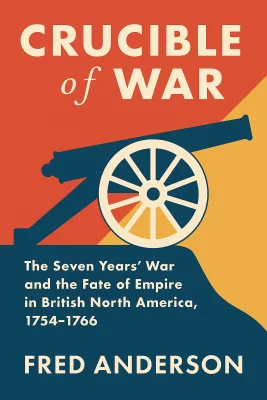
Crucible of War
The Seven Years' War and the Fate of Empire in British North America, 1754 - 1766
Categories
Nonfiction, History, Military Fiction, Military History, World History, American History, War, American Revolution, European History, 18th Century
Content Type
Book
Binding
Paperback
Year
2001
Publisher
Vintage
Language
English
ASIN
0375706364
ISBN
0375706364
ISBN13
9780375706363
File Download
PDF | EPUB
Crucible of War Plot Summary
Introduction
# Indigenous Autonomy in Imperial Warfare: The Canadian Iroquois During the Seven Years War In the winter of 1757, as snow blanketed the villages along the St. Lawrence River, Kahnawake warriors gathered in council to debate a question that would define their people's survival: how could they maintain their independence while the two greatest empires in the world tore each other apart around them? This moment captures the extraordinary challenge faced by the Canadian Iroquois during the Seven Years War, as they navigated between French allies and British enemies while pursuing their own distinct vision of warfare, diplomacy, and community survival. The story of these indigenous communities reveals three profound historical truths that challenge conventional narratives of colonial conflict. First, that indigenous peoples were not merely auxiliary forces in European wars, but autonomous political actors with their own strategic objectives and military traditions. Second, that successful intercultural alliances required sophisticated diplomatic protocols that respected different concepts of warfare, sovereignty, and victory. Third, that cultural survival often depended not on rigid resistance to change, but on strategic adaptation that preserved essential values while engaging constructively with new realities. Through seven years of warfare, from the Ohio Valley to the gates of Montreal, the Canadian Iroquois demonstrated how small communities could shape their own destiny through what they called "parallel warfare" alongside European allies while maintaining the political independence that would prove crucial to their long-term survival.
Chapter 1: French Alliance and Parallel Warfare: Autonomous Indigenous Military Strategy
The Canadian Iroquois entered the Seven Years War in 1754 not as subordinate auxiliaries, but as independent allies pursuing what historians have termed "parallel warfare" alongside their French partners. This distinctive approach allowed indigenous warriors to support French strategic objectives while maintaining their own military traditions and pursuing their own goals of capturing prisoners, collecting scalps, and acquiring material goods that would benefit their communities. The foundation of this alliance lay in nearly a century of diplomatic relationships that recognized indigenous autonomy while providing mutual benefits. French colonial officials had learned to conduct formal councils following indigenous protocols, presenting wampum belts and engaging in ceremonial gift exchanges that acknowledged the sovereignty of communities like Kahnawake and Oswegatchie. Unlike British colonial administrators who often viewed indigenous peoples as subjects to be managed, French officials treated the Canadian Iroquois as independent nations capable of making binding international agreements. This diplomatic framework enabled remarkable military cooperation during the early campaigns in the Ohio Valley and along the New York frontier. When French forces moved to establish their chain of forts from Lake Erie to the Forks of the Ohio, Canadian Iroquois warriors provided essential scouting, transportation, and combat support while maintaining their right to withdraw from operations that conflicted with their own interests. The successful destruction of Fort Bull in 1756 demonstrated how effectively these parallel systems could operate, with French engineering expertise combining with indigenous mobility and tactical knowledge to achieve objectives that neither ally could have accomplished alone. The concept of parallel warfare reflected deeper cultural differences in how Europeans and indigenous peoples understood the purpose of military conflict. While French commanders focused on territorial control and strategic advantage, their indigenous allies viewed warfare as a means of acquiring prestige, prisoners, and material goods that would strengthen their communities. This divergence would create both opportunities and tensions as the war intensified and the stakes increased for both European empires and their indigenous partners.
Chapter 2: Cultural Adaptation and Economic Transformation During Prolonged Conflict
The Seven Years War fundamentally transformed daily life in Canadian Iroquois communities, creating new economic opportunities while testing traditional social structures. As warriors departed for extended campaigns that could last months, women assumed expanded responsibilities for agricultural production, trade relationships, and diplomatic communications that sustained their communities through years of conflict. This adaptation demonstrated the flexibility of indigenous social systems while maintaining essential cultural values and practices. The war economy created unprecedented demand for indigenous goods and services, as large military garrisons required provisions, transportation, and intelligence that only local communities could provide. Canadian Iroquois villages found themselves supplying not only warriors but also venison, fish, agricultural products, and specialized knowledge of terrain and weather patterns. This economic relationship generated wealth that flowed back into indigenous communities, strengthening their independence while deepening their integration into the colonial war effort. Religious and cultural practices evolved to accommodate the pressures of prolonged warfare while maintaining essential spiritual traditions. Catholic missionaries found their influence challenged as traditional war ceremonies gained renewed importance, creating unique forms of cultural expression that blended European and indigenous elements. Warriors sought blessings from both Christian saints and ancestral spirits, while communities held ceremonies that honored both French allies and traditional obligations to defend their territories. The capture and adoption of European prisoners continued traditional practices of incorporating outsiders into indigenous communities, creating new forms of cultural exchange that enriched tribal knowledge while maintaining population levels during periods of heavy casualties. These adoptions meant constant adaptation as communities integrated new members who brought different languages, skills, and perspectives. The success of these integration processes demonstrated the strength and flexibility of indigenous social systems during this period of unprecedented change and challenge.
Chapter 3: Military Innovation at Oswego and Lake George: Indigenous Tactical Excellence
The siege of Oswego in 1756 showcased the military innovations that Canadian Iroquois warriors brought to European-style warfare, demonstrating their ability to adapt traditional tactics to new strategic situations. Eighty-seven Canadian Iroquois fighters joined Montcalm's expedition against the British stronghold, providing specialized knowledge of Lake Ontario navigation and siege warfare that proved decisive in the rapid collapse of British resistance. Their ability to infiltrate British positions and disrupt supply lines while French artillery pounded the fort's defenses illustrated the effectiveness of combined operations when properly coordinated. The previous year's engagement at Lake George had presented Canadian Iroquois warriors with their most challenging diplomatic moment when they encountered League Iroquois fighting alongside British forces. The famous exchange between Kahnawake and Mohawk warriors, where kinsmen recognized each other across battle lines, illustrated the complex loyalties that warfare imposed on indigenous communities. Rather than engage their relatives in combat, many warriors chose to withdraw from the battle, demonstrating how traditional kinship obligations could override military alliances when fundamental cultural values were at stake. These engagements revealed the sophisticated military culture that Canadian Iroquois communities had developed through generations of warfare and adaptation. Warriors successfully combined traditional tactics of stealth, mobility, and psychological warfare with European innovations in firearms, fortification, and siege craft. Their ability to operate effectively in both indigenous and European military contexts made them invaluable allies while maintaining their distinct cultural identity and strategic independence. The tactical innovations developed during these campaigns would influence indigenous military practices for generations, as communities learned to integrate new technologies and techniques while preserving essential elements of their warrior traditions. The success of these adaptations demonstrated that cultural preservation did not require rejection of useful innovations, but rather the selective adoption of new practices that strengthened rather than undermined traditional values and objectives.
Chapter 4: Diplomatic Maneuvering Between Declining French and Rising British Power
As French military fortunes declined after 1758, Canadian Iroquois leaders demonstrated remarkable diplomatic flexibility, maintaining communication channels with both European powers while carefully positioning their communities for the inevitable transition. The Oswegatchie chief Ohquandageghte emerged as a particularly skilled negotiator, conducting discrete discussions with British officials while publicly supporting French military operations. His ability to navigate between competing loyalties reflected the broader diplomatic strategies that would enable indigenous communities to survive the collapse of their European allies. The relationship with French officials grew increasingly complex as military defeats mounted and colonial resources dwindled. Canadian Iroquois leaders found themselves mediating between French desperation and indigenous pragmatism, as commanders like Montcalm demanded greater military commitments while offering fewer rewards. The diplomatic protocols that had sustained the alliance for decades began to fray under the pressure of repeated defeats and diminishing French capacity to fulfill their traditional obligations to indigenous allies. British diplomatic overtures intensified as their military position strengthened throughout 1759, offering Canadian Iroquois communities the possibility of switching sides without losing their political autonomy. These negotiations required extraordinary diplomatic skill, as indigenous leaders had to assess British sincerity while avoiding actions that might provoke French retaliation against their vulnerable communities. The League Iroquois served as crucial intermediaries in many of these discussions, using their established relationships with British officials to facilitate communications and provide intelligence about British intentions. The diplomatic maneuvering of this critical period established patterns and relationships that would prove essential during the final collapse of New France. Canadian Iroquois leaders had carefully cultivated relationships with key British officials while maintaining their reputation for military effectiveness, creating the foundation for the successful transition that would preserve their communities' independence under British rule. This strategic preparation demonstrated the political sophistication of indigenous leadership and their understanding of the changing balance of power in North America.
Chapter 5: Cultural Confrontations and the Fort William Henry Crisis
The siege of Fort William Henry in 1757 brought the underlying tensions between European and indigenous military cultures to a dramatic climax that would influence colonial warfare for generations. While French forces celebrated their successful siege as a strategic victory that expelled British forces from a key position on Lake Champlain, their Canadian Iroquois allies viewed the negotiated surrender as an obstacle to achieving their own legitimate military objectives of capturing prisoners and material goods as the fruits of victory. The events that followed the British surrender revealed the depth of cultural misunderstandings that complicated military alliances throughout the colonial period. As British troops prepared to march away under French escort according to the terms of capitulation, Canadian Iroquois warriors moved to claim what they considered their rightful trophies of war. The resulting confrontation exposed the fundamental incompatibility between European military conventions that emphasized territorial control and indigenous warfare practices that focused on personal achievement and community benefit. French officers found themselves in an impossible position, trying to honor their agreement with the British while maintaining their crucial alliance with indigenous partners whose military culture they had never fully understood. Montcalm's attempts to prevent indigenous warriors from claiming prisoners and possessions created lasting resentment among his allies, who viewed these restrictions as a betrayal of their contribution to French victory. The incident highlighted the challenges of intercultural military cooperation when fundamental assumptions about warfare and victory remained unexamined. The aftermath of Fort William Henry became a defining moment that illustrated both the potential and limitations of European-indigenous military alliances. The cultural confrontations that emerged from this incident would influence subsequent diplomatic negotiations and military planning, as both sides recognized the need for better understanding and accommodation of different military traditions. The lessons learned from this crisis would prove crucial as the war continued and the pressure on both European and indigenous participants intensified.
Chapter 6: The Treaty of Kahnawake: Negotiating Survival Through Strategic Diplomacy
The Treaty of Kahnawake in September 1760 represented one of the most successful diplomatic achievements in indigenous North American history, as Canadian Iroquois leaders negotiated a peaceful transition to British rule that preserved their political autonomy and territorial rights. The negotiations required extraordinary diplomatic skill, as indigenous representatives had to convince British officials of their value as allies while demonstrating their independence from French control and their ability to make binding international agreements. William Johnson's willingness to conduct formal treaty negotiations according to indigenous diplomatic protocols marked a crucial recognition of Canadian Iroquois political sovereignty. The ceremony itself followed traditional patterns of gift-giving, ceremonial speeches, and mutual obligations that acknowledged the status of indigenous communities as independent political entities rather than conquered subjects. This diplomatic framework provided the foundation for peaceful coexistence under British rule while preserving essential elements of indigenous self-governance. The treaty's provisions reflected the sophisticated political calculations of indigenous leaders who had carefully assessed their strategic position and negotiated terms that protected their most vital interests. British recognition of indigenous territorial rights, trade privileges, and political autonomy represented significant concessions that reflected both indigenous diplomatic skill and British recognition of their continued military importance in securing the North American frontier against potential French resurgence or indigenous resistance movements. The successful negotiation of this transition demonstrated the political maturity of Canadian Iroquois leadership and their ability to adapt to changing circumstances while preserving their essential cultural and political identity. The treaty established precedents for indigenous-European relations that would influence colonial policy for generations, proving that diplomatic accommodation could serve the interests of both indigenous communities and European colonial powers when conducted with mutual respect and understanding.
Chapter 7: Preserving Autonomy Under British Rule: The Transition Challenge
The early years of British rule tested the durability of the Treaty of Kahnawake as Canadian Iroquois communities worked to establish their place within the new colonial order while defending the rights and privileges they had negotiated. British officials, unfamiliar with indigenous political systems and diplomatic traditions, often violated treaty provisions through ignorance rather than malice, creating tensions that required constant diplomatic attention from indigenous leaders and sympathetic British administrators like Daniel Claus. The transition period revealed both the strengths and limitations of the new alliance, as Canadian Iroquois communities found themselves caught between British promises and colonial realities. Local British commanders frequently ignored treaty provisions, restricting indigenous travel and trade while failing to provide the protection and support that had been promised during the negotiations. These violations required persistent diplomatic pressure from indigenous leaders who had to balance their desire to maintain peaceful relations with their need to defend their communities' essential rights and interests. The outbreak of Pontiac's War in 1763 provided Canadian Iroquois communities with a crucial opportunity to demonstrate their loyalty to their new British allies while asserting their continued political independence. Their decision to support British forces against their former indigenous allies reflected the pragmatic calculations that had guided their diplomacy throughout the Seven Years War, as they chose to honor their treaty obligations rather than join a pan-indigenous resistance movement that might have threatened their carefully negotiated arrangements. The long-term success of this diplomatic strategy became evident as Canadian Iroquois communities successfully preserved their political autonomy and territorial rights through the challenging transition to British rule. Their experience demonstrated that indigenous communities could navigate the complexities of colonial politics through skilled diplomacy, strategic flexibility, and careful attention to changing power relationships. The foundation established through the Treaty of Kahnawake would prove essential in meeting the new challenges that emerged as British North America evolved toward confederation and beyond.
Summary
The Canadian Iroquois experience during the Seven Years War reveals the central tension between indigenous autonomy and European imperial ambitions that characterized much of colonial North American history. Throughout this pivotal conflict, these communities successfully maintained their cultural identity and political independence while serving as crucial military allies to competing European powers. Their story demonstrates that indigenous peoples were not passive victims of colonial expansion but active political agents who shaped their own destinies through sophisticated diplomacy, strategic adaptation, and military effectiveness that commanded respect from European allies and enemies alike. The lessons of this historical experience remain profoundly relevant for contemporary challenges involving cultural preservation, political autonomy, and intercultural cooperation. The Canadian Iroquois demonstrated that successful adaptation to changing circumstances requires strong leadership, cultural flexibility, and the ability to maintain essential values while engaging constructively with external forces. Their diplomatic sophistication and strategic thinking during this critical period offer practical insights for modern leaders facing similar challenges of preserving identity and autonomy in an interconnected world. The Treaty of Kahnawake stands as a model of diplomatic achievement that protected indigenous rights through mutual accommodation rather than conquest or submission, providing inspiration and guidance for contemporary negotiations involving cultural survival and political self-determination.
Best Quote
“Perhaps we would be able to understand the founding of the United States differently, I thought, if we explained it not only in terms of political conflict within the Anglo-American community or the working out of Revolutionary ideals, but as a consequence of the forty-year-long effort to subject the Ohio Country, and with it the rest of the Transappalachian west, to imperial control.” ― Fred Anderson, Crucible of War: The Seven Years' War and the Fate of Empire in British North America, 1754-1766
Review Summary
Strengths: The review highlights the book's comprehensive coverage of the Seven Years' War, noting it as the best available on the subject. It praises the book's ambitious scope and detailed structure, which includes a helpful table of contents and summaries for each section, enhancing accessibility despite its academic depth. Overall: The review conveys a highly positive sentiment, recommending "Crucible of War" as essential reading for understanding the Seven Years' War and its impact on the American Revolution. The book's detailed narrative and structured approach make it a valuable resource for both academic and general audiences.
About Author

Fred Anderson
Anderson considers the intricate dynamics of colonial and revolutionary North America, aiming to uncover the layered interactions among European empires, Native American nations, and colonial societies. By blending rigorous scholarship with an engaging narrative style, he renders complex historical events accessible to both academic and general audiences. His exploration of colonial military history, particularly through "Crucible of War", offers insights into the broader imperial struggles shaping the continent, earning the book both the Mark Lynton History Prize and the Francis Parkman Prize.\n\nFred Anderson's method involves a deep dive into the complexities of imperial and military interactions. His early book, "A People’s Army: Massachusetts Soldiers and Society in the Seven Years' War", illustrates this by dissecting the role of local militias in larger imperial conflicts. Meanwhile, his collaboration with Andrew Cayton in "The Dominion of War" extends this analysis, tracing the persistent theme of empire and liberty over centuries. Through these works, Anderson not only educates but also engages readers in the pivotal narratives that defined early American history.\n\nReaders benefit from Anderson's works as they provide a nuanced understanding of how historical forces shaped North America. His books serve as essential resources for those interested in the detailed bio of American colonial and revolutionary history. By synthesizing diverse perspectives and events, Anderson’s narratives enhance our grasp of historical causality, offering valuable lessons for historians, students, and anyone interested in the foundational stories of the United States.
Read moreDownload PDF & EPUB
To save this Black List summary for later, download the free PDF and EPUB. You can print it out, or read offline at your convenience.
Crucible of War
by Fred Anderson
