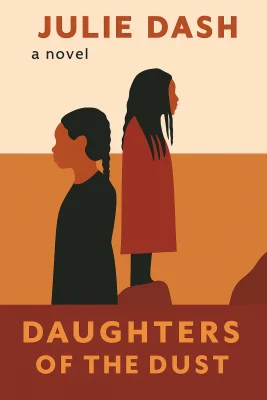
Daughters of the Dust
Categories
Fiction, Historical Fiction, Literature, Family, Book Club, Historical, African American, Race, Adult Fiction, United States
Content Type
Book
Binding
Paperback
Year
1999
Publisher
Plume
Language
English
File Download
PDF | EPUB
Daughters of the Dust Plot Summary
Introduction
# Daughters of the Dust: Reclaiming Ancestral Waters The morning ferry cuts through dark waters toward Dawtuh Island, carrying Amelia Varnes back to a place she barely remembers. Her anthropology equipment rattles in wooden crates beside her, cameras and recording devices meant to document the "primitive customs" of the Gullah people for her Columbia University thesis. But Amelia carries more than academic ambition—she's fleeing her grandmother Haagar's suffocating expectations in Harlem, seeking answers about the family stories that were whispered and then silenced. The island emerges from sea mist like something conjured from memory, its weathered houses standing on stilts above the marsh grass. Spanish moss drapes ancient oaks like funeral shrouds, and bottle trees catch morning light in their colored glass. This is where her people have lived for generations, where captive ships once unloaded their human cargo, where the Peazant family planted roots deep in Carolina soil. As the ferry approaches Ibo Landing, Amelia doesn't yet understand that she's not coming to study these island people—she's coming home to be claimed by them, to discover that some stories refuse to be captured in notebooks and some homecomings demand a reckoning with truths buried beneath generations of silence.
Chapter 1: The Academic's Return: Crossing Waters to Ancestral Shores
Elizabeth Peazant waits on the weathered dock like a sentinel, her sharp eyes taking in every detail of this light-skinned cousin from New York. The boat lurches against the pier as Amelia stumbles onto solid ground, her city shoes slipping on wet planks. She's dressed for academic fieldwork, not for the humid embrace of the Sea Islands, and her carefully packed equipment seems suddenly fragile against the raw power of wind and tide. The ride to the Peazant homestead becomes Amelia's first lesson in island rhythms. Elizabeth drives the wheezing Model T along sandy paths that seem to follow no earthly logic, past fields where workers move with the patient grace of those who understand that the land sets its own pace. Children run alongside the car, their laughter carried on salt wind, while elders watch from shaded porches with eyes that seem to see straight through to her bones. At the family compound, Eli Peazant works his forge with hammer blows that ring like heartbeats. His wife Eula emerges from the kitchen with flour-dusted hands and a smile that carries decades of welcome. But it's Nana Peazant who commands the scene, sitting on her porch like a queen holding court. The ancient woman speaks in the old language, her words flowing like water over stones, and Amelia feels their weight even without understanding their meaning. The house itself breathes with history. Walls bloom with letters from family scattered across the mainland, each envelope telling of another departure, another child lost to the pull of city wages and electric lights. In the parlor, photographs of the dead watch over the living, their sepia faces bearing witness to generations of survival. As night falls, Amelia lies in Nana's old bedroom listening to sounds she's never heard—the whisper of wind through bottle trees, the distant call of night birds, the soft murmur of voices speaking in languages older than memory.
Chapter 2: Between Two Worlds: City Scholar Meets Island Wisdom
Dawn breaks over Dawtuh Island with the patience of centuries, and Amelia wakes to find Elizabeth already gone, following paths worn smooth by generations of Peazant women. The morning ritual of gathering herbs becomes an education in itself—which roots heal fever, which leaves ward off evil, how to read the signs written in bark and stone. Elizabeth moves through this landscape like she belongs to it, every step sure and purposeful. In the crumbling schoolhouse where Elizabeth teaches, Amelia encounters the island's children for the first time. They study her with frank curiosity, these young ones who speak in rhythms that sound like music. When she tries to help with lessons, her formal education seems clumsy against Elizabeth's intuitive understanding of how knowledge passes from one generation to the next. The children giggle at her pronunciation of Gullah words, but their laughter carries no malice—only the gentle correction of those who know their own tongue. The island's rejection cuts deeper than childish amusement. When Amelia approaches the elders with her notebooks and questions, they look through her like she's made of glass. They touch their protective charms and suggest she talk to someone else, anyone else. Her light skin and city clothes mark her as an outsider, one of those who come to steal what little they have left. The "red-bone" stranger with her camera represents everything they've learned to fear. Only young Ben Peazant shows genuine interest in her equipment, his quick hands learning to operate the motion picture camera with natural skill. Through his eyes, she begins to see the island's hidden beauty—dolphins calling fish to waiting nets, turtle eggs buried in warm sand, the ancient patterns carved into chinaberry trees. But when they approach Ibo Landing, where wooden posts rise from the water like ancestral spirits, Ben's enthusiasm dies. "Most de time you caint see it," he whispers, pulling her away from the place where captives chose the water over chains.
Chapter 3: Keepers of Memory: Stories That Bind and Heal
The tin box hidden in Nana's chimney holds relics that pulse with ancestral power. Elizabeth's hands tremble as she lifts out Kona beads from Africa, a plait of hair from the first Ayodele, a scrap of indigo-blue cloth that carries the scent of freedom and sorrow intertwined. As firelight dances across the room, Elizabeth transforms from proper schoolteacher to ancient griotte, her voice weaving the story of their people like a spell. Ayodele emerges from the telling—stolen from her indigo fields, sold by a greedy headman, surviving the crossing that broke so many others. She mastered the poisonous indigo plant that white experts couldn't grow, bore a son to Nathan Samuels the free blacksmith, and died torn apart by a boss man's cruelty while her mistress traveled to Charleston. "Her spirit lift from she body an reached over to touch she son's face before she leave," Elizabeth chants, her words carrying the rhythm of old funeral songs. The story doesn't end with death. Ayodele's ghost wreaks havoc in the slave trader's house, overturning chairs and shattering glasses before flying home across the water to ancestral lands. But part of her remains, woven into every charm, every blessing, every daughter who carries her name. The tale maps the territory between survival and surrender, between accommodation and resistance, showing Amelia that these aren't primitive customs but sophisticated systems of meaning-making. Ben tells the story of Ibo Landing with reluctant reverence, speaking of Paymore the ancient captive who helped build the landing that became a bridge to freedom. The Ibo people, small and melancholy, convinced themselves they were building a path home across the water. When the work finished, they walked into the waves singing, their bodies dissolving into spirit as they chose death over bondage. The landing collapsed behind them, leaving only wooden posts to mark where courage met the tide.
Chapter 4: Sacred Ground: Unearthing Buried Truths and Ancient Pain
The plow blade strikes something that makes Lucy Peazant scream and run. Amelia finds rusted shackles in the furrow, a human skull impaled on the metal, bones scattered like broken promises. They've uncovered a mass grave in the very field Lucy dreamed of buying, three bodies chained together and buried in unmarked ground. The discovery shatters more than Lucy's plans—it cracks open the earth itself, releasing spirits that have waited generations for recognition. Word spreads across the island like wildfire. People come from every corner of the Sea Islands to bear witness, their faces grave with understanding. These are not just any bones—they're the remains of captives from a slave ship, thrown overboard by their captors and finally washed ashore to rest in unmarked ground. Old Emma Julia, ancient keeper of root magic and folk wisdom, declares that the spirits demand proper burial with the ceremonies their souls were denied. The ritual begins at sunset, with drums that seem to call across the water to Africa itself. Amelia finds herself drawn into the sacred circle, her academic distance crumbling as the ancestors press close. She feels their pain, their rage, their desperate love for children they'd never see grow up. The boundary between past and present dissolves in the flickering firelight, and the dead walk among the living with terrible purpose. As the night deepens, Lucy trembles with grief and terror, chosen to help lay the bones to rest. The ceremony strips away pretense, revealing the raw connection between the living and the dead that pulses through every aspect of island life. Amelia understands then that she's not studying these people—she's being claimed by them, welcomed into a story that has been unfolding for centuries. The bones go into the ground with prayers and tears, but their spirits remain, woven into the fabric of island existence like threads in one of Nana's quilts.
Chapter 5: The Heart's Awakening: Love, Loss, and Transformation
Boaz arrives with the railroad crew, a man whose gentle hands can coax music from drums and tenderness from the hardest heart. He carries the memory of his late wife Mary Rose like a sacred flame, and when his eyes meet Amelia's across the ceremonial fire, something electric passes between them that has nothing to do with anthropology and everything to do with the ancient dance between man and woman. Their courtship unfolds in moonlight and whispered conversations. Boaz tells her of his travels, of the daughter he supports from afar, of the love he'd lost and thought he'd never find again. Under stars that seem close enough to touch, they make love in the branches of an ancient oak tree with the desperate intensity of those who know their time is borrowed. In his arms, Amelia discovers parts of herself she'd never known existed—a woman who can laugh with abandon, who can find passion in the simple act of watching sunrise paint the water gold. But love on the island comes with complications that mirror the community's deeper struggles. Sallie Lee, Willis George's restless wife, has begun an affair with Sugarnun, a charming drifter who collects hearts like seashells. The triangle of desire and betrayal plays out in whispers and stolen glances, threatening to tear apart a family that has already endured too much. Willis George walks the shore at night with murder in his heart and a shotgun in his hands. The confrontation comes in the deep woods, where secrets have been nurtured like poisonous flowers. When the shotgun finally fires, it's Sallie Lee who pulls the trigger, ending Sugarnun's life and her own marriage in a single, terrible moment. The island buries another soul while the living struggle to understand how love can twist into something so destructive. Amelia watches the funeral with new eyes, seeing how the community absorbs even this tragedy into its larger story of survival and endurance.
Chapter 6: Crossroads of Conscience: Choosing Protection Over Prestige
Professor Colby's letter crackles with excitement across the miles. Amelia's thesis is groundbreaking, he writes, the kind of work that could revolutionize anthropological understanding of isolated communities. The American Anthropological Society wants her to present her findings, to share the secrets of Dawtuh Island with the academic world. The opportunity she's dreamed of lies within her grasp, promising career advancement and scholarly recognition. Amelia stares at the letter with growing horror. She thinks of Nana's stories, of the sacred ceremonies she's witnessed, of the trust these people have placed in her. The idea of scholars and researchers descending on the island like locusts makes her stomach turn. She came to study them, but they've become family. The motion picture camera sits unused in its crate, too crude an instrument to capture what really matters—the weight of ancestral presence, the architecture of endurance, the living connection between past and present that pulses through every conversation. Elizabeth faces her own crisis when the white School Board summons her for using unauthorized textbooks. The officials treat her like a child, dismissing her efforts to give island children a real education. They want her to teach only the basics—enough reading to follow simple instructions, enough arithmetic to count change. Anything more is seen as dangerous, likely to give these children ideas above their station. The humiliation burns, but Elizabeth swallows her pride for the sake of her students, knowing that one defiant teacher could easily be replaced. In Professor Colby's office, Amelia makes her choice with a voice steady despite her trembling hands. She will not present the thesis, will not publish her findings, will not be the agent of change that would destroy what she's come to love. The professor argues, cajoles, threatens, but Amelia's resolve holds firm. Some truths are too precious to share with those who can't understand their value. She walks away from academic glory, choosing protection over prestige, understanding finally that the greatest discoveries can't be captured in notebooks—they have to be lived, breathed, and passed down through the sacred act of storytelling.
Chapter 7: Full Circle: From Observer to Daughter of the Dust
The letter from her dying mother calls Amelia back to New York, but the city feels like a foreign country now. In the hospital room, Myown Peazant lies like a bird with broken wings, her eyes still holding the spark that carried her through decades of struggle. When Amelia arrives breathless from her desperate journey, her mother's face transforms with joy. They have so little time, but they make it count, sharing stories of the island and the family that shaped them both. The decision to return south comes naturally, like water finding its level. New York had never been home for either of them—it was just the place where circumstances had trapped them. Myown had sent her daughter to find their roots, and Amelia had discovered something more precious than academic success. She'd found herself, found her people, found the place where her spirit could finally rest. Haagar's fury at their departure is predictable but painful, the old woman's control crumbling as her family chooses love over fear. The boat ride back to Dawtuh Island feels like resurrection. Myown sits wrapped in quilts, her face turned toward the water that has called to her for decades. The island welcomes them home with open arms, with Eula's tears of joy and Eli's gruff satisfaction. Elizabeth has gone to Paris to discover what the world might offer a young black woman with talent and determination, but Amelia has returned, bringing with her the missing piece of their family puzzle. In Nana's old house, surrounded by the voices and laughter of her extended family, Amelia finally understands what she'd been searching for. It wasn't academic achievement or professional recognition—it was belonging, the deep knowledge that she was part of something larger than herself. The ancestors whisper their approval in the wind through the bottle trees, and the island settles around her like a protective embrace. She's no longer the outsider with the camera, no longer the scholar studying primitive customs. She's become what she was always meant to be—a daughter of the dust, a keeper of stories, a bridge between the world that was and the world that might yet be.
Summary
The waters around Dawtuh Island have witnessed countless crossings—forced journeys that brought captives in chains, chosen departures that scattered families like seeds on the wind, and the rarest crossing of all: the return that heals rather than wounds. Amelia's transformation from anthropological observer to ancestral daughter maps the territory between knowledge and wisdom, between studying a people and belonging to them. The island itself emerges as the story's true protagonist, a place where time moves differently and the ancestors walk among the living, testing each soul and revealing their essential truth. In the end, the island's greatest gift isn't the stories it tells but the story it makes possible—the recognition that home isn't a place you leave behind but a truth you carry forward. The motion picture camera captures images, but the real preservation happens in the living connection between generations, in the charms passed from mother to daughter, in the songs that survive every attempt at silencing. The daughters of the dust don't need to be documented by outsiders; they need to be remembered, honored, and allowed to speak their own truths in their own voices. The water remembers everything, and some memories are too sacred for any academic thesis to hold.
Best Quote
Review Summary
Strengths: The book is praised for its rich storytelling and character development, particularly the portrayal of the Peazant family and the Gullah-Geechee community. The dialogue is highlighted as believable, natural, and entertaining, effectively capturing the oral traditions of the Gullah culture. The characters, especially Amelia and Elizabeth, are described as realistic and memorable. The book's connection to Zora Neale Hurston's life adds depth to the narrative. Weaknesses: The prose is critiqued as being matter-of-fact and bland, which contrasts with the vibrant dialogue. This reflects the author's background as a screenwriter, focusing more on dialogue than descriptive prose. Overall: The review conveys a highly positive sentiment, appreciating the book's unique storytelling and cultural insights. Despite minor critiques of the prose, the book is recommended for its engaging narrative and character depth.
About Author

Julie Dash
Dash reframes the narrative landscape by focusing on the intersection of racial justice and the experiences of Black women. Her work is a tapestry of themes such as diasporic identities and migration, woven with elements of magical realism and nonlinear storytelling. Dash’s films often rely on extensive archival research to highlight the underrepresented histories of the Gullah Geechee people, effectively reinventing the language of film to craft a new vision for Black cinema. Her visual style, recognized for its surreal and stunning qualities, is both a tribute to cultural roots and an exploration of identity.\n\nIn her pioneering career, Julie Dash connects the realms of independent cinema, television, and museum installations. She broke new ground with her feature film "Daughters of the Dust" (1991), the first by an African American woman to achieve a wide theatrical release in the U.S. Beyond cinema, her creations for Disney's Imagineering and institutions like the National Underground Railroad Freedom Center Museum further exhibit her versatile storytelling capabilities. By serving as a faculty member at Spelman College since 2017, Dash continues to influence new generations, leveraging her role as the Diana King Endowed Professor to nurture upcoming filmmakers and scholars.\n\nThe impact of Dash's work resonates across various platforms, making her a significant figure in the arts and academia. As the author of books like "Daughters of the Dust: The Making of an African American Woman’s Film", she extends her influence into literature, providing insights into the creative processes behind her groundbreaking projects. Her contributions have earned her recognition from prestigious bodies such as the Sundance Film Festival and the Library of Congress, validating her role as a transformative force in storytelling and cultural discourse.
Read moreDownload PDF & EPUB
To save this Black List summary for later, download the free PDF and EPUB. You can print it out, or read offline at your convenience.
Daughters of the Dust
by Julie Dash
