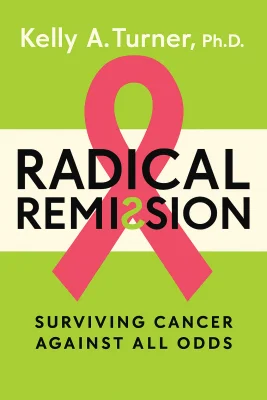
Radical Remission
Surviving Cancer Against All Odds
Categories
Nonfiction, Self Help, Psychology, Health, Science, Spirituality, Audiobook, Medicine, Medical, Nutrition
Content Type
Book
Binding
Kindle Edition
Year
2014
Publisher
HarperOne
Language
English
ASIN
0062268775
ISBN
0062268775
ISBN13
9780062268778
File Download
PDF | EPUB
Radical Remission Plot Summary
Introduction
# Radical Remission: Transforming Cancer Through Emotional Healing and Inner Wisdom Sarah sat in her oncologist's office, the words "stage four" echoing in her mind like a distant bell. The statistics were clear, the prognosis grim, yet something deep within her refused to accept this as the final chapter of her story. Three years later, Sarah would walk into that same office, healthy and vibrant, leaving her doctor speechless and searching for explanations that medical textbooks couldn't provide. Her journey from despair to healing wasn't unique—it was part of a remarkable pattern that has been quietly unfolding in hospitals and healing centers around the world. This extraordinary phenomenon of unexpected recovery from advanced cancer has captured the attention of researchers and patients alike. Through extensive interviews with survivors and healers across the globe, a fascinating picture emerges of individuals who refused to surrender to their diagnoses and instead embarked on transformative journeys of healing. These stories reveal nine consistent factors that appear repeatedly in cases of radical remission, offering hope and practical guidance to anyone facing a health crisis. The pages that follow illuminate not just the science behind these recoveries, but the profound human capacity for healing when we align our physical, emotional, and spiritual resources toward wellness.
Chapter 1: The Medical Miracle: Understanding Radical Remission's Scientific Foundations
Maria's hands trembled as she held the medical report that would change everything. After eighteen months of aggressive chemotherapy that had failed to shrink her pancreatic tumors, her oncologist had run out of options. The cancer had spread, and conventional medicine offered no further hope. Yet Maria remembered reading about a woman in Germany who had recovered from similar circumstances by completely transforming her approach to healing. Against her doctor's advice, Maria decided to stop all conventional treatment and instead focus on what she called "awakening her body's natural healing wisdom." What Maria didn't know was that she was about to become part of a phenomenon that has puzzled medical professionals for decades. Radical remission represents any cancer recovery that is statistically unexpected—whether it occurs without conventional treatment, after conventional treatment has failed, or when someone outlives a dire prognosis by combining conventional and alternative approaches. These cases have been quietly documented in medical journals for over a century, yet they remain largely ignored by mainstream medicine, dismissed as anomalies rather than studied as potential keys to understanding the body's remarkable capacity for self-healing. The scientific community's reluctance to investigate these cases thoroughly represents a missed opportunity of extraordinary proportions. When we examine the common threads among radical remission survivors, we discover that their recoveries aren't random miracles but follow identifiable patterns. These individuals consistently make similar changes across physical, emotional, and spiritual dimensions of their lives, suggesting that healing may be less mysterious and more systematic than we previously imagined. Their stories challenge us to expand our understanding of what's possible when we treat the whole person rather than just the disease.
Chapter 2: Food as Medicine: James's Journey Through Nutritional Transformation
When James received his colon cancer diagnosis at forty-two, his first instinct was to research everything he could about his condition. What he discovered shocked him more than the diagnosis itself—the profound connection between what we eat and how cancer cells behave in our bodies. James learned that cancer cells consume glucose at rates ten to fifty times higher than healthy cells, essentially feeding on the very foods that dominated his typical American diet. Armed with this knowledge, he made a decision that would transform not only his relationship with food but his entire approach to healing. James eliminated all refined sugars, processed foods, dairy products, and meat from his diet, replacing them with organic vegetables, fruits, and whole grains. He began each day with fresh vegetable juice and ended it with gratitude for the nourishment his body had received. Within months, his energy levels soared, his complexion cleared, and most importantly, his tumor markers began to decline. His oncologist, initially skeptical of James's dietary approach, became increasingly intrigued as scan after scan showed continued improvement without any conventional treatment. The transformation James experienced reflects a fundamental truth that ancient physicians understood but modern medicine has largely forgotten—food is medicine. Every meal we consume either feeds disease or fights it, either promotes inflammation or reduces it, either strengthens our immune system or weakens it. When we view our daily food choices through this lens, we begin to understand why so many radical remission survivors credit dietary changes as the foundation of their healing journeys. They recognize that true healing requires not just removing cancer from the body, but creating an internal environment where cancer cannot thrive.
Chapter 3: From Patient to Partner: Linda's Path to Empowered Healing
The moment Dr. Peterson told Linda she had six months to live, something extraordinary happened. Instead of despair, she felt a surge of clarity and determination that surprised even her. "I don't accept that timeline," she heard herself saying, her voice steady despite the gravity of the situation. This wasn't denial or false hope—it was the awakening of an inner knowing that would guide her through the most challenging journey of her life. Linda had always been a compliant patient, following medical advice without question, but facing terminal cancer awakened a fierce advocate within her. Linda began researching her condition with the intensity of a detective solving a case. She sought second and third opinions, explored treatment options her original doctor had never mentioned, and most importantly, she learned to listen to her body's subtle messages about what felt right and what didn't. When her intuition told her to postpone surgery in favor of trying alternative approaches first, her medical team was horrified. Yet Linda had discovered something powerful—the difference between being a passive patient and becoming an active participant in her own healing. The transformation from patient to empowered healing partner represents one of the most crucial shifts in radical remission stories. These individuals refuse to surrender their decision-making power to others, no matter how well-intentioned or credentialed those others might be. They understand that while medical professionals offer valuable expertise, no one knows their body better than they do. This isn't about rejecting medical advice but about integrating it with their own inner wisdom to create a healing approach that feels authentic and sustainable. When we reclaim our role as the primary architect of our healing journey, we tap into resources that no external treatment can provide.
Chapter 4: Breaking Through Barriers: David's Discovery of Supplements and Emotional Release
David's journey into the world of supplements began with a simple question: if his immune system had failed to detect and eliminate his lymphoma cells, what could he do to strengthen it? His research led him to a naturopathic doctor who explained that modern farming practices had stripped many essential minerals from the soil, leaving even organic vegetables deficient in nutrients that were abundant just fifty years ago. David learned that his body was fighting cancer while simultaneously struggling with nutritional deficiencies that made victory nearly impossible. Working with his naturopath, David developed a comprehensive supplement protocol that included immune-boosting mushrooms, digestive enzymes, probiotics, and high-dose vitamin C. But the supplements were only part of his healing equation. David also began working with a therapist to address the emotional trauma he had carried since childhood—anger toward his father, grief over his mother's death, and fear about his own mortality. As he released these suppressed emotions through therapy and energy work, he noticed his physical symptoms improving alongside his emotional state. The combination of nutritional support and emotional release created a synergistic effect that neither approach could have achieved alone. David's story illustrates a crucial understanding among radical remission survivors—healing requires addressing deficiencies and blockages on multiple levels simultaneously. Supplements can provide the raw materials for immune function, but emotional blockages can prevent those materials from being utilized effectively. When we support our bodies nutritionally while also clearing emotional obstacles, we create optimal conditions for the profound healing that radical remission represents.
Chapter 5: The Healing Community: Margaret's Story of Love, Laughter and Support
When Margaret was diagnosed with breast cancer, her first call wasn't to her doctor or her insurance company—it was to her sister Ruth. Within hours, Ruth had organized what they playfully called "Team Margaret," a network of friends and family members who would ensure that Margaret never faced a treatment session, a difficult day, or even a moment of despair alone. What began as practical support—rides to appointments, meals during recovery, help with household tasks—evolved into something far more powerful: a healing community united in love and determination. Margaret's treatment room became a gathering place filled with laughter, music, and celebration. Friends brought funny movies for chemotherapy sessions, organized dance parties during her recovery periods, and created a gratitude journal where everyone wrote daily messages of hope and encouragement. Margaret found herself looking forward to treatment days because they had become opportunities for connection and joy rather than ordeals to endure. Her medical team was amazed by her positive attitude and rapid recovery, attributing it to her "remarkable support system." The healing power of positive emotions and social support extends far beyond psychological comfort—it creates measurable changes in immune function and treatment outcomes. When we feel loved, supported, and joyful, our bodies release a cascade of healing hormones that reduce inflammation, improve circulation, and enhance our natural cancer-fighting capabilities. Margaret's story demonstrates that healing is not a solitary journey but a community effort, and that surrounding ourselves with love and laughter may be one of the most powerful medicines available to us.
Chapter 6: Sacred Purpose: Michael's Spiritual Awakening Through Terminal Diagnosis
For thirty-eight years, Michael had lived as a successful businessman, measuring his worth by profit margins and quarterly reports. Then pancreatic cancer arrived like an uninvited teacher, stripping away everything he thought defined him and leaving him face-to-face with questions he had spent decades avoiding. In the quiet hours of his hospital room, Michael began to sense something he had never noticed before—a presence, a connection to something larger than his individual existence. This spiritual awakening would prove to be the most transformative aspect of his healing journey. As Michael's physical strength waned during treatment, his spiritual awareness grew stronger. He began meditating daily, not as a technique to fight cancer but as a way to commune with what he came to understand as divine love. He found himself praying not for cure but for the wisdom to understand his illness as a gift rather than a curse. Gradually, Michael began to see his cancer as a messenger calling him toward a more authentic way of living—one aligned with service, compassion, and spiritual growth rather than material accumulation. This profound shift in perspective created ripple effects throughout Michael's entire being. As he released his attachment to his old identity and embraced a deeper sense of purpose, his body began responding in ways that surprised his medical team. His tumor markers stabilized, his energy returned, and most remarkably, he reported feeling more alive and peaceful than he had in decades. Michael's experience reflects a pattern seen repeatedly in radical remission cases—when individuals connect with their spiritual essence and discover meaning in their illness, they often access healing resources that transcend conventional medical understanding.
Chapter 7: Living Proof: Patricia's Integration of Conventional and Alternative Healing
The conference room fell silent as Dr. Williams presented the case that had puzzled her for months. Patricia, a sixty-year-old teacher with stage four ovarian cancer, had been given three months to live eighteen months earlier. Not only was Patricia still alive, but her latest scans showed no evidence of disease. What made Patricia's case even more intriguing was her treatment approach—she had combined conventional chemotherapy with meditation, dietary changes, emotional therapy, and what she called "radical self-love." Patricia's recovery wasn't an isolated miracle but part of a growing body of evidence suggesting that healing involves far more than medical intervention alone. Patricia's journey began with a decision that surprised everyone, including herself. Instead of viewing cancer as an enemy to be defeated, she chose to see it as a teacher offering lessons about how she had been living her life. She realized that for years, she had been caring for everyone except herself, suppressing her own needs and emotions while maintaining a facade of strength. Cancer became her invitation to finally prioritize her own well-being and discover what it meant to truly love herself. Working with an integrative oncologist, Patricia created a healing protocol that addressed every aspect of her being. She underwent chemotherapy while simultaneously transforming her diet, practicing daily meditation, working with a therapist to release decades of suppressed emotions, and cultivating joy through activities she had long neglected. Most importantly, she surrounded herself with people who supported her new commitment to self-care and authenticity. Patricia's remarkable recovery demonstrates that radical remission often requires radical changes—not just in treatment approaches but in fundamental ways of being in the world.
Summary
The stories of radical remission survivors reveal a profound truth that challenges our conventional understanding of healing—recovery from serious illness involves far more than medical treatment alone. These remarkable individuals demonstrate that when we address the physical, emotional, and spiritual dimensions of health simultaneously, we can access healing resources that seem almost miraculous yet follow identifiable patterns. Their journeys teach us that the body possesses an extraordinary capacity for self-repair when provided with the right conditions and support. Perhaps most importantly, these survivors show us that hope is not naive optimism but a practical tool for healing. By refusing to accept limiting prognoses and instead exploring every avenue for recovery, they create possibilities that didn't exist before their commitment to healing. Their stories remind us that while we cannot control whether we become ill, we can control how we respond to illness—and that response may determine not only the quality of our remaining days but their quantity as well. In choosing to see illness as a teacher rather than an enemy, these brave individuals transform their greatest challenges into their most profound opportunities for growth and healing.
Best Quote
“Our health—and indeed our entire lives—can be seen as the sum of all our moment-to-moment decisions. This includes how we choose to eat and drink, think and feel, act and react, and move and rest on any given day.” ― Kelly A. Turner, Radical Remission: Surviving Cancer Against All Odds
Review Summary
Strengths: The book contains nourishing stories and ideas, offering a socio-spiritual perspective on coping with cancer. It is described as fascinating from an anthropological viewpoint and is noted for its fast and easy readability. The book is also praised for its incredible information and inspiring stories of individuals pursuing alternative healing paths. Weaknesses: The book's title is misleading, and it lacks genuinely radical advice. The initial focus on diet and supplements is criticized for being unsupported by research. The author is perceived to have an agenda, potentially glorifying non-compliance with Western medicine. The book may disturb vulnerable readers due to its alarming content. Overall: The review presents a mixed sentiment, appreciating the book's engaging stories and holistic insights but cautioning against its potentially misleading and biased content. Critical thinking is advised for readers, particularly those emotionally affected by cancer treatment.
About Author

Kelly A. Turner
Turner considers the extraordinary phenomena of radical remission in cancer, focusing on how individuals overcome the disease against statistical odds. Her work delves into cases where remission occurs without traditional medical interventions or after such treatments have failed. In her book "Radical Remission: Surviving Cancer Against All Odds," she blends scientific research with personal narratives to illustrate the potential of integrative oncology. By exploring emotional well-being, spiritual practices, and lifestyle changes, Turner offers a holistic perspective on healing, providing readers with practical insights and hope for navigating serious illnesses.\n\nHer research has significantly impacted the field of alternative healing by emphasizing the role of non-conventional factors in cancer remission. Turner's contributions include founding the Radical Remission Project, an online platform offering resources like courses and workshops to those seeking alternative healing pathways. Meanwhile, her expertise is not confined to academia; she is also a screenwriter and actor, having written award-winning screenplays and directed a docuseries on radical remission. This multifaceted approach underscores her commitment to broadening the conversation around cancer treatment.\n\nThe author has achieved notable recognition, including being a New York Times bestselling writer and a finalist for the Sundance Screenwriters Lab. Her bio highlights a diverse career that bridges research, storytelling, and media, making her a leading voice in exploring integrative approaches to health. Turner's work inspires both individuals battling illness and professionals in the oncology field, encouraging a paradigm shift towards holistic health strategies.
Read moreDownload PDF & EPUB
To save this Black List summary for later, download the free PDF and EPUB. You can print it out, or read offline at your convenience.
Radical Remission
by Kelly A. Turner
