
Elizabeth M. Karle
Saramago interrogates complex societal themes through allegorical storytelling, emphasizing the human condition's intricacies. His works often delve into moral ambiguity, revealing the thin line between order and chaos, freedom and constraint. This method enables readers to grapple with ethical dilemmas in unfamiliar contexts, offering fresh perspectives on societal norms. The interplay of reality and surrealism in his narratives challenges conventional thinking, encouraging deeper reflection on human behavior.\n\nThrough his book "Blindness," Saramago explores the fragility of civilization when individuals face sudden adversity. Meanwhile, his narrative style—marked by long, flowing sentences and minimal punctuation—creates a rhythm that mirrors the tumultuous worlds he constructs. This approach fosters an immersive reading experience, prompting readers to consider the implications of their societal roles. Furthermore, his examination of themes like isolation and interdependence makes his works resonate with those interested in philosophical and ethical questions.\n\nReaders benefit from Saramago's exploration of existential themes, gaining insights into the complexities of societal structures and human nature. His ability to weave profound philosophical questions into compelling narratives ensures his relevance to both literary enthusiasts and scholars. By crafting stories that transcend time and place, the author invites a broad audience to reflect on their values and the larger forces shaping their lives. This bio captures the essence of Saramago's contribution to literature, emphasizing his unique ability to engage readers in a profound dialogue about humanity.
Books by Elizabeth M. Karle
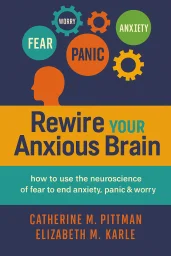
Rewire Your Anxious Brain
Popular Authors

Robin Sharma
5 books

James Clear
2 books

Sarah Knight
4 books

Daniel Goleman
9 books
Stanley D. Rosenberg
1 books

Anthony Scaramucci
1 books

Niall Kishtainy
1 books

J. Richard Gott
1 books

Trevor Moawad
2 books

Mark McNeilly
1 books

Lara Love Hardin
4 books
