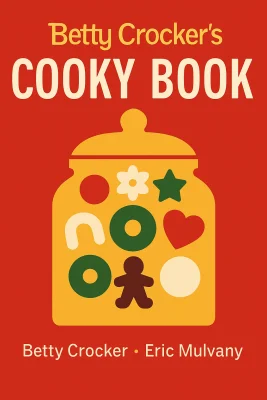
Betty Crocker's Cooky Book
Categories
Nonfiction, Health, Food, Classics, Reference, Cookbooks, Cooking, Gastronomy
Content Type
Book
Binding
Spiral-bound
Year
2002
Publisher
Betty Crocker
Language
English
ASIN
0764566377
ISBN
0764566377
ISBN13
9780764566370
File Download
PDF | EPUB
Betty Crocker's Cooky Book Plot Summary
Introduction
Every kitchen holds the potential for creating moments of pure joy, yet many home bakers feel intimidated by the seemingly complex world of cookie making. The fear of flat cookies, burnt edges, or flavors that fall short of expectations keeps countless people from experiencing the simple pleasure of pulling a tray of golden, aromatic treats from their own oven. However, the truth is that cookie baking is one of the most accessible and rewarding forms of culinary expression, requiring no special equipment or years of training to achieve delicious results. The art of cookie making transcends mere recipe following. It connects us to generations of bakers who found comfort, creativity, and connection through the simple act of mixing dough and sharing sweet treats. Whether you're seeking to create cherished family memories, surprise colleagues with homemade gifts, or simply satisfy your own craving for something special, mastering the fundamentals of cookie baking opens a world of endless possibilities and guaranteed satisfaction.
Chapter 1: Understanding Cookie Basics and Preparation Techniques
Cookie success begins with understanding the fundamental science behind how ingredients interact to create texture, flavor, and appearance. At its core, cookie making involves the careful balance of flour for structure, fats for tenderness and flavor, sugars for sweetness and browning, and eggs for binding and richness. Each ingredient plays a specific role, and knowing these relationships allows bakers to troubleshoot problems and even modify recipes with confidence. The story of Mrs. Anderson from Minneapolis perfectly illustrates this principle. After years of producing cookies that spread too thin or turned out tough and dense, she discovered that her measuring techniques were inconsistent. She would pack flour tightly into her measuring cup, creating heavy, dry cookies, while her butter was often too cold, preventing proper creaming. Once she learned to spoon flour lightly and bring her butter to proper room temperature, her cookies transformed overnight from disappointing failures to bakery-quality treats that neighbors began requesting. Mrs. Anderson's transformation continued as she mastered the technique of proper creaming. Instead of rushing through the butter and sugar mixing, she learned to beat them for a full three minutes until the mixture became light and fluffy. This simple change incorporated air into the dough, creating cookies with a tender crumb and perfect texture. Her chocolate chip cookies went from flat and greasy to thick and chewy, earning praise from her most discerning critics. To achieve similar success, start by assembling all ingredients and bringing them to room temperature at least an hour before baking. Measure flour by spooning it lightly into measuring cups and leveling with a knife. Cream butter and sugar until the mixture is pale and increased in volume. Mix dry ingredients separately before incorporating them into wet ingredients, and stop mixing as soon as everything is combined to prevent tough cookies. Remember that oven temperatures can vary significantly, so invest in an oven thermometer to ensure accuracy. Use heavy, light colored baking sheets for even browning, and rotate pans halfway through baking for uniform results. Most importantly, resist the urge to overbake, as cookies continue cooking on hot pans even after removal from the oven. These foundational techniques form the backbone of successful cookie making. Master these basics, and you'll find that even simple recipes yield extraordinary results that bring smiles to faces and warmth to hearts.
Chapter 2: Mastering Drop and Bar Cookie Varieties
Drop cookies represent the perfect starting point for beginning bakers, offering maximum flavor impact with minimal technique requirements. These forgiving treats rely on soft doughs that are simply spooned onto baking sheets, making them ideal for busy schedules and novice bakers alike. The beauty of drop cookies lies in their rustic charm and the endless possibility for creative additions and flavor combinations. Consider the experience of Helen Thompson, whose family's favorite oatmeal cookies had become legendary in their small Iowa town. What began as a simple recipe from her grandmother's collection evolved into Helen's signature creation through years of thoughtful experimentation. She discovered that adding a tablespoon of molasses to the traditional recipe created deeper flavor complexity, while substituting brown butter for regular butter added a nutty richness that elevated the cookies from ordinary to extraordinary. Helen's breakthrough came when she began varying the add-ins based on seasonal availability and family preferences. In autumn, she incorporated dried cranberries and chopped pecans. Winter versions featured cinnamon chips and toasted coconut. Spring brought fresh orange zest and chopped almonds, while summer cookies burst with dried cherries and white chocolate chips. Each variation maintained the beloved chewy texture while offering exciting new flavors that kept her family eagerly anticipating her next creation. To master drop cookies, focus on achieving the proper dough consistency. The mixture should hold together when dropped from a spoon but not be so stiff that it forms peaks. If dough seems too dry, add liquid one tablespoon at a time. If too wet, incorporate small amounts of flour until the right consistency is reached. Drop uniform portions of dough using a cookie scoop or two spoons, leaving adequate space for spreading. Bar cookies offer another accessible path to baking success, utilizing the convenience of sheet pan baking to create multiple servings at once. These treats range from fudgy brownies to fruit-filled squares, all sharing the advantage of single-batch preparation and easy cutting into neat portions. The versatility of drop and bar cookies makes them perfect for any occasion. They transport well, store beautifully, and can be dressed up or down depending on the setting. Embrace these foundational categories as your gateway to confident, joyful baking adventures.
Chapter 3: Creating Perfect Molded and Pressed Cookies
Molded and pressed cookies represent the intersection of technique and artistry, where skilled hands transform simple doughs into elegant, uniform treats that showcase precision and care. These cookies require slightly firmer doughs that can hold their shape during baking, and mastering their preparation opens doors to creating impressive presentations worthy of special occasions and gift giving. The journey of Robert Chen, a retired engineer from San Francisco, demonstrates how technical precision can enhance creative expression in cookie making. Initially frustrated by his attempts at traditional thumbprint cookies that lost their shape during baking, Robert applied his engineering mindset to understand the science behind dough consistency and temperature control. He discovered that chilling his dough for exactly thirty minutes before shaping created the perfect balance between workability and shape retention. Robert's methodical approach paid dividends as he expanded his repertoire to include pressed butter cookies made with his grandmother's vintage cookie press. He learned that the fat content and temperature of his dough were critical factors in achieving consistent results. Too warm, and the dough would be too soft to maintain definition. Too cold, and it wouldn't extrude smoothly through the press. Through careful experimentation, he found the sweet spot that produced bakery-perfect cookies with crisp edges and tender centers. To achieve success with molded cookies, ensure your dough has the proper consistency by chilling it adequately before shaping. When rolling balls for thumbprints or crescents, work with portions small enough to complete quickly before the dough warms. Create uniform indentations using your thumb or the handle of a wooden spoon, and fill these wells with jams, ganaches, or other fillings after baking for best results. For pressed cookies, maintain consistent pressure on your cookie press and hold it perpendicular to the baking sheet. Clean the press thoroughly between different dough batches to prevent color contamination. Practice on parchment paper to perfect your technique before committing to final baking sheets. Consider investing in quality tools such as cookie scoops for uniform portions and offset spatulas for easy removal from baking sheets. These investments pay dividends in both appearance and efficiency, allowing you to create professional looking results that reflect the care and attention you've invested in your craft.
Chapter 4: Crafting Holiday and Special Occasion Treats
Holiday cookies carry emotional weight far beyond their ingredients, serving as edible ambassadors of tradition, love, and celebration. These special treats mark significant moments in our lives, from Christmas morning surprises to wedding favors, creating lasting memories that span generations. The key to holiday baking success lies in planning, preparation, and embracing the joy of the season rather than succumbing to stress. Maria Rodriguez discovered this truth during her first Christmas as a newlywed, when she attempted to recreate every cookie recipe from both sides of her extended family. Initially overwhelmed by the massive undertaking, she found herself stressed and exhausted, producing batches of cookies that reflected her frantic energy rather than holiday joy. Her wise grandmother suggested a different approach, focusing on quality over quantity and involving family members in the process rather than shouldering the entire burden alone. The transformation was remarkable. Maria chose three signature recipes to perfect, spending time with family elders to learn their techniques and stories behind each treat. Her Mexican wedding cookies improved dramatically when her aunt taught her the importance of using fresh ground almonds and demonstrated the proper rolling technique. The sugar cookies became works of art when her young nieces joined the decorating process, their enthusiastic creativity adding charm that no professional baker could replicate. Begin your holiday baking by selecting recipes that can be prepared in stages. Many cookie doughs freeze beautifully, allowing you to spread preparation across several weeks. Create a baking schedule that includes time for decoration and packaging, ensuring you're not rushing through the final steps that often make the biggest visual impact. Invest in quality decorating supplies such as fine-tip squeeze bottles for icing, food coloring gels for vibrant colors, and an assortment of sprinkles and sugars for texture variety. Practice decorating techniques on test cookies before applying them to your final batches, and remember that imperfection often adds character and charm to homemade treats. Most importantly, embrace the communal nature of holiday baking. Include children in age appropriate tasks, share techniques with friends, and remember that the love and attention you invest in these treats creates their true magic. The slight irregularities that distinguish homemade cookies from commercial alternatives are actually features, not flaws, representing the human touch that makes them precious.
Chapter 5: Exploring Heritage and Family Favorite Recipes
Heritage recipes carry stories within their ingredients, connecting us to ancestors we may never have met while preserving cultural traditions that might otherwise fade with time. These time tested formulas represent generations of refinement, adjustment, and perfection, embodying the collective wisdom of countless home bakers who understood that food serves as a bridge between past and present. The story of Eleanor Kowalski from Detroit illustrates the profound connection between recipes and identity. When her Polish grandmother passed away, Eleanor inherited a handwritten recipe box filled with traditional European cookies, many written in Polish with ingredient measurements that seemed impossibly vague. Initially intimidated by instructions like "flour enough to make a soft dough" and "bake until golden," Eleanor nearly abandoned these family treasures in favor of modern, precisely measured alternatives. However, Eleanor's persistence in decoding these culinary mysteries revealed their hidden wisdom. Through patient experimentation and consultation with elderly relatives, she discovered that her grandmother's seemingly imprecise measurements actually reflected a deep understanding of how ingredients behave under different conditions. The instruction to add "flour enough to make a soft dough" accounted for variations in humidity, egg size, and flour protein content that rigid measurements might not accommodate. As Eleanor mastered these heritage techniques, she found herself developing the same intuitive understanding that had guided previous generations. Her pierogi cookies became neighborhood legends, their delicate dough and perfectly balanced filling reflecting skills that transcended written instructions. She began teaching these techniques to her own children, ensuring the tradition would continue while creating new memories around familiar flavors. To successfully recreate heritage recipes, approach them with patience and respect for their origins. Research the cultural context surrounding these treats to understand their traditional role in celebrations and daily life. Don't be afraid to contact older relatives or community members who might remember techniques that weren't written down but were passed through demonstration and practice. Start with small test batches when working with unfamiliar recipes, taking careful notes about your observations and adjustments. Many heritage recipes were designed for different flour types, sugar varieties, or baking equipment, so some adaptation may be necessary while maintaining the essential character of the original. Consider creating your own family recipe collection, documenting not just ingredients and techniques but also the stories and memories associated with each treat. These narratives transform simple cookies into treasured family heirlooms that future generations will cherish as much for their emotional significance as their delicious flavors.
Chapter 6: Quick Solutions for the Impromptu Baker
Life's spontaneous moments often call for immediate sweet solutions, whether it's unexpected guests arriving at your door, a last minute school bake sale request, or simply the sudden craving for homemade cookies without the luxury of extensive planning. The key to impromptu baking success lies in maintaining a well stocked pantry and mastering a few versatile, quick recipes that can be executed with confidence under time pressure. Sarah Mitchell, a busy working mother of three, learned this lesson during a particularly hectic December when her son announced the night before his class party that he had volunteered her to provide cookies for thirty students. With no time for grocery shopping and limited ingredients on hand, Sarah faced what seemed like an impossible situation. Her breakthrough came when she discovered that basic pantry staples could create impressive results when combined thoughtfully. Sarah's emergency chocolate chip cookies, made with brown butter, a touch of cornstarch for tenderness, and whatever chips she found in her freezer, became so popular that teachers began requesting the recipe. She realized that the time constraints had actually forced her to focus on technique rather than exotic ingredients, resulting in cookies that showcased the quality of her mixing, timing, and baking skills rather than expensive add-ins. The success led Sarah to develop what she called her "emergency baking kit" – a dedicated shelf in her pantry stocked with versatile ingredients that could create multiple cookie varieties on short notice. Her kit included various extracts for flavor variation, brown and white sugars, quality vanilla, chocolate chips, nuts, dried fruits, and always-fresh baking powder and soda. For quick baking success, master a few basic recipes that use common ingredients and require minimal preparation time. No-chill sugar cookies can be mixed, shaped, and baked within an hour. Drop cookies like chocolate chip or oatmeal require no chilling or shaping time. Bar cookies can feed crowds from a single batch and often require less precise timing than individual cookies. Invest in quality vanilla extract and real butter, as these ingredients significantly impact flavor in simple recipes where they can't hide behind complex combinations. Keep your baking powder and soda fresh by replacing them every six months, and test their potency by adding a teaspoon to hot water or vinegar respectively. Embrace the beauty of simple, well executed treats that showcase fundamental techniques rather than complicated procedures. Often, the most memorable cookies are those created with care and attention rather than exotic ingredients or complex methods.
Chapter 7: Elevating Cookies for Entertaining and Gifting
The presentation and packaging of homemade cookies can transform simple treats into elegant gifts and sophisticated party offerings that rival professional confections. The difference between everyday cookies and special occasion treats often lies not in the recipes themselves but in the attention paid to visual appeal, thoughtful packaging, and creative presentation methods that demonstrate care and consideration for recipients. The transformation of Jennifer Walsh's casual baking hobby into a sought after source for elegant party favors began when she volunteered to provide desserts for her sister's wedding shower. Determined to create something special, Jennifer elevated simple butter cookies through careful attention to decoration, uniform sizing, and beautiful packaging that reflected the event's sophisticated atmosphere. Her delicate rosette piping, coordinated color schemes, and individual clear bags tied with silk ribbons created an impressive presentation that guests assumed came from an expensive bakery. The success of Jennifer's wedding shower cookies opened her eyes to the impact of thoughtful presentation on perception and enjoyment. She began experimenting with different decorating techniques, learning to create smooth royal icing surfaces, mastering the art of flooding and wet-on-wet designs, and developing color palettes that complemented various occasions. Her cookies became conversation pieces, with guests as interested in discussing her techniques as they were in savoring the flavors. Jennifer's expertise expanded to include creative packaging solutions that extended the visual appeal beyond the cookies themselves. She discovered that simple cellophane bags could be elevated with custom labels, coordinated ribbons, and small decorative elements that reflected the occasion's theme. For corporate gifts, she created professional presentations using sleek boxes and understated elegance, while children's parties called for bright colors and playful packaging that generated excitement before the first bite. To elevate your own cookies for special occasions, begin with ensuring uniform sizes and shapes that create professional looking results. Invest in quality decorating supplies including gel food coloring for vibrant hues, various piping tips for different effects, and good quality chocolate for dipping and drizzling. Practice decorating techniques on test cookies before applying them to final batches. Consider the storage and transportation requirements of decorated cookies, choosing techniques and packaging materials that protect delicate work while maintaining visual appeal. Simple touches like coordinated ribbon colors, custom labels with occasion-specific messages, or themed decorative elements can transform ordinary treats into memorable gifts. Remember that the goal is to create experiences and memories rather than perfect replicas of professional work. The care and attention you invest in presentation communicates your feelings for recipients far more effectively than technical perfection, making your homemade treats precious regardless of minor imperfections.
Summary
The journey from novice baker to confident cookie creator requires nothing more than understanding basic principles, practicing fundamental techniques, and embracing the joy found in creating edible expressions of love and care. Throughout this exploration of cookie mastery, we've discovered that success lies not in complex recipes or expensive equipment, but in attention to detail, respect for ingredients, and the patience to develop skills through consistent practice and experimentation. The stories shared throughout these pages illustrate a fundamental truth about baking: "The magic happens not in the perfection of technique, but in the love and intention we bring to every batch we create." This sentiment captures the essential spirit of home baking, where the value of our treats extends far beyond their monetary cost to encompass the time, care, and personal attention invested in their creation. Whether you're preparing simple drop cookies for family snacks or elaborate decorated treats for special celebrations, your commitment to quality and thoughtfulness transforms ordinary ingredients into extraordinary expressions of hospitality and affection. Start today with a single recipe that calls to you, gather your ingredients with intention, and begin creating the sweet memories that will connect you to the timeless tradition of home baking while establishing your own unique legacy of delicious joy.
Best Quote
Review Summary
Strengths: The book is praised for its nostalgic value and comprehensive collection of classic cookie recipes, which are simple to follow and suitable for baking with children. It includes a unique historical section on cookies from the 1880s to the 1960s. The full-page instructions and colorful pictures, especially for constructing a cookie house, are highlighted as beneficial features. Weaknesses: Some reviewers noted the lack of modern photography and short descriptions. The dated appearance of drawings and photos from the 1963 edition was also mentioned. Overall: The general sentiment is highly positive, with readers expressing strong nostalgia and appreciation for the book's classic recipes. It is recommended for those who value traditional baking and food history.
About Author

Betty Crocker
Crocker synthesizes culinary culture with a focus on connecting homemakers to convenience and expertise. Originating as a marketing creation by the Washburn-Crosby Company, Betty Crocker was not a real person but a fictional persona designed to engage the American homemaker. The company's advertising department, recognizing the need for female representation in a male-dominated space, developed Crocker as a trusted figure to build a rapport with their audience. The brand extended beyond its commercial roots to influence American cooking habits significantly. Through radio shows and cookbooks, such as the landmark "Betty Crocker's Picture Cook Book," Crocker advocated for practical cooking solutions, incorporating innovations like the one-bowl cake method and standardized pan sizes to prevent baking mishaps.\n\nBetty Crocker's legacy is anchored in her impact on American kitchens and consumer habits, reshaping how homemakers approached cooking during challenging times like the Great Depression and World War II. The author of over 250 cookbooks, Crocker became a symbol of culinary reliability, with her most successful book selling millions of copies and embedding itself into the fabric of home kitchens. Furthermore, the brand introduced cake mixes that revolutionized baking by offering convenience without sacrificing quality. This enduring influence ensured Crocker's presence as a staple in culinary history, while her fictional status underscored the effectiveness of creating relatable and trusted brand personas. Through this unique blend of marketing acumen and genuine engagement, Betty Crocker’s bio illustrates how a fictional character can become a cornerstone of cultural and culinary heritage.
Read moreDownload PDF & EPUB
To save this Black List summary for later, download the free PDF and EPUB. You can print it out, or read offline at your convenience.
Betty Crocker's Cooky Book
by Betty Crocker
