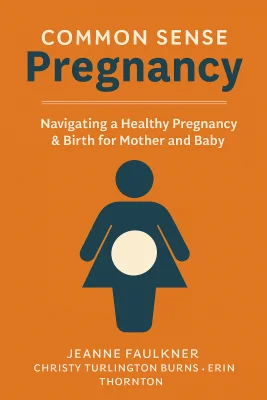
Common Sense Pregnancy
Navigating a Healthy Pregnancy & Birth for Mother and Baby
Categories
Nonfiction, Health, Parenting
Content Type
Book
Binding
Paperback
Year
2015
Publisher
Clarkson Potter/Ten Speed
Language
English
ISBN13
9781607746751
File Download
PDF | EPUB
Common Sense Pregnancy Plot Summary
Introduction
The journey to motherhood is filled with moments of wonder, excitement, and yes, uncertainty. As you navigate the transformation from woman to mother, you may find yourself bombarded with advice, statistics, and sometimes frightening stories that can overshadow the inherent joy of this miraculous time. Pregnancy and birth have somehow shifted from natural life processes to medical events, often leaving women feeling powerless and afraid. But what if there was another way? What if you could approach your pregnancy and birth with confidence rather than fear? This is possible when you arm yourself with accurate information, surround yourself with supportive people, and most importantly, trust your own instincts. Throughout these pages, you'll discover how to cut through the noise, understand your options, and embrace your unique birth journey with confidence and clarity—no matter what path your birth ultimately takes.
Chapter 1: Trust Your Instincts: The Power of Common Sense
At the heart of a confident birth experience lies a fundamental truth: you already possess the wisdom to make sound decisions for yourself and your baby. In a world of conflicting advice and information overload, common sense becomes your most reliable compass. This isn't about dismissing medical expertise but rather integrating it with your intuitive understanding of your own body. Consider Sarah's experience during her first pregnancy. After reading countless books and joining multiple online forums, she found herself paralyzed by contradictory information. Some sources insisted she needed every test available, while others suggested minimal intervention. Her anxiety mounted until her midwife offered simple advice: "Take a breath and ask yourself what feels right for your situation." This permission to trust herself was transformative. When Sarah developed mild swelling in her third trimester, rather than panicking based on worst-case scenarios she'd read online, she calmly noted her symptoms, consulted her provider, and together they determined it was within normal range for her body. The turning point came when Sarah started filtering all information through her own common sense. She began asking herself: "Does this advice apply to my specific circumstances? Does this align with what I know about my body and my pregnancy?" By doing so, she reclaimed her confidence and became an active participant rather than a passive recipient of care. Developing this common sense approach isn't complicated, but it does require intention. Start by tuning into your physical sensations without immediate judgment. Notice patterns in how your body responds to different foods, activities, and environments. When receiving advice, practice pausing before accepting it as truth. Ask questions like: What evidence supports this recommendation? Is this a universal rule or situational guidance? How does this fit with my specific health history and pregnancy? Remember that common sense doesn't mean going it alone. It means gathering information from trusted sources, considering it thoughtfully, and then making decisions that align with your values and circumstances. Your healthcare team should support this process, not dictate it. The beauty of trusting your instincts is that this skill extends far beyond birth into parenthood. The confidence you develop now in listening to your inner wisdom will serve you well when making countless decisions for your child in the years to come. This foundation of self-trust may be the most valuable preparation you can undertake for the journey ahead.
Chapter 2: Build Your Support Team: Choosing Care Providers Wisely
The people surrounding you during pregnancy and birth profoundly impact your experience. Selecting care providers isn't merely about credentials; it's about finding individuals who respect your autonomy and share your birth philosophy. Your team should enhance your confidence, not diminish it. Jessica's story illustrates how crucial this selection process can be. During her first pregnancy, she chose an obstetrician based solely on her insurance coverage and proximity to home. As her pregnancy progressed, she noticed the appointments felt rushed, her questions were often dismissed with generic responses, and she left feeling more anxious than reassured. At 30 weeks, after another unsatisfying appointment where her concerns about interventions were brushed aside, Jessica decided to interview midwives at a nearby practice. The difference was immediate and striking. The midwife spent nearly an hour discussing Jessica's birth preferences, explaining options with balanced information, and genuinely listening to her fears and hopes. Making the switch wasn't easy at that stage, but Jessica describes it as "the decision that transformed my birth experience from something I feared to something I embraced." With her new provider, she felt seen as a whole person, not just a collection of symptoms to manage. This relationship gave her the confidence to navigate the unexpected when her labor began two weeks early. Building your ideal support team starts with honest self-reflection. Consider what you value most in your care: Is it shared decision-making? Evidence-based practices? Availability of specific pain management options? Experience with particular birth scenarios? Once clear on your priorities, interview potential providers with direct questions about their approach to these issues. Pay attention not just to what they say but how they respond to your questions. Do they welcome your inquiry or seem defensive? Do they take time to explain their reasoning or offer one-size-fits-all answers? Remember that your support team extends beyond medical providers. Consider whether a doula might provide valuable continuity of care and advocacy. Research shows that doula support is associated with reduced interventions and increased birth satisfaction. Think about which friends and family members truly lift you up and which might bring their own anxieties into your birth space. The right support team serves as both safety net and cheering section. They offer expertise without undermining your confidence, provide guidance without controlling your choices, and recognize that while birth is a significant medical event, it's also a profound personal transformation that deserves respect and dignity.
Chapter 3: Navigate Your Options: Making Informed Decisions
One of the most empowering aspects of modern birth is the range of choices available to women. However, this abundance of options can feel overwhelming without a framework for decision-making. Informed choice isn't about having all the answers; it's about understanding your alternatives and their implications for your unique circumstances. Megan's experience demonstrates how navigating options thoughtfully can transform potential crisis points into empowered moments. At 39 weeks, her doctor suggested induction due to the baby measuring large on ultrasound. Initially panicked by the sudden change to her birth plan, Megan remembered the decision-making process she'd learned: Benefits, Risks, Alternatives, Intuition, Nothing (BRAIN). Instead of immediately agreeing, she asked about the benefits of induction in her situation, the risks of both proceeding and waiting, what alternatives existed, and then checked in with her intuition. She also asked what would happen if they did nothing for another week. Through this conversation, Megan learned that while her baby was measuring above average, the ultrasound had a significant margin of error. The main risk of waiting was the theoretical increased chance of shoulder dystocia, but her pelvis showed no anatomical concerns. Alternatives included waiting for spontaneous labor while monitoring fetal movement closely. After weighing everything, Megan chose to wait another week with twice-weekly check-ins. She went into spontaneous labor at 40+3 and delivered her 8lb 9oz baby without complications. Navigating your options effectively requires preparation before key decision points arise. Start by learning about standard procedures and interventions in your birth setting. For each, understand not just what it is, but why and when it might be suggested, what alternatives exist, and the implications of declining. This knowledge becomes particularly valuable in time-sensitive situations. When faced with a decision, remember that few choices in normal birth are truly emergencies requiring immediate action without discussion. Most allow time for questions and consideration. Develop the habit of asking: "Is this urgent, or do we have time to discuss it?" and "What would happen if we waited an hour/day/week before deciding?" It's also essential to recognize that informed choice isn't about rejecting all interventions. Sometimes the most empowered decision is to accept medical assistance when needed. The key difference is whether you're actively participating in the decision rather than passively complying. Throughout this navigation process, maintain open communication with your care providers. The goal isn't to create an adversarial relationship but to establish mutual respect where both your knowledge of your body and their clinical expertise are valued in reaching decisions that feel right for your birth journey.
Chapter 4: Prepare Your Body and Mind: Wellness Strategies
Preparation for birth extends far beyond packing a hospital bag or taking childbirth classes. True readiness involves nurturing your physical health and cultivating mental resilience—both essential companions for the journey ahead. Emily discovered the power of this comprehensive preparation during her second pregnancy. After a difficult first birth that left her feeling traumatized, she was determined to approach this experience differently. Beginning in her second trimester, Emily committed to daily practices that nourished both body and mind. Physically, she integrated prenatal yoga three times weekly, focusing on poses that strengthened her pelvic floor and improved her posture and balance. She worked with a nutritionist to develop an eating plan rich in nutrients that supported her changing body while managing her persistent morning sickness. The mental preparation proved equally valuable. Emily practiced meditation for just ten minutes daily, gradually increasing her ability to remain present during discomfort—a skill that would serve her well during contractions. She also addressed the fears lingering from her previous birth through sessions with a therapist specializing in birth trauma. "I realized I was carrying tension in my body from memories of my first experience," Emily explained. "Releasing those fears created space for new possibilities." When labor began, Emily drew on these months of preparation. The breathing techniques that had become second nature helped her remain calm during early labor. The strength she'd built allowed her to move freely and find comfortable positions. Most significantly, the mindfulness practice enabled her to stay present with each contraction rather than becoming overwhelmed by anticipating the next one. Creating your own preparation strategy begins with assessing your current wellness baseline. Consider your physical strengths and areas that might benefit from attention. Pregnancy-specific exercise classes can improve circulation, reduce common discomforts, and prepare key muscle groups for birth. Nutrition deserves special focus—aim for nutrient-dense foods that provide sustained energy rather than temporary boosts followed by crashes. For mental preparation, explore techniques that resonate with your temperament. Some women find hypnobirthing or guided imagery effective for managing pain and anxiety. Others prefer affirmation practices or mindfulness meditation. Whatever approach you choose, consistency matters more than duration. Even five minutes of daily practice builds neural pathways that become accessible during labor. Remember that preparation isn't about controlling every aspect of birth. Rather, it's about creating a foundation of wellness that enhances your body's natural capabilities and builds the mental resilience to navigate whatever path your birth takes. This balanced approach acknowledges both the physical realities of birth and the powerful mind-body connection that influences how we experience them.
Chapter 5: Embrace the Experience: Labor Reality and Coping
Labor represents one of the most intense physical experiences a woman's body can undergo, yet it's also a profoundly natural process for which your body is exquisitely designed. Understanding the realities of labor and developing effective coping strategies allows you to work with this power rather than against it. Alicia's labor journey illustrates how embracing rather than resisting the process can transform the experience. As a first-time mother, Alicia had prepared diligently, learning various pain management techniques and creating a detailed birth plan. When contractions began, she initially attempted to control the experience, tensing against each wave of sensation and becoming increasingly frustrated as the pain intensified beyond her expectations. Her doula gently suggested a shift in perspective: "Instead of fighting each contraction, try meeting it with curiosity." This simple reframing changed everything. Alicia began approaching each contraction as information rather than an enemy to overcome. She noticed how the sensations built, peaked, and released, and how her body naturally sought different positions as labor progressed. When transition hit—that intense phase before pushing—she drew on the visualization technique she'd practiced, imagining each contraction as a wave she could ride rather than a wall she had to break through. This embrace of the experience didn't eliminate pain, but it transformed Alicia's relationship with it. "It was still the most physically challenging thing I've ever done," she shared, "but I stopped fighting it and started working with it. That made all the difference." Developing your own approach to embracing labor begins with understanding its normal physiological progression. Familiarize yourself with how contractions typically evolve, what transition feels like, and the natural ebbs and flows of the process. This knowledge helps distinguish between normal intensity and complications requiring intervention. Assemble a diverse toolkit of coping strategies, recognizing that different techniques work at different stages of labor. Deep breathing and relaxation may be sufficient early on, while vocalizing, movement, or hydrotherapy might become essential as intensity increases. If you choose medication for pain management, understanding its optimal timing can maximize effectiveness while minimizing potential side effects. Your environment significantly impacts your ability to cope. Consider what elements help you feel safe and relaxed—perhaps dim lighting, favorite music, freedom of movement, or the presence of specific support people. Communicate these preferences clearly to your birth team in advance. Remember that embracing labor doesn't mean committing to one particular birth experience. It means remaining flexible and responsive to your unique journey. The goal isn't a perfect performance but rather an experience where you feel present, supported, and engaged in this remarkable threshold between pregnancy and parenthood.
Chapter 6: Adapt to Change: Handling Unexpected Situations
Birth plans offer valuable guidance, but birth itself often follows its own unpredictable course. Your ability to adapt when circumstances shift unexpectedly may ultimately determine how you experience and remember your birth story. Lisa's birth journey powerfully demonstrates this principle of adaptation. After a healthy pregnancy, she had carefully planned a natural birth at a freestanding birth center with her midwife. Her labor began spontaneously at 39 weeks and progressed normally until about 7 centimeters dilation, when her midwife noticed concerning patterns in the baby's heart rate. After trying position changes and oxygen without improvement, her midwife recommended transfer to the nearby hospital. Initially devastated by this deviation from her plan, Lisa found herself facing a critical choice: resist the change and remain emotionally attached to her original vision, or adapt to the new reality with the same mindfulness she'd planned to bring to her birth center experience. With her doula's support, she chose adaptation. "I realized my goal wasn't actually to give birth in a specific location," Lisa reflected. "My goal was to bring my baby safely into the world while feeling respected and supported. That could happen anywhere." At the hospital, Lisa continued making informed choices within her new circumstances. She consented to continuous monitoring but requested a wireless unit that allowed movement. When her labor stalled, she accepted pitocin augmentation after discussing the benefits, risks, and alternatives. Throughout these changes, she maintained her focus on staying present and connected to the birth process. Her daughter was born vaginally after 22 hours of labor—not the birth she had planned, but one she describes as "empowering because I remained an active participant even when the script changed completely." Developing your own capacity for adaptation begins with acknowledging that uncertainty is inherent in birth. While preparing your preferences, simultaneously cultivate a mindset that can flex when necessary. Consider asking yourself: "If X doesn't go as planned, how might I still incorporate elements that matter most to me?" When unexpected situations arise, the STOP technique can be valuable: Stop, Take a breath, Observe what's happening without immediate judgment, and then Proceed with a thoughtful response rather than a reactive one. This pause, even if brief, creates space to process information and maintain your role in decision-making. Remember that adaptation isn't the same as abdication. You can adapt to changed circumstances while still advocating for your core needs and values. If intervention becomes necessary, you can request that it be performed with sensitivity to your emotional experience—explaining procedures before they happen, maintaining privacy when possible, and acknowledging the emotional impact of the change. The most resilient birth experiences often come not from perfectly executed plans but from women who remain engaged and present through both the expected and unexpected aspects of their journey. This adaptability becomes another valuable skill that serves you well into parenthood, where change is the only constant.
Chapter 7: Recover with Grace: The Fourth Trimester
The hours, days, and weeks following birth constitute a profound yet often overlooked transition period that demands as much attention as pregnancy itself. This "fourth trimester" represents a critical time of physical healing, emotional processing, and adaptation to your new identity as a mother. Natalie's postpartum journey highlights both the challenges and opportunities of this recovery period. After a straightforward vaginal birth, she expected to bounce back quickly, having heard stories of women who "felt great right away." Instead, she found herself overwhelmed by physical discomfort, hormonal shifts, and the constant demands of newborn care. Her breaking point came on day five when, exhausted and in tears, she confessed to her partner that she felt like a failure for struggling so much. The turning point came when Natalie's midwife visited for a home check-up and normalized her experience. "Your body just did something extraordinary," the midwife explained. "It needs extraordinary care now." Together they developed a recovery plan that honored this reality. Natalie created a "recovery station" on her bedside table with water, snacks, nipple cream, and phone charger. She accepted her mother-in-law's offer to come daily for two weeks to handle household tasks while she focused on baby and self-care. Most significantly, Natalie adjusted her expectations. She recognized that her body needed healing time proportionate to the nine months it took to grow her baby. She began measuring success not by how quickly she returned to "normal" but by how well she was listening to her body's needs each day. Creating your own graceful recovery begins during pregnancy by developing realistic expectations about the postpartum period. Understand that physical healing takes time—six weeks is just the beginning for many body systems. Vaginal soreness, afterpains, breast changes, and hormonal fluctuations are normal experiences, not failures of recovery. Prepare practical support systems before birth. Stock your home with nutritious, easy-to-eat foods. Arrange help with household responsibilities. Consider who might provide emotional support during challenging moments. If possible, limit visitors who expect to be entertained rather than to provide assistance. Pay special attention to your emotional well-being during this transition. The "baby blues" affect up to 80% of new mothers due to hormonal shifts, sleep deprivation, and the enormity of the life change. These typically resolve within two weeks. However, more persistent feelings of sadness, anxiety, or disconnection may indicate postpartum depression or anxiety, which deserve prompt professional attention. Reaching out for help demonstrates strength, not weakness. Remember that recovering with grace doesn't mean recovering perfectly. It means honoring your body's journey, celebrating small victories, practicing patience with yourself, and finding beauty amid the messiness of this transition. Like birth itself, postpartum recovery unfolds in its own time and in its own way. Your task is simply to provide the supportive conditions for this natural process to unfold.
Summary
Throughout these pages, we've explored the path to a confident birth—from trusting your instincts and building a supportive team to preparing your body and mind, embracing the experience, adapting to change, and recovering with grace. Each element contributes to a birth journey that honors both the universal patterns of labor and your unique needs as an individual woman. As one mother so beautifully expressed in her birth story, "I discovered that confidence doesn't come from controlling every aspect of birth, but from knowing I could handle whatever came my way." Today, I invite you to take one small step toward the confident birth you deserve. Whether that means researching care providers who align with your values, starting a daily relaxation practice, or simply acknowledging your fears so they can be addressed—begin where you are with what you have. Your journey to motherhood is already underway, and with each mindful choice, you're creating not just a birth experience but a foundation of self-trust that will serve you throughout parenthood and beyond.
Best Quote
Review Summary
Strengths: The book is praised for being thorough, easy to read, and providing balanced perspectives on pregnancy-related decisions without pushing an agenda. It is noted for its informative content and non-judgmental tone, making it a recommended first read for expectant mothers.\nWeaknesses: The review criticizes the book for not fully cutting through typical advice, being written from a medical perspective, and having a mildly condescending tone. It also notes the book's American-centric viewpoint, which may not be suitable for readers outside the U.S.\nOverall Sentiment: Mixed\nKey Takeaway: The book serves as a comprehensive and balanced guide for expectant mothers, offering valuable insights into pregnancy decisions. However, its medical tone and American focus may limit its appeal for some readers.
About Author

Jeanne Faulkner
Faulkner connects the intricacies of women's health and personal narrative through her dual expertise in nursing and writing. Her career is anchored in a rich background as a registered nurse specializing in obstetrics and neonatal care, which informs her literary themes. Faulkner’s writing emphasizes practical, compassionate advice on pregnancy and parenting, drawing on her 20 years of night shifts as a labor and delivery nurse. Her work is characterized by the precise documentation of intimate human experiences, a skill honed in clinical settings. \n\nHer transition from healthcare to writing was marked by resilience in the face of a personal health crisis, propelling her into journalism and authorship. Jeanne Faulkner began her writing career by contributing to notable publications such as "Fit Pregnancy" and the Huffington Post, where her columns provided accessible, medically-informed guidance to parents. Her notable book, Common Sense Pregnancy: Navigating a Healthy Pregnancy and Birth, showcases her ability to demystify complex medical information, providing a resource that benefits expectant and new parents with its blend of medical authority and practical insight. \n\nBeyond authoring articles and books, Faulkner mentors aspiring writers, sharing her extensive knowledge of the publishing industry and fostering new creative voices. This focus on mentorship complements her advocacy for maternal health as a senior writer for Every Mother Counts, reinforcing her impact on both individual readers and the broader field of women's health. Her bio is a testament to her dual dedication to healthcare and storytelling, offering invaluable insights to audiences seeking guidance in pregnancy, childbirth, and parenting.
Read moreDownload PDF & EPUB
To save this Black List summary for later, download the free PDF and EPUB. You can print it out, or read offline at your convenience.
Common Sense Pregnancy
by Jeanne Faulkner
