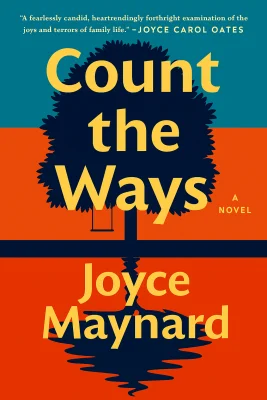
Count the Ways
Categories
Fiction, Audiobook, Historical Fiction, Marriage, Family, Book Club, Contemporary, Coming Of Age, Literary Fiction, Family Drama
Content Type
Book
Binding
Paperback
Year
2022
Publisher
William Morrow Paperbacks
Language
English
ASIN
0062398288
ISBN
0062398288
ISBN13
9780062398284
File Download
PDF | EPUB
Count the Ways Plot Summary
Introduction
# Roots and Branches: A Mother's Journey Through Loss and Letting Go The ancient ash tree had stood sentinel over the farm for three centuries, its massive trunk scarred by lightning, its branches reaching toward heaven like arthritic fingers. Eleanor pressed her granddaughter Louise closer as the wedding guests scattered, the thunder of the falling giant still echoing across the field. Old Ashworthy had finally surrendered, crashing down on the very day her family gathered to celebrate new love. This was how catastrophe announced itself in Eleanor's life—with theatrical flourishes that revealed deeper truths. The tree's fall marked the end of one story and the beginning of another, just as the drowning accident twenty years earlier had shattered her perfect family into fragments she was still learning to piece together. From the young woman who first discovered this farm at a dead-end road to the grandmother watching her son marry the love of his life, Eleanor's journey had been carved by loss, shaped by letting go, and ultimately redeemed by the stubborn persistence of love.
Chapter 1: The Farm at Road's End: Eleanor's New Beginning
Eleanor was twenty when she first drove down that dirt road to nowhere, her secondhand Toyota kicking up dust clouds that settled on wild blackberry bushes. The real estate agent, Ed Abercrombie, seemed puzzled by this young woman with bitten fingernails and urgent eyes, but he showed her the old Murchison place anyway. Her parents had died in a car crash when she was sixteen, leaving her with insurance money and a hollow ache where family used to be. The farmhouse sat like something from a fairy tale, weathered clapboard siding and a stone foundation that had weathered decades of New England winters. But it was the tree that captured her—Old Ashworthy, massive and ancient, its trunk so wide three people couldn't wrap their arms around it. Ed claimed it had survived the hurricane of 1938, and Eleanor believed him. This tree had witnessed generations of births and deaths, celebrations and sorrows. Inside, the house smelled of wood smoke and old roses. Previous owners had left behind the detritus of family life—croquet sets and fishing poles, board games and a Victrola, pencil marks on the kitchen doorframe marking children's heights over the decades. Eleanor walked through rooms that seemed to whisper stories, past a pantry lined with flowered contact paper and a "borning room" where babies had entered the world. She made a full-price offer that same day. Ed suggested negotiating, but Eleanor saw no point in dickering over what was already hers. Within a month, she was living alone at the end of the dirt road with a dog named Charlie, learning to split wood and tend a garden, drawing pictures of her fictional orphan character Bodie while slowly building the life she had always imagined other people lived. The isolation suited her perfectly. She had grown up in a house where her parents' volatile love affair left little room for anyone else, where cocktail hour began at five and sometimes ended in broken glass and shouting. Here, in the shadow of Old Ashworthy, she could finally breathe. She hung a swing from one of the tree's lower branches and spent her evenings there, Charlie at her feet, watching the sun set over her own land.
Chapter 2: Cork People and Copper Curls: Building a Family
The red-headed man appeared at a Vermont craft fair like something conjured from Eleanor's dreams. Cameron stood behind a table of hand-turned wooden bowls, his copper curls cascading to his shoulders, a goat tied to his display table and a black-eyed Susan tucked behind one ear. Eleanor had circled the fair twice before working up the courage to approach his booth, drawn by the easy confidence in his smile and the way his hands moved over the smooth wood. "I thought you'd never stop at my table," he said, extending his hand. When she picked up one of his bowls—a small piece turned from a tree burl—she found herself wanting to press it against her cheek. The wood was warm and alive somehow in her hands. "What's stopping you?" Cam asked when she mentioned this impulse. "I have a policy that if I feel like doing something, unless it's going to hurt someone, I do it." That night, in his one-room cabin overlooking a river, she drew his portrait by firelight while he posed naked and unashamed. It was the first time she had ever seen a man's body as something beautiful rather than threatening. When she finished the drawing, he cooked for her—eggs and goat cheese and herbs she couldn't identify—and they ate by candlelight on an Indian bedspread spread across the floor. Ten days later, he moved into her farmhouse with his tools, his goat, and his dog Sally. Two months after that, Eleanor was pregnant. They married that August in the field below Old Ashworthy, with Eleanor wearing a Gunne Sax dress that wouldn't fasten over her growing belly and flowers in her hair, while Cam recited Elizabeth Barrett Browning. The children came like gifts she hadn't known to ask for. First Alison, serious and watchful even as a baby. Then Ursula, who smiled before she could focus her eyes and called for family hugs. Finally Toby on Christmas Day—ten pounds of red-headed fury with webbed toes and a voice surprisingly deep for a baby. From the beginning, he was different—a strange, magical child who claimed to remember being a buffalo in a previous life and talked to God with the casual familiarity of an old friend. Those were the cork people years, when every spring brought the ritual of making tiny boats from wine corks and scraps of fabric. They would launch their miniature passengers in the brook behind the house, then run along the banks following their progress, cheering and mourning the inevitable casualties. The children grew like wildflowers in the shadow of Old Ashworthy, building forts in its branches and carving their initials in its bark.
Chapter 3: Eight Inches of Water: When Everything Changes
The pond had been Cam's idea—a swimming hole carved from their own meadow where the children could splash away the heat of summer afternoons. Eleanor watched Buck Hollingsworth's backhoe scoop earth from what had been pasture, the children dancing naked in the mud as water slowly filled the space where wildflowers once grew. Toby was four that July, fearless in the way of youngest children, always pushing boundaries his older sisters respected. He could swim well enough for shallow water, but the pond had depths that even Cam couldn't touch bottom in. Eleanor made rules—no swimming without a grown-up, always wear life jackets, stay where we can see you. Rules that worked until the day they didn't. It was supposed to be Cam's afternoon to watch the children while Eleanor worked on her comic strip "Family Tree" at the kitchen table. The heat was oppressive, turning the farmhouse into an oven and driving everyone to seek relief wherever they could find it. Cam had dozed off on the grass beside Alison, lulled by the drone of insects and the weight of the afternoon sun. Toby wandered off. Maybe he heard something interesting in the woods, or spotted a particularly promising rock for his collection. Maybe the pond simply called to him with its promise of cool water. Ursula found him first, floating face-down among the lily pads, his small body eerily still beneath the surface. Eleanor plunged into the pond without hesitation, her clothes dragging as she pulled her son's limp form from eight inches of water. His pockets were full of the rocks he always collected, their weight enough to keep him under. Cam began CPR while Alison called 911, her voice steady beyond her eight years. For endless minutes, they worked over Toby's motionless body, Eleanor rubbing his feet and whispering desperate prayers while Cam pumped his small chest. When Toby finally convulsed back to life, spitting pond water and gasping, Eleanor thought the nightmare was over. But the boy who opened his eyes was not the same child who had wandered into the water. The stones in his pockets had dragged him down and held him under just long enough to steal the brilliant mind that had made him who he was. Brain damage, the doctors explained with clinical detachment. The Toby they had known was gone.
Chapter 4: Fractured Foundations: Marriage Under Siege
The boy who came home from the hospital looked like Toby but moved through the world like a sleepwalker. The violin gathered dust in the corner. The rock collection remained untouched. Where once there had been a child who danced naked to Michael Jackson and recited the names of dinosaurs, now sat a quiet stranger who stared at his hands and spoke in whispered fragments. Eleanor watched her son's transformation with a grief so profound it felt like drowning. But worse than losing Toby was the rage that consumed her when she looked at Cam. He had been responsible. He had fallen asleep. He had failed in the most fundamental duty of a parent—keeping their child safe. Their marriage became a careful dance of avoidance. They spoke only of logistics—who would drive Toby to speech therapy, what to tell the girls about their brother's condition. The easy intimacy they'd once shared curdled into politeness, then silence. Eleanor worked longer hours, taking on freelance jobs to pay for Toby's expensive treatments. Cam retreated to his workshop, though his hands seemed to have forgotten how to shape wood into beauty. The children felt the chill between their parents like a weather front moving in. Alison, always the most perceptive, began spending more time in her room with programming books. Ursula worked overtime trying to restore family harmony, baking cookies and organizing game nights that fell flat. Only Toby seemed oblivious to the tension, content to sit on the floor arranging his rocks in patterns only he understood. Eleanor's comic strip "Family Tree" had once celebrated the chaos and joy of family life. Now she found herself unable to write about happiness she no longer felt. The syndicate canceled her contract when she could no longer produce work that captured the warmth readers expected. Another piece of their old life crumbled away. The final blow came on a winter afternoon when Eleanor drove to the farm and discovered Cam wasn't alone. Through the kitchen window, she saw him with Coco, their former babysitter, now eighteen and home from college. They were kissing with the desperate hunger of new lovers, and Eleanor understood that her marriage had been over long before either of them had the courage to say so.
Chapter 5: Empty Rooms and Distant Voices: Learning to Live Alone
The divorce negotiations felt like performing surgery on a living thing. Eleanor made a choice that would haunt her for years—she would leave the farm to Cam and find a new home for herself and the children in the city. They could visit their father on weekends while Eleanor started over in a sterile condominium in Brookline where no ghosts lurked in the corners. The children received the news with the stoic acceptance of survivors. They'd already weathered the loss of their brother's mind; another catastrophe felt almost inevitable. But Eleanor could see the blame in their eyes, especially Alison's. Their mother was the one leaving, the one breaking up their family, the one who couldn't find a way to forgive and move forward. Packing their belongings felt like dismantling a museum of their former happiness. Eleanor bought new everything for the Brookline condo—bland, practical furniture that carried no emotional weight, dishes that had never served birthday cake, beds where no children had ever crawled in for comfort during thunderstorms. The custody arrangement looked fair on paper, but Eleanor quickly learned that children vote with their feet. One by one, her kids began gravitating back to the farm like compass needles finding true north. Toby was the first to go—his brain damage made transitions difficult, and Cam had become his primary caregiver. When the children asked if Toby could live permanently at the farm, Eleanor felt her heart break all over again. Alison followed after a terrible fight over a thank-you note, a moment when Eleanor's frustration boiled over into violence. The slap she delivered to her daughter's face echoed like a gunshot through their relationship, and within hours Alison had packed her bags and called Cam to pick her up. She never came back to the Brookline condo except to collect her remaining belongings. Ursula held out the longest, her natural loyalty to her mother warring with her desire to be with her siblings. But eventually, she too chose the farm, claiming that Toby needed her help and that Coco, now pregnant with Cam's child, could use an extra pair of hands. Eleanor found herself alone in the condo she'd bought to house a family, surrounded by the detritus of good intentions—the trampoline no one used, the art supplies that gathered dust, the carefully chosen paint colors that had failed to make sterile walls feel like home.
Chapter 6: Second Act: Finding Identity Beyond Motherhood
The silence in Eleanor's condo was absolute. No morning chaos of backpacks and lost homework, no evening negotiations over vegetables and bedtime stories. She'd achieved the solitude she'd once craved during the hectic years of early motherhood, and it felt like a punishment. Her days took on a mechanical rhythm—coffee, work, more work, a solitary dinner eaten standing at the kitchen counter. She designed greeting cards with messages about family togetherness and enduring love, her pen creating images of happy mothers surrounded by adoring children. The commission checks paid her rent, but each cheerful illustration felt like a small betrayal of her own reality. The children's weekend visits became increasingly sporadic. There was always something happening at the farm—a sick goat, a school play, a camping trip with their father and stepmother. Eleanor found herself competing with organic rhythms she couldn't replicate in her sterile urban environment. How could a trip to the Museum of Science compare with bottle-feeding orphaned lambs or swimming in the pond where Toby had nearly died? But something unexpected emerged from the wreckage. Alone with her thoughts for the first time in decades, Eleanor began drawing again—not illustrations for other people's stories but images that came from somewhere deeper. The drawings became a book, then a series, then a television show that brought her more money than she'd ever imagined. "The Cork People" captured something universal about childhood adventure and the courage to venture into unknown waters. Success brought unexpected freedoms. She traveled to promote her work, spent time in Los Angeles consulting on the animated series, even had a relationship with an art dealer who introduced her to wine and culture and the possibility that she could be someone other than a mother. The children noticed her success with a mixture of pride and bewilderment. Their mother, who had once seemed so desperate for their approval, was suddenly busy with her own life. But success couldn't fill the hole where her family used to be. Late at night, in hotel rooms across the country, Eleanor would lie awake thinking about bedtime stories and birthday parties, about the weight of a sleeping child in her arms and the particular joy of watching someone you love discover something new about the world.
Chapter 7: The Tree Falls, The Family Stands: Reconciliation at the Wedding
The invitation arrived on cream-colored paper, elegant in its simplicity: Alison and Teresa requested the pleasure of her company at their wedding. Except Alison was Al now, had been for years, living as the man he'd always known himself to be. Eleanor held the invitation like a peace offering, afraid to hope it meant what she thought it might. The ceremony was to be held at the farm, the first time Eleanor would return to the land she'd signed away to keep her children's love. She drove the familiar roads with her heart hammering, past the lake where they'd skated, the fields where they'd picked berries, the waterfall where she'd first met the boy who would become her husband and later her ex-husband and finally, perhaps, something like a friend again. The farm looked both exactly the same and completely different. The house still sat in its meadow like something from a fairy tale, but there were new buildings, new gardens, signs of the life that had continued without her. Guests milled about in an unlikely mixture—tech workers from Seattle, Mexican relatives of the bride, old neighbors from the softball days. Al looked radiant in his dark suit, more himself than Eleanor had ever seen him. Teresa was beautiful and kind, welcoming Eleanor like the mother-in-law she'd never expected to have. Ursula was there with her husband and daughter—Louise, the granddaughter Eleanor barely knew but loved with an intensity that surprised her. Even Toby was there, beaming with pride at his brother's happiness, still collecting rocks, still finding joy in simple things. The ceremony was interrupted by a thunderstorm that brought down Old Ashworthy, the ancient ash tree crashing across the very ground where Eleanor had once believed she would live forever. But instead of tragedy, the moment brought clarity. They were all still here, still breathing, still capable of love and forgiveness and new beginnings. Standing in the rain afterward, looking at the fallen giant that had sheltered their lives for so long, Eleanor saw her family clearly for the first time in years. Not the perfect unit she had once tried to create, but something more resilient and real. They had all been broken in various ways, had all made mistakes and caused each other pain, but they had also survived.
Summary
The tree was gone, but what it had sheltered remained. Eleanor's journey from devoted mother to peripheral figure in her children's lives revealed the brutal mathematics of love and loss. She'd built her identity around protecting her family from harm, only to discover that the greatest dangers come from within—accidents that can't be prevented, guilt that can't be forgiven, children who grow up and choose their own version of home. In letting go of her claim to the farm, Eleanor found a different kind of strength. Sometimes love means stepping back, allowing the people you've raised to build their own lives even when those lives don't center around you. The mother who once couldn't bear to lose a Barbie shoe learned to surrender the thing that mattered most—her role as the essential figure in her children's daily existence. In that surrender, she discovered not defeat, but a harder, more honest kind of love that asks for nothing in return. The cork people, after all, never really sink—they just travel farther than you ever imagined they could go.
Best Quote
“This was always her problem, of course. That her children's sorrows became hers. She felt their pain so deeply, she hardly registered her own.” ― Joyce Maynard, Count the Ways
Review Summary
Strengths: The reviewer acknowledges the evocative setting and descriptive writing, particularly in the beginning, which effectively conveys a sense of place. The narrative successfully captures the essence of the 70s and 80s, reflecting significant cultural moments and personal experiences. Weaknesses: The reviewer expresses strong dislike for the characters, finding them unlikable and frustrating. The portrayal of family dynamics and character decisions, particularly Eleanor's, is criticized for lacking boundaries and realism, leading to a negative emotional response. Overall: The reader's sentiment is predominantly negative, despite recognizing some strengths in the setting and historical context. The reviewer does not recommend the book due to dissatisfaction with character development and narrative choices.
About Author

Joyce Maynard
Maynard investigates the intricacies of personal and family relationships, exploring how past experiences shape identity and emotional resilience. Her literary work, spanning both fiction and memoir, delves into themes of truth and vulnerability, often drawing from her own life. This approach is evident in her memoir "At Home in the World," which candidly recounts her relationship with J.D. Salinger. Similarly, her novel "Labor Day" offers a narrative rich with emotional depth and complexity, reflecting her skill in portraying the nuances of domestic life.\n\nHer ability to blend personal narratives with broader social commentary makes her writing both relatable and thought-provoking. For instance, her book "The Usual Rules" resonates with young adults and was recognized by the American Library Association as one of the best books for young readers. Through clear and accessible prose, Maynard connects with a diverse audience, engaging them with stories that illuminate personal truths and societal observations.\n\nReaders benefit from Maynard's commitment to authenticity, gaining insights into the human condition through her explorations of personal and familial dynamics. Her contributions to literature and journalism have established her as a significant voice, with adaptations of her work into films like "To Die For" further underscoring her impact. This bio highlights her diverse achievements, showing how her dedication to storytelling enriches the literary landscape and provides meaningful reflections on life.
Read moreDownload PDF & EPUB
To save this Black List summary for later, download the free PDF and EPUB. You can print it out, or read offline at your convenience.
Count the Ways
by Joyce Maynard
