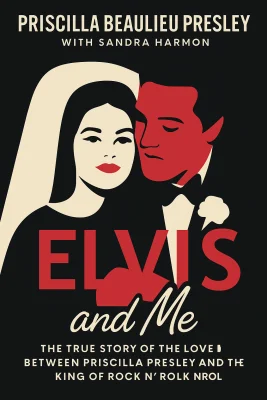
Elvis and Me
The True Story of the Love Between Priscilla Presley and the King of Rock N' Roll
Categories
Nonfiction, Biography, History, Memoir, Audiobook, Music, Romance, Autobiography, Biography Memoir, Book Club
Content Type
Book
Binding
Paperback
Year
2023
Publisher
Berkley
Language
English
ASIN
0593639561
ISBN
0593639561
ISBN13
9780593639566
File Download
PDF | EPUB
Elvis and Me Plot Summary
Introduction
In the pantheon of American cultural icons, few figures have captured the imagination quite like Elvis Presley. Yet behind the rhinestone jumpsuits and swiveling hips, behind the screaming crowds and sold-out concerts, lived a man of profound contradictions—tender yet tempestuous, generous yet guarded, revolutionary yet deeply traditional. Through the intimate lens of his closest companion, we glimpse not just the King of Rock and Roll, but the vulnerable human being who struggled to balance unprecedented fame with genuine connection. This extraordinary journey reveals three profound dimensions of an American legend. First, we witness the transformation of a shy, spiritual young man into a global phenomenon, exploring how fame both elevated and isolated him from ordinary human experience. Second, we discover the complex interplay between his public persona and private struggles, from his devotion to family to his battles with the pressures of stardom. Finally, we encounter timeless lessons about love, loyalty, and the price of dreams realized—insights that illuminate not just one man's remarkable life, but the eternal human quest for meaning, connection, and authentic self-expression.
Chapter 1: Falling for Elvis: From First Meeting to Graceland
At fourteen, Priscilla Beaulieu was just another Air Force child, accustomed to the nomadic life of military families but yearning for stability and belonging. Living in Germany with her parents, she had heard Elvis's music like millions of other teenagers, but never imagined their paths would cross. When a family friend mentioned knowing the famous soldier stationed nearby, it seemed like nothing more than casual conversation. Yet fate often arrives in the most ordinary moments. Their first meeting at his rented house in Bad Nauheim revealed a man far different from his public image. Gone was the gyrating performer; in his place sat a lonely young soldier, homesick and vulnerable, surrounded by the familiar comforts of Southern cooking and gospel music. Elvis, at twenty-four, was grappling with the loss of his beloved mother Gladys and the uncertainty of his career's future after military service. He found in this articulate, mature young girl a refreshing presence—someone untainted by the artifice of Hollywood or the desperate hunger of fame-seekers. The connection was immediate and profound. Elvis saw in Priscilla not just beauty, but a groundedness that reminded him of home, a purity that stood in stark contrast to the complexities of his celebrity world. For Priscilla, Elvis represented everything her regimented military life was not—spontaneity, passion, and a world of infinite possibilities. Their evening conversations revealed his spiritual nature, his devotion to family, and his genuine longing for normal human connection. As their relationship deepened through clandestine meetings and long telephone conversations, both recognized they were crossing into uncharted territory. Elvis's fame meant their courtship would never be conventional, while Priscilla's youth meant every moment carried the weight of her family's trust and her own uncertain future. Yet in each other's company, they found a sanctuary from their respective worlds—his of overwhelming adulation, hers of adolescent uncertainty. The decision to bring Priscilla to America represented Elvis's deepest commitment to their bond. Despite the complications it would create with her parents, the media, and his own career, he was determined not to lose this rare connection. When she finally boarded that plane to Memphis, both knew they were embarking on something far more significant than a typical romance—they were attempting to merge two very different worlds into one shared reality. Their early days at Graceland revealed the tender, protective side of Elvis that few ever witnessed. He delighted in showing her his world, from the music room where he'd play piano late into the night to the simple pleasure of family dinners with his father and grandmother. These moments of domestic tranquility would become the foundation of their relationship, even as the pressures of his career would later challenge everything they were building together.
Chapter 2: Creating His Ideal: Molding and Love in Memphis
Elvis approached their relationship with the same perfectionist intensity he brought to his music. Having grown up in a world where image mattered enormously, he was determined to guide Priscilla's transformation from teenager to sophisticated companion. This wasn't born from vanity, but from his deep desire to protect her and ensure she could navigate his complex world with confidence and grace. The makeover began subtly—suggestions about colors that complemented her eyes, encouragement to let her hair grow longer, gentle guidance about posture and presentation. Elvis had strong opinions about feminine beauty, shaped by his Southern upbringing and his years in Hollywood. He believed a woman should be elegant, mysterious, and utterly feminine. For Priscilla, eager to please and still forming her own identity, his preferences became her own. Yet beneath the surface changes lay something deeper—Elvis's need to create a companion who could understand his world while remaining untouched by its corruptions. He was simultaneously worldly and innocent, experienced yet naive about genuine intimacy. His relationship with Priscilla represented his attempt to preserve something pure in a life increasingly complicated by fame's demands and temptations. The transformation extended beyond appearance to encompass entire lifestyle changes. Late nights became the norm as they adapted to Elvis's nocturnal schedule. Graceland's rhythms revolved around his needs, his moods, his artistic impulses. Priscilla learned to read his expressions, to anticipate his needs, to provide the stability and understanding he craved. She became his confidante during career frustrations and his source of comfort during the depression that periodically overwhelmed him. This period revealed Elvis's fundamental gentleness and his commitment to what he considered proper courtship. Despite his reputation and the opportunities his fame provided, he maintained strict boundaries in their physical relationship. His old-fashioned values, instilled by his deeply religious upbringing, meant he viewed their eventual union as sacred—something worth waiting for and protecting. The education Priscilla received during these years went far beyond conventional schooling. She learned about music, both the gospel traditions that shaped Elvis's soul and the contemporary sounds that influenced his artistry. She discovered his passion for philosophy and spirituality, his endless quest for meaning beyond fame and fortune. Most importantly, she learned about loyalty, devotion, and the complex responsibility of loving someone whose life belonged as much to the public as to those closest to him.
Chapter 3: Marriage and Motherhood: Dreams vs. Reality
The wedding in Las Vegas represented both a culmination and a beginning—the formalization of a bond years in the making, yet also the start of new challenges neither had fully anticipated. Elvis's commitment to their union was absolute, but his world remained as complex and demanding as ever. Marriage brought legitimacy to their relationship, yet it also highlighted the fundamental tensions between private happiness and public obligation. The early months of married life revealed Elvis's tender, protective nature in full bloom. He delighted in their domestic moments, finding genuine peace in the simple pleasures of shared meals and quiet evenings together. Yet the entertainment industry's demands meant these interludes were precious and fleeting. Concert tours, recording sessions, and film commitments continued to structure their lives, often separating them for weeks at a time. Priscilla's pregnancy brought out Elvis's most nurturing qualities, but also his deepest anxieties. He worried constantly about her health and safety, surrounding her with medical care and attention while struggling with his own fears about fatherhood. The arrival of Lisa Marie transformed him in ways he hadn't expected, revealing reserves of tenderness and vulnerability that surprised even those closest to him. Fatherhood, however, also complicated Elvis's understanding of his relationship with Priscilla. The same reverence he felt for motherhood—shaped by his profound love for Gladys—created an emotional distance he struggled to bridge. He adored his daughter completely, yet found himself uncertain about how to maintain romantic intimacy with the woman who had become the mother of his child. This internal conflict would prove more challenging than any external pressure. The demands of his career intensified during this period, particularly with his triumphant return to live performance. Las Vegas became a second home, but one that separated him from family life for extended periods. Priscilla found herself managing the household, caring for Lisa, and maintaining the stability Elvis needed to return to, all while dealing with her own evolving needs and desires. These years tested the foundations of their relationship in ways neither had anticipated. Elvis's success brought financial security and global recognition, but it also created a lifestyle that made normal family life nearly impossible. The man who craved simple domestic happiness found himself trapped in a cycle of touring and performing that left little room for the sustained attention a marriage and young child required. For Priscilla, the isolation and responsibility began to feel overwhelming, even as she remained deeply committed to their shared life and dreams.
Chapter 4: Career Revival and Personal Decline: The Vegas Years
Elvis's return to the concert stage in 1969 represented one of the most remarkable comebacks in entertainment history. After years of mediocre films and declining record sales, he rediscovered his authentic voice as a performer, captivating audiences with a maturity and power that surpassed even his early success. The leather-clad figure who took the stage in Las Vegas bore little resemblance to the uncertain actor of his Hollywood years—this was Elvis fully realized as an artist. The success was intoxicating for everyone around him. Night after night, sold-out crowds greeted him with thunderous applause, confirming that his magnetic presence had not only survived his absence from live performance but had grown stronger. The financial rewards were unprecedented, and the critical acclaim validated his artistic instincts. For the first time in years, Elvis felt truly alive professionally, channeling his creative energy into performances that left audiences breathless. Yet this professional triumph came at an enormous personal cost. The intensity required for nightly performances, the pressure of sold-out expectations, and the adrenaline cycle of constant touring began to take their toll. Elvis started relying increasingly on prescription medications to manage the demands—stimulants to maintain his energy for shows, sedatives to find rest afterward, pain relievers for the physical strain of his demanding schedule. The Vegas lifestyle, with its artificial environment and nocturnal rhythms, created a world increasingly removed from normal human experience. Surrounded by admiring crowds and constant validation, Elvis found it difficult to maintain perspective on his life beyond the stage. The same success that revitalized his career began to isolate him from the simple pleasures and genuine relationships that had once grounded him. For Priscilla, watching from the audience night after night, the dichotomy was painful to witness. On stage, Elvis was magnificent—charismatic, powerful, completely in command of his craft. Offstage, he was increasingly restless, dependent on artificial stimulation, and unable to find satisfaction in quiet moments. The man who had once found joy in family dinners and simple conversations now seemed to need constant excitement and stimulation to feel alive. The touring schedule became relentless, keeping him away from home for weeks at a time. When he did return, he often brought the high-energy expectations of performance life with him, making it difficult to settle into domestic routines. The gap between his public success and private satisfaction continued to widen, creating tensions that would ultimately prove impossible to resolve. The very triumph that restored his artistic credibility began the process that would eventually consume him.
Chapter 5: Finding Independence: The Painful Separation
By the early 1970s, the distance between Elvis and Priscilla had become more than geographic. While he toured constantly, living in a bubble of adulation and artificial stimulation, she began discovering her own identity and capabilities. Her involvement in martial arts introduced her to a world where she was valued for her own skills and determination, not merely as an extension of Elvis's fame. For the first time since adolescence, she experienced genuine independence and personal growth. The realization that their lives were moving in different directions was gradual but inexorable. Elvis's world had become increasingly insular, dominated by prescription drugs, sycophantic companions, and the artificial highs of performance. He seemed unable to find satisfaction in the quiet moments of family life, constantly seeking the next adventure, the next distraction from whatever inner emptiness plagued him. Meanwhile, Priscilla was discovering strength and confidence she never knew she possessed. The conversation in which she told him she was leaving was perhaps the most honest moment they had shared in years. Both recognized that their relationship had become something neither had intended—a marriage in name only, maintained more by habit and history than by genuine connection. Elvis's initial shock gave way to a kind of recognition; deep down, he had sensed the growing distance but had been unable or unwilling to address it. What made their separation remarkable was the love that persisted despite their inability to make the marriage work. Unlike many celebrity divorces filled with acrimony and public battles, theirs was conducted with dignity and mutual respect. Both understood that their failure was not due to lack of love but to circumstances that had made genuine intimacy nearly impossible. They had grown into different people with different needs, and neither could provide what the other required for happiness. The practical arrangements of their divorce reflected their continued care for each other and their shared commitment to Lisa's wellbeing. Rather than fighting over custody or finances, they worked together to ensure their daughter would feel secure and loved by both parents. Elvis's generosity in the settlement was characteristic—he wanted Priscilla to have financial security as she began her independent life. Perhaps most tellingly, Elvis never picked up his copy of the divorce papers. Even after their marriage officially ended, he seemed unable to fully accept its finality. Their connection had been so profound, had shaped both their lives so completely, that its legal termination felt almost irrelevant. They would remain deeply important to each other until the end of his life, bound by shared history, mutual respect, and a love that had simply outgrown the confines of traditional marriage.
Chapter 6: Final Days and Legacy: A Complex Man Remembered
The years following their divorce revealed both Elvis's deepest struggles and his most endearing qualities. Professional success continued—his concerts still sold out, his records still topped charts—but personal fulfillment remained elusive. He cycled through relationships seeking the connection he had shared with Priscilla, yet seemed unable to recreate that unique bond. His increasing reliance on prescription medications became a source of concern for everyone who cared about him. Yet even in his declining health, Elvis's generosity and fundamental kindness remained constant. He continued supporting extended family members, helping friends in need, and treating his staff with genuine affection. His spiritual seeking intensified during these years, as he searched various philosophies and beliefs for answers to questions that seemed to have no earthly solutions. The man who could command any stage in the world remained, at heart, a searcher looking for meaning and peace. His relationship with Lisa remained one of his greatest joys and deepest sources of motivation. Despite his chaotic schedule and declining health, he made every effort to be present in her life, showering her with attention and affection during their times together. She represented his hope for the future and his connection to something beyond the artificial world of entertainment that had both elevated and imprisoned him. The phone calls with Priscilla during this period revealed a man who understood his own limitations while remaining unable to overcome them. He spoke honestly about his mistakes, acknowledged the life they might have built together under different circumstances, and expressed genuine happiness about her growing independence and success. Their mature friendship stood as testament to the deep bond they had always shared, even when marriage had become impossible. When death came in August 1977, it shocked the world but surprised few of those closest to him. The combination of physical exhaustion, emotional turmoil, and chemical dependency had been building toward crisis for years. Yet even in his final decline, those who knew him best remembered not the troubled performer but the generous, seeking, fundamentally decent man who had touched so many lives with his music and his heart. His funeral revealed the scope of his impact—not just on popular culture, but on individuals around the world who felt a personal connection to his music and his story. The grief was genuine and profound, reflecting the unique place he had occupied in American life. He had been more than an entertainer; he had been a symbol of possibility, rebellion, and the pursuit of dreams against impossible odds. His legacy would prove as complex and enduring as the man himself.
Summary
Elvis Presley lived the ultimate American paradox—achieving unprecedented success while struggling with the very isolation that fame created. His story reminds us that public triumph and private happiness operate by different rules, and that the qualities that make someone extraordinary as an artist may complicate their ability to find peace as a human being. Through Priscilla's intimate perspective, we see that behind the legend lived a man of profound contradictions: generous yet needy, spiritual yet self-destructive, capable of deep love yet unable to sustain the quiet intimacy that love requires. Perhaps the most valuable lesson from Elvis's journey lies in understanding the difference between authentic connection and the artificial validation that success can provide. His happiest moments came not from sold-out concerts or chart-topping records, but from simple human connections—late-night conversations, family gatherings, and quiet moments of genuine understanding. For anyone pursuing their dreams, his story serves as both inspiration and warning: success without authentic relationships is ultimately hollow, and the pursuit of perfection can become the enemy of genuine happiness and lasting love.
Best Quote
“Over the years he became my father, husband, and very nearly God. Now he was gone and I felt more alone and afraid than ever in my life.” ― Priscilla Beaulieu Presley, Elvis and Me: The True Story of the Love Between Priscilla Presley and the King of Rock N' Roll
Review Summary
Strengths: The review highlights Priscilla's honesty and willingness to share personal insights into her relationship with Elvis, which were previously only speculated upon. The book is described as a must-read for Elvis fans, providing a unique perspective on his life and character. Weaknesses: The book is criticized for lacking detail and depth, skipping over significant periods and failing to fully explore the complexities of Elvis and Priscilla's relationship. The reviewer suggests that this superficiality might be intentional to preserve Elvis's reputation. Overall: The review presents a mixed sentiment. While acknowledging Priscilla's courage in sharing her story, it criticizes the book's lack of depth. The recommendation is strong for Elvis fans, but the book may not satisfy those seeking a comprehensive analysis of their relationship.
About Author

Priscilla Beaulieu Presley
Presley investigates the intersection of personal experience and public life, capturing the unique challenges and rewards of navigating both realms. Her role as the ex-wife of iconic musician Elvis Presley and mother to singer Lisa Marie Presley situates her within a distinctive cultural and familial narrative. This position allows her to explore themes of identity, celebrity, and personal transformation, which resonate through her work in various creative fields, including modeling, acting, and writing.\n\nIn her writing, Presley synthesizes personal anecdotes with broader cultural reflections, thereby offering readers insights into her experiences. Her approach to storytelling bridges her multifaceted career, providing a candid look into her life while highlighting universal themes of love, resilience, and reinvention. Readers gain a deeper understanding of the dynamics between personal and public identities, enriching their perspective on the complexities faced by those in the limelight.\n\nThe author’s work benefits those interested in exploring the nuanced interactions between fame and personal growth. Through her books and public persona, Presley offers a unique vantage point on the intricacies of maintaining authenticity amid public scrutiny. This short bio underscores her ability to transform personal narratives into relatable stories, making her experiences accessible and impactful for a diverse audience.
Read moreDownload PDF & EPUB
To save this Black List summary for later, download the free PDF and EPUB. You can print it out, or read offline at your convenience.

Elvis and Me
by Priscilla Beaulieu Presley
