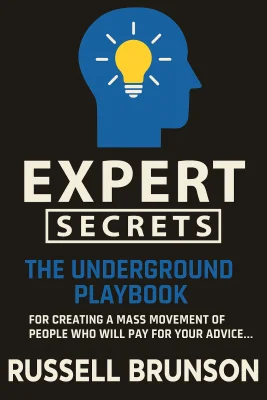
Expert Secrets
The Underground Playbook for Creating a Mass Movement of People Who Will Pay for Your Advice
Categories
Business, Nonfiction, Self Help, Psychology, Finance, Leadership, Entrepreneurship, Money, Personal Development, Buisness
Content Type
Book
Binding
Kindle Edition
Year
2020
Publisher
Hay House Business
Language
English
ASIN
B089RPNQFX
ISBN13
9781683504597
File Download
PDF | EPUB
Expert Secrets Plot Summary
Introduction
Have you ever felt like you have something important to share with the world, but struggled to find your voice or build an audience who truly listens? Perhaps you've watched other experts command attention and wondered how they transformed their knowledge into movements that change lives. The truth is, becoming an influential expert isn't about having the most credentials or being the smartest person in the room—it's about understanding how to connect with people through authentic stories and creating genuine opportunities for transformation. In today's noisy digital landscape, people are drowning in information but starving for real connection and meaningful change. They don't need another teacher; they need a guide who has walked the path before them and can show them a better way forward. This journey will reveal how to package your unique experiences, insights, and expertise into a compelling message that not only attracts devoted followers but creates lasting impact in their lives while building a thriving business around your passion.
Chapter 1: Create Your Charismatic Leader Identity
Becoming a charismatic leader isn't about being born with special powers or having a larger-than-life personality. It's about understanding that people are drawn to authenticity, vulnerability, and the courage to share both your victories and your struggles. True leadership emerges when you shift from focusing solely on your own growth to contributing to others' transformation. Consider the story of Russell Brunson, who started as a shy college wrestler with no marketing background, barely scraping by financially while his wife worked multiple jobs to support them. He wasn't a natural-born leader or even particularly confident when speaking to groups. What changed everything was his willingness to share his journey authentically, including his failures, fears, and the painful moments of uncertainty. Instead of positioning himself as someone who had always been successful, he revealed how he once felt like a failure as a husband because his wife was supporting him while he chased his entrepreneurial dreams. The breakthrough came when Russell realized that his struggles were actually his greatest assets as a leader. His story of going from a broke college student selling potato gun DVDs to building multi-million dollar businesses wasn't just inspiring—it was relatable. People could see themselves in his early struggles and believe that if he could transform his circumstances, so could they. This vulnerability didn't diminish his authority; it amplified it by creating an emotional bridge between where his audience was and where they wanted to go. To develop your charismatic leader identity, start by embracing your backstory with all its imperfections. Your struggles, failures, and moments of doubt aren't weaknesses to hide—they're the foundation of your credibility and connection with others. Next, cultivate absolute certainty in your message by consistently sharing your expertise and refining your voice through daily practice. Whether through writing, speaking, or creating content, the more you express your ideas, the more confident and certain you'll become. Remember that charismatic leaders aren't boring. They take polarizing positions that attract true believers while naturally repelling those who aren't aligned with their message. Don't be afraid to challenge conventional wisdom or present ideas that sit between mainstream acceptance and the "crazy zone." This is where innovation thrives and where you'll find your most passionate followers. Your transformation into a charismatic leader begins with accepting that you already have something valuable to offer. The question isn't whether you're qualified to lead—it's whether you're willing to step into that role and serve others with your unique gifts and experiences. The world needs what you have to share, and it's your responsibility to find the courage to share it.
Chapter 2: Craft a Compelling Future-Based Cause
Every powerful movement is built on hope—the vision of a better future that compels people to take action and make changes in their lives. Your cause isn't just about what you do; it's about the transformation you facilitate and the destination you help people reach. People need something bigger than themselves to believe in, a cause that gives meaning to their struggles and direction to their efforts. The most successful movements tap into people's deepest desires for change while addressing their fears about staying stuck in their current situation. Russell discovered this when creating the rallying cry "You're Just One Funnel Away" for his ClickFunnels community. Initially, he tried to complete the sentence with specific outcomes like "rich" or "successful," but realized that by leaving it open-ended, each person could project their own dreams and aspirations onto the message. This simple phrase became incredibly powerful because it allowed everyone to see their personal vision of success within the broader movement. The beauty of this approach was that it created both hope and urgency. People could envision themselves being just one breakthrough away from their dreams, whether that meant quitting their job, achieving financial freedom, or finally sharing their message with the world. The cause wasn't about selling software; it was about helping people bridge the gap between their current reality and their desired future through a specific vehicle for change. To craft your compelling cause, start by identifying where your audience currently is and where they desperately want to be. Paint a vivid picture of their transformed life that feels both achievable and exciting. Help them see that their current struggles aren't permanent fixtures but temporary obstacles that can be overcome with the right guidance and tools. Your cause should give them permission to dream bigger while providing a concrete path forward. Create moments where people can identify themselves as part of your movement. Develop language, symbols, or mantras that help them declare their membership in something meaningful. This might be as simple as "I am a..." statement that connects them to your mission and to each other. When people can proudly identify with your cause, they become advocates who naturally attract others to your movement. Your future-based cause should serve as a lighthouse that guides people through uncertainty and motivates them during challenging times. It's not enough to criticize what's wrong with the status quo; you must illuminate the path toward something better and help people believe that transformation is not only possible but inevitable when they commit to following your lead.
Chapter 3: Offer a New Opportunity, Not Improvements
One of the biggest mistakes experts make is trying to improve existing solutions rather than creating entirely new opportunities for their audience. People are naturally resistant to improvement offers because they require admitting past failures and often remind them of previous unsuccessful attempts. Instead of fighting an uphill battle against these psychological barriers, smart experts create new opportunities that allow people to step into something fresh and exciting. The power of this approach becomes clear when you consider Steve Jobs' introduction of the iPod. Instead of positioning it as a better CD player or an improved MP3 device, he created an entirely new opportunity: carrying your entire music library in your pocket. This wasn't about incremental improvement; it was about fundamental transformation of how people experienced music. People didn't need to admit that their current music devices were inadequate—they could simply step into this revolutionary new opportunity. Russell experienced this principle firsthand when he realized that websites weren't enough for online business success; people needed sales funnels. Rather than trying to help people build better websites (an improvement offer), he introduced the concept of funnel building as a completely new opportunity. This shift in positioning transformed everything because it removed the pain of admitting that their current approach wasn't working and instead invited them into an exciting new methodology that promised better results. New opportunities work because they trigger different psychological responses than improvement offers. They create discovery excitement rather than failure acknowledgment, generate curiosity instead of resistance, and replace old dreams with new possibilities. When someone discovers a new opportunity, they can maintain their dignity while still choosing to move forward with change. To create your new opportunity, step back from your submarket and identify what people are currently using to achieve their desired results. Then position your solution not as a better version of what exists, but as a fundamentally different approach that makes the old way obsolete. This might involve changing the methodology, the timeline, the required skills, or the underlying philosophy behind achieving the outcome. Focus on creating what's called a "blue ocean" rather than competing in the bloody red ocean of identical solutions. Your new opportunity should be so distinctive that it attracts people away from existing alternatives rather than forcing you to compete directly with established players. This positioning not only makes your marketing more effective but also allows you to charge premium prices because you're not a commodity competing solely on cost.
Chapter 4: Master the Art of Storytelling
Stories are the most powerful tool you have for creating belief and inspiring action in your audience. While facts and logic might support your arguments, stories create the emotional connection necessary to motivate real change. The key isn't just telling any story—it's crafting "Epiphany Bridge" stories that take your audience through the same emotional journey that led to your breakthrough insights. Think about Russell's potato gun story, which became one of his most powerful teaching tools. He didn't just explain how sales funnels work or list their benefits. Instead, he told the story of being a broke college wrestler, learning to make potato guns during spring break, creating a simple DVD to sell online, and then discovering how adding an upsell transformed his failing business into a profitable one. This story created an epiphany for listeners because they experienced his journey of discovery rather than just hearing his conclusions. The most effective stories follow a specific structure that guides people from skepticism to belief. You start with a relatable situation that mirrors your audience's current circumstances, introduce a challenge or obstacle that threatens your desired outcome, then reveal the moment of insight that changed everything. The key is making your audience feel what you felt during each stage of the journey, using specific details that help them visualize and emotionally experience your transformation. Master storytellers understand that the goal isn't entertainment—it's conversion. Every story you tell should systematically break down false beliefs that keep your audience stuck while building up new beliefs that make your solution inevitable. When someone experiences your epiphany through your story, they don't need to be convinced to buy; they convince themselves because they've felt the truth of your message. Practice the art of simplification by explaining complex concepts at a third-grade level and using "kinda like" bridges to connect new ideas to familiar experiences. Paint emotional pictures by describing not just what happened, but how you felt during crucial moments. Help your audience experience the weight on your shoulders, the pit in your stomach, or the excitement in your chest as breakthrough moments occurred. Remember that people buy based on emotion and then justify with logic. Your stories create the emotional foundation for their decision, while the features and benefits of your offer provide the logical justification they need to feel good about moving forward. Master this combination, and you'll find that selling becomes a natural extension of sharing your authentic experiences and insights.
Chapter 5: Break and Rebuild Belief Patterns
Before anyone can embrace your new opportunity, they must first release the limiting beliefs that keep them trapped in their current situation. Most people carry deeply ingrained false beliefs about what's possible for them, what they're capable of achieving, and what obstacles are insurmountable. Your job as an expert is to systematically identify these false beliefs and replace them with empowering truths through carefully crafted stories. Russell discovered this principle when he realized that simply explaining how funnels work wasn't enough to get people to take action. Even after understanding the concept intellectually, people would hold back because of underlying beliefs like "I'm not technical enough to build a funnel," "I don't know how to drive traffic," or "This might work for others but not for my industry." Each of these beliefs required its own story to demolish and rebuild. The process works by taking people through the same belief transformation you experienced. You share a story where you once held the same limiting belief, describe the experience that shattered that belief, and reveal the new truth that emerged. When people hear how you overcame the exact same doubts and fears they're experiencing, they begin to believe that change is possible for them too. Effective belief pattern interruption requires understanding the three levels where false beliefs operate. First, there are beliefs about your new opportunity itself—whether it actually works and is right for them. Second, there are internal beliefs about their own capabilities and worthiness. Third, there are external beliefs about outside forces that might prevent their success. Each level requires specific stories and evidence to overcome. The most powerful belief changes happen when people reach their own conclusions rather than being told what to think. Your stories should lead people to the right insights without explicitly stating the moral of the story. When someone connects the dots themselves and has their own "aha moment," they own that new belief in a way that external persuasion can never achieve. Structure your belief-breaking stories using the hero's journey format, where you start in a relatable situation, face seemingly insurmountable obstacles, discover new insights or methods, and ultimately achieve transformation. This pattern resonates deeply because it mirrors the journey your audience wants to take, giving them confidence that they too can overcome their challenges and achieve their desired outcomes.
Chapter 6: Structure Your Perfect Presentation
The most successful experts understand that presenting isn't about sharing everything they know—it's about strategically guiding people through a specific belief transformation that leads to inevitable action. Your presentation structure should focus on one core belief shift while systematically addressing the false beliefs that would prevent your audience from embracing your solution. Russell developed the Perfect Webinar structure after years of testing different approaches and discovering that the most effective presentations follow a predictable pattern. The framework begins by building rapport and introducing the new opportunity, then delivers three "secrets" that demolish the primary false beliefs holding people back, and concludes with an irresistible offer that makes taking action the logical next step. The brilliance of this structure lies in its psychological sophistication. Rather than trying to teach people everything they need to know, you focus on creating the internal shifts necessary for them to want to learn more. Each secret doesn't introduce new concepts to believe in; instead, it breaks down existing barriers that prevent them from believing in your one core message. When all three false beliefs crumble, your main opportunity becomes undeniably attractive. The content section of your presentation should feel educational while actually being transformational. You're not teaching tactics and strategies—you're sharing epiphany-inducing stories that shift people's perception of what's possible. This approach creates much stronger emotional investment than traditional teaching methods because people experience internal breakthroughs rather than just acquiring new information. Your transition from content to offer should feel natural and welcomed by your audience. After breaking down their false beliefs and helping them see new possibilities, they actually want to know how they can move forward. The key is asking permission to share your solution rather than abruptly shifting into sales mode. When people give you permission to present your offer, they're already mentally prepared to consider investing. Structure each presentation to build momentum toward a single moment of decision. Every story, every revelation, every piece of evidence should contribute to making your offer feel like the obvious next step. By the time you reveal what you're selling, your audience should feel like you've been reading their minds and addressing their exact needs and concerns throughout the entire presentation.
Chapter 7: Fill Your Funnel with Dream Customers
The final piece of building your expert empire is consistently attracting qualified prospects who are ready to hear your message and invest in your solutions. Rather than trying to create traffic from scratch, focus on identifying where your ideal customers are already congregating online and finding ways to redirect their attention to your new opportunity. The Dream 100 strategy revolutionizes how you think about customer acquisition by recognizing that your perfect prospects are already following other influencers, reading specific blogs, listening to certain podcasts, or engaging with particular social media accounts. Instead of competing with these established authorities, you can collaborate with them or target their audiences directly through advertising platforms. Russell applies this principle by identifying list owners, bloggers, podcasters, and social media influencers who already have the attention of his ideal customers. He then systematically builds relationships with these people through interviewing them, promoting their work, and finding ways to add value to their projects. These relationships often lead to promotional opportunities that can instantly expose him to thousands of qualified prospects. The key to success with this approach is starting your relationship-building efforts long before you need them. Dig your well before you're thirsty by following your Dream 100, engaging with their content, and looking for opportunities to serve them. When the time comes to ask for their support in promoting your message, you'll already have established trust and mutual value rather than approaching them as a stranger with a request. Modern advertising platforms allow you to target the followers and fans of specific influencers even when those influencers won't promote you directly. You can create targeted campaigns that reach people who follow Tony Robbins, subscribe to specific business podcasts, or engage with particular YouTube channels. This gives you access to highly qualified audiences without requiring direct partnerships. The most sophisticated approach involves integration marketing, where you find ways to weave your offers into the natural sales flow of your Dream 100. This might involve creating joint products, offering complementary services, or finding placement opportunities within their existing funnels. These integrated approaches create ongoing customer flow rather than one-time promotional spikes, building sustainable growth for your expert business over time.
Summary
Building a successful expert business isn't about having perfect credentials or revolutionary ideas—it's about courageously sharing your authentic journey while systematically helping others overcome the same obstacles you've conquered. As this exploration has revealed, the most powerful experts understand that people don't just buy information; they invest in transformation and the belief that change is possible for them too. Every successful movement begins with one person willing to step up, share their story, and create a new opportunity for others to achieve their dreams. The path forward is clearer than you might think: identify the people you're meant to serve, craft your unique new opportunity, develop your library of breakthrough stories, and begin presenting your message consistently to growing audiences. Remember that "you will get all you want in life, if you help enough other people get what they want." Your expertise combined with genuine care for others' success creates an unstoppable combination that benefits everyone involved. Start today by writing down your own origin story—the experience that transformed your understanding and set you on your current path. This single story will become the foundation of everything else you build, connecting you with the people who need exactly what you have to offer and setting the stage for the meaningful impact you're meant to make in the world.
Best Quote
“The goal with this or any kind of business is not to lead with, “How can I sell my product?” Instead, you want to ask, “How can I serve people?” ― Russell Brunson, Expert Secrets: The Underground Playbook for Converting Your Online Visitors into Lifelong Customers
Review Summary
Strengths: The book offers powerful insights, such as the concept of opportunity vs. improvement, which have positively influenced the reader's marketing approach. It contains valuable wisdom despite its flaws. Weaknesses: The book is perceived as a promotional tool for Russell Brunson's ClickFunnels products, with a focus on upselling expensive courses and memberships. The author's approach is seen as manipulative, and the content is likened to an MLM scheme. The heavy promotion of the INNER CIRCLE and ClickFunnels may not align with all readers' needs or budgets. Overall: The reader acknowledges the book's valuable insights but advises approaching it critically due to its promotional nature. The recommendation is cautious, suggesting evaluation of the strategies against personal values and goals.
About Author

Russell Brunson
Brunson probes the transformative power of sales funnels in digital marketing, situating them as vital tools for business growth. His early engagement with marketing mechanics led to his expertise in creating strategies that transform digital presence into profitable ventures. By emphasizing actionable insights in books like "DotCom Secrets" and "Traffic Secrets," he provides entrepreneurs with the methodologies needed to build and optimize sales funnels effectively. His works distill complex concepts into accessible advice, empowering business minds to capitalize on online opportunities.\n\nWhile focusing on digital marketing and entrepreneurship, Brunson's approach incorporates motivational guidance alongside practical strategies. This combination enables readers to grasp customer behavior psychology and apply it to enhance their digital strategies. As a New York Times bestselling author, his books serve as critical resources for both budding and seasoned entrepreneurs aiming to thrive in the competitive online marketplace. His contributions extend beyond writing; he co-founded ClickFunnels, a platform that facilitates sales funnel creation and has significantly influenced the digital marketing industry.\n\nThe impact of Brunson's work is evident in the empowerment it provides to entrepreneurs seeking digital success. His methods encourage a deeper understanding of sales funnel dynamics and foster a strategic mindset that benefits businesses aiming for sustainable growth. His legacy in the industry is marked not only by his innovative contributions but also by his philanthropic efforts, which demonstrate a commitment to societal betterment. This concise bio underscores Brunson's influence as a leading figure in digital marketing and his role in shaping the contemporary entrepreneurial landscape.
Read moreDownload PDF & EPUB
To save this Black List summary for later, download the free PDF and EPUB. You can print it out, or read offline at your convenience.
Expert Secrets
by Russell Brunson
