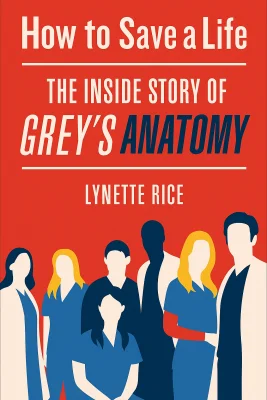
How to Save a Life
The Inside Story of Grey's Anatomy
Categories
Nonfiction, Biography, Memoir, Audiobook, Adult, Medical, Pop Culture, Media Tie In, Tv
Content Type
Book
Binding
Hardcover
Year
2021
Publisher
St. Martin's Press
Language
English
ISBN13
9781250272003
File Download
PDF | EPUB
How to Save a Life Plot Summary
Introduction
In March 2005, a television pilot quietly premiered on ABC that would fundamentally reshape American popular culture and the television landscape for decades to come. What began as a midseason replacement about five surgical interns navigating the halls of Seattle Grace Hospital became a cultural juggernaut that would challenge conventions about storytelling, representation, and the very nature of television drama itself. The story of Grey's Anatomy is ultimately the story of two remarkable women who would redefine what was possible in Hollywood. Shonda Rhimes, a Yale-educated writer with limited television experience, possessed an instinctive understanding of human emotion and an unwavering commitment to authentic storytelling. Ellen Pompeo, a former model from a blue-collar Boston suburb, would evolve from a reluctant leading lady into one of television's most powerful and highest-paid actresses. Together, they would navigate the treacherous waters of network television, surviving cast upheavals, creative challenges, and industry skepticism to create a show that would run for over 350 episodes and counting. Their journey illuminates broader questions about power, representation, and artistic vision in an industry historically dominated by white male voices, offering insights into how authentic storytelling can transcend demographic boundaries and create lasting cultural impact.
Chapter 1: Origins and Breakthrough: Launching a Revolutionary Medical Drama
The genesis of Grey's Anatomy in 2004 and 2005 emerged from an industry landscape hungry for fresh voices and innovative storytelling approaches. ABC had just launched two cultural phenomena in Desperate Housewives and Lost, creating an environment where creative risk-taking was not only tolerated but encouraged. Into this landscape stepped Shonda Rhimes, whose biggest previous credit was writing The Princess Diaries 2, carrying a pilot script that would challenge every conventional wisdom about medical dramas. Rhimes's revolutionary approach began with her casting philosophy, which she refused to call "color-blind" casting, instead insisting she was simply creating a world that reflected the diversity of her own experience. When she cast Sandra Oh as the ambitious Cristina Yang and Isaiah Washington as the brilliant Preston Burke, she wasn't making political statements but rather authentic creative choices that would reshape television's visual landscape. Her decision to center the narrative around complex, flawed characters who happened to work in medicine, rather than medical cases that happened to involve interesting people, fundamentally distinguished her vision from predecessors like ER. The pilot's development process revealed the underlying tensions between network television's commercial imperatives and authentic artistic vision. When ABC president Steve McPherson initially rejected the first episode, declaring it too dark and colorless, Rhimes found herself caught between her creative instincts and network demands. The temporary shutdown of production after the pilot represented a crucial moment where the show's future hung in the balance, ultimately resolved not through compromise but through Rhimes's steadfast commitment to her original vision. Patrick Dempsey's casting as Derek Shepherd proved transformative, though it nearly didn't happen. After the network initially pushed for Rob Lowe, Rhimes and producer Peter Horton recognized that Dempsey brought a vulnerability and authenticity that elevated the material beyond typical romantic fantasy. His chemistry with Ellen Pompeo created the show's emotional foundation, but more importantly, their relationship dynamic challenged traditional gender roles in television romance, with Meredith consistently asserting her independence and professional ambitions. The show's March 2005 premiere, following Desperate Housewives, drew over fourteen million viewers and immediately signaled that something unprecedented was happening. Critics were divided, but audiences responded to the show's emotional honesty and diverse representation with an enthusiasm that caught even ABC executives off guard. The success represented more than just another hit television show; it demonstrated that American audiences were ready for more inclusive, emotionally complex storytelling that didn't condescend to their intelligence or limit their emotional range.
Chapter 2: Cast Dynamics: Building Chemistry and Managing Conflicts
The early seasons of Grey's Anatomy functioned as both a creative laboratory and a social experiment, bringing together a diverse group of largely unknown actors who would spend the next decade navigating unprecedented levels of fame and scrutiny. The chemistry that made the show compelling on screen emerged from genuine relationships and conflicts that developed behind the cameras, creating an authenticity that audiences immediately recognized and embraced. Sandra Oh's portrayal of Cristina Yang established the template for complex female characters who refused to apologize for their ambitions or soften their edges for mass appeal. Her friendship with Ellen Pompeo's Meredith became the show's emotional anchor, demonstrating that female relationships could be as compelling and central to drama as romantic entanglements. The depth of their on-screen connection reflected a genuine mutual respect and understanding that developed during the show's grueling production schedule, where eighteen-hour days created bonds that transcended professional collaboration. The ensemble's diversity created both opportunities and challenges that the television industry had rarely confronted. When Isaiah Washington's on-set conflict with Patrick Dempsey escalated into a public controversy involving homophobic slurs, it forced the industry to confront questions about workplace behavior and accountability that would foreshadow later movements like #MeToo. T.R. Knight's subsequent decision to publicly come out represented both a personal triumph and a professional risk that highlighted the ongoing challenges faced by LGBTQ+ actors in Hollywood. Katherine Heigl's rapid rise from unknown actress to Emmy winner illustrated both the opportunities and pressures that sudden fame created for the cast. Her outspoken nature, which initially seemed refreshing in an industry known for calculated public relations, eventually became a source of tension as her criticism of working conditions and storylines was perceived as ingratitude. The disconnect between her legitimate concerns about crew working conditions and public perception of her comments revealed the impossible position that young actors, particularly women, faced when trying to navigate fame and professional responsibilities simultaneously. The show's production schedule, which regularly extended to seventeen-hour days and required memorization of complex medical terminology, created a pressure cooker environment where personalities clashed and tensions escalated. Ellen Pompeo's initial reluctance to assume leadership of the ensemble reflected both her inexperience and the industry's failure to prepare young actors for the responsibilities that came with leading a successful television series. The lack of established leadership created a power vacuum that contributed to many of the interpersonal conflicts that would define the show's early years. The cast's evolution from unknown actors to global celebrities happened with unprecedented speed, creating challenges that neither the actors nor the production team were prepared to handle. The transition from struggling artists grateful for steady work to highly compensated stars with significant leverage occurred over a matter of months, fundamentally altering the dynamics that had initially made their collaboration so successful and authentic.
Chapter 3: Creative Milestones: Most Memorable Episodes and Storylines
The creative evolution of Grey's Anatomy can be traced through its most ambitious and emotionally resonant episodes, which consistently pushed the boundaries of network television drama while maintaining the emotional authenticity that distinguished the series from its predecessors. These landmark episodes revealed Shonda Rhimes's instinctive understanding of how to balance spectacle with intimate human drama, creating television that was both entertaining and emotionally transformative. The two-part bomb episodes, "It's the End of the World" and "As We Know It," which aired after Super Bowl XL in 2006, represented a creative and logistical triumph that established the show's reputation for ambitious storytelling. The decision to literally put a bomb in Meredith's hands served as both thrilling television and powerful metaphor for the explosive nature of the choices that define our lives. Kyle Chandler's Dylan Young, whose expertise and calm demeanor made his sudden death even more shocking, embodied the show's central theme that expertise and preparation cannot always protect us from life's random cruelties. The season two finale, "Losing My Religion," featuring Denny Duquette's death in Izzie's arms, demonstrated how the show could transform familiar medical drama tropes into genuinely transcendent television. Jeffrey Dean Morgan and Katherine Heigl's chemistry created a love story that felt both epic and intimate, while the episode's final montage, set to Snow Patrol's "Chasing Cars," established a template for emotional catharsis that would become the show's signature. The episode's success proved that audiences were hungry for television that didn't shy away from genuine emotional complexity. The ferry boat accident episodes in season three showcased the show's technical ambitions while maintaining focus on character development and emotional truth. Meredith's near-drowning served as both literal crisis and metaphorical representation of her emotional state, while the episodes' large-scale disaster scenarios allowed the ensemble cast to demonstrate their individual strengths and collaborative chemistry. The use of green screen technology and digital effects, revolutionary for television drama at the time, created cinematic scope that elevated the medium's possibilities. The musical episode "Song Beneath the Song" in season seven represented perhaps the show's most audacious creative risk, transforming the hospital into a stage where internal emotional states could be externalized through song. While critics were divided, the episode demonstrated Rhimes's willingness to experiment with form and genre, refusing to be constrained by conventional expectations of medical drama. Sara Ramirez's powerhouse vocals and the entire cast's commitment to the concept created television that was unlike anything else on network television. The season fifteen episode "Silent All These Years," addressing sexual assault with unprecedented sensitivity and care, represented the show's maturation into a platform for social justice advocacy. Writer Elisabeth R. Finch and director Debbie Allen created television that served both as entertainment and education, demonstrating how popular media could address serious social issues without sacrificing dramatic integrity. The episode's famous hallway scene, featuring dozens of women standing in solidarity with a assault survivor, created an image of hope and healing that resonated far beyond the show's traditional audience.
Chapter 4: Behind the Scenes: Production Challenges and Leadership Evolution
The transformation of Grey's Anatomy from a modestly budgeted midseason replacement into a global television phenomenon created unprecedented production challenges that forced everyone involved to rapidly evolve their understanding of what television production could and should be. The show's success brought resources and opportunities, but also pressures and expectations that frequently tested the limits of both creative and logistical capabilities. Shonda Rhimes's evolution from nervous first-time showrunner into confident creative leader happened under the intense scrutiny that accompanies massive commercial success. Her initial battles with network executives, particularly over content that they deemed too dark or controversial, established patterns of creative autonomy that would define her entire career. The decision to temporarily shut down production after the pilot, when executives deemed the show too grim, represented a crucial test of wills that ultimately strengthened Rhimes's resolve to maintain creative control over her vision. The show's grueling production schedule, regularly extending to seventeen-hour days over ten months per year, created working conditions that pushed everyone involved to their physical and emotional limits. The decision to film up to twenty-four episodes per season, while financially lucrative, created sustainability challenges that would contribute to cast departures and behind-the-scenes tensions throughout the show's run. Ellen Pompeo's later advocacy for more humane working conditions reflected lessons learned through years of unsustainable practices that prioritized productivity over human welfare. The technical challenges of creating convincing medical scenarios required the development of new collaborative relationships between writers, medical consultants, and special effects teams. Dr. Zoanne Clack's role as medical consultant and the Burman brothers' prosthetics work established new standards for medical authenticity in television drama, while the requirement that every medical case be based on documented real-world occurrences created research challenges that pushed the boundaries of traditional television writing rooms. The show's success created opportunities for creative experimentation that were rare in network television, from the ambitious disaster episodes requiring extensive special effects to musical episodes that demanded entirely new skill sets from cast and crew. These creative risks, while not always successful with critics, demonstrated a commitment to artistic growth and innovation that kept the show creatively vital long past the point where many series become formulaic and predictable. Leadership transitions, particularly the eventual shift from Shonda Rhimes to Krista Vernoff as day-to-day showrunner, required delicate balancing of creative continuity with fresh perspectives. The successful transition demonstrated the strength of the creative foundation that Rhimes had established, while also proving that long-running series could evolve and grow rather than simply maintaining established patterns until audience fatigue forced cancellation.
Chapter 5: Fan Impact: How Viewership Shaped the Show's Direction
The relationship between Grey's Anatomy and its passionate fanbase created a new model for how television series could engage with audiences while maintaining creative independence and artistic integrity. The show's fans, who quickly earned a reputation for both devotion and vocal criticism, forced the creative team to navigate the tension between responsive storytelling and authentic artistic vision in ways that would influence television production for decades to come. The early adoption of social media and online forums created unprecedented opportunities for fans to analyze, critique, and influence the show's direction in real time. Shonda Rhimes's decision to create an official show blog, requiring writers to contribute regularly, represented an early experiment in direct creator-to-audience communication that would become standard practice throughout the industry. However, this direct communication also exposed the creative team to immediate, unfiltered feedback that could be both inspiring and overwhelming in its intensity and specificity. Fan investment in character relationships, particularly the central romance between Meredith and Derek, created expectations and demands that sometimes conflicted with the show's commitment to realistic character development. The "shipping" phenomenon, where fans became emotionally invested in specific romantic pairings, generated both passionate support and violent opposition to creative decisions that threatened beloved relationships. The show's writers learned to navigate these expectations without being constrained by them, understanding that disappointing fans in the short term often served the long-term health of character development and narrative integrity. The global reach of the show, enhanced by international distribution and later Netflix streaming, created a fanbase that transcended demographic and cultural boundaries in ways that surprised even the show's creators. Young viewers discovering the show years after its original broadcast brought fresh energy and perspectives, while longtime fans maintained emotional connections that lasted decades. This multi-generational, multicultural audience created both opportunities and responsibilities for addressing social and political issues through the show's platform. The fan response to cast departures, particularly controversial exits like Isaiah Washington's firing and later the departures of beloved characters like Derek Shepherd, demonstrated the emotional investment that audiences had developed in these fictional relationships. The creators learned to balance respect for fan attachment with the narrative necessities of long-term storytelling, recognizing that audience pain over character departures often reflected the success of the emotional connections they had worked to create. The show's fans also became advocates for representation and social justice, pushing the creative team to maintain and expand their commitment to diverse casting and inclusive storytelling. This pressure, while sometimes challenging to navigate, ultimately supported the show's core values and helped maintain its cultural relevance long past the point where many series become disconnected from contemporary social concerns.
Chapter 6: Cultural Legacy: Representation, Diversity and Industry Influence
Grey's Anatomy's most profound impact on American culture extends far beyond entertainment, fundamentally altering how television portrays diversity and establishing new expectations for representation that continue to influence content creation across all media platforms. The show's approach to casting and storytelling challenged industry assumptions about audience preferences while demonstrating the commercial viability of authentic diversity in mainstream entertainment. Shonda Rhimes's casting philosophy, which she insisted was not "colorblind" but rather reflective of the diverse world she inhabited, created television that looked like America in ways that mainstream media rarely achieved. The decision to cast Sandra Oh as Cristina Yang, a brilliant and ambitious surgeon who never apologized for her intensity, created a new archetype for Asian-American women on television. Similarly, the show's portrayal of LGBTQ+ relationships, particularly the marriage between Callie Torres and Arizona Robbins, provided representation and visibility during a crucial period of social change around marriage equality. The show's influence on medical education and healthcare perceptions created real-world impact that extended far beyond entertainment. Medical schools reported increased applications from students inspired by the show's diverse portrayal of healthcare professionals, while the series' commitment to addressing contemporary health issues helped educate audiences about everything from Alzheimer's disease to sexual assault trauma. The show's medical consultants worked to ensure that even the most dramatic storylines maintained enough accuracy to provide genuine educational value. The "Shonda Rhimes effect" on the television industry created opportunities for other creators of color and women to develop and lead their own series, fundamentally altering the landscape of network television. The success of Grey's Anatomy, along with later Shondaland productions like Scandal and How to Get Away with Murder, proved that diverse casts and inclusive storytelling could achieve both critical acclaim and commercial success, paving the way for a new generation of diverse creators and content. The show's portrayal of complex, flawed female characters who refused to be constrained by traditional gender roles influenced how women were written and portrayed across television drama. Characters like Meredith Grey, Cristina Yang, and Miranda Bailey demonstrated that female characters could be ambitious, sometimes unlikable, professionally driven, and romantically complicated without sacrificing audience appeal or narrative integrity. The series' longevity and global reach created a cultural touchstone that transcended generational and cultural boundaries, with references to "McDreamy," "You're my person," and other show elements entering common usage. The show's music choices, particularly the use of songs by artists like Snow Patrol, The Fray, and Ingrid Michaelson, created a new model for how television could break musical artists and create emotional associations that lasted decades.
Chapter 7: Departures and Reinventions: Navigating Cast Changes
The evolution of Grey's Anatomy through multiple cast departures and creative reinventions created a masterclass in how long-running television series can maintain narrative continuity and emotional authenticity while adapting to the practical realities of changing personnel and shifting cultural contexts. Each major departure forced the show to confront questions about character loyalty, narrative closure, and the delicate balance between honoring the past and embracing necessary change. Sandra Oh's departure as Cristina Yang after ten seasons represented perhaps the most successful character exit in the show's history, demonstrating how creative collaboration between actor and writers could create satisfying conclusion while maintaining the character's integrity. Oh's advance notice allowed the writers to craft a full-season farewell that honored both the character's journey and her central relationship with Meredith Grey. The decision to send Cristina to Switzerland to run a research hospital provided professional fulfillment while maintaining the possibility of future references without creating false hope for return. Patrick Dempsey's exit as Derek Shepherd created the show's most controversial and emotionally devastating character death, while also providing its most crucial test of survival beyond its original central relationship. The decision to kill McDreamy rather than simply write him out of the story reflected the show's commitment to emotional authenticity over audience comfort, recognizing that some relationships are too central to be casually dismissed. The aftermath of Derek's death allowed Ellen Pompeo's Meredith to evolve from romantic heroine to fully realized professional and personal leader. The departures of Jessica Capshaw and Sarah Drew, who played Arizona Robbins and April Kepner respectively, demonstrated how beloved characters could be written out without death, providing hope for future returns while acknowledging the realities of television economics and creative evolution. The decision to give both characters happy endings, with Arizona moving to New York for a custody arrangement and April finding new purpose in medical missions, reflected the show's maturation into a more optimistic approach to character transitions. Justin Chambers's sudden departure as Alex Karev after fifteen seasons created unique challenges, as his exit occurred without advance notice or opportunity for on-screen farewell. The decision to resolve his storyline through letters revealing his reunion with former love Izzie Stevens and their children provided narrative closure while honoring the character's long journey from abrasive intern to compassionate physician. The choice to connect his ending to the show's early seasons demonstrated respect for longtime fans while providing emotional satisfaction. Each departure forced the remaining cast and creative team to rediscover what elements of the show were truly essential versus what had simply become familiar through repetition. The successful navigation of these transitions proved that strong foundational concepts and authentic character relationships could survive individual personnel changes, while also demonstrating the importance of allowing characters to grow and evolve rather than remaining frozen in established patterns. The show's ability to introduce new characters and storylines that honored its legacy while addressing contemporary issues showed how long-running series could remain culturally relevant across multiple decades, speaking to new generations of viewers while maintaining connections to longtime fans who had invested years in these fictional relationships and professional environments.
Summary
The seventeen-season journey of Grey's Anatomy reveals fundamental tensions between artistic vision and commercial pressures, individual ambition and collaborative creation, that define modern television production. The central conflict between Shonda Rhimes's commitment to authentic, diverse storytelling and network television's traditional formulas ultimately reshaped industry expectations about what mainstream entertainment could achieve both culturally and commercially. The show's evolution from struggling midseason replacement to global cultural phenomenon demonstrates how authentic representation and emotional honesty can transcend demographic boundaries and create lasting impact that extends far beyond entertainment. The transformation of Ellen Pompeo from reluctant leading lady to television's highest-paid dramatic actress paralleled the series' own journey from industry outsider to cultural institution, proving that persistence and authenticity could overcome institutional barriers and skepticism. The legacy of Grey's Anatomy offers three crucial insights for contemporary media creators and consumers. First, authentic diversity in casting and storytelling is not only morally imperative but commercially viable, as demonstrated by the show's global success and cultural influence. Second, long-term creative sustainability requires balancing respect for audience investment with the courage to make difficult creative decisions that serve narrative integrity over short-term comfort. Finally, the most profound cultural impact comes not from avoiding controversy or challenging content, but from addressing complex social issues with nuance, empathy, and respect for audience intelligence. These lessons remain relevant as media continues evolving in an increasingly diverse and interconnected world.
Best Quote
Review Summary
Strengths: The book compiles information and anecdotes about "Grey's Anatomy" in one place, which can be appealing for dedicated fans. It includes interviews with cast members and others connected to the show, offering different perspectives on significant events and controversies. Weaknesses: The book lacks original insider stories and primarily contains information readily available online. The narrative is described as choppy, resembling stitched-together TV guide interviews. It fails to delve deeply into behind-the-scenes drama or the success of Shonda Rhimes, leaving readers wanting more substantial content. Overall: The reader's sentiment is mixed. While some fans may find it enjoyable and essential, others feel it lacks depth and originality. The recommendation level is moderate, particularly for those seeking new insights.
About Author

Lynette Rice
Rice synthesizes the dynamic landscape of television and pop culture through her investigative journalism. Known for her well-researched and interview-driven narratives, Rice delves into the creative processes behind major TV shows, examining how these narratives evolve and impact cultural conversations. Her writing serves as a bridge between casual viewers and industry insiders, offering behind-the-scenes insights that reveal the broader significance of television in society. By capturing the intricacies of the television world, she provides readers with a deeper understanding of the medium's role in shaping cultural narratives.\n\nIn her book "How to Save a Life: The Inside Story of Grey’s Anatomy", Rice offers a comprehensive exploration of the popular medical drama, illustrating her ability to combine factual reporting with engaging storytelling. Her method involves accessing exclusive industry interviews and events, a testament to the trust she has earned within the entertainment field. As a veteran journalist with over 25 years in the industry, her career spans significant contributions to "Entertainment Weekly" and "Deadline". Through her work, Rice connects readers to the heart of television's cultural impact, making her insights valuable for both fans and professionals interested in the intersection of media and society. While specific awards are not documented, her longstanding reputation and exclusive access underscore her respected position as a leading voice in entertainment journalism.
Read moreDownload PDF & EPUB
To save this Black List summary for later, download the free PDF and EPUB. You can print it out, or read offline at your convenience.
How to Save a Life
by Lynette Rice
