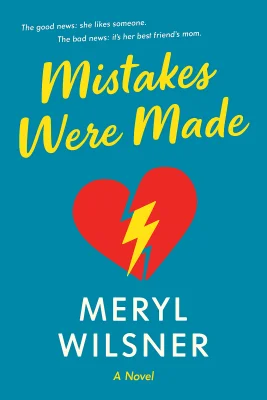
Mistakes Were Made
Categories
Fiction, Audiobook, Romance, Adult, Contemporary, LGBT, Contemporary Romance, Queer, Gay, Lesbian
Content Type
Book
Binding
Paperback
Year
2022
Publisher
Griffin
Language
English
ISBN13
9781250841001
File Download
PDF | EPUB
Mistakes Were Made Plot Summary
Introduction
# The Psychology of Self-Justification: How We Deceive Ourselves Have you ever wondered why intelligent people sometimes cling to obviously false beliefs, or why someone continues defending a decision that clearly went wrong? Perhaps you've noticed how two people can witness the same event yet tell completely different stories about what happened, each convinced their version is the truth. These puzzling behaviors reveal one of the most fascinating and troubling aspects of human psychology: our remarkable ability to deceive ourselves while remaining completely unaware we're doing it. This self-deception isn't a character flaw or sign of weakness, but rather a universal psychological mechanism that affects everyone from world leaders to ordinary citizens, from seasoned professionals to teenagers navigating social pressures. At its core lies cognitive dissonance, the mental discomfort we feel when our actions contradict our beliefs or self-image. Rather than face this uncomfortable truth, our minds become remarkably creative at rewriting reality to preserve our sense of being rational, moral, and competent people. Understanding this process reveals why memory can be unreliable, why experts sometimes ignore evidence, and why good people can justify harmful actions while maintaining their positive self-image.
Chapter 1: Cognitive Dissonance: The Mental Engine of Self-Deception
Imagine holding two ice cubes in your hands while insisting you're not cold. This physical impossibility mirrors what happens in our minds when we hold contradictory thoughts simultaneously. Cognitive dissonance occurs when our beliefs, attitudes, or self-image clash with our actions or new information, creating psychological discomfort that demands resolution. Unlike physical discomfort, however, we often resolve mental dissonance not by changing our behavior, but by changing our interpretation of reality. Consider a smoker who knows cigarettes cause cancer. The contradiction between "I'm a smart person who makes good decisions" and "I'm doing something that will likely kill me" creates intense dissonance. Rather than quit smoking, which requires difficult behavioral change, the smoker might reduce dissonance by thinking "My grandfather smoked and lived to 95" or "I only smoke occasionally, so it's not that dangerous." These mental gymnastics allow the person to continue smoking while maintaining their self-image as rational and health-conscious. Leon Festinger's groundbreaking research in the 1950s revealed how powerful this mechanism can be. When he studied a doomsday cult whose predicted apocalypse failed to occur, he expected members to abandon their beliefs. Instead, the most committed followers became even more convinced, claiming their faith had saved the world from destruction. This counterintuitive response demonstrates that we don't simply change our minds when faced with contradictory evidence. Instead, we often work harder to justify our existing beliefs, especially when they're central to our identity. The theory challenges our assumption that people behave rationally, weighing costs and benefits before acting. In one famous experiment, participants who endured a severe, embarrassing initiation to join a boring discussion group rated the group more positively than those who underwent a mild initiation. Why? Because they needed to justify their suffering. The reasoning goes: "I went through all that trouble to join this group, so it must be worthwhile." This explains why people often become more committed to decisions after making sacrifices for them, even when the outcomes are disappointing. Dissonance particularly affects how we process information. We readily accept evidence that confirms our existing beliefs while scrutinizing, criticizing, or simply ignoring contradictory information. This confirmation bias explains why political debates rarely change minds and why people can examine the same evidence yet reach opposite conclusions. Brain imaging studies show that when we encounter information that threatens our beliefs, the reasoning areas of our brains actually shut down while emotional circuits become highly active, suggesting we're not thinking our way through these conflicts but feeling our way through them. The most powerful dissonance occurs when our fundamental self-concept is threatened. If you see yourself as a good person but do something harmful, the psychological pain can be excruciating. To preserve your positive self-image, you'll likely justify your actions rather than accept that you're capable of wrongdoing. This creates what researchers call a "pyramid of choice," where small initial compromises lead to increasingly problematic behavior as each step requires greater justification than the last.
Chapter 2: Memory as Our Personal Self-Serving Historian
Your memory isn't like a video camera faithfully recording your experiences for later playback. Instead, it functions more like a creative historian, constantly revising and reinterpreting the past to make sense of the present. Every time you remember an event, you're not simply retrieving stored information but actively reconstructing it, often adding details that support your current beliefs and self-image while editing out inconvenient facts that might challenge them. This reconstructive process serves our psychological needs in remarkable ways. Research shows that people consistently remember their past attitudes and behaviors as being more similar to their current ones than they actually were. Students who improve their study habits remember their previous methods as being worse than they reported at the time, allowing them to feel they've made greater progress. Voters recall their past political positions as being closer to their current views than contemporaneous records indicate. These memory shifts aren't deliberate lies but unconscious edits that help maintain a coherent sense of self. The malleability of memory becomes particularly evident in how we remember our relationships and life experiences. Couples in happy marriages tend to remember their courtship and early years through rose-colored glasses, emphasizing positive moments while downplaying conflicts. Conversely, couples heading toward divorce often rewrite their entire relationship history, forgetting what they once loved about each other and amplifying every grievance. These memory revisions feel completely authentic to the people experiencing them, demonstrating how our current feelings can literally change our past. False memories can be entirely convincing, complete with vivid sensory details and strong emotions. In therapeutic settings, well-meaning counselors have inadvertently helped clients construct elaborate false memories of childhood trauma through suggestive questioning and visualization exercises. These recovered memories feel absolutely real to the people who develop them, often becoming central to their identity and life story. The tragedy is that these false memories can destroy families and relationships while providing no actual healing, since they address traumas that never occurred. The same mechanisms that create false memories of abuse can lead people to believe they were abducted by aliens, witnessed miracles, or experienced other extraordinary events. These memories don't appear overnight but develop gradually through suggestion, imagination, and the powerful human need to find meaning and explanation for life's difficulties. Once formed, false memories become remarkably resistant to correction because they serve important psychological functions, even when they're completely inaccurate. Understanding memory's reconstructive nature doesn't mean we should distrust all our recollections, but it does suggest appropriate humility about their accuracy. Our memories are particularly unreliable when they conveniently support our current beliefs, justify our past decisions, or portray us as more consistent, prescient, or virtuous than we likely were. Recognizing these limitations can help us make better decisions and maintain more honest relationships with ourselves and others.
Chapter 3: Professional Blind Spots: When Expertise Creates Bias
Professionals across every field pride themselves on objectivity, evidence-based reasoning, and ethical decision-making. Yet expertise can create its own blind spots, as specialized knowledge and professional identity interact with universal human tendencies toward self-justification. These blind spots don't reflect incompetence or malice but rather the subtle ways that cognitive biases operate even among the most well-trained and well-intentioned individuals. The confirmation bias takes on particular power in professional contexts because experts have invested years developing their knowledge and methods. When evidence emerges that challenges established practices, professionals face intense dissonance between their expertise and the threatening information. Rather than acknowledge uncertainty or error, they often dismiss contradictory evidence as flawed, irrelevant, or misinterpreted. This defensive response can persist even when the evidence is overwhelming, as seen in historical cases where medical professionals rejected hand-washing, astronomers dismissed continental drift, or economists ignored warning signs of financial bubbles. Conflicts of interest create especially insidious blind spots because they operate unconsciously. When professionals have financial, career, or emotional stakes in certain outcomes, their judgments subtly shift to align with those interests while they remain convinced of their objectivity. Physicians who receive payments from pharmaceutical companies prescribe those companies' drugs more frequently, researchers funded by industry report findings more favorable to their sponsors, and expert witnesses gradually align their opinions with the side that pays them. These professionals aren't deliberately corrupt but rather subject to unconscious biases that favor their benefactors. The closed nature of many professional relationships exacerbates these problems. Therapists work behind closed doors with no oversight, creating conditions where their theories become self-confirming. If a therapist believes that depression stems from repressed anger, they'll interpret client behaviors through this lens, ask leading questions that elicit confirming responses, and remember instances that support their theory while forgetting contradictory evidence. The client, seeking help and trusting the expert, may gradually adopt the therapist's interpretation, creating an illusion of validation. Professional training itself can strengthen biases by creating overconfidence. As people develop expertise, they become increasingly certain of their judgments, even in areas where accuracy remains limited. This overconfidence makes experts less receptive to feedback, more resistant to changing their minds, and more likely to dismiss alternative viewpoints. Paradoxically, the most confident professionals are often the least accurate in domains where objective verification is difficult. The path forward requires both individual awareness and institutional safeguards. Professionals must recognize their susceptibility to bias and implement systematic checks against their own tendencies. This might include seeking diverse perspectives, establishing blind review processes, maintaining transparent disclosure of conflicts, and creating cultures that reward intellectual humility over certainty. The most effective professionals understand that doubt isn't the enemy of good judgment but rather its essential companion.
Chapter 4: How Good People Justify Harmful Actions
One of the most disturbing aspects of human behavior is how ordinary, well-meaning people can commit harmful acts while maintaining their sense of being good, moral individuals. This isn't simply a matter of "bad people doing bad things" but rather reveals how self-justification can gradually transform anyone into someone they never intended to become. Understanding this process is crucial for recognizing warning signs in ourselves and others before small compromises escalate into serious harm. The journey typically begins with small steps that seem reasonable at the time. A police officer might use slightly excessive force during a difficult arrest, a therapist might push a client toward a particular interpretation of their problems, or a manager might overlook minor safety violations to meet production deadlines. These initial actions create dissonance between the person's self-image as ethical and professional and their actual behavior. To reduce this discomfort, they justify the action: "The situation required it," "Everyone does this," or "No real harm was done." Each justification makes the next transgression easier because the person has already established that exceptions to normal ethical standards are sometimes necessary. This creates a slippery slope where behavior gradually worsens while self-justification becomes increasingly elaborate. The police officer develops theories about why certain suspects deserve rougher treatment, the therapist becomes convinced that aggressive techniques are necessary for healing, and the manager decides that safety regulations are bureaucratic obstacles to important work. Dehumanization plays a crucial role in this process by reducing the psychological cost of causing harm. When people view their targets as less than fully human, less deserving of consideration, or fundamentally different from themselves, they can inflict suffering without experiencing overwhelming guilt. This psychological distancing explains how healthcare workers can abuse patients, teachers can humiliate students, and soldiers can commit atrocities against civilians while maintaining their self-image as caring, professional, or patriotic individuals. Group dynamics powerfully amplify these individual tendencies. When authority figures direct harmful actions, individuals often displace responsibility by thinking "I was just following orders" or "It's not my decision to make." When colleagues seem comfortable with questionable practices, conformity pressures silence internal moral qualms. When organizations develop cultures that normalize harmful behavior, individuals gradually adjust their ethical standards to match their environment, often without conscious awareness of the change. The most insidious aspect of this process is that perpetrators genuinely believe their justifications. Unlike conscious liars who know they're being deceptive, people engaged in self-justification convince themselves first, then others. This self-deception makes their positions particularly resistant to change because they've constructed internally consistent narratives where their actions were necessary, justified, or even virtuous. Challenging these narratives feels like an attack on their fundamental identity rather than a discussion of specific behaviors. Breaking this cycle requires early recognition and intervention. Warning signs include increasingly elaborate justifications for questionable actions, dehumanizing language about those being harmed, displacement of responsibility onto others or circumstances, and isolation from people who might provide alternative perspectives. Creating environments that reward ethical courage, encourage diverse viewpoints, and make it safe to acknowledge mistakes can help prevent good people from traveling too far down the path of self-justified harm.
Chapter 5: Self-Justification in Relationships and Political Conflicts
The intimate nature of close relationships creates perfect conditions for self-justification to flourish and cause lasting damage. When romantic partners, family members, or close friends hurt each other, they face painful dissonance between their actions and their self-image as loving, caring people. Rather than acknowledge their mistakes and make amends, they often engage in elaborate mental gymnastics to prove they were justified in their behavior while their loved ones were wrong to be hurt or angry. This dynamic typically begins with attribution patterns that favor the self while criticizing others. When we do something hurtful, we attribute it to external circumstances: "I was stressed," "I didn't mean it that way," or "Anyone would have reacted like that." When others hurt us, we attribute it to their character: "She's always so sensitive," "He never considers my feelings," or "That's just the selfish way he is." These asymmetric attributions create a self-serving narrative where we're reasonable people responding to difficult circumstances while others are flawed individuals acting from questionable motives. Over time, these patterns create confirmation biases that filter our perceptions of relationship events. We notice and remember instances that confirm our existing beliefs about ourselves and others while overlooking or forgetting contradictory evidence. A husband who believes his wife is overly critical will remember every complaint she makes while forgetting the many times she expressed appreciation. A wife who sees her husband as emotionally distant will focus on his failures to connect while discounting his attempts at intimacy. The most destructive relationship pattern emerges when partners move from criticizing specific behaviors to expressing contempt for each other's character. Research shows that contempt, which communicates disgust and superiority, is the strongest predictor of relationship failure. When people begin viewing their partners as fundamentally flawed rather than occasionally problematic, they justify increasingly harsh treatment while feeling morally superior about their own behavior. Political conflicts operate through similar mechanisms but on a larger scale. Political groups construct narratives that justify their positions and actions while delegitimizing their opponents. Each side attributes noble motives to their own actions while assuming the worst about their opponents' intentions. Historical events are selectively remembered and interpreted to support current positions, creating competing versions of reality that seem incompatible. The fundamental attribution error takes on new dimensions in political contexts. We explain our group's actions through situational factors and good intentions while attributing opposing groups' identical behaviors to their inherent character flaws or malicious motives. When our side uses harsh tactics, it's because the situation demanded it or the stakes were too high for normal civility. When the other side uses the same tactics, it reveals their true nature as extremists, hypocrites, or enemies of democracy. Breaking these cycles requires recognizing that self-justification affects all parties in conflicts, not just our opponents. Effective resolution approaches acknowledge that everyone has constructed self-serving narratives and work to create conditions where admitting complexity doesn't feel like surrender. This might involve focusing on shared goals, creating structured opportunities for perspective-taking, or developing inclusive narratives that acknowledge multiple viewpoints without requiring anyone to accept a single "correct" version of events.
Chapter 6: Breaking Free: Developing Self-Awareness and Accountability
Recognizing our tendency toward self-justification represents the crucial first step toward managing its potentially destructive effects. This awareness doesn't eliminate our psychological need to maintain a positive self-image, but it can help us catch ourselves before justification hardens into rigid certainty. The goal isn't to become constantly self-doubting but rather to approach our own thoughts and decisions with appropriate humility and openness to alternative perspectives. Developing specific cognitive skills can help counteract self-justification tendencies. Perspective-taking involves deliberately imagining how situations appear from other viewpoints, which reduces our tendency to attribute disagreements solely to others' ignorance or bias. Considering the opposite means actively generating reasons why our initial judgments might be wrong, helping overcome confirmation bias. Distinguishing between our intentions and our impacts allows us to acknowledge when we've caused harm without completely threatening our sense of being good people. Creating external accountability structures provides crucial support for individual awareness efforts. In professional contexts, this might include establishing devil's advocacy roles, implementing blind review processes, or ensuring diverse perspectives in decision-making groups. In personal relationships, it could involve agreeing on communication norms that separate behaviors from character judgments or establishing regular check-ins where partners can raise concerns without triggering defensive responses. The cultural context significantly influences how readily people acknowledge mistakes and change course. In environments where errors are treated as moral failings or signs of incompetence, self-justification becomes a survival mechanism. People naturally defend themselves through denial and elaborate justification when admission feels dangerous. Conversely, cultures that view mistakes as inevitable learning opportunities reduce the threat to self-image, making acknowledgment easier and more likely. Surrounding yourself with trusted individuals who can provide honest feedback represents one of the most powerful antidotes to self-justification. These relationships require careful cultivation because most people prefer to tell us what we want to hear rather than risk conflict by challenging our beliefs or decisions. The most valuable feedback comes from people who care about our well-being enough to risk temporary discomfort in service of our long-term growth and effectiveness. The paradox of letting go of self-justification is that it ultimately serves us better than clinging to our defenses. When we stop investing enormous energy in proving ourselves right or blameless, we free up cognitive and emotional resources for learning and growth. Acknowledging mistakes allows us to learn from them rather than repeat them. Recognizing our contributions to conflicts opens possibilities for resolution that self-righteousness forecloses. Admitting our biases enables more accurate perceptions and better decisions. The most psychologically mature individuals maintain positive self-regard not by being perfect but by being honest, first with themselves and then with others.
Summary
The psychology of self-justification reveals how our minds work tirelessly to protect our self-image, often at the expense of truth, growth, and healthy relationships. Through cognitive dissonance, we unconsciously edit our memories, dismiss contradictory evidence, and construct elaborate justifications for our mistakes and harmful actions. This universal human tendency affects everyone from intimate partners to world leaders, creating blind spots that can lead to devastating consequences in both personal and professional contexts. Understanding these mechanisms doesn't eliminate our capacity for self-deception, but it provides the awareness necessary to recognize when we're engaging in mental gymnastics to avoid uncomfortable truths. The path forward lies not in achieving perfect objectivity, which is impossible, but in developing greater self-awareness and creating systems that compensate for our psychological limitations. By cultivating intellectual humility, seeking diverse perspectives, and building accountability structures into our personal and professional lives, we can minimize self-justification's most harmful effects. How might we create environments where admitting mistakes feels safe rather than threatening, and where changing our minds is seen as wisdom rather than weakness? For those interested in exploring these themes further, examining research on cognitive biases, moral psychology, and conflict resolution offers valuable insights into the complex challenge of living with integrity while accepting our fundamental fallibility as human beings.
Best Quote
“Space might as well be endless. It made her feel inconsequential, in a good way. Like all the ways she fucked up down here didn't matter. The stars wouldn't mind.” ― Meryl Wilsner, Mistakes Were Made
Review Summary
Strengths: The review highlights the book's engaging forbidden romance theme, substantial age gap, and strong chemistry between characters. It praises the balance of romance and explicit scenes, effective age-gap portrayal, character development, and absence of excessive drama or a third-act breakup. Weaknesses: The review criticizes the excessive number of sex scenes, which overshadow the plot and lead to repetitiveness. The reader felt that the story's progression was hindered by the frequency of these scenes. Overall: The reader finds the book enjoyable, particularly for its steamy romance and character dynamics, but rates it three stars due to the overwhelming number of sex scenes. The book is recommended for those who appreciate explicit romance with a well-handled age-gap narrative.
About Author

Meryl Wilsner
Wilsner crafts compelling narratives that explore the complexities and joys of queer romance, primarily focusing on sapphic relationships. By initially engaging in fanfiction before transitioning to published works, they offer readers a blend of authenticity and creativity. Their novels, such as "Something to Talk About," delve into themes of accidental attraction and evolving relationships, whereas titles like "Cleat Cute" embrace the comedic and competitive elements of a rivals-to-lovers storyline. Wilsner's ability to switch between slow-burn narratives and spicy contemporary romances showcases their versatility, providing something for a wide audience while maintaining a commitment to portraying genuine queer love stories.\n\nReaders are drawn to Wilsner's work for its engaging storytelling and relatable characters, often reflecting the nuanced experiences of queer women. Their books have become go-to reads for those seeking authentic and diverse romantic narratives, with Electric Literature acknowledging them as a significant voice in contemporary f/f romance. The author's journey from fanfiction writer to a respected figure in the romance genre highlights their dedication to crafting stories that resonate with readers. With a mix of humor, romance, and keen observations of relationships, Wilsner’s books offer an appealing escape into worlds where love and identity are celebrated in all their forms.
Read moreDownload PDF & EPUB
To save this Black List summary for later, download the free PDF and EPUB. You can print it out, or read offline at your convenience.
Mistakes Were Made
by Meryl Wilsner
