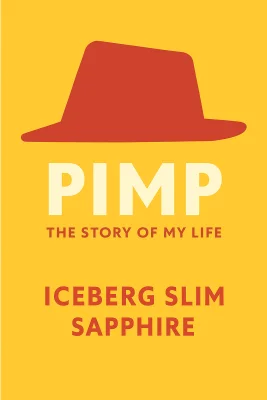
Pimp
The Story of My Life
Categories
Nonfiction, Biography, History, Memoir, Audiobook, True Crime, Autobiography, Biography Memoir, African American, Crime
Content Type
Book
Binding
Paperback
Year
2001
Publisher
Payback Pr
Language
English
ASIN
0862415934
ISBN
0862415934
ISBN13
9780862415938
File Download
PDF | EPUB
Pimp Plot Summary
Introduction
# Iceberg Slim: From Streets to Redemption In the unforgiving landscape of America's urban underworld during the mid-20th century, few names carried as much weight as Robert Beck, known on the streets as Iceberg Slim. His transformation from a promising young man in Depression-era Chicago to one of the most notorious pimps in American criminal history represents a chilling descent into a world where survival demanded the complete suppression of human empathy. Beck's story unfolds against the backdrop of systemic racism and limited opportunities for African Americans, where the glittering promises of street life often seemed more attainable than the narrow paths to legitimate success. What makes this tale particularly compelling is not merely the shocking details of criminal enterprise, but the psychological journey of a man who built his entire identity around emotional detachment and manipulation, only to discover the devastating personal cost of such choices. Through Beck's experiences, readers will witness the complex interplay between trauma and criminality, the seductive nature of power and control, and ultimately, the possibility of redemption even after decades of moral compromise. His evolution from predator to chronicler offers profound insights into the nature of human transformation, the price of authenticity, and the long, difficult journey toward genuine connection that defines the most meaningful aspects of human experience.
Chapter 1: Childhood Wounds: The Foundation of a Criminal Mind
The seeds of Robert Beck's future transformation into Iceberg Slim were planted in the fractured soil of his early childhood, where abandonment and betrayal became the primary curriculum for survival. Born in Chicago in 1918, young Robert's world first cracked when his biological father vanished from their lives, leaving behind a wound that would never fully heal. This initial abandonment created a template of distrust that would color every relationship that followed, establishing patterns of emotional self-protection that would eventually calcify into the ice-cold persona that made him famous. The trauma deepened when his mother married Henry Upshaw, a kind and successful businessman who offered the family genuine stability and love. For a brief, shining period, Robert experienced what normal family life could provide. Henry treated him as his own son, offering discipline tempered with affection and a model of honest success. However, this sanctuary was shattered when Robert's mother became involved with Steve, a manipulative con man who convinced her to abandon Henry and their comfortable life for the uncertain promises of excitement and easy money. The betrayal of Henry represented more than just another family disruption for young Robert. Watching his mother choose cruelty over kindness, seeing her kick away from Henry's desperate pleas while triumph gleamed in her eyes, planted seeds of cynicism that would grow throughout his life. The image of a good man on his knees, begging for love and receiving only contempt, became a template that Beck would later use to understand all human relationships as transactions based on power and manipulation rather than genuine affection. Steve's subsequent abuse completed the destruction of Robert's innocence. The horrific incident where Steve killed the boy's beloved kitten by smashing it against a concrete wall served as a brutal lesson in the consequences of vulnerability and attachment. These early experiences taught Beck that love was weakness, that trust led to betrayal, and that survival required the complete suppression of any emotional openness. The foundation was set for a life built on emotional ice, where human connections would be viewed solely through the lens of exploitation and control, and where the capacity for genuine intimacy would be systematically destroyed in favor of calculated manipulation.
Chapter 2: Birth of Iceberg Slim: Mastering Emotional Detachment
The transformation from Robert Beck to Iceberg Slim required more than simply adopting a street name; it demanded a fundamental rewiring of his emotional and psychological architecture. The moniker "Iceberg" perfectly captured the persona he cultivated: cold and impenetrable on the surface, with dangerous depths hidden beneath. This metamorphosis was both a survival mechanism forged in the crucible of street life and a conscious choice to embrace a philosophy that viewed emotional detachment as the ultimate source of power and control. Under the brutal tutelage of seasoned criminals and experienced pimps, Robert learned that success in the underworld required the systematic suppression of empathy and the cultivation of calculated indifference. His mentors taught him that a pimp's greatest weapon wasn't physical violence, though that certainly played a crucial role, but rather his ability to read people's psychological vulnerabilities and exploit them with surgical precision. The lessons were harsh and unforgiving: never reveal genuine emotion, always maintain psychological distance, and view every human interaction as a transaction to be optimized for personal gain. The creation of the Iceberg Slim persona also involved mastering the external trappings of pimp culture. The flashy clothes, expensive cars, and carefully cultivated image of dangerous sophistication weren't mere vanity purchases but essential tools of psychological warfare. Every aspect of his appearance and behavior was calculated to project an aura of untouchable success and barely contained menace, designed to attract potential victims while intimidating rivals and maintaining his position in the criminal hierarchy. Perhaps most crucially, becoming Iceberg Slim required Robert to systematically bury the parts of his personality that connected him to his former life and his capacity for genuine human connection. The loving son, the intelligent student, the young man who had once harbored legitimate dreams and aspirations—all of these identities had to be entombed beneath layers of calculated coldness. This psychological armor protected him from the emotional toll of his actions and allowed him to function in a world of constant manipulation and exploitation, but it also cut him off from the possibility of authentic relationships, creating an isolation that would haunt him for decades and ultimately contribute to his spiritual crisis and eventual transformation.
Chapter 3: The Pimp's Philosophy: Psychology of Power and Control
Iceberg Slim's rise to prominence in Chicago's criminal underworld was built upon his development of what he called "the game"—a sophisticated philosophy of psychological manipulation that treated human relationships as chess matches where victory belonged to the most emotionally ruthless and psychologically astute player. This approach was methodical and calculating, based on the fundamental premise that everyone, particularly women who had experienced trauma or abandonment, could be controlled through a carefully orchestrated combination of reward and punishment, affection and cruelty, designed to create complete psychological dependency. His technique began with the careful selection and study of targets, usually young women from troubled backgrounds who were already vulnerable to manipulation due to past abuse, neglect, or abandonment. Slim would position himself as a savior figure, offering protection, luxury, and validation while gradually isolating his victims from their support networks and legitimate opportunities. He understood that the most effective control came not from immediate domination but from creating emotional whiplash—alternating between extreme kindness and shocking cruelty in unpredictable patterns that left his victims constantly seeking his approval while fearing his rejection. The cornerstone of his philosophy was the complete suppression of his own emotions and the projection of absolute confidence and unshakeable control. Slim trained himself to view his targets not as human beings with their own needs, dreams, and desires, but as resources to be exploited and assets to be managed. This emotional detachment was both his greatest strength in the criminal world and his ultimate weakness as a human being, allowing him to manipulate others with devastating effectiveness while cutting himself off from genuine human connection and the possibility of authentic relationships. His success in applying these techniques brought him enormous wealth, status, and a fearsome reputation as one of the most effective pimps in the Midwest. The money flowed in torrents, allowing him to live a lifestyle of luxury that few African Americans of his era could imagine, complete with expensive cars, tailored clothes, and lavish apartments that served as both symbols of his success and practical tools for attracting new victims. However, the psychological cost was staggering. The constant performance of dominance and control, the need to suppress any sign of vulnerability or genuine emotion, created a prison of his own making where Beck became trapped within the very persona he had created, unable to form real relationships or experience authentic intimacy even as he achieved the material success and street respect he had desperately sought.
Chapter 4: Cycles of Crime: Violence, Prison, and Street Survival
The world that Iceberg Slim inhabited was one where violence served as both currency and communication, where physical brutality was not just common but essential for maintaining position and respect within the criminal hierarchy. Unlike many of his contemporaries who relied primarily on raw intimidation, Slim developed a more sophisticated approach to violence, understanding that the threat of brutality was often more effective than the act itself, though he was certainly capable of extreme cruelty when circumstances demanded it. His reputation for unpredictable and calculated violence became a crucial asset, allowing him to maintain control over his stable while deterring challenges from rivals. His multiple incarcerations provided a harsh education in the realities of institutional power and survival among society's most dangerous criminals. Each stint behind bars became a brutal graduate course in human nature, where the theoretical knowledge of manipulation and psychological warfare was tested against murderers, armed robbers, and other predators who had survived by their wits and willingness to use violence. Prison taught him new lessons about hierarchy, respect, and the delicate balance between showing strength and avoiding unnecessary confrontation with those who had nothing left to lose. The cycle of crime, imprisonment, and return to the streets created a pattern that seemed impossible to break, each iteration reinforcing his belief that legitimate society had nothing to offer someone with his background and choices. The prison system, rather than providing rehabilitation or genuine alternatives, seemed only to confirm his cynical worldview and push him deeper into the criminal lifestyle that had become his entire identity. Each release brought him back to the same associates, the same opportunities, and the same psychological patterns that had led to his downfall, creating a revolving door that trapped him in an increasingly destructive spiral. Drug use became both a tool of control over his victims and a personal escape mechanism from the constant stress and paranoia of his lifestyle. Cocaine provided the energy and artificial confidence needed for the demanding psychological work of managing multiple manipulative relationships, while other substances offered temporary relief from the isolation and emotional emptiness that came with his chosen profession. The drugs also served as another means of controlling his stable, creating dependencies that made escape even more difficult while generating additional revenue streams that further complicated his criminal enterprises and increased his exposure to law enforcement.
Chapter 5: The Steel Casket: Solitary Confinement and Self-Discovery
The imprisonment that would ultimately transform Iceberg Slim's life began like all the others—with the familiar routine of arrest, trial, and sentencing that had punctuated his criminal career for decades. However, this time the experience would be fundamentally different, not because of external circumstances but because of his internal readiness for change and the brutal conditions of solitary confinement that would break through the psychological armor he had spent decades constructing. The "steel casket" of his isolation cell became an unexpected crucible for self-examination, forcing him to confront the reality of what his life had become and the devastating impact of his choices on both himself and countless others. Months of isolation in a tiny cell, cut off from the constant distractions of managing criminal enterprises and maintaining his street reputation, created conditions that systematically dismantled his carefully constructed defenses. Without the external validation of fear and respect from others, without the constant stimulation of manipulation and control, he was forced to face the emptiness at the core of his existence. The ice-cold persona that had served him so well in the criminal world became a prison of its own, cutting him off from any possibility of genuine human connection, personal fulfillment, or authentic self-understanding. The psychological breakdown that followed was both terrifying and liberating, as decades of suppressed emotions and buried memories came flooding back with overwhelming force. As his carefully constructed defenses crumbled, he began to remember the person he had been before becoming Iceberg Slim—the intelligent, sensitive young man who had once had dreams beyond the narrow confines of street life, who had been capable of love and vulnerability before trauma and circumstance had taught him that such openness was dangerous. This rediscovery of his authentic self was profoundly painful, as it forced him to acknowledge the enormous human cost of his choices and the decades of life he had wasted in pursuit of an ultimately hollow form of success. The spiritual awakening that emerged from this psychological crisis wasn't sudden or dramatic but rather a gradual recognition that his current path led only to destruction and death, both for himself and for everyone whose life he touched. He began to understand that the power and respect he had sought through pimping were illusions, that the lifestyle he had embraced was not a form of rebellion against an unjust system but rather a trap that kept him and his victims locked in cycles of exploitation and degradation. This realization planted the seeds of genuine change, though the full transformation would require years of difficult work to rebuild his identity and learn how to form authentic relationships based on love rather than manipulation and control.
Chapter 6: Path to Redemption: From Predator to Family Man
The journey from Iceberg Slim back to Robert Beck was neither quick nor easy, requiring him to rebuild his identity from the ground up while confronting the enormous damage his previous life had caused to both himself and countless others. The first tentative steps toward redemption came through his relationship with his dying mother, whose unconditional love and forgiveness provided a bridge back to his humanity and gave him the emotional foundation needed to begin the difficult work of genuine transformation. Her faith in his capacity for change, despite decades of disappointment and heartbreak, offered him a glimpse of the person he could become if he was willing to do the hard work of changing. Marriage and fatherhood presented entirely new challenges for someone who had spent decades viewing all relationships as transactions to be manipulated for personal gain. Learning to love genuinely, to put others' needs before his own, and to build trust rather than exploit vulnerability required him to develop emotional skills that his criminal lifestyle had systematically destroyed. The process was often frustrating and painful, as old patterns of thinking and behavior constantly threatened to reassert themselves, and he had to learn to recognize and resist the impulses toward manipulation and control that had once been his primary tools for navigating relationships. His decision to write about his experiences represented both a form of therapy and a way to make amends for his past actions, though it also raised complex questions about the ethics of profiting from stories of exploitation and violence. By honestly documenting the reality of pimp life—stripping away the glamorous facade to reveal the underlying brutality, emptiness, and psychological damage—he hoped to discourage others from following the same destructive path while also working through his own guilt and shame about the choices he had made. The writing process forced him to confront his past actions without the psychological defenses that had previously protected him from the full weight of his moral responsibility. The ultimate measure of his redemption lay not in public recognition or financial success from his books, but in his ability to build and maintain genuine relationships with his wife and children, creating the kind of stable, loving home environment that had been absent from his own childhood. This required him to access parts of his personality that had been buried for decades under layers of calculated coldness, learning vulnerability, empathy, and the kind of selfless love that puts family welfare above personal desires. The man who had once prided himself on emotional detachment now had to learn that genuine power comes not from controlling others but from taking responsibility for one's own choices and their consequences, and that true success is measured not in money or fear but in the quality of relationships and the positive impact one has on the lives of others.
Summary
Iceberg Slim's extraordinary life story serves as a powerful testament to the human capacity for transformation, demonstrating that even those who have traveled the darkest paths retain the possibility of redemption, though the journey requires unflinching honesty about one's past actions and their devastating consequences. His evolution from a promising young man to a notorious criminal and finally to a reformed family man illustrates both the seductive power of street success and the ultimate emptiness of a lifestyle built on exploitation and emotional detachment, offering crucial insights into the psychology of power, the importance of genuine human connection, and the complex relationship between trauma and criminal behavior. The lessons from his experience extend far beyond the criminal underworld, providing valuable perspectives on the nature of authentic relationships, the corrosive effects of viewing others as objects to be manipulated, and the possibility of change even in seemingly hopeless circumstances. For anyone struggling with destructive patterns, feeling trapped by past choices, or seeking to understand the complex factors that drive human behavior, his story demonstrates that it is never too late to choose a different path, though the work of genuine transformation requires courage, sustained effort, and the willingness to rebuild one's life from the foundation up, replacing manipulation with authenticity and control with genuine love and connection.
Best Quote
“Before I'd touch a square bitch's slit,I'd suck a thousand clappy pricks and swim through liquid shit,They got green puke between their rotten toes,And snot runs from their funky nose,I hope square bitches become syphilitic wrecks,I hope they fall through their own assholes and break their motherfucking necks.” ― Iceberg Slim, Pimp: The Story of My Life
Review Summary
Strengths: The review provides a vivid depiction of Iceberg Slim's life and the societal issues surrounding capitalism and justice. It effectively highlights the contradictions in legal and moral standards, particularly in the context of prostitution and the criminal justice system. Weaknesses: The review criticizes Iceberg Slim's character, describing him as a "brutal asshole," which may reflect a subjective bias. It also touches on complex societal issues without offering comprehensive solutions, leaving some arguments underdeveloped. Overall: The reader presents a critical view of Iceberg Slim's life choices and the broader societal implications of capitalism and justice. The review suggests a nuanced understanding of the systemic issues but maintains a critical stance towards the protagonist's actions, offering limited sympathy.
About Author

Iceberg Slim
Iceberg Slim reframes the narrative of American street life through his gripping explorations of power, survival, and systemic issues. As an author whose work delves into the grim realities of the urban underworld, Slim's writings are deeply rooted in his own experiences as a former pimp in Chicago. His semi-autobiographical book "Pimp: The Story of My Life" transcends simple storytelling, providing a raw and candid depiction of the challenges faced in Black urban America. His writing style, noted for its gritty realism and confessional tone, offers readers an unfiltered view into the complexities of the street culture, influencing both literature and wider popular culture.\n\nWhile navigating themes of racial violence and sexual trauma, Slim extends his impact beyond traditional literary circles. His work resonates particularly with Black audiences, offering insights into the socio-economic conditions that perpetuate cycles of power and control. Readers gain an understanding of the intricate dance between systemic oppression and individual agency, benefiting from Slim’s unique blend of autobiography and street fiction. His narrative methods reveal broader social struggles, positioning his books as foundational texts for the genre known as urban "street lit."\n\nIn addition to "Pimp", Slim’s other notable works, such as "Trick Baby: The Biography of a Con Man" and "Mama Black Widow: A Story of the South's Black Underworld", continue to captivate audiences by illustrating the depths of the human experience against a backdrop of adversity. Although he did not receive prominent literary awards, Slim’s legacy is profound. His influence is evident in the realm of hip-hop and Blaxploitation films, with artists like Ice-T and Snoop Dogg drawing inspiration from his work. This short bio captures how Slim's transformative journey from the streets to literary acclaim has left an indelible mark on American culture.
Read moreDownload PDF & EPUB
To save this Black List summary for later, download the free PDF and EPUB. You can print it out, or read offline at your convenience.

Pimp
by Iceberg Slim
