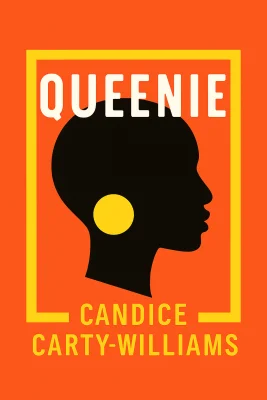
Queenie
Categories
Fiction, Mental Health, Audiobook, Feminism, Adult, Book Club, Contemporary, Race, Adult Fiction, Literary Fiction
Content Type
Book
Binding
Hardcover
Year
2019
Publisher
Orion Publishing
Language
English
File Download
PDF | EPUB
Queenie Plot Summary
Introduction
# Queenie: From Breakdown to Self-Discovery The ultrasound wand moves across Queenie Jenkins' abdomen in clinical silence. She stares at the ceiling tiles, counting the stains while the doctor's face grows increasingly concerned. Tom should be here. He should be holding her hand, asking questions she's too numb to form. Instead, his silence echoes through the sterile room like an accusation. "You've had a miscarriage," the doctor announces with practiced detachment. "Most women don't even know. At least it's done the job." The words hit Queenie like physical blows. A pregnancy she never knew existed, a loss she can't process, a secret that will poison everything that comes after. Outside in the waiting room, her aunt Maggie lectures strangers about the dangers of Gemini men, oblivious to the devastation unfolding behind closed doors. This moment marks the beginning of Queenie's descent into a darkness she never saw coming, a brutal journey through sexual recklessness, professional collapse, and the painful process of learning to save herself from a world that seems determined to destroy her.
Chapter 1: Chapter 1: The Unraveling - Love, Loss, and Hidden Trauma
The secret sits between them like a third person at dinner. Queenie watches Tom butter his toast, his movements careful and deliberate, while the weight of her unspoken miscarriage presses against her chest. She wants to tell him, needs to tell him, but the words stick in her throat like broken glass. "You've been different," Tom says finally, not looking up from his plate. "Angry all the time. I can't do anything right anymore." His voice carries three years of shared history, of Sunday dinners with his family who called her "one of us," of lazy mornings in their shared bed planning futures that now feel impossible. The fight that follows is inevitable and vicious. Queenie hears herself saying things designed to wound, pushing him away even as she desperately wants him closer. Tom's bewilderment only makes it worse. How can she explain that her body betrayed her, that she lost something she never knew she wanted, that every moment of his ignorance feels like abandonment? "I think we need a break," he says, and the words echo in the sudden silence. "Just to figure things out." But Queenie hears the finality in his voice, sees the relief in his shoulders as he speaks. The flat they shared, with its mismatched furniture and inside jokes written on the bathroom mirror, suddenly feels like a crime scene. She packs her belongings while he's at work, each item a small death. The mug with "Q" painted on the side, the photo from their first holiday, the books they'd bought together and never read. Three years reduced to cardboard boxes and the echo of her footsteps in empty rooms.
Chapter 2: Chapter 2: Descent into Darkness - Self-Destruction Through Sexual Recklessness
The house in Brixton smells of damp and disappointment. Seven hundred and fifty pounds a month for a room with Victorian plumbing and housemates who treat hygiene as optional. Rupert, the perpetually angry man with deck shoes, and Nell, thirty-five with pigtails and a wine habit, represent everything Queenie hoped to escape. Dating apps become her new addiction. The validation is immediate and intoxicating—dozens of men wanting her, messaging her, making her feel powerful in ways she's never experienced. She tells herself she's exploring her sexuality, embracing freedom, but the truth is darker and more desperate. Adi arrives first, her old neighbor with his persistent advances and wedding ring. The BMW, the warehouse parking lot, the mechanical transaction that follows feels like stepping through a door she can't close again. His hands are rough, his commentary crude, treating her like a conquest rather than a person. The pain feels like punishment she somehow deserves. Guy follows, the Welsh medical student with rugby shoulders and casual cruelty. He shows up drunk at her door, uses her body like a recreational facility, leaves her staring at the ceiling wondering what she expected. Each encounter leaves her more empty, but she can't stop. The physical pain becomes a welcome distraction from the emotional numbness that's settled over her like a shroud. The sexual health clinic becomes a regular destination. The nurses' concerned faces, their gentle probing about abuse and safety, feel like accusations she can't deny. She isn't being hurt, she insists, just having rough sex with men who don't particularly care about her comfort. The distinction feels important, even as the bruises suggest otherwise.
Chapter 3: Chapter 3: Professional and Personal Collapse - When Everything Falls Apart
The office Christmas party looms like a social execution. Queenie watches couples perform their happiness while nursing wine and wondering how she became the cautionary tale. James and Fran, the self-proclaimed relationship goals, host with nauseating perfection while she counts the minutes until acceptable escape. Ted appears like an answer to prayers she didn't know she was making. The sports journalist with tweed jackets and intense green eyes represents possibility—education, sophistication, the cultural capital that might finally make her belong. Their email exchanges crackle with tension, stolen moments in parks feel like scenes from a better story. The disabled bathroom at work becomes their stage. Fluorescent lights, cold floor, desperate fumbling that lasts minutes before Ted flees, leaving her staring at polystyrene ceiling tiles. His subsequent silence feels familiar—another man disappearing once he's gotten what he wanted. The discovery of his marriage adds particular sting to the rejection. At work, Gina's patience wears thin. Three years of building her career, fighting for representation and meaningful stories, reduced to tardiness and missed deadlines. The official warning feels like another door closing, another foundation crumbling. Chuck, the privileged intern whose mistakes she fixes, will outlast her through connections and gender alone. Family dinners offer no solace. Her grandmother's stories of heartbreak feel like ancient history, irrelevant to modern chaos. Her mother's unexpected Christmas appearance, fragile and apologetic, stirs emotions Queenie has spent years suppressing. The court case, the abuse, the abandonment hang in the air like incense, choking and inescapable.
Chapter 4: Chapter 4: Rock Bottom - Crisis, Confrontation, and Complete Breakdown
The morning Cassandra arrives for breakfast, Queenie feels optimistic for the first time in weeks. Her oldest friend represents stability, the possibility of honest conversation about the chaos her life has become. They've weathered years together, survived university and career struggles, built something that feels unshakeable. Guy's appearance on the stairs changes everything instantly. Recognition dawns in Cassandra's eyes, horror spreading across her face as the hallway suddenly feels too small for their collective shock. Queenie's mind races through months of conversations, searching for missed clues, connections she should have made. The gorgeous boyfriend Cassandra protected so carefully is the same man using Queenie's body like a convenience store. The confrontation explodes in slow motion. Cassandra's accusations catalog Queenie's sexual encounters like evidence in a trial, making promiscuity sound like moral failure rather than symptom. "You're damaged goods," she spits. "No wonder Tom escaped. You're so closed off that actual love is out of reach, so you settle for sex with anyone who'll fuck you." Guy's pathetic explanations make everything worse. His casual admission that he knew about the connection, his comparison of their sexual performance, his complete inability to grasp his deception's magnitude. Watching him dress and leave, Queenie feels her old life's last vestiges crumble, leaving her alone with consequences of choices that never felt like choices. The panic attack hits like a physical assault. Her body finally rebels against months of emotional torture, breathing becoming impossible, vision tunneling to pinpricks of light. When her housemate finds her collapsed on the kitchen floor, she's barely conscious, her system shutting down under the weight of accumulated trauma.
Chapter 5: Chapter 5: Finding Sanctuary - Family, Therapy, and First Steps to Healing
The move back to her grandparents' house feels like regression and salvation simultaneously. The South London terraced house that once felt like prison becomes sanctuary, its strict routines and unwavering love providing structure she desperately needs. Her grandmother, a formidable Jamaican woman who's survived her own trauma, doesn't coddle but offers something more valuable—unconditional acceptance. The transition isn't smooth. Queenie chafes against rules and expectations, feeling like she's moving backward rather than healing. But slowly, the household's rhythm works its magic. Regular meals, early bedtimes, the absence of dating apps create space to process what's happened. Her grandmother's matter-of-fact approach to mental health helps Queenie understand that seeking help isn't weakness but wisdom. Janet, her therapist, is warm and no-nonsense, refusing to let Queenie minimize experiences or hide behind humor. Their sessions are painful excavations of buried trauma, forcing confrontation with not just recent events but childhood experiences that shaped her relationships with herself and others. The work is exhausting, often hopeless, but gradually the fog lifts. Her grandmother becomes an unexpected wisdom source, sharing survival stories that put Queenie's experiences in context. The older woman's strength isn't stoic endurance but something more complex—the ability to feel pain fully while choosing to keep living. It's a lesson Queenie desperately needs to learn. The return to work terrifies but proves necessary. The investigation into Ted's complaint eventually clears her when security footage reveals their relationship's true nature. He's quietly dismissed while she gets a second chance, though the experience leaves her wary and more aware of power dynamics shaping her professional life.
Chapter 6: Chapter 6: The Slow Path to Recovery - Learning to Face the Past
Recovery refuses to follow a straight line. Queenie experiences setbacks and breakthroughs in equal measure, learning to recognize panic attack warning signs and develop coping strategies that actually work. Breathing exercises and visualization techniques that once seemed ridiculous become lifelines during crisis moments. Healing isn't about returning to who she was but becoming someone new and stronger. Her relationship with her mother deepens during this period. Sylvie emerges from her own trauma enough to begin rebuilding their connection. Conversations are tentative at first, both women carrying years of hurt and misunderstanding. But slowly, Queenie begins seeing her mother not as the woman who abandoned her but as someone who did her best with available tools. The therapy sessions with Janet become archaeological digs through layers of pain. They uncover how her stepfather's abuse shaped her relationship with men, how her mother's abandonment taught her that love was conditional and temporary. Each revelation is painful but necessary, like setting broken bones that healed wrong the first time. Work becomes a refuge again as she finds her voice as a music journalist. The assignment to review a NAO concert reminds her of her passion for culture while giving her a platform to share her perspective. She begins seeing how her experiences as a Black woman, rather than obstacles to overcome, might be sources of strength and insight. The dating hiatus that began as necessity gradually becomes choice. Queenie discovers she enjoys her own company, that solitude doesn't equal loneliness. She learns the difference between being alone and being abandoned, recognizing her worth isn't determined by male attention or approval.
Chapter 7: Chapter 7: Rebuilding Connections - Repairing Relationships and Setting Boundaries
Rebuilding friendships requires Queenie to set boundaries she's never maintained before. With Darcy, she learns to articulate the specific challenges she faces as a Black woman, helping her white friend understand previously invisible experiences. The conversations are sometimes uncomfortable but ultimately strengthen their bond, creating space for genuine understanding rather than well-meaning ignorance. Cassandra's return from her disastrous relationship with Guy provides reconciliation opportunity, though it's complicated by hurt on both sides. The friendship that emerges is different—more honest about limitations but also more authentic. Queenie no longer needs Cassandra's approval or psychological insights to validate her experiences, having learned to trust her own perceptions. Her relationship with Kyazike deepens as Queenie appreciates the unique understanding that comes from shared experience. Kyazike's fierce loyalty and refusal to let anyone diminish Queenie becomes a model for self-protection. The friendship offers something rare—acceptance without judgment, support without conditions. The encounter with a racist date serves as a test of her newfound boundaries. Instead of enduring his provocations or trying to educate him, she simply leaves, recognizing she doesn't owe anyone her emotional labor. The incident reinforces her decision to step away from dating, at least until she's more secure in her self-worth. Moving into her own flat represents more than independence—it's a declaration that she's ready to take responsibility for her own life. The tiny studio in South London isn't much, but it's hers, paid for with money her mother gives her from a legal settlement. The gesture represents healing for both women, a way of breaking cycles of abandonment and neglect.
Chapter 8: Chapter 8: Standing Strong - Independence, Self-Worth, and New Beginnings
The flat becomes a sanctuary where Queenie practices the self-care she's learning in therapy. She establishes routines that support her mental health, creates space for hobbies and interests lost during her self-destruction period. The simple act of choosing what to eat, when to sleep, how to spend time becomes an exercise in self-respect. Her work life stabilizes as she finds footing as a music journalist. Each review becomes an opportunity to share her perspective, to contribute something meaningful to cultural conversation. She begins to see how her identity as a Black woman, rather than being a burden to bear, might be a gift to offer. The therapy sessions continue, but they've evolved from crisis management to genuine growth. Janet helps her understand that her worth isn't determined by others' treatment of her, that she has the power to choose how she responds to the world's cruelty. The realization is revolutionary for someone who spent years seeking validation through sexual encounters. A chance encounter with Tom at a coffee shop tests her progress. He looks the same but somehow smaller, his presence no longer capable of derailing her carefully constructed peace. They exchange pleasantries, and she realizes she feels nothing—not anger, not longing, just a mild curiosity about the woman who once loved him so desperately. The novel ends not with romantic resolution but with something more valuable—Queenie's growing understanding of her own worth. She's still in therapy, still learning to trust herself, still navigating a world that often seems hostile to her existence. But she's no longer drowning. The queen her mother named her to be was always there, waiting to be reclaimed.
Summary
Queenie's journey from breakdown to recovery isn't a fairy tale transformation but something more valuable—a realistic portrait of how healing happens in fits and starts, with setbacks and breakthroughs intertwined. She doesn't emerge from her crisis as a completely different person but as someone who understands herself more deeply and treats herself with greater compassion. The relationships that survive her breakdown are stronger for having been tested, while those that don't fall away naturally, making room for connections based on mutual respect rather than need or convenience. The novel's power lies in its unflinching examination of how trauma shapes us and how healing requires not just individual effort but community support. Queenie's story resonates because it acknowledges the specific challenges faced by Black women while speaking to universal experiences of heartbreak, mental illness, and the search for belonging. In learning to save herself, she discovers that she was always worth saving, a realization that transforms not just her future but her understanding of her past. The queen her mother named her to be emerges not through romantic love or professional success, but through the harder, more valuable work of learning to love herself.
Best Quote
“The road to recovery is not linear. It’s not straight. It’s a bumpy path, with lots of twists and turns. But you’re on the right track.” ― Candice Carty-Williams, Queenie
Review Summary
Strengths: The review highlights Queenie's humor and relatability, emphasizing her British sense of humor and the dynamic relationships with her friends and family. The book's exploration of serious themes like mental health, anxiety, and racism is noted as impactful, particularly due to its juxtaposition with humor. The character's complexity and the book's modern, diverse, and feminist approach are praised. Weaknesses: The review points out that the book can be deceiving, initially appearing light-hearted but delving into darker themes. Some readers might find Queenie's behavior frustrating, though it is portrayed realistically. Overall: The reviewer appreciates the book's balance of humor and serious issues, recommending it for its bold and complex portrayal of a modern Jamaican Brit. The book is seen as more nuanced and relevant than "Bridget Jones's Diary," making it a worthwhile read.
About Author

Candice Carty-Williams
Carty-Williams interrogates identity and multicultural experiences through her literary work, particularly highlighting the complexities of contemporary Black British life. Her debut book, "Queenie," has achieved widespread acclaim, underscoring her talent for crafting narratives that resonate with readers. By integrating personal experiences and cultural commentary, she aims to address the significant underrepresentation of BAME voices in literature. Her initiative, the Guardian and 4th Estate BAME Short Story Prize, further exemplifies her commitment to diversifying the literary landscape.\n\nMoreover, Carty-Williams' career extends beyond her work as an author. Her background in publishing, including roles at 4th Estate and HarperCollins, provided her with critical insights into the industry's systemic issues. Her ability to identify and respond to these gaps has not only enhanced her understanding but also contributed to her broader impact on the field. As a journalist and culture writer for outlets like The Guardian and Refinery29, she continues to advocate for representation and change, ensuring her voice and those she supports remain integral to ongoing discussions about diversity in publishing.
Read moreDownload PDF & EPUB
To save this Black List summary for later, download the free PDF and EPUB. You can print it out, or read offline at your convenience.

Queenie
by Candice Carty-Williams
