
The Favorite Sister
Categories
Fiction, Audiobook, Mystery, Thriller, Adult, Book Club, Contemporary, Chick Lit, Suspense, Mystery Thriller
Content Type
Book
Binding
Paperback
Year
2019
Publisher
Simon Schuster
Language
English
ASIN
150115320X
ISBN
150115320X
ISBN13
9781501153204
File Download
PDF | EPUB
The Favorite Sister Plot Summary
Introduction
# Deadly Mirrors: When Reality Becomes Performance The camera captures everything, but it doesn't always tell the truth. Kelly Courtney sits in Jesse Barnes's cramped Manhattan apartment, facing the lens that will broadcast her version of events to millions. Her sister Brett is dead, and Kelly wears Brett's ring—the gold signet inscribed "SS" for Standing Sisters. The irony cuts deep. Just months earlier, Brett Courtney was the breakout star of "Goal Diggers," a reality show about ambitious women in New York. She'd built SPOKE, a fitness empire that promised to help Moroccan women escape sexual violence through bicycle donations. She was engaged, successful, and seemingly unstoppable. But success breeds enemies, especially among women who've grown tired of watching the underdog win. What began as professional jealousy among castmates escalated into something far more sinister—a conspiracy that would ultimately claim Brett's life and leave Kelly to pick up the pieces, along with the cameras.
Chapter 1: The Performance Begins: Five Women, Five Lies
The conference room buzzes with tension as the cast of "Goal Diggers" assembles for their pre-production meeting. Brett Courtney arrives twenty minutes late, still in sweaty spandex from her SPOKE studio, clutching an everything bagel like a lifeline. She's raised millions for her fitness empire, but she still can't afford to be on time. Across the table, Stephanie Simmons sits with the poise of someone who's just hit the New York Times bestseller list with her memoir about surviving an abusive relationship. Her success tastes different now—sharper, more validating than her previous romance novels ever were. She watches Brett with calculating eyes, remembering when they were friends, when Brett lived in her guest room and borrowed her clothes. Jen Greenberg, the show's resident wellness guru, fidgets with her Standing Sisters ring. Her juice empire has made her wealthy, but her mother Yvette's disappointment weighs heavier than money. Yvette, a legendary feminist activist, sees through Jen's vegan facade to the eating disorder beneath. The family tension crackles like static electricity. Lauren Bunn completes the core group, her dating app SADIE making her the tech darling of the bunch. She drinks too much and talks too loudly about sex, but her Yale pedigree and family money keep her safe from real consequences. Together, these women have built empires, but their bonds are as fragile as spun glass. The meeting reveals the season's central conflict: Brett wants to take the group to Morocco to showcase her bike donation program, but the others are finding excuses. Stephanie claims Zika concerns, Jen cites animal testing in required vaccines, Lauren worries about anti-LGBTQ laws. Their real concern is simpler—they're tired of Brett's storylines dominating their show. Jesse Barnes, the show's creator, watches the dynamics unfold with predatory interest, already calculating how to monetize their mutual destruction.
Chapter 2: Cracks in the Mirror: Alliances Turn to Betrayal
The friendship between Brett and Stephanie crumbles over a book deal and wounded pride. Once inseparable, they shared clothes, secrets, and living space. Stephanie provided Brett with stability during her early struggles, while Brett offered the authenticity Stephanie craved but couldn't quite achieve. Now their shared history becomes weaponized. The breaking point comes when Brett refuses to pass Stephanie's memoir to Rihanna, who had taken a single class at SPOKE. Stephanie sees this as betrayal—after everything she's done for Brett, this small favor is denied. Brett views it as inappropriate networking, a line she won't cross to exploit a celebrity connection. But deeper currents run beneath this surface dispute. Stephanie's memoir success has elevated her status, while Brett's business achievements threaten the established hierarchy. They're both ascending, but in different directions, creating a collision course that friendship can't survive. Stephanie knows Brett's insecurities about her weight, her family dynamics, her desperate need for approval. Brett understands Stephanie's carefully constructed image, the way she's built her identity around being the responsible one. When Stephanie aligns with Jen and Lauren to boycott the Morocco trip, she's not just rejecting Brett's business opportunity—she's rejecting Brett herself. The personal becomes professional, and the professional becomes personal, until the distinction disappears entirely. Their friendship dies not in a dramatic confrontation but in a series of small betrayals and calculated silences. In Stephanie's Bowery apartment, the remaining cast members gather to plan their rebellion. Jen arrives with news that Brett's sister Kelly has reached out, asking to meet for tea. The gesture seems innocent, but in their world, every social interaction carries strategic weight. The apartment becomes a war room where grievances are catalogued and strategies refined. They've created a monster in Brett's success, and now they're determined to destroy their creation before it destroys them.
Chapter 3: Morocco's Blood: When Drama Becomes Violence
The Atlas Mountains stretch endlessly under the blazing sun as the women arrive in the village of Aguergour, their electric bikes gleaming like promises of salvation. Brett has brought them here to showcase SPOKE's charitable mission—providing bikes to help local women escape the daily trek for water. But beneath the humanitarian veneer, tensions simmer like the desert heat. The reconciliation happened in a bathroom during Lauren's party—the only sanctuary from cameras in their surveilled lives. Brett cornered Stephanie, desperation making her bold. The apology tasted like poison, but it was necessary medicine for her dying career. Stephanie played along, her own motivations murky but her hatred crystal clear. The truce was fragile, held together by mutual need rather than forgiveness. Stephanie's behavior has grown increasingly erratic since news broke that her memoir was largely fabricated. The Smoking Gun's investigation stripped away her carefully constructed trauma narrative, revealing the book as elaborate fiction. Her birth mother didn't die in her arms—she died alone in a rehab facility. The abusive boyfriend never existed, conjured from a brief encounter with a helpful stranger who gave her directions. The accident happens during what should be a simple demonstration. Brett and Stephanie race their bikes down the treacherous mountain path, their rivalry finally boiling over into something physical and dangerous. The fortune teller's cards from the night before seem prophetic now—The Lovers reversed, The Hanged Man upright, symbols of betrayal and sacrifice. When Stephanie's bike careens toward danger, she makes a choice that will haunt everyone present. Instead of steering away from the trees, she aims directly for Kweller, a young Berber girl who bears a striking resemblance to Brett's twelve-year-old niece, Layla. The impact sends Kweller flying onto the handlebars, her small body crumpling against the bike's frame. Blood streams from her ears as the women scream, their carefully orchestrated charity mission dissolving into chaos.
Chapter 4: Unraveling Truths: The Cost of Fabricated Lives
The hospital in Marrakesh becomes a crime scene without a crime, an accident that feels too deliberate to be random. Stephanie sits unmoved in the waiting room, her makeup somehow still perfect despite the destruction she's wrought. She asks repeatedly about Layla, her confusion either genuine or performed—even she might not know the difference anymore. The girl she actually hit remains nameless in her concern, a casualty of mistaken identity and misdirected rage. Brett's empire of empowerment crumbles in the desert heat. The bikes meant to liberate women have become instruments of violence, her charity work revealed as elaborate performance art. The investors will demand answers she can't give, the media will dissect every decision that led to this moment, and the women of Aguergour will remember only the day the Americans came and left blood in their sand. Back in New York, the facade continues to crumble as hidden truths surface like bodies in a lake. Brett's engagement to Arch was a sham—a desperate attempt to maintain the lie that had funded her empire. She wasn't gay, had never been gay, but the LGBTQ business grant that launched SPOKE required her to play the part. Now, with cameras documenting her every move, the performance is becoming unbearable. Kelly watches her sister's deception with growing unease. She is the real architect of SPOKE, the one who understands the business while Brett plays the charismatic face of the brand. But Kelly harbors her own secret—she knows about Brett's affair with Stephanie's husband, Vince. The knowledge sits in her chest like a tumor, growing heavier with each passing day. The web of lies grows more complex with each revelation. Jen isn't the pure vegan she claims to be—she secretly eats meat and gorges on bacon and eggs when she thinks no one is watching. Lauren's party-girl image masks a calculating businesswoman who leaked her own sex tape to generate publicity. Each woman has built her success on carefully constructed deceptions, and now those deceptions are threatening to bring them all down.
Chapter 5: The Hamptons Reckoning: Final Confrontations
The bachelorette party at Jen's renovated Hamptons house was meant to be Brett's final celebration before her wedding to Arch. Instead, it becomes a powder keg of accumulated resentments and buried secrets. The house itself seems to mock their pretenses—all clean lines and expensive renovations, hiding the rot beneath its perfect surface. Stephanie arrives uninvited, her presence like a lit match in a room full of gasoline. She's been in hiding since the Morocco incident, but now she emerges with the desperate energy of someone with nothing left to lose. Her hair is perfectly styled, her makeup flawless, but her eyes hold the hollow gleam of the truly unhinged. The evening's entertainment—a couples quiz designed to test Brett's knowledge of her fiancée—becomes a cruel interrogation. Kelly, armed with knowledge of Brett's lies, uses each question as a weapon, her sisterly love curdling into something far more dangerous. The game reveals the hollow core of Brett's engagement, the way she's commodified even her most intimate relationships for the sake of the show. When Lauren's hair catches fire during their staged dinner party, it seems almost symbolic—everything they've built is going up in flames. That night, Brett and Stephanie sneak out to Talkhouse, the local bar where their final confrontation will play out before a crowd of drunk college students. The confrontation at Talkhouse is brutal and public. Stephanie, fueled by tequila and rage, takes the stage during a cover band's performance and begins revealing the show's secrets to the drunken crowd. She speaks of fabricated storylines and manufactured drama, of the way they've all sold pieces of their souls for fame and fortune. But her real target is Brett, and when she begins to hint at the affair with Vince, Brett tackles her off the stage in a desperate attempt to silence her. The fight continues in the van ride home, two former friends clawing at each other like animals. Brett's extensions come away in Stephanie's hands—another layer of artifice stripped away. By the time they reach Jen's house, both women are bloodied and exhausted, but their war is far from over.
Chapter 6: Murder in the Spotlight: A Sister's Fatal Choice
The next morning brings Jesse Barnes and her crew to film what should have been a peaceful brunch. Instead, they find Stephanie armed with her ultimate weapon—video footage of Brett and Vince's affair. She plays it for the assembled group, watching with satisfaction as Brett's carefully constructed world collapses in real time. But Stephanie's revenge comes at a cost. When she tries to leave in Jen's Tesla, the struggle for control becomes a metaphor for their entire toxic relationship. As the car careens toward the cliff's edge, Stephanie makes her final choice. If she can't have the life she built on lies, then no one will survive to tell the truth. The Tesla's plunge into the Atlantic should have been the end of the story. Two bodies, two deaths, a tragic accident born of domestic violence and desperation. But when the Coast Guard pulls the wreckage from the water, they find three bodies instead of two. Brett Courtney, the show's golden girl, had been in the trunk—already dead when the car went over the cliff. Kelly stands on Jesse's lawn, watching the emergency responders work, and feels her world shift on its axis. Her sister is gone, murdered in the early hours of the morning while Kelly slept upstairs, drugged by Jen's carefully administered Xanax. The police will eventually piece together a narrative that paints Vince as the killer—a jealous husband who discovered his wife's affair with Brett and snapped in a rage. But Kelly knows better. She'd seen the way Jen looked at Brett, the simmering resentment beneath her zen facade. She'd witnessed the confrontation between Brett and Jen in the kitchen, heard the crack of skull against stone. The audio recording that surfaces later confirms what she already suspects—Jen killed Brett in a moment of pure fury, then convinced the blackout-drunk Lauren to help dispose of the body. Now Kelly faces an impossible choice. She can tell the truth and destroy everything Brett built, exposing the lies that funded their empire and helped countless women in Morocco. Or she can let Vince take the blame, preserving Brett's legacy while burying the real story forever.
Chapter 7: Aftermath: Truth Buried, Legends Born
The aftermath is swift and brutal in its efficiency. Vince and Stephanie become martyrs to domestic violence, their deaths sparking a national conversation about toxic masculinity and the price women pay for success. Brett is remembered as a pioneering entrepreneur who died too young, her sexuality and charitable work cementing her status as a feminist icon. Kelly steps into her sister's role with practiced ease, becoming the face of SPOKE while thirteen-year-old Layla emerges as an unlikely media darling. Their spinoff show, "Still SPOKE," documents their efforts to continue Brett's mission, turning tragedy into content with the ruthless efficiency that reality television demands. Jesse Barnes, the puppet master behind it all, orchestrates the narrative with surgical precision, ensuring that the truth remains buried beneath layers of carefully crafted fiction. But some secrets refuse to stay hidden. The audio recording of Brett's murder sits like a loaded gun in Kelly's possession, a reminder that justice and truth are luxuries she can no longer afford. Jen continues her wellness empire, her hands literally stained with blood but her public image pristine. Lauren, traumatized by memories she can't quite access, becomes an unwitting accomplice to murder. The cameras that promised fame delivered only infamy, transforming private pain into public spectacle until the line between performance and reality disappeared entirely. Each woman had built her success on carefully constructed deceptions, and in the end, those deceptions consumed them all. The show that celebrated women's achievements had instead created a machine that devoured its participants, leaving only carefully curated images in its wake.
Summary
In the end, they were all complicit in the lie that consumed them. The show that promised to celebrate women's achievements had instead created a machine that devoured its participants, leaving only carefully curated images in its wake. Kelly chose the lie that served the greater good—or at least, the lie she could live with—allowing Vince to take the blame while preserving Brett's legacy and the charity work that genuinely helped women in Morocco. The real tragedy wasn't the deaths—it was the way those deaths were transformed into content, packaged and sold to an audience hungry for both inspiration and destruction. In the world of reality television, even murder could be rebranded as empowerment, and the truth became just another casualty in the war for ratings and relevance. The Standing Sisters rings they wore became symbols of broken promises rather than unbreakable bonds, and the cameras kept rolling, capturing everything except the truth that mattered most.
Best Quote
“It is a dangerous thing to conflate feminism with liking all women. It limits women to being one thing, likable, when feminism is about allowing women to be all shades of all things, even if that thing is a snake oil saleswoman.” ― Jessica Knoll, The Favorite Sister
Review Summary
Strengths: The book's pace improves as it progresses, offering a "wild ride" that becomes addictive, akin to junk food. The author effectively captures the essence of reality show contestants, and the Q&A section provides fascinating insights into the book's inspiration and future projects. Weaknesses: Initial chapters are challenging to engage with due to characters perceived as "reality show fake" and "mean girl nasty." The book may not appeal to those uninterested in reality show themes or those seeking depth beyond entertainment. Overall: The reviewer expresses mixed feelings, acknowledging the book's popularity but personally finding it unappealing. They recommend it for readers seeking light, entertaining content but caution that it may not suit everyone.
About Author

Jessica Knoll
Knoll investigates the intricacies of female identity and trauma through her novels, reflecting her commitment to authenticity and emotional depth. Her books often delve into themes of resilience, exploring the lasting impacts of trauma, especially sexual assault, on survivors. By crafting narratives that feature complex female protagonists, she highlights the personal and societal challenges women face. Her writing blends psychological thriller elements with literary fiction, creating suspenseful and provocative stories that resonate deeply with readers.\n\nKnoll's debut, "Luckiest Girl Alive," showcases her narrative prowess and became a New York Times bestseller, later adapted into a Netflix film. Beyond novels, her career spans screenwriting and producing, including her original script “‘Til Death” which gained attention by making The Black List. Recognized by Variety as a screenwriter to watch in 2021, Knoll’s work continues to impact readers and viewers alike by challenging the status quo and offering nuanced perspectives on contemporary issues. This approach attracts readers interested in psychological depth and those seeking narratives that push the boundaries of traditional storytelling. Her latest work, "Bright Young Women," continues this exploration, contributing to her reputation as a fearless voice in fiction.
Read moreDownload PDF & EPUB
To save this Black List summary for later, download the free PDF and EPUB. You can print it out, or read offline at your convenience.
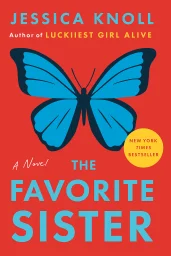
The Favorite Sister
by Jessica Knoll
