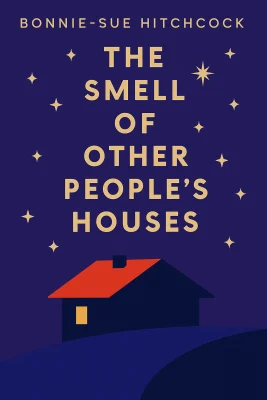
The Smell of Other People's Houses
Categories
Fiction, Audiobook, Historical Fiction, Young Adult, Family, Book Club, Historical, Contemporary, Coming Of Age, Realistic Fiction
Content Type
Book
Binding
Kindle Edition
Year
2016
Publisher
Wendy Lamb Books
Language
English
ASIN
B00Y6Q9BB8
ISBN
0553497804
ISBN13
9780553497809
File Download
PDF | EPUB
The Smell of Other People's Houses Plot Summary
Introduction
In the frozen heart of Alaska, 1970, four teenagers discover that survival requires more than just enduring the brutal cold. Ruth Lawrence stands before a cracked mirror in her grandmother's sterile house, watching her reflection fracture like ice under pressure. Her swelling belly tells a story she never intended to write. Across town, Dora Peters clutches a lottery ticket with numbers that could change everything, while her father's drunken rage echoes through paper-thin walls. Meanwhile, three brothers—Hank, Sam, and Jack—huddle in the darkness of their ramshackle home, listening to their mother's new boyfriend's heavy footsteps, planning an escape that will tear their family apart forever. The smell of other people's houses clings to them all—the cedar scent of wealth that Ruth briefly tasted, the smoky warmth of Dumpling's native family that Dora desperately craves, the salt air of fishing boats that calls to the brothers like a siren song. In this harsh landscape where statehood has brought change but not hope, these young souls will discover that sometimes the only way to find home is to lose everything else first.
Chapter 1: Shattered Foundations: Lives Disrupted in Alaska
Ruth's fingers trace the faded photograph of her parents dancing in their kitchen, her father's bloody hands tangled in her mother's red hair after butchering a fresh deer. The memory feels like a dream now, ten years after the plane crash that took her father and the breakdown that claimed her mother. Living with Gran means rules carved in ice—no vanity, no joy, no questions about the mother who disappeared into the wilderness of her own mind. The swimming pool's chlorine burns Ruth's nostrils as she watches Ray Stevens slice through the water like a golden knife. His family's cedar house smells of money and possibility, offering refuge from Gran's suffocating silence. When Ray's calloused hands pull her close in his queen-sized bed, Ruth believes she's finally found something beautiful. The lies taste sweet as honey until Mrs. Stevens discovers them together, her disappointed eyes reflecting the truth Ruth refuses to see—she's just another conquest for a boy who collects broken girls. Across town, Dora Peters presses her ear against the thin bedroom wall, counting her father's heavy footsteps. Each creak of the floorboard marks time until his next explosion. The Ice Classic ticket trembles in her palm, five dollars and thirty-seven cents written in Crazy Dancing Guy's mystical numbers. Two thousand dollars could buy locks for every door, could buy distance from the reek of whiskey and rage that permeates her childhood home. At Dumpling's house, the air smells like woodsmoke and unconditional love. Here, Dora tastes what family should be—parents who speak softly, who touch gently, who make akutuq just because it's her favorite dessert. But even sanctuary has invisible boundaries, and Dora knows that kindness doesn't always mean permanence.
Chapter 2: Desperate Measures: Pregnancy, Escape, and Unexpected Fortune
Ruth's secret grows heavier with each passing day, her body betraying her attempts at invisibility. The saltine crackers stolen from Gran's pantry provide temporary relief from the nausea that threatens to expose everything. Ray walks past her in the hallways now, his arm linked with Della May's, acting as if Ruth never existed. The cruelty of erasure cuts deeper than any harsh word ever could. When Gran silently makes reservations for a bus to Canada, Ruth understands the unspoken verdict. No tears, no explanations, just the cold efficiency of shame being quietly disposed of. The ticket appears on Ruth's dresser like a death sentence, accompanied by Gran's mechanical instructions about travel documents and appropriate behavior. Meanwhile, the Ice Classic numbers dance in Dora's head like a prayer finally answered. The tripod falls at exactly ten thirty-seven, just as Crazy Dancing Guy predicted, and suddenly the poorest girl in Birch Park holds a winning ticket worth two thousand dollars. The money sits in the bank like a shield against her father's grasping hands, but Dora knows that even locked accounts can't protect her from the violence brewing in her childhood home. Hank stares at his brothers sleeping fitfully in their shared bed, Nathan's drunken snores echoing through the house like a warning siren. Their mother has chosen her new life over her children's safety, leaving Hank to carry responsibilities that should never burden seventeen-year-old shoulders. The old newspaper clippings in their father's boxes speak of better times, when Alaska was still wild and free, before everything changed.
Chapter 3: Crossing Paths: Unlikely Connections Formed
Ruth sits alone on the church steps, her expanding belly hidden beneath a borrowed sweatshirt, watching the river flow past like time itself. Dumpling appears beside her like a guardian angel, her presence offering comfort without judgment. The red ribbon in Dumpling's hair tells stories of salvation and sacrifice—cut from a slip rescued during the great flood, a symbol of her father's love for her mother. Their conversation flows like water finding its natural course. Dumpling speaks of villages where babies are gifts to the entire community, where shame doesn't exist for something as natural as new life. When she ties half her ribbon around Ruth's wrist, it carries the weight of possibility—maybe this story doesn't have to end in tragedy. At the Sno-Go bar, cigarette smoke creates a hazy sanctuary where Dora's mother and her friends lose themselves in laughter and cheap beer. The smell of spilled alcohol mingles with broken dreams, creating an atmosphere where hope dies slowly, one drink at a time. Dora understands the appeal—sometimes drowning feels easier than swimming upstream against endless current. The brothers huddle together in their father's garage, surrounded by boxes that smell like Old Spice aftershave and abandoned dreams. The newspaper clippings speak of political battles and failed causes, but Jack's intuitive nature senses something more—a restless spirit urging them toward freedom. When the window blows open, scattering their father's papers like ghostly wings, they know it's time to run.
Chapter 4: Distant Shores: Ruth's Convent Journey and Sam's Ocean Rescue
The bus carries Ruth through endless Canadian wilderness toward Our Lady of Perpetual Sorrow, where ancient nuns move like black birds through corridors thick with incense and judgment. Sister Agnes's potato face reflects decades of disapproval, while Sister Bernadette's gentle hands offer tea and tissues when the weight of solitude becomes unbearable. In these halls that once housed her grandmother as a wild child, Ruth discovers fragments of family history buried beneath years of silence. The irony tastes bitter—Gran, who crushed every spark of joy from Ruth's childhood, once danced through these same rooms with rebellious laughter. The abbess speaks of Ruth as family, but blood and belonging feel like foreign concepts to a girl raised on emotional starvation. Miles away, the M/V Matanuska cuts through dark waters while three brothers hide among the baggage, breathing diesel fumes and desperation. Their escape feels like flying until Sam's fascination with the orcas leads him too close to the rail. The Pacific's icy embrace swallows him whole, pulling him into depths where only whales sing lullabies. Alyce watches from the Pelican as Sam's unconscious body rises to the surface, supported by an orca's gentle nudge. The whale's black eye holds ancient wisdom as it helps guide the boy toward salvation. In that moment, surrounded by clicking calls and salt spray, destiny shifts like tide—three lives intertwining across impossible distances, connected by threads invisible but unbreakable.
Chapter 5: Breaking Points: Confronting Violence and Hard Choices
Dora's father emerges from jail like a rabid animal, his orange jumpsuit and bloodshot eyes promising violence. The white van's crooked bumper grins like a broken smile as he corners Dora beside the merry-go-round where children should play safely. His demands for her Ice Classic winnings echo through Birch Park like gunshots, shattering the illusion that money can buy protection from family demons. When he raises the hunting rifle, Dora feels something crack open inside her chest—not fear, but fury. Years of cowering in dark corners culminate in this moment of crystalline clarity. "Shoot me," she tells him, her voice steady as bedrock. The words hang in the air like a challenge to destiny itself. For once, she refuses to be the victim of someone else's choices. The police sirens wail like banshees as they drag her father away in handcuffs, but the damage extends beyond visible bruises. Dora's mother lies broken on a stretcher, her swollen eyes testament to love corrupted by alcohol and self-hatred. The ambulance's red lights paint the neighborhood crimson, marking the end of one story and the violent birth of another. At the convent, Ruth's labor begins with the first frost, her body betraying her just as everything else has. The pain comes in waves like punishment for every moment of teenage foolishness, every stolen kiss that led to this reckoning. Sister Bernadette holds her hand while she pushes a new life into the world, a perfect daughter who will never know her mother's name.
Chapter 6: Healing Waters: The Power of Forgiveness and Second Chances
The couple with kind eyes and calloused hands smell like possibility when they approach Ruth outside the convent walls. Their lime-green car holds dreams of hunting lessons and bedtime stories, of a life where children are wanted rather than endured. The woman clutches wildflowers in a whiskey bottle—the same vessels Ruth's mother once used to bring beauty into their tiny house. When Ruth ties the red ribbon around the woman's wrist, she's not just giving away fabric—she's offering her daughter a tether to love, a connection to the family story that began with dancing parents and deer hearts still warm with life. The abbess speaks of God's plan, but Ruth knows this decision comes from somewhere deeper than faith—from a mother's fierce love that transcends possession. On the fishing boat Squid, Sam slowly awakens to a world that smells like diesel and possibility. Uncle Gorky's strong hands teach him the rhythm of honest work while Alyce watches with eyes that hold starlight. The ocean that nearly claimed him now offers redemption, each salmon they pull from the depths proof that second chances swim in the deepest waters. Dumpling opens her eyes in the hospital to find Dora's tear-stained face hovering above like an angel. The three-wheeler accident that nearly killed her becomes the catalyst for deeper healing—not just broken bones and punctured lungs, but the wounds that families carry across generations. In that sterile room, friendship proves stronger than blood, chosen family more powerful than genetic destiny.
Chapter 7: Convergence: Reunions and New Beginnings in Fairbanks
The yellow Datsun limps into Fairbanks like a wounded animal, carrying two brothers toward a destiny written in soap bars and crumpled paper towels. Jack's intuitive nature guides them through the crowd at The Nutcracker audition, where ballet dancers float like angels and broken families find their missing pieces. When Sam emerges from backstage, roses in hand and Alyce's eyes shining beside him, the impossible becomes inevitable. Brothers collide in desperate embraces while the audience witnesses magic more powerful than any staged performance. Hank's tears wash away months of believing Sam was dead, while Jack's quiet wisdom holds them all together like gravity itself. Ruth steps off the bus into winter's embrace, her empty arms aching with phantom weight. But the ribbon on her wrist connects her to a daughter who will grow up loved, to a couple who will teach her about backstrap and bluebells, about homes that smell like cedar and acceptance. Gran waits on the platform, smaller and frailer than memory painted her, holding redemption in trembling hands. At the Lawrence house, Lily has baked a cake that smells like forgiveness. Dumpling and Dora sit at the kitchen table where judgment once lived, their presence transforming sterile space into sanctuary. The wounds remain—some scars never fully fade—but healing has begun in the most unlikely places, carried by teenagers who refused to let their stories end in darkness.
Summary
In the harsh beauty of Alaska's wilderness, four young souls discovered that survival requires more than enduring cold—it demands the courage to rewrite the stories that bind us. Ruth's baby grows up wrapped in red ribbon and unconditional love, never knowing the sacrifice that gave her life meaning. Dora finds permanent sanctuary in Dumpling's family, where fish camp summers replace nightmares and chosen bonds prove stronger than blood. The three brothers rebuild their fractured family from memory and determination, learning that some separations make reunion even sweeter. Alaska itself becomes a character in their transformation—its frozen rivers and endless skies witnessing the moment when children choose to become something greater than their circumstances. The smell of other people's houses no longer represents exile but possibility, each new scent a doorway to belonging. In a land where statehood promised change, these teenagers discovered that the most profound revolutions happen not in politics but in the human heart, where love can bloom even in the harshest winters, and home is not a place but a choice to keep faith alive against impossible odds.
Best Quote
“We don't have to be blood to be family.” ― Bonnie-Sue Hitchcock, The Smell of Other People's Houses
Review Summary
Strengths: The review highlights the book's evocative setting, particularly its depiction of Alaska, and praises the lyrical and sensory writing style. The character development is noted as exceptional, with each of the four narrators—Ruth, Dora, Alyce, and Hank—having well-developed and emotionally resonant stories. The thematic focus on "found family" is also emphasized as a standout element, with memorable side characters contributing to the narrative depth. Overall: The reviewer expresses a highly positive sentiment, describing the book as an impactful and beautifully written journey that restores faith in humanity and the concept of chosen family. The recommendation level is very high, with no complaints noted.
About Author

Bonnie-Sue Hitchcock
Hitchcock explores the intricate landscapes of family dynamics and identity through the lens of Alaska's raw beauty and challenges. Her writing, deeply rooted in her personal experiences in Alaska, extends into themes of adolescence and resilience. Whereas her career began in journalism and commercial fishing, these elements now inform her realistic narratives, which eschew dramatic plots for subtle and introspective character studies. By focusing on the quiet stories that unfold beneath Alaska's rugged exterior, Hitchcock's works resonate with authenticity and emotional depth.\n\nHer debut book, "The Smell of Other People's Houses", reflects this approach by interweaving the lives of four teenagers in 1970s Alaska, tackling complex issues such as alcoholism and family secrets. Meanwhile, "Everyone Dies Famous in a Small Town" continues this thematic exploration within the context of interconnected stories set in rural communities. Both works illustrate her ability to capture the nuances of life in isolated settings, appealing to readers interested in rich, character-driven tales.\n\nBonnie-Sue Hitchcock's books have received significant recognition, including shortlistings for the Carnegie Medal and a win at the Deutscher Jugendliteraturpreis. Her literary bio, therefore, provides insight into a unique narrative style that emphasizes the intersection of environment and personal growth. Readers who appreciate deep dives into character development and the unsentimental realities of life in remote regions will find her work particularly compelling.
Read moreDownload PDF & EPUB
To save this Black List summary for later, download the free PDF and EPUB. You can print it out, or read offline at your convenience.
The Smell of Other People's Houses
by Bonnie-Sue Hitchcock
