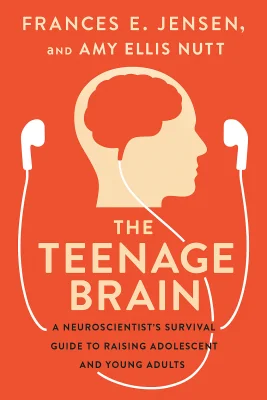
The Teenage Brain
A Neuroscientist's Survival Guide to Raising Adolescents and Young Adults
Categories
Nonfiction, Self Help, Psychology, Health, Science, Parenting, Education, Audiobook, Neuroscience, Teaching
Content Type
Book
Binding
Hardcover
Year
2015
Publisher
Harper
Language
English
ASIN
0062067842
ISBN
0062067842
ISBN13
9780062067845
File Download
PDF | EPUB
The Teenage Brain Plot Summary
Introduction
Imagine watching a Ferrari with a novice driver behind the wheel - powerful engine ready to roar but lacking the experienced hands to control it. This metaphor perfectly captures the teenage brain: primed with potential yet still developing the neural connections needed for optimal control. While teenagers may physically resemble adults, their brains tell a different story - one of dramatic reconstruction and development that continues well into their twenties. The teenage years represent a critical window in brain development, second only to early childhood in terms of neural plasticity and growth. During this period, the brain undergoes extensive remodeling, particularly in regions responsible for decision-making, impulse control, and emotional regulation. Understanding these neurological changes helps explain behaviors that often baffle parents and teachers - from seemingly irrational risk-taking to emotional volatility and changing sleep patterns. This knowledge isn't merely academic; it provides practical insights for supporting adolescents through this transformative stage while protecting them from potential harms that could have lifelong consequences.
Chapter 1: The Developing Brain: A Work in Progress
The teenage brain exists in a fascinating state of transition - neither child nor fully adult. While it has reached approximately 80 percent of its adult volume by adolescence, the remaining 20 percent represents crucial development, particularly in the prefrontal cortex. This region, responsible for executive functions like planning, decision-making, and impulse control, doesn't fully mature until the mid-twenties. Think of the prefrontal cortex as the brain's CEO - capable of weighing consequences, moderating emotional responses, and making strategic decisions. In teenagers, this CEO is still in training. Meanwhile, the limbic system - the brain's emotional center - develops much earlier. This creates a significant imbalance where emotional responses often overpower rational thinking. Imagine driving a car where the accelerator works perfectly but the brakes are still being installed - this explains why teenagers can experience intense emotions without the full capacity to regulate them. Brain imaging studies confirm this developmental pattern: when faced with emotional stimuli, teenage brains show heightened activity in the amygdala (the emotional alarm system) and reduced activity in the prefrontal cortex compared to adults. During adolescence, the brain undergoes two critical processes: synaptic pruning and myelination. Synaptic pruning eliminates unnecessary neural connections while strengthening frequently used pathways - essentially streamlining the brain for efficiency. This "use it or lose it" principle explains why experiences during adolescence can have such lasting impacts. Activities and skills practiced during this period tend to become hardwired into the brain architecture. Simultaneously, myelination - the process of insulating neural pathways with a fatty substance called myelin - accelerates, allowing electrical signals to travel up to 100 times faster through the brain. This is like upgrading from dial-up internet to high-speed fiber optics. This period of neural plasticity creates both vulnerability and opportunity. The malleable teenage brain absorbs new information and skills with remarkable efficiency - explaining why adolescents can learn languages, musical instruments, or athletic skills more readily than adults. However, this same plasticity makes teenagers particularly susceptible to negative influences, including stress, substances, and sleep disruption, which can interfere with optimal brain development. Understanding the biology behind teenage behavior helps us recognize that adolescents aren't being deliberately difficult or irrational. Their brains are literally wired differently during this transitional period. When parents and educators appreciate that teenage impulsivity or emotional reactivity stems from genuine neurological development rather than willful defiance, they can provide more effective guidance and support. The goal isn't to excuse problematic behavior but to respond with strategies that acknowledge the unique state of the adolescent brain. The developing teenage brain represents an evolutionary adaptation that serves important purposes. The surge in risk-taking and novelty-seeking behaviors helps adolescents separate from their families, explore their environment, and establish independence - necessary steps toward adulthood. Throughout human history, these traits helped young people discover new resources and establish their place in society. The challenge in modern society is creating environments that channel these natural tendencies toward positive growth while protecting teenagers from their neurological vulnerabilities.
Chapter 2: Risk-Taking: The Science Behind Adolescent Choices
Teenagers have a reputation for making questionable decisions, from dangerous driving to experimenting with substances. Contrary to popular belief, this isn't because they can't identify risks - by age fifteen, most adolescents can logically assess whether an activity is dangerous. The real issue lies in how their brains process the balance between potential risks and rewards. The teenage brain experiences a heightened response to rewards due to increased activity in the nucleus accumbens and ventral tegmental area - key components of the brain's reward system. These reward centers release dopamine, the neurotransmitter associated with pleasure and motivation, more abundantly in adolescent brains than in adults. Research demonstrates that when anticipating rewards, teenage brains show approximately 50 percent more activity in these regions than adult brains. This creates a neurological bias toward reward-seeking that can overwhelm rational assessment of risks. Stanford researchers found that when subjects chose risky options in financial decisions, their nucleus accumbens showed heightened activity during reward anticipation. For teenagers, with their already hyperactive reward centers, this anticipatory excitement can be overwhelming. The teenage brain's reward sensitivity is compounded by the still-developing connection between the emotional limbic system and the rational prefrontal cortex. In adults, the prefrontal cortex can effectively regulate impulses from the reward centers through well-established neural pathways. In teenagers, these connections are still forming, resulting in a brain that's highly motivated by immediate rewards but less capable of applying the brakes when necessary. This explains why teenagers might intellectually understand the dangers of texting while driving but still engage in the behavior - the immediate reward of social connection temporarily outweighs the abstract risk of an accident. Peer influence magnifies these neurological tendencies to a degree not seen in adults. The adolescent brain processes social information in close proximity to its reward centers, making peer approval particularly rewarding. In one revealing study, researchers placed teenagers in driving simulators and monitored their risk-taking behaviors when alone versus when peers were watching. The results were striking: adolescents took twice as many risks when peers were present, while adults showed no significant difference in behavior regardless of who was watching. Brain scans revealed that the mere presence of peers activated reward centers in teenage brains, making risky behaviors seem more appealing. Evolution may explain this seemingly counterproductive phase of development. Risk-taking and novelty-seeking behaviors help adolescents separate from their families and explore their environment - necessary steps toward independence. Throughout human history, these traits helped young people discover new resources and establish their place in society. The problem today is that modern risks - from driving at excessive speeds to experimenting with drugs - are far more dangerous than the risks our ancestors faced, while the brain's risk-assessment mechanisms remain largely unchanged. Understanding the neuroscience behind teenage risk-taking allows parents and educators to develop more effective strategies for guiding adolescents. Rather than simply prohibiting risky behaviors or assuming teenagers are being deliberately defiant, adults can help teens find safer outlets for their natural drive toward excitement and new experiences. Activities like competitive sports, creative arts, or challenging academic pursuits can channel the teenage appetite for novelty and stimulation in positive directions while providing the external prefrontal regulation their brains temporarily lack.
Chapter 3: Sleep Patterns and Learning Capacity
The teenage sleep pattern represents a perfect storm of biological changes colliding with social expectations. During puberty, the brain begins producing melatonin - the hormone that signals sleepiness - approximately two hours later than in childhood. This biological shift transforms adolescents from early risers into night owls, making it nearly impossible for most teenagers to fall asleep before 11 PM, regardless of how tired they feel or how early they need to wake up. This isn't laziness or defiance - it's a fundamental change in brain chemistry that scientists call "sleep phase delay." This biological change directly conflicts with typical school schedules. While teenagers need 8-10 hours of sleep for optimal brain function, the average high school student gets less than 7 hours on school nights. When schools in Minneapolis shifted their start times from 7:25 AM to 8:30 AM, the results were remarkable: improved attendance, better grades, reduced depression symptoms, and fewer car accidents involving teenage drivers. These findings aren't surprising when we understand the crucial role sleep plays in brain function and development during adolescence. Sleep is essential for memory consolidation and learning. During deep sleep, the brain transfers information from short-term to long-term memory through a process called hippocampal replay, where neural patterns from the day's learning are reactivated and strengthened. Studies at Harvard Medical School found that students who studied before sleeping retained information significantly better than those who didn't sleep after studying. For teenagers learning complex material in school, adequate sleep isn't a luxury - it's a biological necessity for effective learning. One study found that students who pulled all-nighters before exams scored significantly lower than those who prioritized sleep, even if they spent less time studying. Beyond memory consolidation, sleep affects emotional regulation - a particularly important function during the emotional rollercoaster of adolescence. The amygdala - the brain's emotional center - becomes hyperreactive without adequate sleep, while connections to the prefrontal cortex weaken. This explains why sleep-deprived teenagers often appear irritable, emotional, or unable to handle normal stressors. In one revealing study, sleep-deprived adolescents showed a 60% increase in emotional reactivity to negative stimuli compared to well-rested peers. These mood disturbances can further impair learning and social functioning, creating a negative spiral. Sleep deprivation also impairs executive functions like attention, decision-making, and impulse control - all abilities already challenged by normal adolescent brain development. Reaction times slow, creativity diminishes, and problem-solving abilities deteriorate. Some studies show that being awake for 18 consecutive hours produces cognitive impairments equivalent to having a blood alcohol concentration of 0.05% - yet we routinely send sleep-deprived teenagers to school expecting peak performance. The effects are particularly pronounced for tasks requiring the prefrontal cortex - precisely the brain region already underdeveloped in teenagers. Parents can help by creating environments conducive to healthy sleep. Removing electronic devices from bedrooms is particularly important, as the blue light from screens suppresses melatonin production by approximately 22%, making it harder for teens to fall asleep. Establishing consistent sleep schedules, even on weekends, helps maintain circadian rhythms. Perhaps most importantly, parents can advocate for later school start times that align with adolescent biology rather than adult convenience. Understanding the science behind teenage sleep patterns allows us to approach this issue with empathy rather than frustration, recognizing that teens aren't being deliberately difficult but are responding to genuine biological imperatives.
Chapter 4: Substance Effects on the Developing Brain
The teenage brain responds to substances differently than the adult brain, creating a perfect storm of vulnerability. While all substance use carries risks, the consequences for adolescents are more severe and potentially longer-lasting due to their brain's heightened plasticity and ongoing development. This vulnerability manifests in two critical ways: teens become addicted more easily, and the damage to their developing neural pathways can be permanent rather than temporary. Alcohol affects teenage brains differently than adult brains in counterintuitive ways. Adolescents are less sensitive to alcohol's sedative effects - they don't get as drowsy or uncoordinated as adults with the same blood alcohol level. This reduced sensitivity to immediate negative effects removes a natural barrier to excessive consumption. However, while teens may not feel as impaired, alcohol severely disrupts their brain's learning and memory functions. Studies examining long-term potentiation - the process essential for forming memories - found that alcohol blocks this process more completely in adolescent brains than in adult brains. Research at the University of California, San Diego, discovered that teens who drink heavily show reduced hippocampal volume compared to non-drinking peers, with measurable deficits in verbal and visual-spatial learning that can persist long after drinking stops. Marijuana use during adolescence carries unique risks due to the abundance of cannabinoid receptors in the developing brain. These receptors play important roles in brain development, particularly in regions responsible for memory, decision-making, and emotional regulation. THC, the psychoactive component in cannabis, binds to these receptors and disrupts their normal function during a critical developmental window. A landmark study from New Zealand followed cannabis users from adolescence to adulthood and found that those who began using regularly before age 17 showed an average 8-point drop in IQ that persisted into adulthood, even after controlling for other factors. This finding is particularly concerning given the increasing potency of modern cannabis products and growing perception among teenagers that marijuana is harmless. The risk of addiction is dramatically higher when substance use begins in adolescence. Research indicates that people who begin drinking before age 15 are four times more likely to develop alcohol dependence later in life than those who wait until age 21. Similarly, adolescents who use marijuana regularly are twice as likely to develop addiction compared to adults who begin using at the same rate. This increased vulnerability stems from the teenage brain's enhanced synaptic plasticity - the same quality that makes it so adept at learning also makes it more susceptible to the rewiring effects of addictive substances. Neuroimaging studies show that substance use during adolescence alters the development of neural pathways involved in motivation, reward processing, and impulse control. Hard drugs like cocaine, methamphetamine, and opioids exploit the adolescent brain's heightened dopamine response in the reward pathway. Studies with laboratory animals show that adolescent brains release more dopamine in response to these substances and develop tolerance and dependence more rapidly than adult brains. Perhaps most concerning, these changes can persist into adulthood, creating lifelong alterations in brain function and increased vulnerability to addiction even after the substance use stops. This helps explain why over 90% of adults with substance use disorders began using before age 18. Understanding these neurobiological vulnerabilities provides compelling scientific reasons for delaying substance use until adulthood. Parents and educators can use this knowledge to move beyond simple prohibitions to evidence-based discussions about how substances specifically affect the developing brain. When teenagers understand the science behind why their brains are particularly vulnerable during this developmental window, they may make more informed decisions about substance use. This approach acknowledges adolescents' growing autonomy while providing them with accurate information about the unique risks they face during this critical period of brain development.
Chapter 5: Digital Media and Cognitive Development
The digital revolution has created unprecedented challenges and opportunities for the developing teenage brain. Today's adolescents are the first generation to grow up fully immersed in digital technology, with their neural development occurring alongside constant connectivity. This technological environment interacts with the teenage brain's unique developmental characteristics in ways that can either enhance or impair cognitive growth. The teenage brain's reward system responds powerfully to digital stimulation. Each notification, message, or like triggers a small dopamine release in the brain's reward pathway - the same system activated by food, social connection, and addictive substances. This neurochemical response explains why teens can develop such intense attachments to their devices. In a revealing experiment at the University of Maryland, students asked to abstain from all media for 24 hours reported symptoms remarkably similar to drug withdrawal, using language like "itching like a crackhead" and describing feelings of anxiety, panic, and even physical distress. Brain imaging studies provide compelling evidence that excessive digital engagement can alter brain structure and function, with some research finding decreased gray matter in regions responsible for cognitive control and emotional regulation among heavy users. Multitasking, a hallmark of digital natives, presents a significant challenge to the developing brain. Despite teenagers' confidence in their ability to multitask effectively, research consistently shows that attempting to process multiple streams of information simultaneously impairs learning. When students switch between studying and checking social media, their brains must repeatedly engage in a process called "task-switching," which consumes cognitive resources and reduces efficiency. Studies demonstrate that homework takes 25-400% longer when students multitask, yet teens report feeling more satisfied when combining activities - confusing emotional satisfaction with actual productivity. This disconnect occurs because digital multitasking provides a steady stream of small dopamine rewards that feel good in the moment but ultimately undermine learning and cognitive development. Video gaming presents a particularly complex case for adolescent brain development. Moderate gaming can enhance certain cognitive skills - studies show improvements in visual-spatial abilities, working memory, and problem-solving among gamers. However, excessive gaming correlates with concerning brain changes. Research from China found that adolescents who met criteria for gaming addiction showed reduced connectivity to their frontal lobes and increased connectivity in reward circuits associated with addiction. These neural changes corresponded with higher scores on tests for risk-taking behavior and impulsivity. The key distinction appears to be between moderate, controlled gaming and excessive use that displaces other developmental activities like face-to-face social interaction, physical exercise, and adequate sleep. Sleep disruption represents one of the most significant impacts of digital technology on teenage brain health. The blue light emitted by screens suppresses melatonin production by approximately 22%, delaying the onset of sleep. Combined with the social pressure to remain constantly connected, this physiological effect contributes to chronic sleep deprivation among adolescents. One study found that teenagers who used electronic devices in the hour before bedtime were three times more likely to get insufficient sleep than those who avoided screens. Given that sleep is essential for memory consolidation, emotional regulation, and overall brain development, this technology-induced sleep disruption has cascading negative effects on cognitive function. Despite these concerns, digital technology also offers significant benefits for adolescent cognitive development when used appropriately. Educational applications and online learning platforms can provide personalized learning experiences that adapt to individual needs. Creative digital tools allow teenagers to express themselves and develop technical skills valuable for future careers. Global connectivity exposes adolescents to diverse perspectives and information sources that previous generations couldn't access. The goal isn't to eliminate technology from teenage life but to help adolescents develop healthy relationships with digital tools that enhance rather than impair their developing brains.
Chapter 6: Gender Differences in Brain Maturation
Male and female adolescent brains follow somewhat different developmental trajectories, influenced by both biology and environment. These differences don't determine capability or potential, but they do help explain some patterns observed during adolescence and provide insights for supporting all teenagers through this crucial developmental period. Neuroimaging studies reveal that female brains typically mature earlier than male brains in several key regions. The prefrontal cortex, responsible for judgment, decision-making, and impulse control, develops up to two years earlier in females. This earlier maturation may contribute to girls' typically lower rates of risk-taking behavior and disciplinary problems during early adolescence. Researchers at the National Institute of Mental Health tracked brain development in nearly 400 children and teenagers, finding that while both genders eventually reach the same developmental endpoints, they follow different paths to get there. Girls showed peak gray matter volume (a marker of neural development) in the frontal lobes around age 11, while boys reached this milestone around age 13. Connectivity patterns also differ between male and female brains. Female brains generally show stronger connections between hemispheres, particularly through the corpus callosum - the bridge of nerve fibers connecting the left and right sides of the brain. Male brains tend to have stronger connections within each hemisphere. These different connectivity patterns may contribute to slight differences in cognitive approaches, with females often showing advantages in multitasking and verbal fluency, while males sometimes demonstrate strengths in spatial reasoning tasks. A study published in the Proceedings of the National Academy of Sciences found that female brains showed greater connectivity between analytical and intuitive processing regions, potentially facilitating integration of information across different modes of thinking. Hormonal influences play a significant role in these developmental differences. The surge of estrogen during female puberty affects brain development differently than the testosterone increase in males. Estrogen appears to enhance connections between the prefrontal cortex and limbic system, potentially contributing to females' generally stronger emotional recognition skills. Testosterone influences the development of areas involved in spatial reasoning and physical aggression regulation. These hormonal effects help explain why certain mental health conditions show gender-based patterns in adolescence - anxiety and depression become more prevalent in girls after puberty, while attention disorders and conduct problems are more common in boys. These biological differences interact with powerful social and cultural expectations. From early childhood, different behaviors are often encouraged or discouraged based on gender, creating environmental influences that shape neural development. The brain's plasticity means these experiences literally mold the developing brain, reinforcing certain pathways while allowing others to weaken through disuse. For instance, when girls receive more encouragement for verbal expression and boys for physical activity, these differences become reinforced at the neural level through repeated practice and feedback. Understanding this interaction between biology and environment helps us recognize how gender differences in brain development reflect both nature and nurture. It's crucial to note that these differences represent statistical averages with enormous individual variation. Many girls excel at traditionally "male" cognitive tasks, and many boys show strengths in areas where females typically perform better. The differences between individuals within each gender far exceed the average differences between genders. Additionally, these patterns reflect current understanding based on a binary gender model; research on transgender and non-binary adolescent brain development is still emerging and suggests that brain development may align more with gender identity than biological sex in some aspects. Understanding these developmental patterns can help parents and educators provide appropriate support while avoiding harmful stereotypes. Recognizing that boys may need additional support with verbal skills or impulse control doesn't mean limiting their potential, just as acknowledging girls' earlier prefrontal development doesn't mean expecting perfect behavior. The goal is to support each teenager's unique developmental journey with awareness of both biological influences and cultural expectations.
Chapter 7: Stress, Mental Health and Resilience
The adolescent brain responds to stress differently than the adult brain, creating both vulnerabilities and opportunities during this critical developmental period. When faced with stress, the teenage brain shows greater activation in the amygdala - the emotional alarm center - and less activation in the prefrontal cortex compared to adults. This neurological imbalance explains why teenagers often react more emotionally to stressors that adults might handle with greater equanimity. Additionally, the stress hormone cortisol affects adolescent brains differently, sometimes remaining elevated longer after stressful events and potentially interfering with learning and memory formation. This heightened stress reactivity coincides with a period when mental health disorders frequently emerge. Approximately 50% of all lifetime mental health conditions begin by age 14, and 75% by age 24. The neurological remodeling of adolescence creates a period of vulnerability when stress can trigger underlying genetic predispositions to conditions like depression, anxiety disorders, and schizophrenia. Brain imaging studies show that chronic stress during adolescence can actually alter the structure and function of key brain regions, including the hippocampus (crucial for memory) and prefrontal cortex (essential for emotional regulation). Animal studies reveal that while adult brains typically recover from stressful periods within about ten days, adolescent brains showed effects that persisted for weeks and sometimes resulted in permanent alterations to brain structure. Social stressors take on particular significance during adolescence. The teenage brain is exquisitely sensitive to social rejection, with neuroimaging studies showing that social exclusion activates the same brain regions as physical pain. This heightened sensitivity occurs precisely when social dynamics become more complex and peer relationships gain paramount importance, creating a perfect storm for social anxiety and related challenges. Researchers at UCLA demonstrated this phenomenon by having teenagers play a computer game where they were gradually excluded by other players. Brain scans showed that the pain of this exclusion activated the anterior cingulate cortex - the same region that registers physical pain - more strongly in adolescents than in adults. Gender differences in stress response become pronounced during adolescence. After puberty, girls show greater activation in emotional processing regions when faced with stressors and are twice as likely to develop depression and anxiety disorders compared to boys. This difference may relate to both hormonal influences and the different connectivity patterns in male and female brains. Girls typically show stronger connections between the prefrontal cortex and limbic system, potentially making them more aware of emotional states but also more vulnerable to rumination and emotional distress when these systems are still developing. Despite these vulnerabilities, adolescence also represents a prime opportunity for developing resilience. The same neuroplasticity that creates vulnerability also allows for positive adaptation and growth. When teenagers successfully navigate challenges with appropriate support, their brains strengthen neural pathways that enhance emotional regulation and stress management. These positive adaptations can provide lifelong benefits for mental health and wellbeing. Studies of resilient adolescents show that they typically have three key protective factors: at least one stable, caring relationship with an adult; opportunities to develop a sense of mastery; and experiences that build a sense of control and agency. Mindfulness practices show particular promise for teenage brain development and stress management. Research demonstrates that regular mindfulness training strengthens connections between the prefrontal cortex and emotional centers, enhancing emotional regulation. One study found that adolescents who participated in an eight-week mindfulness program showed reduced amygdala reactivity and increased prefrontal activation when exposed to emotional stimuli. Physical exercise provides similar benefits, reducing stress hormones while increasing brain-derived neurotrophic factor (BDNF), a protein that supports neural growth and connectivity. These approaches work with rather than against adolescent brain development, helping teenagers build the neural architecture that will support mental health throughout life.
Summary
The teenage brain represents one of nature's most remarkable works in progress - a complex organ undergoing a massive renovation while still fully operational. This neurological transformation explains why adolescents can simultaneously appear so grown-up yet so immature, so brilliant yet so impulsive. The key insight is that teenage behavior isn't primarily driven by hormones or rebellion, but by a brain that's developing in a specific sequence: emotional centers mature before the prefrontal regions responsible for judgment and impulse control. This developmental mismatch creates both vulnerabilities and opportunities. The heightened neuroplasticity of adolescence makes teenagers especially responsive to both positive and negative influences - from educational experiences and meaningful relationships to substances and chronic stress. This explains why habits formed during the teenage years often persist into adulthood, for better or worse. For parents, educators, and society at large, the challenge becomes creating environments that protect adolescents from their neurological vulnerabilities while simultaneously providing the right kinds of challenges and supports to capitalize on this unique period of brain development. How might our educational systems, family structures, and even legal frameworks evolve if they were designed around the realities of adolescent brain development rather than outdated notions of teenage behavior?
Best Quote
“Well, no,” you have to say, “your brain is sometimes an explanation; it’s never an excuse.” ― Frances E. Jensen, The Teenage Brain: A Neuroscientist's Survival Guide to Raising Adolescents and Young Adults
Review Summary
Strengths: Translating complex neuroscience into accessible language stands out as a major strength, making the book approachable for a broad audience. The authors' ability to blend personal anecdotes with scientific research adds depth and relatability. Compassionate insights into adolescent brain development, informed by Jensen’s dual role as a neuroscientist and mother, are particularly impactful. The narrative style is engaging, and practical advice on communication and fostering development is highly valued. Weaknesses: Repetition in explanations is noted, suggesting a need for more concise delivery. Some readers express a desire for deeper exploration, particularly regarding technology's impact on the teenage brain. Overall Sentiment: The book receives a warm reception as an enlightening and useful resource for understanding adolescence from a neurological perspective. It is widely regarded as both informative and practical. Key Takeaway: Understanding the teenage brain's unique developmental phase provides opportunities for growth and highlights vulnerabilities, emphasizing the importance of informed communication and support during adolescence.
About Author

Frances E. Jensen
Jensen illuminates the intricate world of adolescent brain development, offering insights that bridge scientific discovery and public understanding. Her primary focus lies in the unique characteristics of the teenage brain, a theme that resonates throughout her seminal book, "The Teenage Brain: A Neuroscientist’s Survival Guide to Raising Adolescents and Young Adults." In this work, she addresses the complex interplay between neurological growth and behavior, highlighting how these factors contribute to both the vulnerabilities and strengths of adolescents. Her methodical approach combines cutting-edge research with practical advice, creating a rich narrative that enhances readers' comprehension of teenage behavior.\n\nThrough her accessible writing, Jensen adeptly transforms complicated neuroscientific concepts into clear, engaging narratives. Her dual role as a scientist and a parent allows her to empathize with the challenges faced by those guiding young adults, thus offering valuable strategies and fostering empathy. This author excels at breaking down myths surrounding adolescence, therefore providing a more nuanced perspective that benefits parents, educators, and healthcare professionals. Jensen's book is not just a resource but a catalyst for reshaping how society perceives and interacts with teenagers.\n\nThe impact of Jensen's work extends beyond the individual reader to influence broader discussions on brain health and education. Her contributions have earned her several prestigious awards, including the NIH Director’s Pioneer Award and membership in the National Academy of Medicine. By advancing the dialogue around adolescent brain development, Jensen has positioned herself as a leading figure in neuroscience communication, challenging conventional wisdom and offering informed guidance. This bio of Frances E. Jensen captures a career dedicated to both scientific excellence and the betterment of public understanding.
Read moreDownload PDF & EPUB
To save this Black List summary for later, download the free PDF and EPUB. You can print it out, or read offline at your convenience.
The Teenage Brain
by Frances E. Jensen
