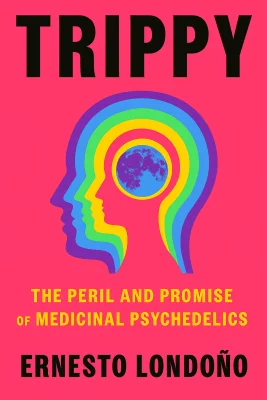
Trippy
The Peril and Promise of Medicinal Psychedelics
Categories
Nonfiction, Psychology, Health, Science, Memoir, Mental Health, Audiobook, Sociology, Mental Illness, Queer
Content Type
Book
Binding
Hardcover
Year
2024
Publisher
Celadon Books
Language
English
ISBN13
9781250878540
File Download
PDF | EPUB
Trippy Plot Summary
Introduction
Beneath the towering trees of the Amazon rainforest, a transformation was brewing that would eventually reach the gleaming research laboratories of Johns Hopkins, the sacred spaces of American churches, and even the hallways of the Department of Veterans Affairs. For centuries, Indigenous healers had used ayahuasca—a powerful plant medicine brewed from vines and leaves—to commune with spirits and heal the sick. Few could have predicted that this ancient practice would one day become a focal point in America's search for new approaches to mental health treatment and spiritual connection. The journey of psychedelic healing from forbidden substance to breakthrough therapy represents one of the most remarkable shifts in modern medicine and cultural attitudes. This transformation didn't happen overnight—it emerged through decades of underground practice, scientific persistence, religious freedom battles, and the desperate search for relief among those suffering from treatment-resistant conditions. The story encompasses Indigenous wisdom keepers, risk-taking scientists, military veterans seeking healing, and ordinary Americans disillusioned with conventional approaches to mental wellness. Through their collective experiences, we witness how a once-demonized substance gradually gained recognition for its potential to address some of our most pressing psychological challenges, potentially changing our understanding of consciousness itself.
Chapter 1: From Indigenous Ritual to Western Interest (1950s-1990s)
The story of ayahuasca's journey to Western consciousness begins deep in the Amazon rainforest, where for centuries, if not millennia, Indigenous shamans have brewed this powerful medicine from the Banisteriopsis caapi vine and Psychotria viridis leaves. For these communities, ayahuasca was never merely a hallucinogenic substance—it represented a sacred technology for healing, divination, and maintaining harmony with the spiritual realm. Shamans would undergo years of training to understand the proper preparation and ceremonial context for administering this powerful brew. The first significant Western encounter with ayahuasca occurred through the work of Richard Evans Schultes, the Harvard ethnobotanist who traveled extensively through the Amazon in the 1940s and 1950s, documenting Indigenous plant knowledge. Schultes's photographs and descriptions of ayahuasca ceremonies provided the first scientific documentation of these practices, though his work remained largely within academic circles. Meanwhile, Western visitors to the Amazon Basin occasionally participated in ceremonies, but these experiences rarely translated into sustained interest back home. The 1960s counterculture movement created the first significant Western curiosity about mind-altering substances, though ayahuasca remained far less known than substances like LSD, psilocybin mushrooms, and peyote. William Burroughs and Allen Ginsberg's correspondence about their ayahuasca experiences, published as "The Yage Letters" in 1963, provided one of the earliest literary accounts. However, the U.S. government's declaration of the "War on Drugs" in the 1970s drove psychedelic research underground and created a climate of fear around all such substances, effectively halting scientific investigation for decades. By the 1980s, two Brazilian syncretic religious traditions—Santo Daime and União do Vegetal (UDV)—which incorporated ayahuasca as their sacrament, began establishing small congregations in the United States. These groups practiced discreetly, aware that their sacrament contained DMT, a substance classified as a Schedule I controlled substance. Simultaneously, anthropologists like Michael Harner began writing about shamanic practices, introducing concepts of plant wisdom and non-ordinary states of consciousness to wider audiences through what became known as "core shamanism"—a Westernized adaptation of Indigenous practices. The 1990s marked a turning point as more Westerners traveled to Peru, Ecuador, and Brazil specifically seeking ayahuasca experiences. Early "ayahuasca tourism" emerged, with retreat centers catering to foreigners opening throughout the Amazon region. Meanwhile, underground ceremonies began appearing in major American cities, conducted by visiting shamans or Westerners who had trained in South America. This period also saw the first modern scientific investigations into ayahuasca's effects, particularly through the Hoasca Project in Brazil, which studied UDV members and found surprising psychological benefits among regular users. As the millennium approached, ayahuasca stood at a crossroads—still largely unknown to mainstream America but gathering a dedicated following among spiritual seekers, psychonauts, and those disenchanted with Western medicine's approach to psychological healing. The groundwork was being laid for what would eventually become a significant challenge to America's drug policies and medical paradigms.
Chapter 2: Scientific Rediscovery and Early Research (1990s-2010)
The scientific rediscovery of ayahuasca began in earnest during the 1990s when researchers, particularly in Brazil, conducted pioneering studies on members of the União do Vegetal church. The landmark Hoasca Project, led by Dr. Charles Grob and a team of international researchers, provided the first comprehensive examination of long-term ayahuasca users. Their findings challenged prevailing assumptions about psychedelics—instead of finding brain damage or psychological harm, they discovered church members showed lower rates of substance abuse and psychological distress compared to control groups. This study, published in 1996, became a crucial reference point for researchers arguing that ayahuasca deserved serious scientific consideration. In the United States, the Multidisciplinary Association for Psychedelic Studies (MAPS), founded by Rick Doblin in 1986, began advocating for renewed research into psychedelics. Though initially focused on MDMA for PTSD treatment, MAPS helped create a scientific community prepared to investigate various psychedelics, including ayahuasca. Simultaneously, the Heffter Research Institute, established in 1993, focused on psilocybin research but contributed to the broader revival of psychedelic science that would eventually include ayahuasca. The early 2000s witnessed a significant legal breakthrough when the União do Vegetal church won a Supreme Court case against the U.S. government in 2006. In Gonzales v. O Centro Espírita Beneficente União do Vegetal, the Court unanimously ruled that the church had the right to import and use ayahuasca as a religious sacrament under the Religious Freedom Restoration Act. This decision created the first legal pathway for ayahuasca use in the United States, albeit strictly within a religious context. The Santo Daime church subsequently won similar protections in 2009, establishing important precedents for religious freedom arguments around psychedelic use. During this period, neuroscientific research began revealing how ayahuasca affects the brain. Studies using functional magnetic resonance imaging (fMRI) showed that ayahuasca activates regions associated with emotional processing and introspection while decreasing activity in the brain's "default mode network"—regions associated with self-referential thinking and rumination. These findings suggested potential mechanisms for ayahuasca's reported therapeutic effects, particularly for conditions like depression where patterns of negative self-thought become entrenched. By 2010, preliminary clinical studies were emerging, particularly from Brazil and Spain, suggesting ayahuasca's potential efficacy for treating depression, anxiety, and substance use disorders. Dr. Jordi Riba in Spain and Dr. Jaime Hallak in Brazil conducted some of the first controlled trials, documenting rapid antidepressant effects that persisted well beyond the acute experience. While these studies were small, they provided crucial proof-of-concept evidence that encouraged larger investigations. At Johns Hopkins University, Roland Griffiths and his team were demonstrating similar therapeutic potential with psilocybin, creating methodological approaches that would later influence ayahuasca research. As the scientific evidence accumulated, a new narrative about ayahuasca and other psychedelics began emerging—one that emphasized their potential as tools for healing rather than dangerous drugs of abuse. This period represented a crucial rehabilitation of psychedelic research's scientific legitimacy, laying groundwork for the explosion of interest that would follow. By 2010, what had begun as an obscure Amazonian ritual was gradually entering scientific and medical conversations in the West, though still far from mainstream acceptance.
Chapter 3: The Mental Health Crisis and Search for Alternatives
By the early 2010s, America was in the grip of a growing mental health crisis that conventional approaches seemed increasingly unable to address. Approximately one in five Americans experienced a mental illness each year, with depression becoming the leading cause of disability worldwide. Despite decades of pharmacological advances, treatment-resistant depression affected roughly 30% of patients, while anxiety disorders, PTSD, and substance use disorders continued to devastate lives across all demographics. Perhaps most alarmingly, suicide rates had increased by more than 30% in half of U.S. states since 1999, with veterans dying by suicide at 1.5 times the rate of non-veterans. This crisis coincided with growing disillusionment regarding conventional psychiatric medications. While SSRIs and other antidepressants helped many patients, their limitations became increasingly apparent—delayed onset of action, significant side effects including sexual dysfunction and emotional blunting, and diminished efficacy over time. A landmark 2008 study published in PLoS Medicine suggested that for many patients with mild to moderate depression, antidepressants performed no better than placebos. As one psychiatrist observed, "Our current pharmacological toolbox essentially consists of slight variations on drugs discovered by accident over 50 years ago." Against this backdrop, Americans increasingly sought alternative approaches to mental health. Mindfulness meditation, yoga, and other contemplative practices gained mainstream acceptance, while therapy modalities emphasizing bodily awareness and trauma processing, such as EMDR and Somatic Experiencing, gained traction. Yet many patients with severe or treatment-resistant conditions found even these approaches insufficient. Veterans, sexual assault survivors, and others with complex trauma particularly struggled to find relief, often cycling through multiple treatments with limited success. This context created fertile ground for renewed interest in psychedelics. Preliminary research suggesting ayahuasca could rapidly reduce depression symptoms and help people overcome addiction resonated with those who had exhausted conventional options. Unlike pharmaceutical approaches that required daily medication with ongoing side effects, ayahuasca offered the possibility of significant improvements after just a few sessions. As one researcher noted, "We're seeing people reporting more benefit from a few psychedelic sessions than from years of daily medication or weekly therapy." The mental health provider community itself began expressing cautious interest. Psychiatrists and psychologists, frustrated by limited success with difficult cases, began attending conferences about psychedelic medicine and investigating the emerging research. Some healthcare professionals even participated in underground ceremonies or traveled to countries where ayahuasca was legal, seeking firsthand experience. Many returned convinced of its therapeutic potential, becoming quiet advocates within their professional circles. As one psychiatrist who traveled to Peru remarked, "I saw patients achieve breakthroughs in three days that might have taken years in conventional therapy—if they occurred at all." By the mid-2010s, these converging factors—a worsening mental health crisis, limitations of existing treatments, and promising early research—created growing momentum for psychedelic healing approaches. What had once been dismissed as fringe or countercultural was gradually entering mainstream discourse as a serious potential solution to one of America's most pressing public health challenges. The stage was set for ayahuasca and other psychedelics to move from the margins to the medical mainstream.
Chapter 4: The Emergence of Psychedelic Retreat Culture
As scientific interest in ayahuasca grew, a parallel development was taking shape—the rise of ayahuasca retreat centers catering specifically to Westerners seeking healing experiences. This phenomenon began in Peru, particularly around Iquitos, where the first dedicated retreat centers emerged in the early 2000s. By 2010, dozens of centers were operating throughout the Amazon basin, ranging from rustic jungle compounds to luxury facilities with private bungalows and gourmet vegetarian cuisine. These centers typically offered week-long experiences combining multiple ayahuasca ceremonies with additional activities like yoga, meditation, and plant baths. The retreat model represented a significant adaptation of traditional Indigenous practices. While ceremonies maintained core elements like darkness, sacred songs (icaros), and purging as an integral part of the process, they were modified to accommodate Western sensibilities and expectations. Ceremonies were often gentler, with lower doses for beginners, more comfortable accommodations, and integration support from Western-trained facilitators. This hybrid approach—combining Indigenous shamanic techniques with Western therapeutic frameworks—became the template for what would eventually emerge in the United States. Travel to these international retreats surged throughout the 2010s, fueled by personal testimonials, media coverage, and growing disillusionment with conventional medicine. Participants represented diverse backgrounds—from Silicon Valley executives seeking creative breakthroughs to veterans with PTSD, cancer patients confronting mortality, and ordinary people navigating depression or life transitions. While early participants were often counterculture types and spiritual seekers, the demographic steadily broadened to include professionals, retirees, and even healthcare providers seeking alternatives for their patients. These international experiences created a growing community of Americans with firsthand knowledge of ayahuasca's potential benefits. Many returned home profoundly transformed, eager to share their experiences and maintain their healing. This created demand for ongoing support and, eventually, ceremonies closer to home. As one retreat participant explained, "Going to Peru was life-changing, but I couldn't keep traveling internationally whenever I needed reconnection or support. I needed something in my own community." Underground ceremonies began appearing in major U.S. cities, initially led by visiting shamans or Americans who had trained abroad. Operating in private homes, rented retreat centers, or remote natural settings, these ceremonies adopted many practices from international retreats while adapting to local circumstances. Some maintained strong connections to Indigenous lineages; others developed more eclectic approaches incorporating elements from various traditions. While technically illegal, these underground circles often operated through tight-knit, trust-based networks that kept them largely under the radar of law enforcement. By the late 2010s, more formalized models began emerging, particularly after the Religious Freedom Restoration Act provided legal protection for certain ayahuasca churches. Some underground practitioners established religious organizations, claiming constitutional protection for their use of ayahuasca as a sacrament. Others developed "plant medicine circles" with careful screening procedures, medical intake forms, and integration support that mirrored therapeutic protocols. These approaches represented attempts to create safer, more structured containers for ayahuasca work while navigating the complex legal landscape. The retreat culture that emerged represented much more than simple drug tourism—it developed its own ethics, practices, and community standards. Concepts like "set and setting," proper screening, informed consent, and integration support became widely accepted as essential elements of responsible practice. Through this process, a distinctly American approach to ayahuasca work gradually took shape, blending Indigenous wisdom, psychological frameworks, and religious freedom principles into new forms that would profoundly influence the broader psychedelic renaissance.
Chapter 5: Legal Challenges and Religious Freedom Battles
The legal status of ayahuasca in the United States has followed a complex trajectory shaped by religious freedom claims, court battles, and evolving drug policy. At the core of this legal landscape is a fundamental tension: while ayahuasca contains DMT, a Schedule I controlled substance, various groups claim constitutional protection for its religious and spiritual use. This tension has generated numerous legal challenges that have gradually created pathways for limited legal access. The pivotal moment came in 2006 with the Supreme Court's unanimous ruling in Gonzales v. O Centro Espírita Beneficente União do Vegetal. The UDV church, with Brazilian origins, had been importing ayahuasca (which they call hoasca) for religious ceremonies when customs officials seized a shipment in 1999. After years of legal battles, the Supreme Court ruled that under the Religious Freedom Restoration Act (RFRA), the government had failed to demonstrate a compelling interest in prohibiting the church's sacramental use of ayahuasca. This decision established that religious groups could potentially receive exemptions from the Controlled Substances Act. Following this precedent, the Santo Daime church won similar protection in 2009 when Judge Owen Panner ruled in Church of the Holy Light of the Queen v. Mukasey that "the Santo Daime Church's use of Daime tea is protected under RFRA." These victories established a narrow legal pathway for ayahuasca use within recognized religious organizations with demonstrable sincere religious beliefs. The DEA subsequently created a formal process for religious groups to apply for exemptions, though critics argue this process remains opaque and cumbersome. Beyond these established churches, numerous other groups have attempted to gain legal protection through religious freedom claims. Some formed new religious organizations specifically structured to meet the criteria established in previous court cases. Others adopted more ambiguous approaches, operating in a gray area where they incorporated religious or spiritual elements while not explicitly claiming exemptions. These groups often face significant legal uncertainty, as evidenced by cases like that of Soul Quest Church of Mother Earth in Orlando, which has been engaged in protracted legal battles with the DEA over its ayahuasca practices. The legal landscape became even more complex as some jurisdictions began implementing broader psychedelic decriminalization measures. In 2019, Oakland and Santa Cruz, California, became the first U.S. cities to decriminalize plant medicines including ayahuasca, declaring enforcement of laws against these substances the lowest priority for police. Denver had previously decriminalized psilocybin mushrooms, and other cities soon followed with similar measures. In 2020, Oregon voters approved a groundbreaking measure to create a regulated system for psilocybin services, potentially providing a template for future regulation of other psychedelics. These developments have created a patchwork legal environment where ayahuasca's status varies significantly depending on context, location, and organizational structure. Religious groups with federal exemptions operate with relative security, while others may face varying levels of risk depending on local decriminalization measures and law enforcement priorities. As one legal expert noted, "We're in a transitional period where the law hasn't caught up with rapidly evolving social attitudes and scientific understanding about these substances." The religious freedom argument has proven particularly powerful in American jurisprudence, reflecting deep constitutional protections for religious practice. Ironically, conservative justices who might otherwise support drug prohibition have often been the strongest defenders of religious exemptions. This has created unusual political alliances, with religious conservatives sometimes finding themselves aligned with progressive drug policy reformers on specific ayahuasca cases. These religious freedom battles continue to be waged in courts across the country, gradually expanding the legal space for ayahuasca practice while raising profound questions about the boundaries between religious freedom, public health concerns, and cognitive liberty.
Chapter 6: Clinical Breakthroughs and Medical Legitimization
The path toward medical legitimization of ayahuasca began accelerating around 2015 as more rigorous clinical studies emerged, particularly from Brazil and Spain. A groundbreaking 2015 study in the Brazilian Journal of Psychiatry demonstrated rapid antidepressant effects from a single ayahuasca session in patients with treatment-resistant depression. Participants showed significant reductions in depression scores within hours of administration, with effects persisting for weeks—a remarkable finding given that conventional antidepressants typically take weeks to show benefits and often fail entirely in treatment-resistant cases. This initial research sparked interest from major academic institutions. In 2016, the Center for Addiction and Mental Health in Canada began a first-of-its-kind study examining ayahuasca's potential for treating depression and addiction. Around the same time, MAPS sponsored research into ayahuasca's effects on trauma and PTSD. These studies employed more rigorous methodologies than earlier research, including larger sample sizes, control groups, and standardized assessment measures, helping ayahuasca research gain credibility within mainstream scientific circles. Neuroimaging research provided compelling insights into ayahuasca's mechanisms of action. Studies using functional MRI and other advanced techniques revealed that ayahuasca temporarily disrupts the brain's default mode network—regions associated with self-referential thinking and rumination—while enhancing communication between normally separated brain regions. These findings suggested that ayahuasca might help break entrenched thought patterns underlying conditions like depression, addiction, and PTSD, providing a neurobiological basis for its therapeutic effects. As research progressed, the relationship between Indigenous knowledge and Western science evolved in important ways. Some research programs actively collaborated with traditional healers, acknowledging their expertise and incorporating elements of ceremonial context into clinical protocols. The International Center for Ethnobotanical Education, Research and Service (ICEERS) pioneered this approach, bringing together scientists, Indigenous knowledge holders, and therapists to develop culturally informed research methods. This collaborative approach represented a significant departure from earlier models where Indigenous knowledge was often appropriated without acknowledgment or respect. Perhaps the most significant development for medical legitimization came when the FDA granted "breakthrough therapy" designation to similar psychedelics—MDMA for PTSD treatment in 2017 and psilocybin for treatment-resistant depression in 2018. While these designations didn't directly involve ayahuasca, they signaled a profound shift in regulatory attitudes toward psychedelic medicine broadly. The FDA's acknowledgment that these substances showed substantial improvement over existing therapies created regulatory pathways that ayahuasca researchers could potentially follow. Major academic institutions began establishing dedicated psychedelic research centers, including Johns Hopkins, Imperial College London, New York University, and the University of California, San Francisco. While most initially focused on psilocybin and MDMA, their presence legitimized the broader field of psychedelic medicine and created institutional infrastructure that would eventually support ayahuasca research. The involvement of prestigious universities helped normalize psychedelic research within mainstream medicine and attracted significant funding from both philanthropic sources and, eventually, government agencies. By 2020, clinical trials involving ayahuasca were underway for conditions including depression, addiction, eating disorders, and PTSD. These studies were increasingly sophisticated, incorporating standardized dosing, placebo controls where possible, and rigorous outcome measures. While still more limited than research on psilocybin or MDMA, ayahuasca studies benefited from the broader mainstreaming of psychedelic medicine, gaining attention in prestigious medical journals and at major psychiatric conferences. What had once been dismissed as fringe was increasingly discussed in hospital grand rounds and continuing medical education programs, signaling a remarkable transformation in medical attitudes toward this ancient Amazonian medicine.
Chapter 7: The Future of Psychedelic Medicine and Society
As we look toward the horizon of psychedelic medicine, several converging trends suggest ayahuasca and related compounds will play an increasingly significant role in American healthcare and society. The FDA is expected to approve MDMA for PTSD treatment by 2024, with psilocybin likely following shortly thereafter for depression. These approvals will establish regulatory precedents and clinical infrastructure that could eventually accommodate ayahuasca-based treatments. Several pharmaceutical companies are already developing DMT formulations designed to deliver ayahuasca-like experiences in standardized, shorter-duration formats more compatible with clinical settings. The economic landscape of psychedelic medicine is rapidly evolving, with significant implications for access and equity. Venture capital has poured into the sector, with publicly traded companies racing to patent novel formulations and delivery methods for psychedelic compounds. This commercialization creates tension with traditional and community-based approaches to healing. As one Indigenous leader observed, "These are sacred medicines that have been freely shared for generations. Now corporations want to own them." This tension between profit-driven medicalization and traditional ceremonial approaches will likely intensify as the field expands. The mental health provider community is preparing for this paradigm shift through new training programs and certification pathways. The California Institute of Integral Studies' Certificate in Psychedelic-Assisted Therapies and Research, established in 2015, has trained hundreds of healthcare professionals, while similar programs have emerged at universities nationwide. These initiatives are creating a new generation of clinicians equipped to work with non-ordinary states of consciousness in therapeutic contexts. Many practitioners envision a future where psychedelic sessions are seamlessly integrated with conventional therapy, providing breakthrough moments that accelerate the healing process. Policy reform continues to advance on multiple fronts. Oregon's psilocybin services program, which began accepting applications for licensed facilities in 2023, represents a groundbreaking regulated model that could eventually expand to include other substances. Denver, Oakland, Santa Cruz, and other cities have decriminalized various plant medicines, while state legislatures from California to New York are considering various reform measures. Veterans' advocacy has been particularly influential, with former military members testifying about psychedelics' life-saving potential and challenging policymakers to reconsider prohibition in light of the ongoing mental health and suicide crises. Indigenous communities most connected to ayahuasca traditions face both opportunities and challenges in this evolving landscape. Some have formed partnerships with research institutions and retreat centers, creating economic opportunities while maintaining cultural sovereignty. Others have raised concerns about commercialization, cultural appropriation, and environmental impacts as demand for ayahuasca increases. Reciprocity has emerged as a key concept, with growing recognition that Western adoption of these practices creates ethical obligations to support Indigenous land rights, cultural preservation, and economic justice. Perhaps most profoundly, the mainstreaming of psychedelic experiences may catalyze broader cultural shifts in how Americans understand consciousness, mental health, and spiritual connection. As hundreds of thousands of people—including influential figures in business, entertainment, and politics—undergo these transformative experiences, their insights ripple outward through families, workplaces, and communities. Many participants report increased environmental concern, greater compassion for others, reduced materialism, and renewed spiritual awareness. As one researcher noted, "These aren't just treatments for diagnosed conditions; they're tools for psychological and spiritual growth that could transform how we relate to ourselves, each other, and the planet." The ayahuasca revolution thus represents far more than a new treatment modality—it embodies a fundamental reconsideration of how we approach healing, consciousness, and human potential. While significant challenges remain in ensuring safe, ethical, and equitable access, the trajectory suggests that ancient plant wisdom, combined with modern scientific understanding, may offer powerful new approaches to addressing some of society's most pressing challenges. The medicine that emerged from the Amazon rainforest centuries ago is now poised to play a remarkable role in shaping 21st-century healthcare and beyond.
Summary
The ayahuasca revolution represents one of the most remarkable shifts in modern American attitudes toward healing and consciousness—a journey from criminalization to medicalization that has unfolded over decades. This transformation reveals how powerful cultural systems can change when multiple forces align: scientific evidence challenging prevailing assumptions, religious freedom protections creating legal pathways, a mental health crisis demanding new solutions, and countless individual healing experiences building collective momentum. Throughout this evolution, we witness the complex dance between Indigenous wisdom and Western science, traditional ceremony and clinical protocol, spiritual experience and medical treatment. The story demonstrates how knowledge systems previously considered incompatible can converge to create new healing paradigms. The ongoing integration of ayahuasca and other psychedelics into American society offers profound lessons for addressing complex challenges. First, it demonstrates the importance of epistemic humility—recognizing that no single knowledge tradition holds all answers, and that ancient practices dismissed for centuries may contain valuable insights for modern problems. Second, it highlights how religious freedom frameworks can create space for cognitive liberty and healing practices that challenge dominant paradigms. Finally, it reminds us that healing often requires more than symptom management—it demands engagement with meaning, purpose, and spiritual dimensions of human experience that modern medicine has often neglected. As psychedelic healing continues to evolve, maintaining balance between scientific rigor and ceremonial wisdom, between accessibility and appropriate caution, between commercial opportunity and ethical responsibility, will determine whether this revolution fulfills its remarkable promise to transform how we understand and address human suffering.
Best Quote
“Had ketamine been a new drug, pharmaceutical companies would have had a strong incentive to fund the kind of robust clinical trials federal regulators would have required to approve its use as a treatment for depression. But ketamine’s patent expired in 2002, which meant there was little to gain by bankrolling years of costly research.” ― Ernesto Londoño, Trippy: The Peril and Promise of Medicinal Psychedelics
Review Summary
Strengths: The review highlights the book's exploration of personal trauma and the potential of psychedelic therapies in addressing mental health issues. It appreciates the author's personal journey and the broader investigation into the efficacy and cultural implications of these therapies.\nOverall Sentiment: Enthusiastic\nKey Takeaway: The book "Trippy" is an insightful exploration of the intersection between personal trauma and psychedelic therapies, offering a deep dive into both the scientific and cultural dimensions of these emerging treatments. Ernesto Londoño's personal narrative and broader analysis provide a compelling look at how psychedelics may help individuals rewire their brains and confront past traumas.
About Author
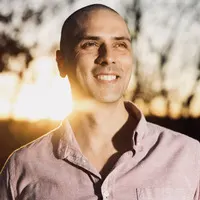
Ernesto Londoño
Ernesto Londoño is a veteran journalist and a correspondent for The New York Times. Over his distinguished career, he has covered wars, political upheavals, and foreign affairs, serving as the bureau chief in Brazil and an editorial writer. His reporting has taken him to some of the most volatile regions in the world, documenting conflict and human suffering.\n\nLondoño is the author of Trippy: The Peril and Promise of Medicinal Psychedelics. The book marks a shift from his traditional reporting, stemming from his own battle with depression and burnout. Londoño chronicles his personal journey into the world of psychedelic therapy, exploring the booming industry of medicinal plants like ayahuasca and mushrooms. He combines memoir with investigative journalism to examine the scientific potential—and the risks—of this new frontier in mental health treatment.
Read moreDownload PDF & EPUB
To save this Black List summary for later, download the free PDF and EPUB. You can print it out, or read offline at your convenience.
Trippy
by Ernesto Londoño
