
Upton Sinclair
Sinclair interrogates the societal injustices of early 20th-century America through his potent blend of investigative journalism and narrative fiction. As an author committed to socialism, Sinclair’s books tackled capitalism's systemic abuses and labor rights issues, thereby educating the public on these pressing matters. His groundbreaking work, "The Jungle," revealed the appalling conditions within Chicago's meatpacking industry, prompting significant legislative reforms like the 1906 Pure Food and Drug Act. Meanwhile, "The Brass Check" critiqued the pitfalls of yellow journalism, contributing to the eventual establishment of a journalism code of ethics.\n\nSinclair’s literary style marries naturalistic fiction with political polemics, aiming to spotlight the struggles of marginalized workers. His bio reflects an unwavering dedication to using literature as a tool for societal change, tackling themes such as health, corruption, and free speech. Readers benefit from his works' historical insights and the vivid dramatization of labor struggles. His "Lanny Budd" series, including the Pulitzer Prize-winning "Dragon’s Teeth," and other works like "Oil!"—which inspired the film "There Will Be Blood"—continue to resonate due to their profound social commentary and narrative strength. Sinclair’s legacy endures, offering valuable lessons on the power of literature to confront and challenge entrenched social inequities.
Books by Upton Sinclair
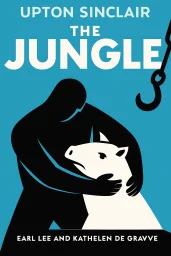
The Jungle
Popular Authors

Robin Sharma
5 books

James Clear
2 books

Sarah Knight
4 books

Daniel Goleman
9 books

Stanley D. Rosenberg
1 books

Anthony Scaramucci
1 books

Niall Kishtainy
1 books


Trevor Moawad
2 books
J. Richard Gott
1 books

Mark McNeilly
1 books

Lara Love Hardin
4 books
